
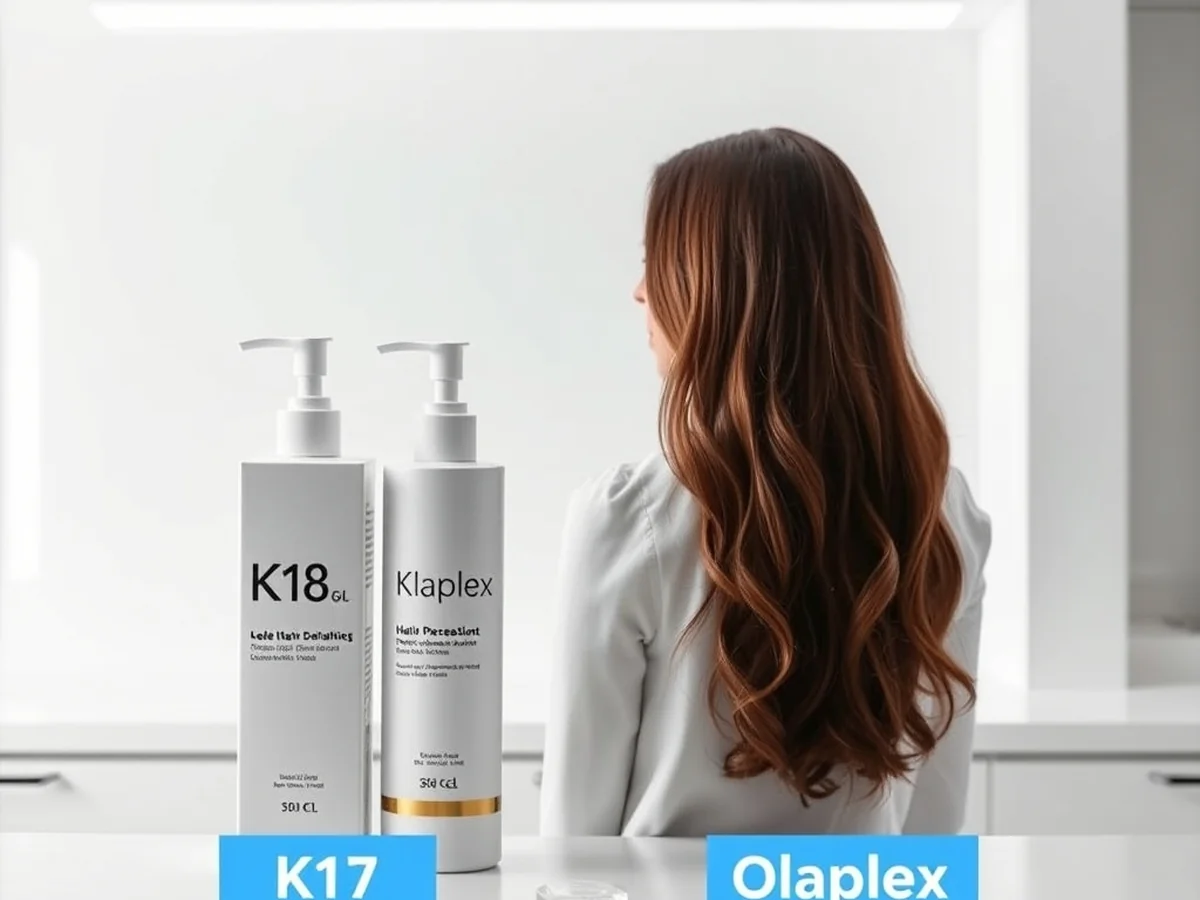
K18 Vs Olaplex For Fine Hair
Introduction
Deciding between K18 vs Olaplex for fine hair depends on your specific repair needs and how your hair texture responds to different application routines. This detailed breakdown of K18 vs Olaplex for fine hair provides a clear look at how each formula interacts with delicate strands to help you decide which approach best suits your needs.
You will find information covering application methods, product weight, and the chemical differences between these technologies. The following sections explore whether these treatments cause buildup on thin hair, how they impact overall volume, and the most effective ways to incorporate them into a minimalist hair care routine. By understanding the distinct benefits of each, you can better navigate the options for managing damaged or processed fine hair without sacrificing its natural movement or density.
Understanding Fine Hair Needs and Repair Technology
Choosing the best bond builder for fine hair requires a delicate balance between effective structural repair and a lightweight finish that maintains volume. Fine hair has a naturally smaller diameter than other hair types, which makes it particularly susceptible to being weighed down by heavy ingredients like excess silicones, oils, or dense conditioning agents.
Fine strands often struggle with product buildup, which can quickly flatten the hair and diminish its natural lift. When selecting a treatment, the goal is to target damage without leaving a residue that masks the hair’s natural texture or adds unnecessary density. Since fine hair is physically smaller, it reaches its saturation point faster than thicker, coarser hair types.
Repairing damage in fine hair is a nuanced process. Bond-building technologies are designed to address internal structural issues, but their delivery systems vary significantly. Some formulas remain in the hair to provide ongoing benefits, while others are intended to be rinsed out after a specific processing time. For those with thin or fragile strands, the weight of a product is just as critical as its chemical efficacy.
When evaluating repair options, consider these common challenges:
- The tendency for fine hair to lose volume when treated with heavy, leave-in repair agents.
- Increased sensitivity to residue, which can cause fine strands to look greasy or stringy shortly after washing.
- The risk of over-processing, as fine hair often has a higher surface-area-to-volume ratio, making it prone to brittleness if heavy protein-rich or restorative treatments are applied too frequently.
Ultimately, selecting an appropriate repair solution involves finding a formula that integrates seamlessly into your routine without requiring thick, coating layers. By focusing on lightweight formulations, you can support the health of your hair, encouraging strength and elasticity without sacrificing the natural bounce and lightness that define fine hair. Prioritizing products that absorb efficiently allows for structural improvement while keeping the hair cuticle clean and free from the heavy buildup that often plagues finer textures.
How Damage Affects Fine Hair
Fine hair is more susceptible to breakage because it has a smaller diameter and a thinner cortex than coarser hair types. This physical structure leaves less material to withstand mechanical stress, thermal styling, and chemical processing, which can lead to visible damage much faster than in thicker strands.
At the core of hair strength are disulfide bonds and polypeptide chains. Disulfide bonds act as internal bridges that link protein structures together, providing the hair with its shape and resilience. Polypeptide chains are the long strings of amino acids that form the backbone of the hair fiber. When these components are disrupted by heat or chemicals, the hair loses its structural integrity, leading to tangling, loss of elasticity, and snapping.
It is important to differentiate between superficial surface damage and internal structural compromise. Surface damage typically affects the cuticle, the outermost layer of the hair. This often results in a dry, frizzy, or dull appearance that can be temporarily smoothed with conditioners or oils. Internal structural compromise, however, involves the breakdown of the bonds and chains within the cortex itself. This type of damage requires more than surface-level hydration to address.
Because fine hair lacks the density of thicker hair, even minor internal damage can result in significant loss of volume and strength. Products designed to address this must balance effective repair with weightless application. Heavy formulas can easily overwhelm fine strands, causing them to look limp or greasy, which is why understanding the difference between protein treatments and bond building is essential for maintaining hair health.
- Surface damage: Appears as dryness, roughness, and lack of shine on the cuticle.
- Internal damage: Involves broken chemical bonds, leading to reduced elasticity and hair breakage.
- Structural sensitivity: Fine hair has less cortex material, making it more vulnerable to these internal changes.
Bond Building Technology Comparison

The core difference between these two treatments lies in how their primary active ingredients interact with the hair cuticle and internal structure. Choosing the best bond builder for fine hair often depends on whether you require a treatment that focuses on internal chain reinforcement or one that interacts with specific molecular bonds.
| Feature | Olaplex | K18 |
|---|---|---|
| Primary Active | Bis-Aminopropyl Diglycol Dimaleate | sh-Oligopeptide-78 |
| Target Area | Disulfide bonds | Polypeptide chains |
| Molecular Size | Generally larger | Generally smaller |
Bis-Aminopropyl Diglycol Dimaleate functions by connecting broken disulfide bonds within the hair shaft. Because these bonds provide the primary strength and structure to the hair, this chemistry is designed to improve overall integrity. For fine hair, which has a smaller diameter and higher susceptibility to breakage, the physical size of the molecule can influence how much product is absorbed versus how much remains on the surface. If the molecules are too large to penetrate the cuticle efficiently, fine hair may feel weighed down or coated.
Alternatively, sh-Oligopeptide-78 is designed to work at a different level by interacting with the polypeptide chains that make up the internal structure of the hair. The molecular size of this peptide is engineered to be small enough to enter the cortex of the hair strand. This is particularly relevant for managing hair porosity. When the cuticle is damaged or naturally porous, smaller molecules can travel deeper into the hair shaft to provide support without the heavy residue that often impacts fine hair volume. By addressing structural gaps at a smaller scale, this technology aims to restore elasticity while maintaining a lightweight feel, which is a common priority for those managing thin or delicate strands.
Application and Weight Considerations
Choosing between these treatments for fine hair requires balancing the need for repair with the risk of losing volume. While one formula is designed to be left in the hair, the other functions as a rinse-out treatment, which significantly changes how they interact with hair weight and texture.
Fine hair, particularly if it has low porosity, is susceptible to product buildup that can make strands appear limp or greasy. Because fine hair has a smaller diameter, heavy ingredients like certain silicones or concentrated oils can easily overwhelm the cuticle. Understanding how to manage application is essential to ensure your hair stays bouncy and lightweight while still receiving the intended benefits.
Consider these practical tips to maintain volume while using these treatments on thinner hair textures:
- Apply the treatment sparingly to the mid-lengths and ends first, as these areas typically require the most repair.
- Use a wide-tooth comb after application to ensure even distribution without saturating the roots.
- If you choose a rinse-out product like Olaplex No 3 for thin hair, make sure to follow up with a thorough shampoo to remove any remaining residue.
- For leave-in formulas, start with a minimal amount and add more only if your hair feels like it needs additional moisture.
- Focus your application away from the scalp area to keep your hair from losing its natural lift.
- Avoid overusing these treatments, as layering them too frequently can create a coating that weighs down even the healthiest fine hair.
When incorporating these into your routine, remember that less is often more. Testing a small amount during your first application helps you gauge how your specific hair type reacts to the formula. By focusing on the ends and avoiding the root area, you can effectively treat damage without sacrificing the volume that fine hair needs to look its best. Always observe how your hair feels after it dries to determine if you need to adjust your dosage for the next session.
K18 vs Olaplex Formulation Differences
Bond repair agents and protein treatments function through different mechanisms to restore hair integrity. While protein treatments temporarily fill gaps in the hair cuticle to provide structural support, bond builders work internally to reconnect the chemical links that maintain hair strength and elasticity.
Fine hair is particularly sensitive to the distinction between protein treatment vs bond building. Because fine hair has a smaller diameter, it lacks the volume of a thick cortex. When you apply too much protein to this fragile structure, it can cause the hair to become stiff and overly rigid. This loss of flexibility makes the hair prone to snapping when brushed or styled.
You can often tell if your hair requires a bonding agent rather than more protein by evaluating how it reacts to touch. If your strands feel crunchy, dry, or unusually brittle despite regular conditioning, you may be experiencing protein overload. A bonding agent is better suited for these situations because it focuses on internal restoration without depositing a surface coating that can weigh down thin strands.
Look for these indicators that your hair is struggling with its protein balance or structural integrity:
- The hair feels stiff or straw-like after a protein-heavy treatment.
- Strands snap immediately when you apply gentle tension.
- Your hair has lost its natural bounce and looks flat or limp.
- The hair feels gummy when wet, which often signals a need for structural reinforcement rather than protein filling.
Choosing the right product is essential for maintaining volume in fine hair. Bonding treatments are generally formulated to be lightweight, which helps in avoiding the heavy buildup that silicones or excessive conditioning agents might cause. By focusing on the internal chemical structure, these treatments offer a way to reinforce the hair shaft without adding the physical weight that often makes fine hair look limp or greasy. This approach ensures that your hair remains resilient against heat and chemical damage while retaining the airy texture that is characteristic of thinner hair types.
Frequency and Routine Integration

You should adjust the frequency of these treatments based on your specific level of hair damage while ensuring your routine remains lightweight. Using both products sequentially is generally not recommended, as it may lead to product buildup that weighs down delicate strands.
To maintain volume and health, follow these guidelines for integrating bonding treatments into your regimen:
- Start by using either treatment once per week if your hair is moderately damaged, gradually increasing frequency only if your hair remains dry or brittle.
- Always prioritize a clean, residue-free surface by using a clarifying shampoo before applying either product to ensure maximum absorption into the cuticle.
- Incorporate these treatments into a minimalist routine by alternating them with your regular conditioning days to avoid over-saturating fine hair.
- Avoid applying these products to the roots, focusing instead on the mid-lengths and ends where damage is most visible to prevent flat, oily-looking results.
- Monitor your hair texture closely, as excessive use of concentrated treatments can sometimes lead to stiffness that makes fine hair feel coarse or prone to tangling.
- Stick to one bonding technology at a time to determine which formula works best for your hair porosity and texture without the complexity of layering different ingredients.
When figuring out how to repair fine damaged hair, simplicity is key. Adding too many active ingredients can overwhelm the hair shaft, which is especially problematic for those with naturally thin strands. If you find your hair feels weighed down, extend the time between applications or reduce the amount of product used per session. By testing one product at a time for at least a few weeks, you can better observe how your hair responds to the technology without interference from other heavy styling agents. This methodical approach helps you identify the most effective way to strengthen your hair while keeping your daily maintenance efficient and effective.
Common Usage Mistakes
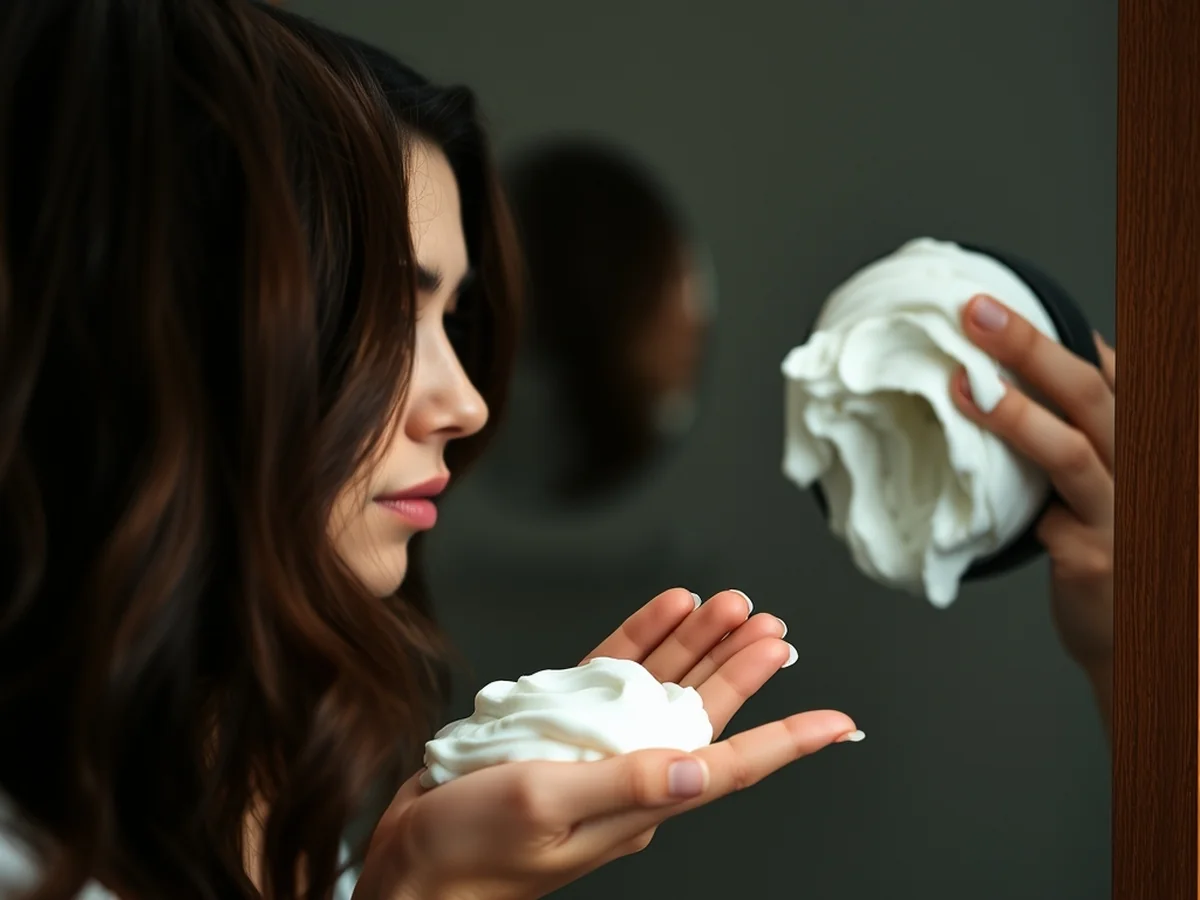
Achieving optimal results with bonding treatments requires precision, as fine hair is particularly sensitive to product accumulation and improper application techniques. Using too much formula, ignoring timing, or mixing incompatible products often leads to lackluster results or hair that feels weighed down.
To ensure your routine effectively supports your hair health, avoid these frequent errors:
- Applying excessive amounts of product on thin strands often leads to unwanted buildup that makes hair appear greasy or limp.
- Skipping the recommended waiting time prevents the active ingredients from fully interacting with the hair structure, which significantly diminishes the potential benefits.
- Layering incompatible styling products, especially those containing heavy silicones or oils, can create a barrier that stops bond-building formulas from penetrating the cuticle.
- Rinsing out a leave-in treatment prematurely removes the active components before they have a chance to work, essentially wasting the product.
- Failing to distribute the treatment evenly throughout your hair can result in patchy repair, leaving some sections treated and others vulnerable to further damage.
- Using bond builders too frequently can lead to a protein overload, which sometimes causes fine hair to become brittle and prone to snapping rather than becoming stronger.
When working with fine hair, less is almost always more. Because fine strands have a smaller diameter, they reach a saturation point much faster than thick or coarse hair. If you notice your hair feels coated or sticky after a treatment, you likely used more product than necessary. Adjusting your dosage is usually the simplest fix for these performance issues.
Furthermore, patience is a vital part of the process. Manufacturers set specific processing times because the chemistry behind these products relies on a stable period of contact with the hair surface. If you wash or style your hair before this window closes, you interrupt the repair process. Always stick to the timing guidelines provided by the specific brand to ensure the product has enough time to address the internal damage. Finally, simplify your routine by using compatible products to avoid clashing formulas that neutralize the effectiveness of your bond-building treatment.
When to See Professionals

You should consult a professional stylist when your hair shows signs of structural failure that topical bond-building treatments cannot resolve. Home care products are designed for maintenance and minor damage, but they cannot restore hair that has reached a point of permanent compromise.
Recognizing the limits of at-home repair is essential for fine hair, which often lacks the structural integrity of coarser textures. If you notice your hair has become gummy or sticky when wet, or if it snaps instantly when stretched with no recovery, it is likely experiencing extreme chemical trauma. These indicators suggest the internal structure is severely depleted, and attempting to fix this with further chemical processing or intensive home treatments may lead to complete breakage.
A professional stylist can perform a diagnostic elasticity test to determine the health of your hair. By gently pulling a single damp strand, they can observe how much it stretches before returning to its original state or snapping. This tactile assessment provides immediate insight into the current resilience of your hair fibers, which is often more accurate than reading K18 peptide hair treatment reviews or generic product claims.
Consider booking a consultation before you undergo any future chemical services, such as bleaching or permanent texturizing. A stylist will assess your hair porosity and overall strength to ensure it can withstand additional processing. They may recommend specific measures, such as:
- A professional-grade protein treatment to reinforce the cuticle.
- A strategic haircut to remove the most damaged, non-viable ends.
- A customized hair care schedule that avoids overlapping chemical services.
If your hair feels consistently dry, brittle, or difficult to style regardless of your bonding routine, it is time to stop the cycle of home experimentation. A salon professional provides the objective perspective needed to reset your hair care goals. Their expertise helps you distinguish between manageable dryness and genuine structural damage, preventing further thinning and preserving the health of your fine hair.
FAQ
Which product is lighter for fine hair?
K18 is often perceived as lighter for fine hair because it is designed as a leave-in treatment that does not require rinsing. This formula can be easier to incorporate into a routine without weighing down delicate strands that are sensitive to heavy residues.
Can you use K18 and Olaplex together?
While both products aim to address hair health, it is generally recommended to choose one primary treatment rather than layering them. Using both simultaneously may make it difficult to track which formula is providing the best results for your specific hair texture and porosity.
How often should I use bonding treatments on fine hair?
You should start by following the manufacturer instructions for each specific product, typically limiting use to once a week or every few washes. Over-treating fine hair can sometimes lead to brittleness, so observing how your hair responds over time is essential for finding your ideal frequency.
Do these products affect hair volume?
These treatments generally focus on structural integrity rather than adding artificial volume to the hair. However, because fine hair is prone to being weighed down by heavy oils or silicones, choosing a lightweight formula helps maintain your hair natural lift and bounce.
Is there a risk of protein overload with these treatments?
Some users worry about protein overload, but it is important to distinguish between traditional protein treatments and bond-repairing technology. If your hair starts feeling stiff or straw-like, you may be using these products too frequently and should scale back your usage to restore balance.
Conclusion
Choosing between these treatments depends primarily on your specific hair porosity and how much time you want to dedicate to your routine. While both options aim to support hair integrity, the best approach is to start with a small amount to see how your delicate strands react to the formulation. If you remain unsure about your hair needs when considering k18 vs olaplex for fine hair, consult with a professional stylist who can assess your cuticle health in person. Monitoring how your hair behaves after the first few applications will clarify which product aligns best with your maintenance goals.
You might also like: K18 Vs Olaplex For Bleached Hair K18 Vs Olaplex For Bleached Hair




5 Comments