Olaplex Routine For Bleached Hair
Introduction
Establishing a consistent olaplex routine for bleached hair helps manage structural integrity and improves the manageability of processed strands. Following an effective Olaplex Routine for Bleached Hair focuses on balancing essential moisture with systematic care to mitigate the effects of chemical lightening.
This guide covers the appropriate order of product application and recommended usage frequency to maintain your hair health at home. You will learn how to distinguish between intensive repair treatments and daily maintenance steps, ensuring your hair care for lightened hair remains effective. We also address common concerns regarding the recovery timeline, protein balance, and how to transition your regimen as your hair begins to recover from chemical processes.
Olaplex Benefits for Bleached Hair
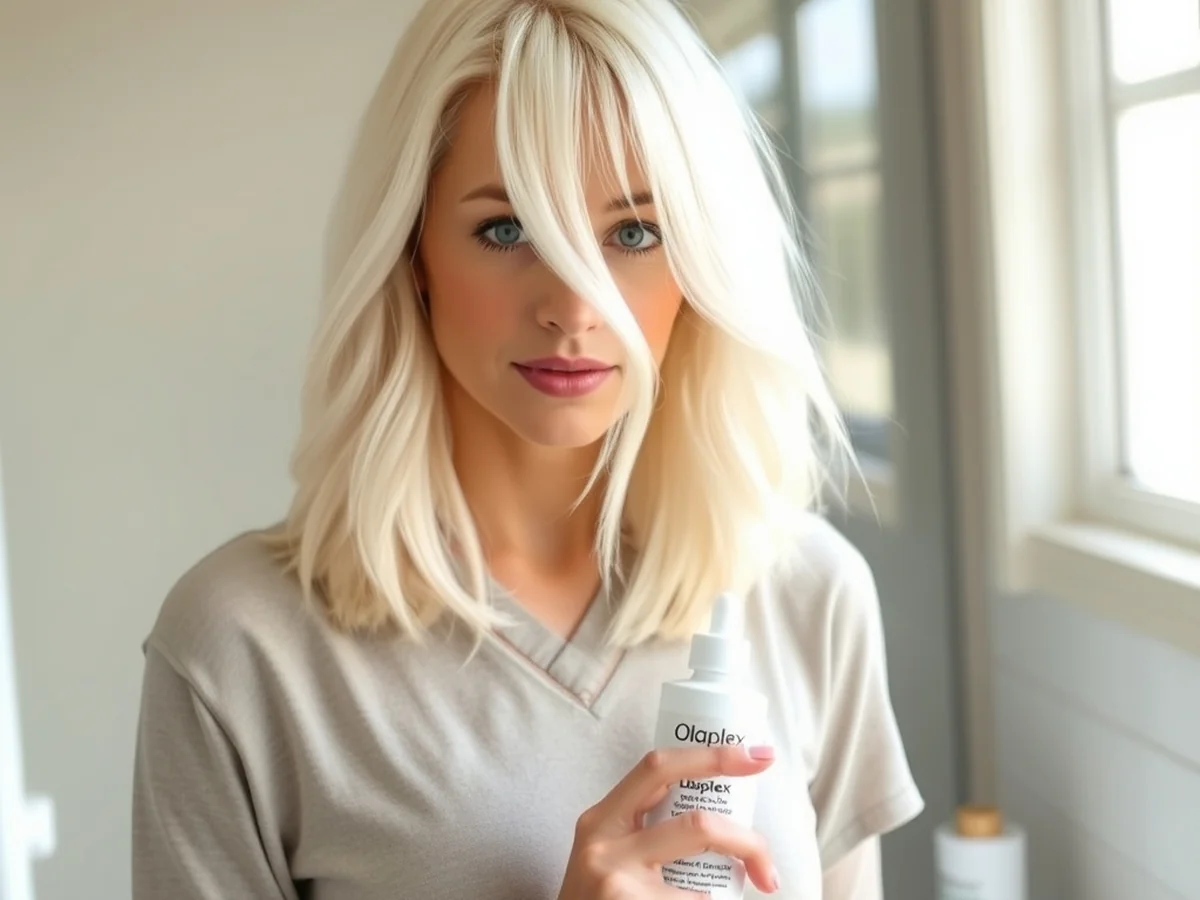
Olaplex products support the integrity of lightened hair by focusing on structural maintenance rather than complete reversal of permanent damage. Bleaching involves chemical processes that reach deep into the hair cortex, often disrupting the internal bonds that provide strength.
Understanding the difference between damage types is key to effective care:
- Chemical damage occurs during the lightening process when the hair cuticle is lifted and internal structures are altered.
- Mechanical stress arises from daily activities like brushing, heat styling, or tight hair ties, which further weaken already compromised strands.
While bond building hair treatment can help manage the feel and appearance of lightened hair, it is important to accept that hair repair is a maintenance process rather than a permanent fix.
Understanding Bleach Damage
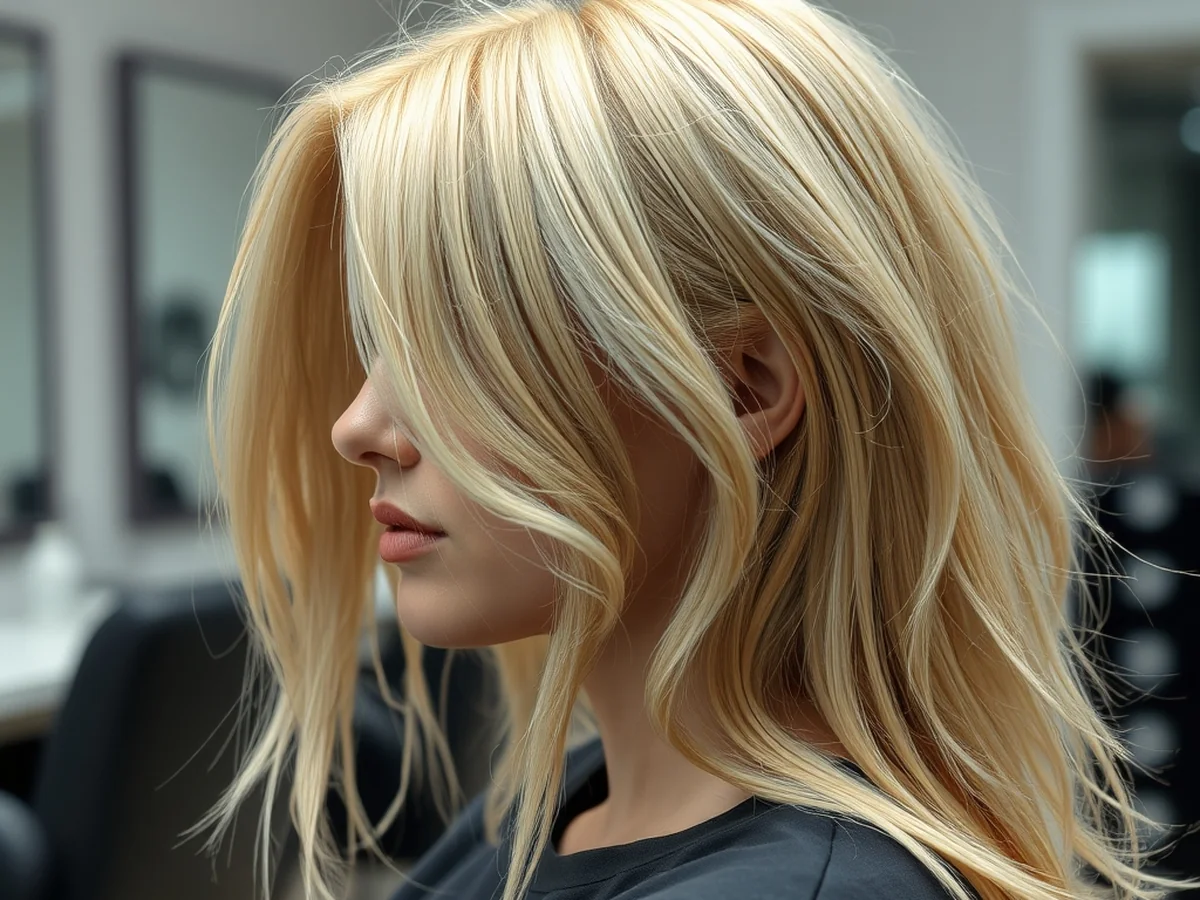
Bleach oxidation strips the hair cuticle and compromises the cortex, directly impacting the integrity of the hair structure. This process intentionally alters the inner matrix to lift pigment, which inevitably leads to the degradation of disulfide bonds.
When these bonds are broken, the hair loses its structural stability, elasticity, and strength. Understanding how to repair bleached hair requires distinguishing between chemical damage and mechanical breakage. Chemical damage occurs at the molecular level during the lightening service, while mechanical breakage is physical damage caused by external stress, such as brushing or heat styling. Both weaken the hair, but they require different approaches for effective bleached hair maintenance routine management to prevent further hair loss.
The Core Routine Steps
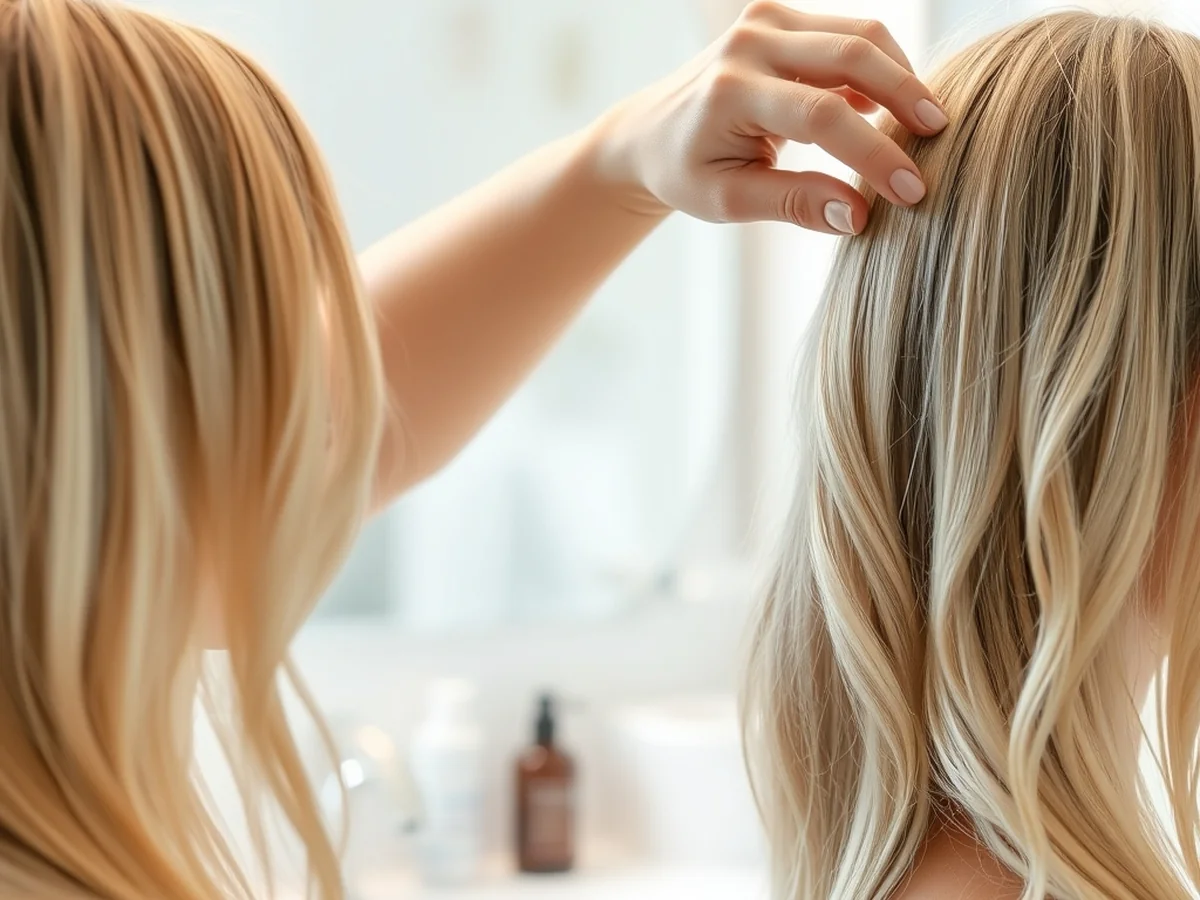
To establish an effective regimen for lightened hair, apply treatments from thinnest to thickest consistency, focusing on bond building hair treatment formulas before cleansing. Incorporate these steps into your schedule to manage the structural needs of processed strands.
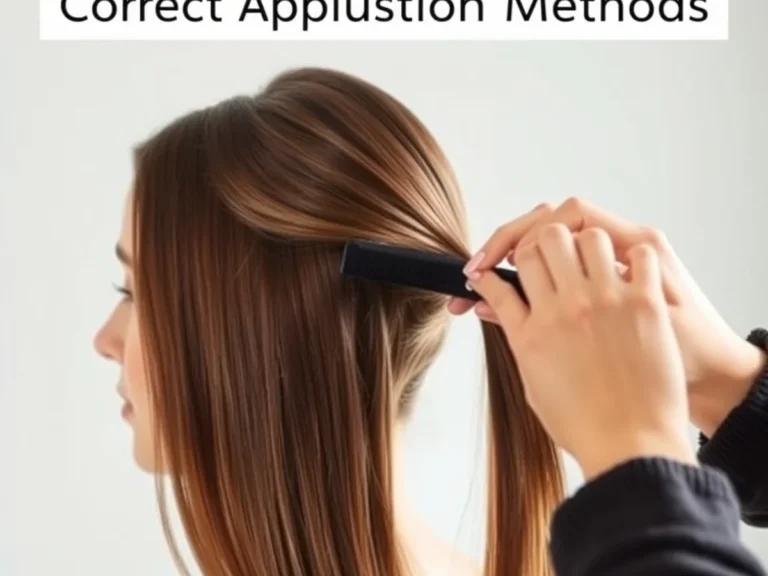
- Begin your intensive repair phase by applying a bond builder to damp hair, letting it sit for the manufacturer’s suggested duration before rinsing.
- Follow your treatment with a gentle, hydrating shampoo to cleanse the scalp without stripping delicate hair cuticles.
- Transition to a maintenance routine by reducing active bond treatments to once a week once hair health stabilizes.
- Use a leave-in smoother or bonding oil on damp hair to seal moisture and protect against daily heat styling.
Olaplex Treatment Schedule

Your regimen should prioritize intensive bond recovery immediately following chemical services, then transition toward daily hydration as hair integrity stabilizes. High-porosity hair often requires frequent restorative sessions initially, but you can scale back to once-weekly maintenance once the hair feels stronger and more elastic.
| Product | Primary Function | Usage Focus |
|---|---|---|
| No. 0 and No. 3 | Structural Repair | Intensive Treatment |
| No. 4 and No. 5 | Daily Maintenance | Cleansing and Conditioning |
| No. 6 and No. 7 | Smoothing | Styling and Protection |
| No. 8 | Deep Hydration | Moisture Balance |
Monitor your hair texture closely during this shift. If you notice persistent dryness or brittleness, reintroduce intensive treatments before returning to your lighter maintenance schedule.
Balancing Olaplex With Moisture
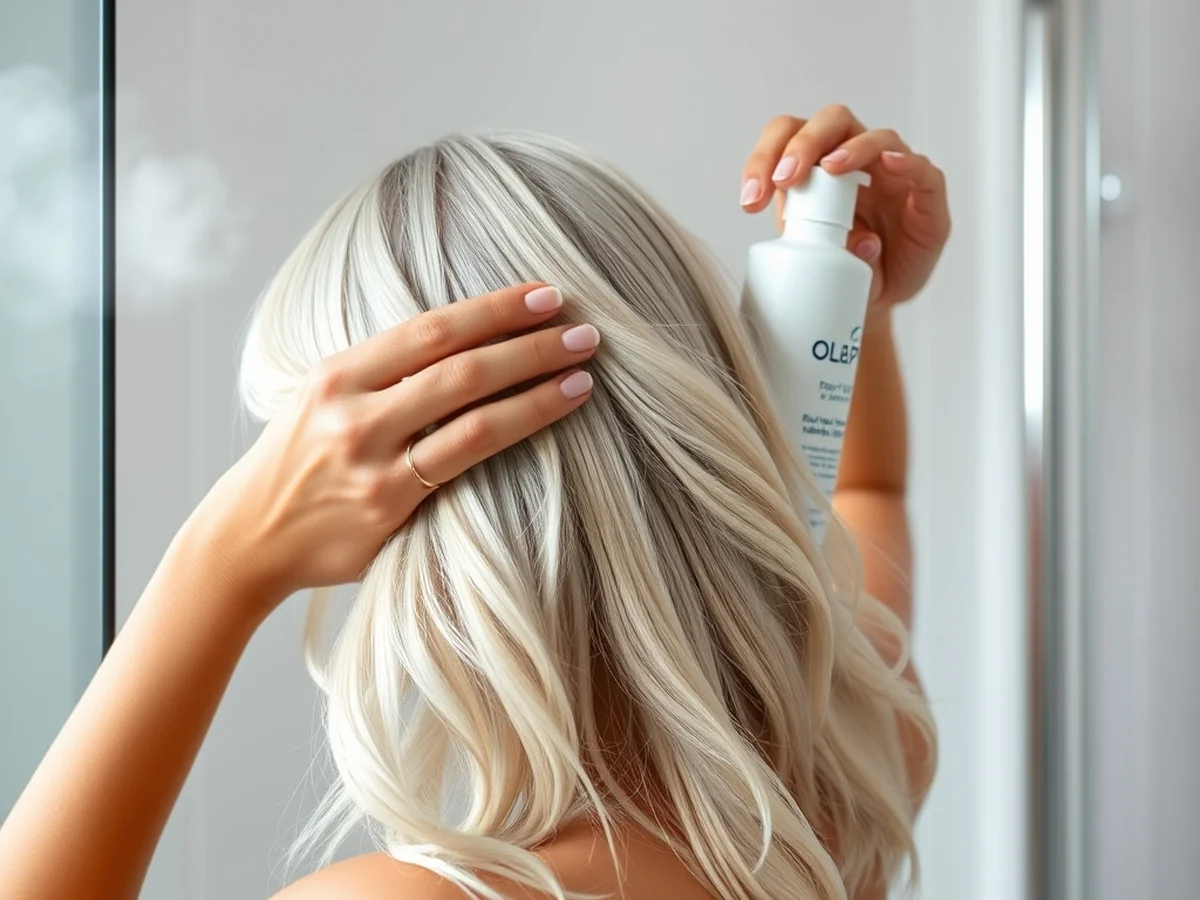
Effective care for lightened hair requires balancing intensive bond-building treatments with consistent hydration. Because bleached strands often exhibit high porosity, they struggle to retain moisture, making deep conditioning essential alongside structural repair.
Over-processing can lead to hair that feels brittle or stiff if you rely solely on protein-based repair products. While bond builders are designed to reinforce hair, an excess of strengthening ingredients without adequate moisture can cause the hair to lose its natural flexibility. Incorporating external hydrating masks into your bleached hair maintenance routine helps restore softness and elasticity.
- Use bond-building products to target structural integrity.
- Alternate with moisture-rich masks to keep hair supple.
- Monitor hair texture to adjust the frequency of each treatment type.
Common Application Mistakes

Following instructions is essential for effective hair care for lightened hair, as extending application times does not improve results. Over-saturating the hair or failing to rinse thoroughly can lead to product buildup, which may leave strands feeling heavy or dull. Proper cleansing is necessary before any bond building hair treatment to ensure the product penetrates the hair cuticle effectively.
- Do not leave treatments on longer than the manufacturer recommends, as this provides no added benefit.
- Always clarify your hair periodically to remove excess residue and prevent weight accumulation.
- Ensure your hair is clean and free of heavy styling products before applying your repair routine.
- Use only the amount of product directed on the packaging to avoid unnecessary waste and buildup.
When to See a Stylist
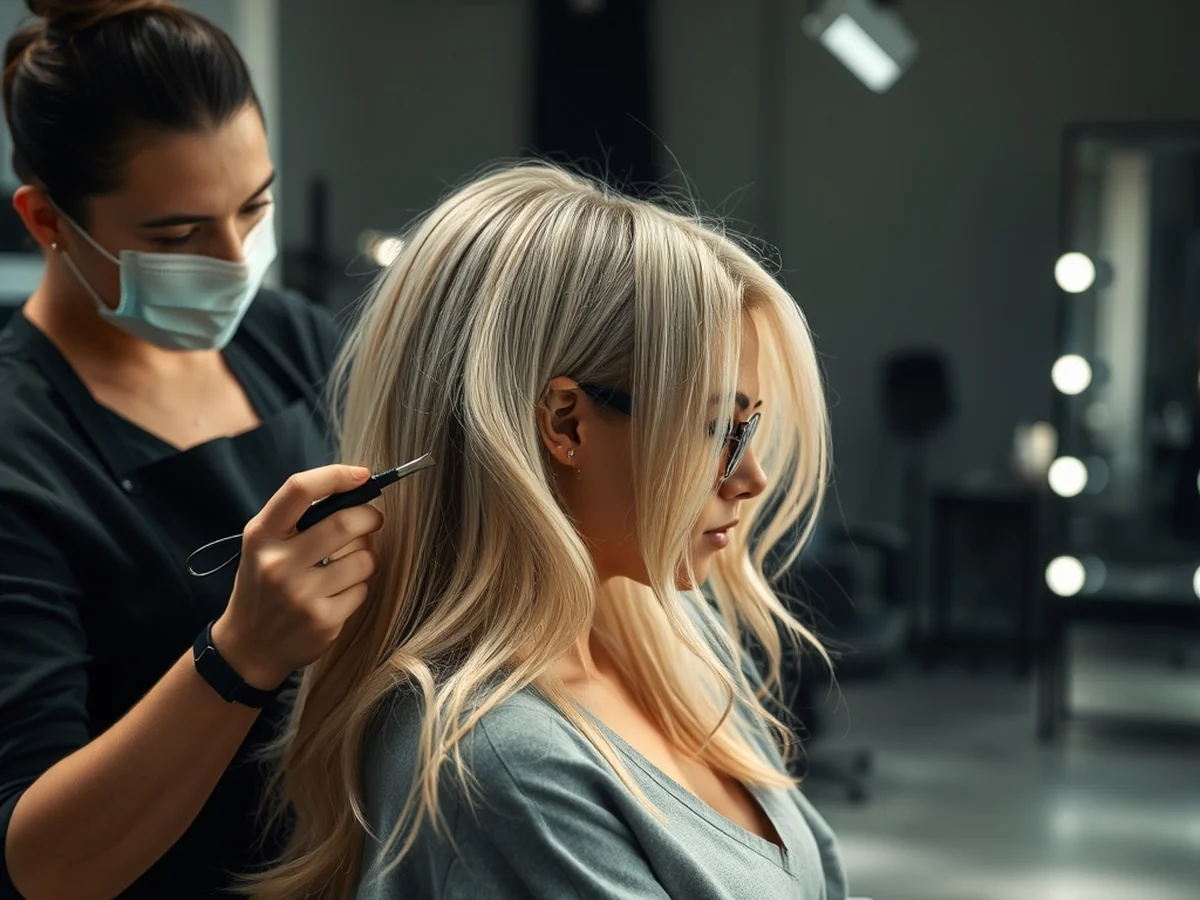
Seek professional intervention when you notice extreme changes in hair texture that at-home care cannot address. While home treatments help with daily maintenance, severe structural compromises require expert assessment.
Consult a professional if you observe these signs of compromised hair integrity:
- Hair that feels gummy or stretches significantly when wet before breaking.
- Consistent snapping or shedding during gentle detangling.
- Uneven porosity that prevents products from absorbing or performing effectively.
- Extreme dryness that persists despite regular deep conditioning efforts.
If your hair feels brittle or unresponsive to your current regimen, a stylist can evaluate the depth of the damage. They may suggest professional-grade treatments or a strategic trim to prevent further breakage.
Combining Treatments Safely
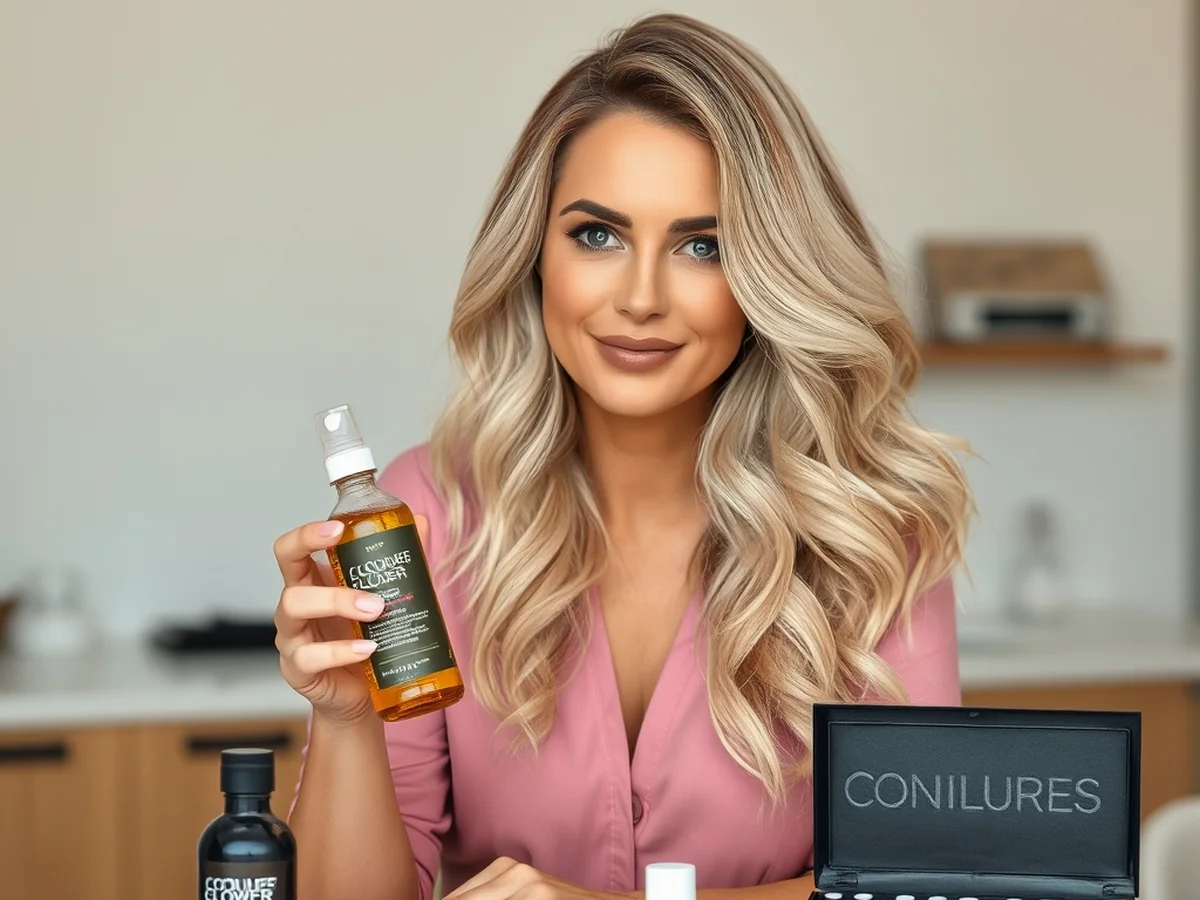
You can safely integrate these products alongside most salon chemical services, as they are generally formulated to work independently of permanent color or relaxer chemistry. Always inform your stylist if you use these at home so they can adjust their professional application accordingly.
To avoid product fatigue, prioritize a rotation that alternates between intensive repair and lightweight maintenance. Layering too many heavy formulas often leads to residue buildup rather than improved hair health. Start with a simplified regimen and increase frequency only if your hair shows signs of needing extra support.
Store these formulas in a cool, dry place away from direct sunlight to maintain their integrity. While they do not have a standard expiration date, they are best used within one year of opening.
FAQ
How often should I use No. 3 on bleached hair?
Most individuals benefit from using this treatment once a week to maintain structural integrity. If your hair shows significant signs of dryness or breakage, you may increase the frequency to two or three times per week until the condition improves.
Can I use too much Olaplex?
Using these products more frequently than directed does not necessarily yield better results and may lead to product buildup on the hair strands. It is generally more effective to follow a consistent, moderate routine rather than applying excessive amounts of product at once.
Does Olaplex reverse bleach damage completely?
Bleach-related damage involves structural changes to the hair that cannot be permanently undone or fully reversed. These products function primarily to support hair health and manage the appearance of damage rather than acting as a permanent restorative cure.
What is the correct order of product application?
Start your routine with the priming treatment, followed by shampoo and conditioning steps. Finish with leave-in styling products or oils to protect the hair from further mechanical stress and heat damage.
Is this routine safe for all hair types?
These products are generally suitable for a wide range of hair textures, including fine, thick, curly, and straight hair. However, individuals with extremely fine hair should monitor how much product they apply to avoid weighing the hair down.
Should I use these products if I have professional chemical treatments?
You can incorporate these products into your care regimen alongside other salon services to help maintain the hair between appointments. Always consult with your professional stylist to ensure your chosen products align with your specific chemical history and hair goals.
Conclusion
The primary decision point for your hair health is determining whether your current needs center on intensive structural repair or daily moisture management. Assess the texture and breakage levels of your hair to decide if you should start with deep treatments or focus on protective maintenance steps. Once you identify these specific needs, you can customize your consistent olaplex routine for bleached hair to better support long term recovery. Moving forward, observe how your hair responds over several weeks and adjust the frequency of your applications to maintain a healthy balance of strength and hydration.
You might also like: K18 Vs Olaplex For Fine Hair K18 Vs Olaplex For Fine Hair