
The Ordinary Hair Care Routine For Beginners
Introduction
Establishing an effective regimen starts with identifying the best the ordinary hair care routine for beginners to support overall scalp health. By adopting the ordinary hair care routine for beginners, you can prioritize ingredient-focused care to address specific concerns through a clinical, minimalist approach.
This guide covers how to integrate active scalp treatments into your existing regimen, ensuring you understand the proper order of application and frequency for the best results. You will learn how to identify the right products for your scalp type, how to layer treatments safely, and the best practices for maintaining long-term scalp health. Whether you are transitioning to active-based care or simply looking to refine your current process, this overview provides the clarity needed to build a consistent and effective routine.
The Ordinary Hair Care Philosophy
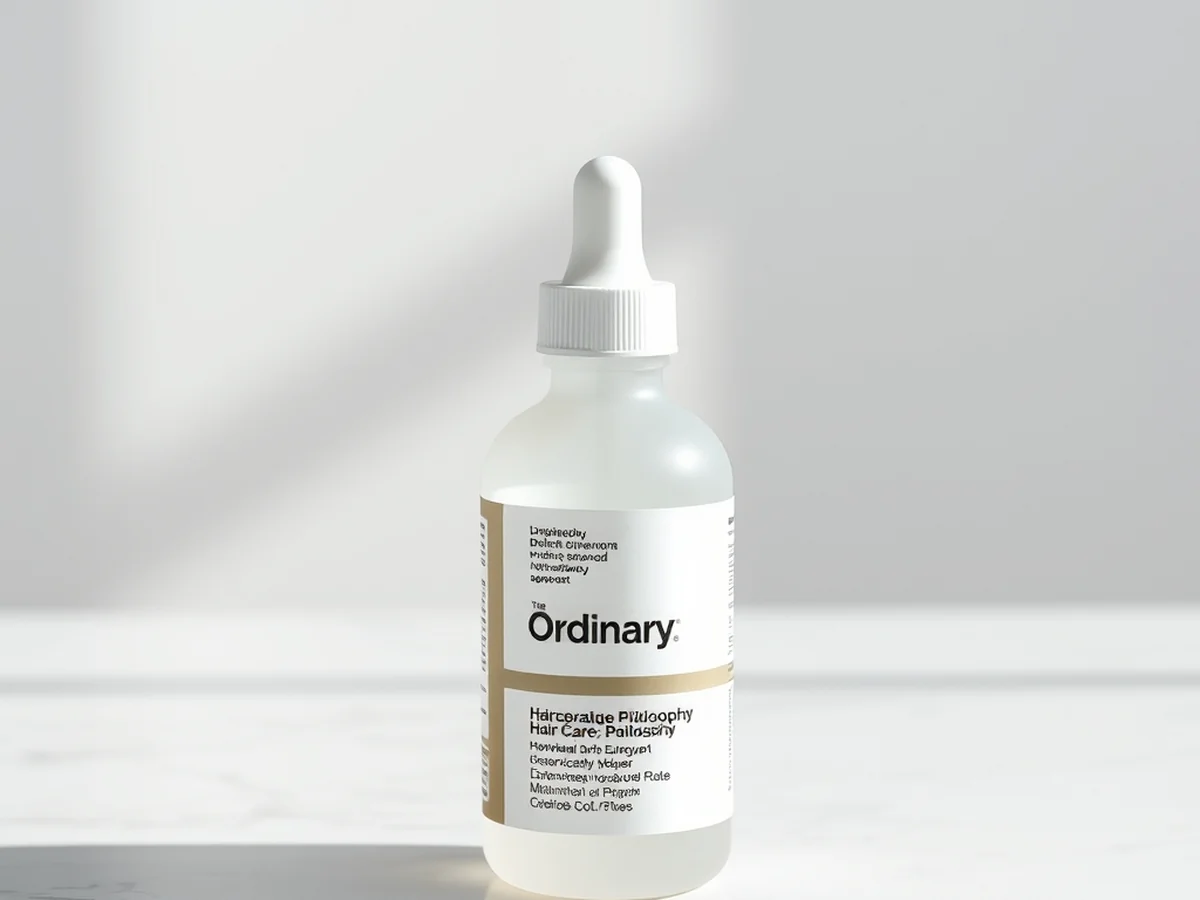
The Ordinary focuses on active-led scalp care rather than traditional hair conditioning, prioritizing ingredients that support the skin health from which hair grows. While conventional methods often emphasize coating the hair shaft with silicones or oils to create the appearance of smoothness, this clinical approach targets the biological environment of the scalp.
Prioritizing the scalp microbiome serves as the essential foundation for healthy hair growth. A balanced, clean environment allows follicles to function optimally, which is critical for long-term hair quality. By shifting attention from the hair strands themselves to the skin surface, this The Ordinary hair care for beginners guide helps you maintain a healthy, supported base for your hair.
Understanding Scalp Needs

Your scalp requires different care than the hair shaft because it is living skin, whereas hair is a structural fiber. While the hair shaft benefits from conditioning and protection against environmental damage, the scalp depends on a balanced environment to support healthy growth.
Maintaining a healthy scalp microbiome is essential for comfort and function. This delicate ecosystem of microorganisms protects the skin barrier, but it can become unbalanced by excess oil, product buildup, or harsh ingredients.
- Healthy scalps feel comfortable, exhibit minimal flaking, and maintain steady oil production.
- Unbalanced scalps often show signs of irritation, persistent itching, excessive dryness, or rapid oil accumulation.
Identifying these differences helps you select the best The Ordinary products for scalp health.
Product Selection Basics
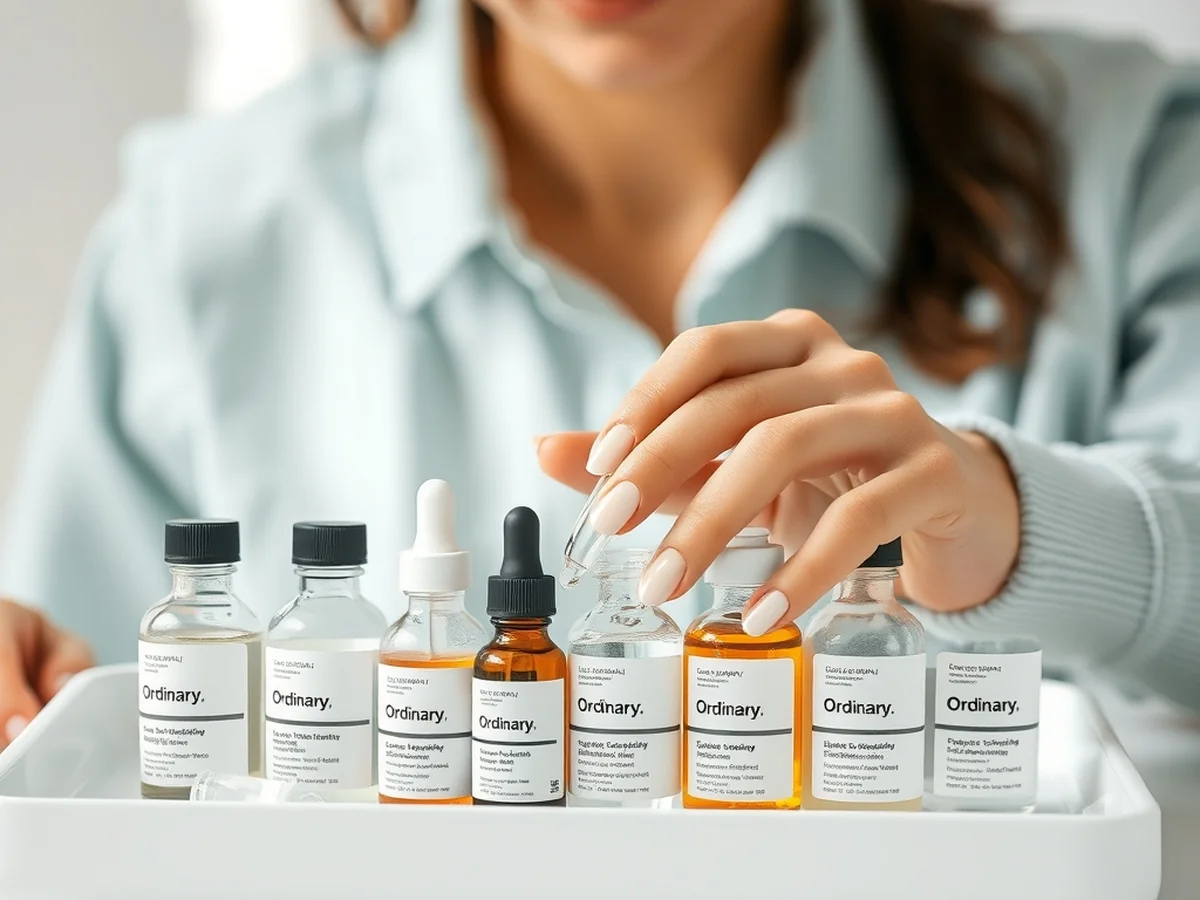
Choosing the right formula depends on your specific scalp needs, such as managing buildup, addressing dryness, or supporting hair density. Active ingredients like salicylic acid help exfoliate the skin surface, while peptides and humectants work to support the scalp microbiome and provide essential hydration.
| Product | Primary Purpose | Target Concern |
|---|---|---|
| Salicylic Acid Treatment | Exfoliation | Scalp buildup |
| Multi-Peptide Serum | Density | Thinning appearance |
| Natural Moisturizing Factors | Hydration | Scalp dryness |
Match your selection to your primary goal, whether that is clarifying the scalp or maintaining long-term moisture levels. Always observe how your scalp responds to new additions to ensure the routine remains comfortable.
Building Your Routine
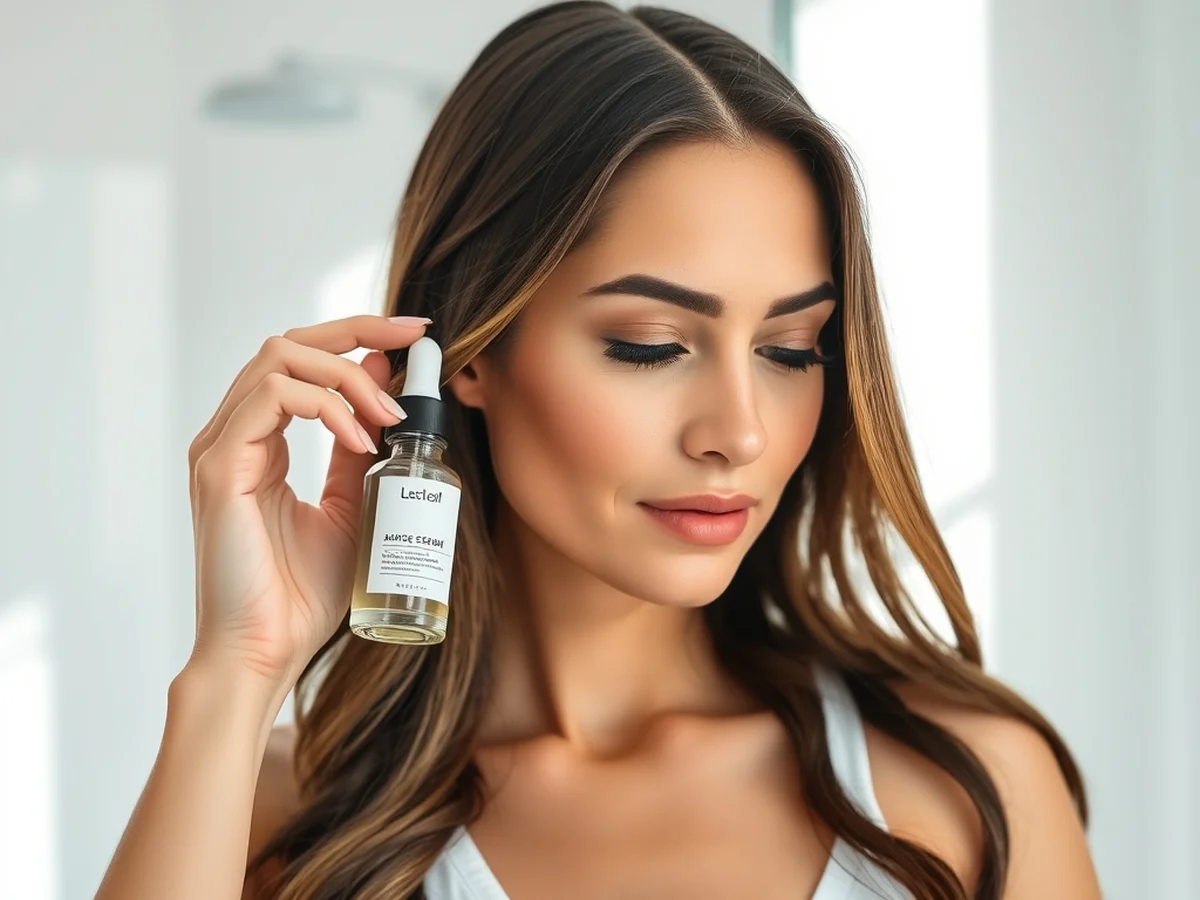
You can successfully start your hair care journey by focusing on scalp consistency and intentional product layering. Establishing a simple regimen ensures you derive the most benefit from your active treatments without overwhelming the scalp microbiome.
- Apply targeted scalp treatments during your evening routine to allow the formulas to absorb overnight.
- Use a light touch when layering, waiting for each serum to dry before introducing additional products.
- Integrate your favorite styling habits after your scalp serum has fully absorbed into the skin.
- Prioritize a consistent The Ordinary Salicylic Acid Scalp Treatment routine to maintain balance before adding more complex density serums.
- Perform dermatological patch testing on a small area of skin before applying any new formula to your entire scalp.
Correct Application Methods

Effective scalp care requires precise distribution to ensure the formula reaches the skin directly rather than coating the hair strands. Follow these steps to master the application process for your scalp treatments.
- Use a fine-tooth comb to create clean, narrow sections across your head to expose the scalp surface.
- Apply the product directly along these parts using a dropper or nozzle to prevent unnecessary waste.
- Use your fingertips to gently massage the serum into the skin using small, circular motions.
- Focus your pressure on the scalp tissue to encourage even distribution and absorption.
- Start with a small amount of product, adding more only as needed to cover the desired areas.
Avoiding Common Mistakes

You can prevent scalp irritation and product buildup by introducing new active ingredients one at a time. Starting slowly allows you to observe how your scalp reacts before increasing frequency.
Over-exfoliation is a significant risk when using acids on the scalp. Using treatments too often may disrupt your scalp microbiome, leading to sensitivity or dryness. It is better to begin with minimal application to monitor for any adverse effects.
- Introduce only one new product at a time.
- Perform a patch test to check for sensitivities.
- Monitor your scalp for signs of irritation or redness.
- Avoid applying excessive amounts of serum to prevent heavy, sticky residue that leads to buildup.
Mixing The Ordinary Products
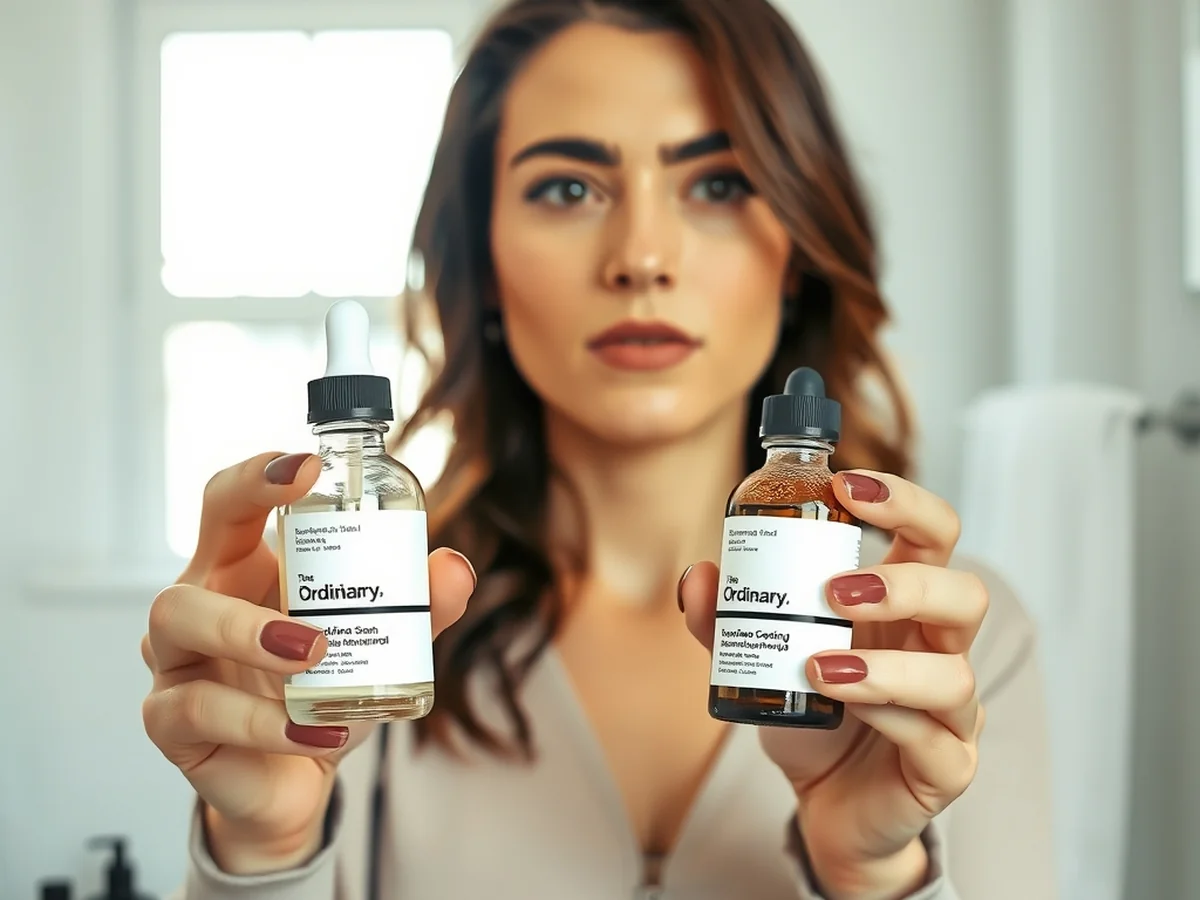
Active scalp treatments can interact with chemical dyes or professional salon services, so timing is essential. If you receive professional color or chemical treatments, wait until your scalp has fully recovered before introducing exfoliating acids or potent serums into your regimen.
When combining these items with other hair products, consider the following:
- Apply active serums directly to the scalp, ensuring they absorb before using heavier styling creams or oils.
- Avoid layering multiple exfoliating products during the same session to prevent potential irritation.
- Pause your routine immediately if you notice redness, burning, or increased sensitivity, as these are signs that your scalp microbiome needs a break.
Always prioritize scalp comfort over strictly adhering to an active treatment schedule.
When To See A Dermatologist

You should consult a professional if your scalp concerns persist after adjusting your regimen or if you suspect a medical condition rather than simple dryness. While basic scalp health issues often respond to adjustments in product application, symptoms like intense itching, bleeding, or unusual patches require expert evaluation.
Distinguishing between temporary dryness and chronic issues is essential. Dryness typically feels like mild flaking and tight skin, whereas medical conditions often present with persistent redness, thick scales, or hair loss. If you notice signs of infection, such as pus or significant swelling, stop using any topical treatments immediately. The American Academy of Dermatology recommends professional assessment for any scalp condition that does not improve with standard care.
FAQ
How often should I use scalp serum?
The frequency of application depends on the specific product and your individual scalp needs. Start with a conservative schedule to see how your skin responds before increasing the frequency.
Can I use The Ordinary hair products on wet hair?
Application instructions vary by product, so always check the specific guidance for the item you are using. Some formulas are designed for dry or damp scalps, while others may perform better on completely dry hair.
Do I need to wash my hair after applying the scalp serum?
Most of these treatments are intended to be left on the scalp rather than rinsed out immediately. If a product feels heavy or uncomfortable, you may adjust the amount you use or consider shifting your application time to the evening.
Which hair products are suitable for an oily scalp?
Products formulated with ingredients like salicylic acid are often chosen for those managing excess oil on the scalp. Incorporating these into your routine can help clarify the area and support a balanced scalp microbiome.
Can I combine different scalp serums in one routine?
Layering multiple active ingredients requires careful observation to ensure your scalp remains comfortable. It is often best to introduce one new product at a time to monitor how your skin reacts before adding more to your regimen.
Conclusion
The main decision point for starting your regimen is determining your primary scalp concern, whether it is hydration or exfoliation. Once you identify your specific needs, you should introduce only one new treatment at a time to monitor how your scalp responds over several weeks. By incorporating these steps gradually, you can build a sustainable, ingredient-focused, the ordinary hair care routine for beginners. The Ordinary Hair Care Routine for Beginners is most effective when you remain consistent and observe any changes in your scalp health before adding additional products to your daily process.
You might also like: How To Use K18 And Olaplex Together How To Use K18 And Olaplex Togethe