Epres vs Olaplex
Introduction
The epres vs olaplex comparison centers on two distinct professional-grade hair treatments designed to address damage caused by chemical processing and environmental stress. Choosing between them depends on your specific hair porosity, the frequency of your heat styling, and your preference for application routines.
This article provides an objective analysis of how these systems function within the hair structure to support internal integrity. You will find a detailed breakdown of the application methods, chemical considerations, and the practical differences between these two approaches to hair care. By examining the structural technology behind each brand, this guide helps you determine which option aligns with your hair maintenance goals.
Epres vs Olaplex: Key Differences
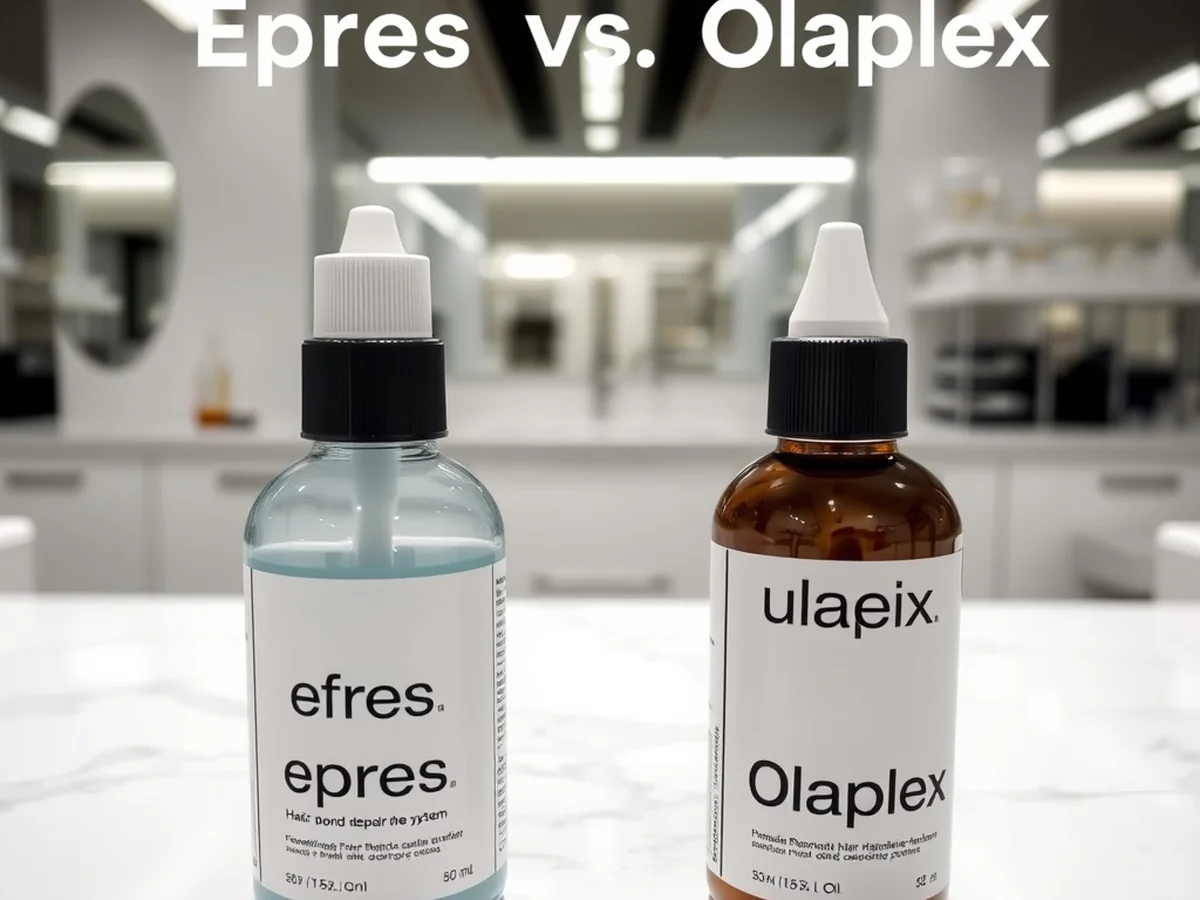
These two systems represent the current market standard for bond repair treatment comparison, though they differ significantly in their approach to hair health. While both aim to address structural damage caused by chemical processing or heat, they utilize distinct methods to target the keratin protein and internal architecture of the hair fiber.
Understanding the objective of this comparison is essential for anyone navigating the crowded landscape of professional hair care. By analyzing the underlying mechanics of these products, you can determine which system aligns better with your specific hair porosity and maintenance routine. This evaluation focuses on:
- The structural repair mechanisms utilized by each brand.
- Differences in application protocols and timing.
- The distinct environmental and chemical philosophies guiding their design.
Bond Building Technology Compared
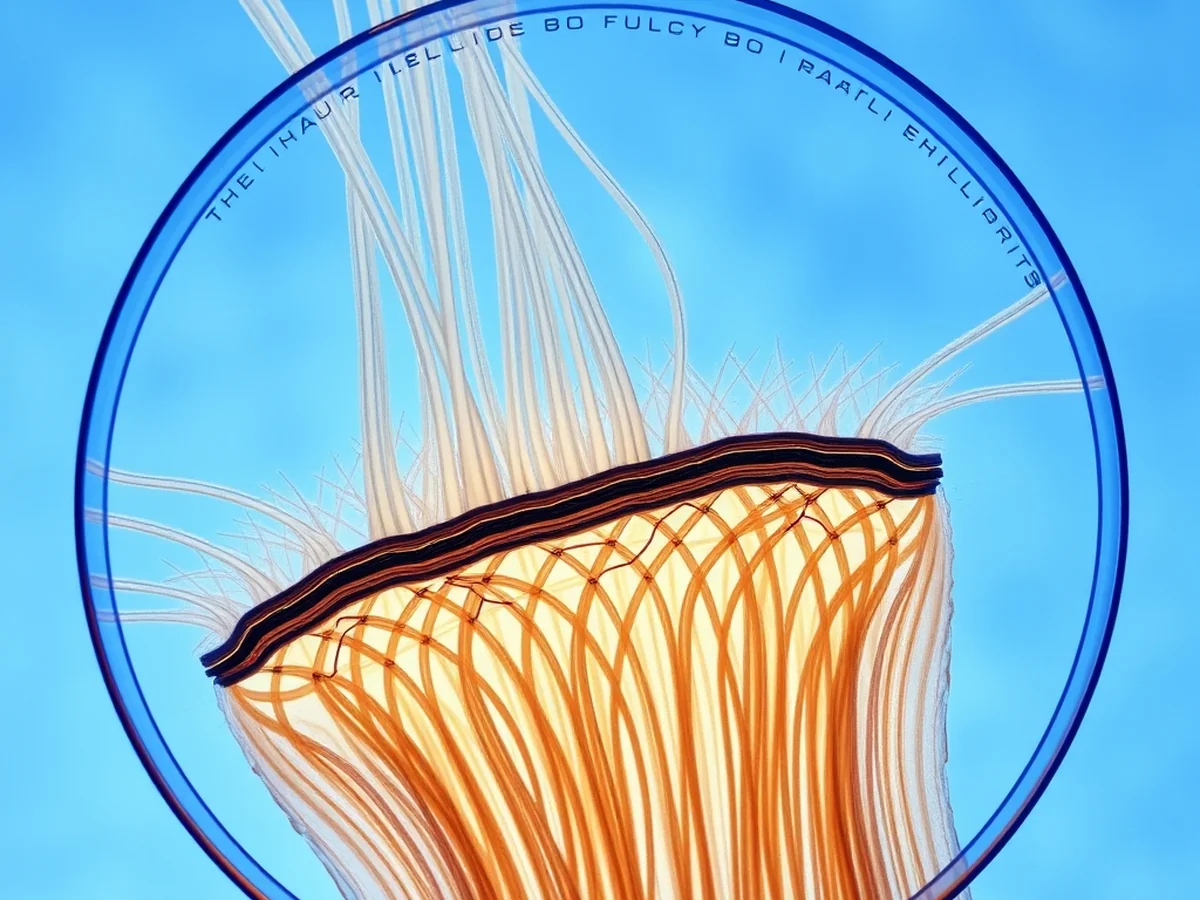
Bond repair systems function by targeting the internal architecture of the hair shaft rather than simply coating the surface. Hair derives its strength from keratin protein chains held together by disulfide bonds. When these internal links break due to chemical, thermal, or mechanical stress, the hair loses its structural integrity, leading to breakage and brittleness.
Modern bond repair products aim to reconnect these fractured sites within the cortex. This differs significantly from superficial conditioning treatments. While traditional masks or oils provide temporary softness by smoothing the hair cuticle and adding moisture, they do not address the underlying damage to the protein structure. Effective bond building treatments are designed to penetrate the hair to reinforce these essential internal connections, offering a more durable solution for compromised strands than surface-level hydration alone.
Application Methods Compared
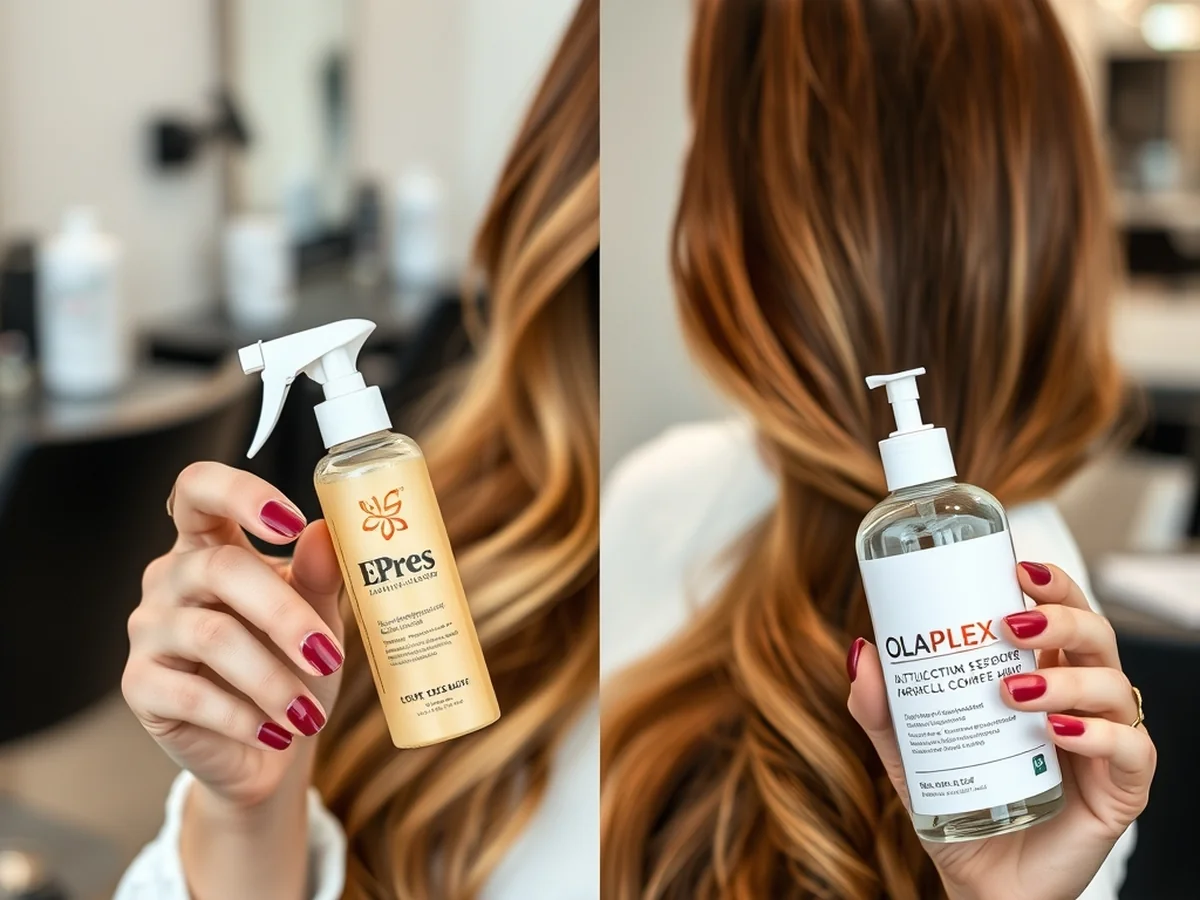
These two hair care systems differ significantly in their approach to application and routine structure. The Olaplex method typically functions as a multi-step system where users follow a specific sequence of products to achieve desired results. In contrast, the Epres approach centers on a liquid concentrate that requires mixing with water in a spray bottle before application. Learning how to use epres bond repair involves filling a reusable spray bottle with the concentrate and water, creating a solution designed for simple distribution through the hair.
| Feature | Olaplex | Epres |
|---|---|---|
| System Type | Multi-step routine | Single concentrate |
| Preparation | Ready to use | Requires mixing |
| Packaging | Standard bottles | Refillable spray |
Selecting the right method depends on your preference for a dedicated step-by-step regimen or a streamlined, concentrated solution.
Ingredient and Formula Profiles
These professional-grade systems approach hair restoration by targeting the internal protein structure through different chemical mechanisms. Each focuses on reinforcing the structural integrity of the hair shaft, though the specific delivery methods and active compounds vary significantly between the two brands.
Olaplex relies on a bond-building technology aimed at addressing disulfide bonds within the keratin protein, a process often utilized following chemical processing. In contrast, Epres employs a distinct approach to hair treatment ingredient analysis, utilizing delivery technology designed to continue its restorative action even after the hair has dried completely. This distinction highlights how each formula interacts with the hair cuticle and porosity over time.
- Both brands maintain a commitment to cruelty-free and vegan standards, ensuring their product formulations align with modern ethical expectations for cosmetic development.
Sustainability and Environmental Impact
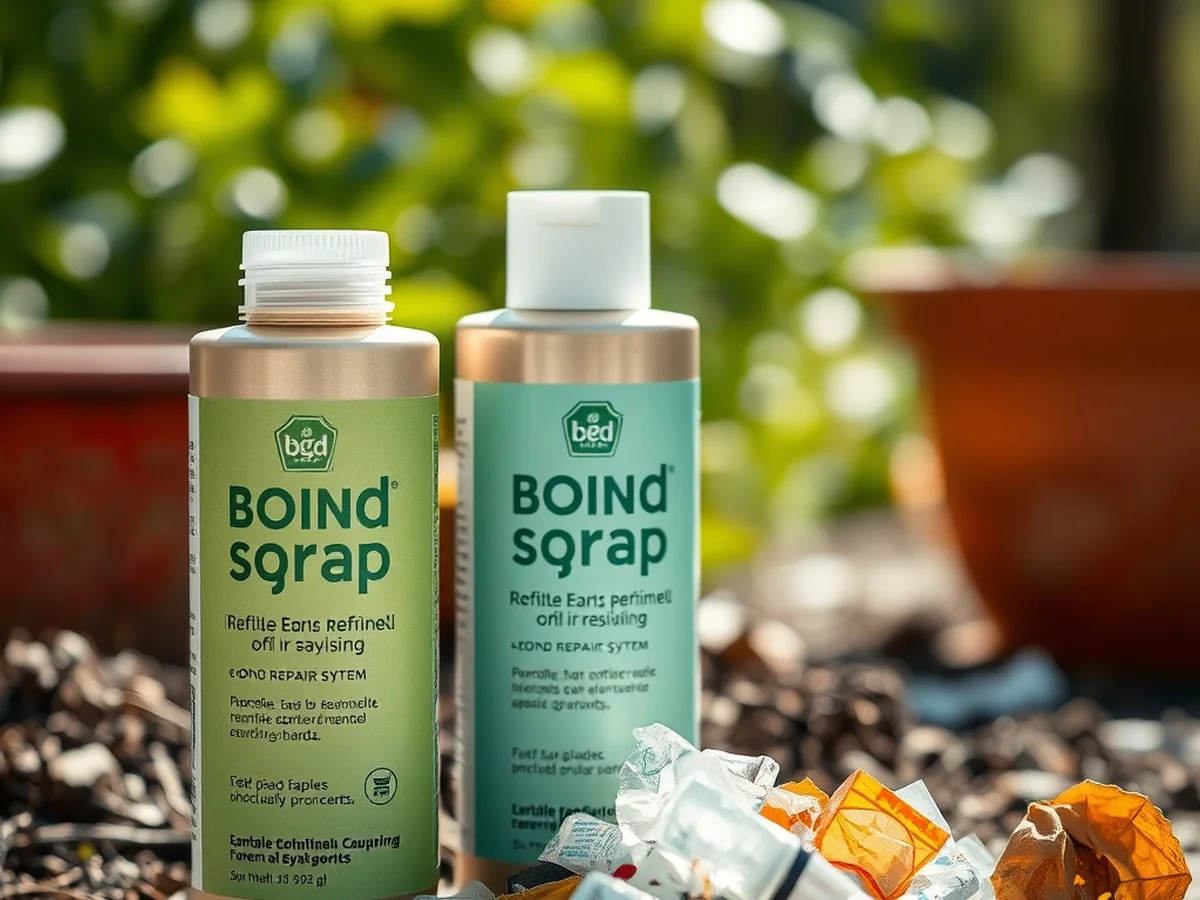
Refillable systems offer a more sustainable alternative to traditional single use packaging by encouraging consumers to reuse durable containers. This approach significantly reduces the volume of plastic waste generated over the product life cycle.
When choosing between these hair repair methods, consider how packaging design influences your personal environmental footprint:
- Refillable concentrates minimize the carbon impact associated with shipping water and bulky plastic containers.
- Traditional packaging often results in more frequent disposal of non-recyclable or contaminated plastic components.
- Sustainable product life cycles prioritize concentrated formulas, which require less material for production and transportation.
Reducing plastic waste is a primary goal for many modern beauty routines. By opting for concentrated systems that utilize reusable sprayers or bottles, you can support a more circular approach to haircare maintenance.
Compatibility and Hair Needs

Both systems are engineered to address structural damage caused by heat, chemical processing, and environmental stressors, though their application methods differ. They are generally suitable for all hair textures, including color-treated and bleached hair, as they focus on reinforcing the internal integrity of the hair shaft.
When choosing the best hair bond builder for damaged hair, consider your hair porosity. High-porosity hair often requires consistent structural support to maintain strength, while low-porosity hair needs formulas that can effectively penetrate the hair cuticle without causing buildup. Both options aim to support hair health, yet they offer different interaction profiles:
- Formulas designed for chemical processing compatibility.
- Treatments effective for heat-damaged strands across diverse textures.
- Options that function differently regarding application timing and rinse requirements.
Common Epres and Olaplex Mistakes
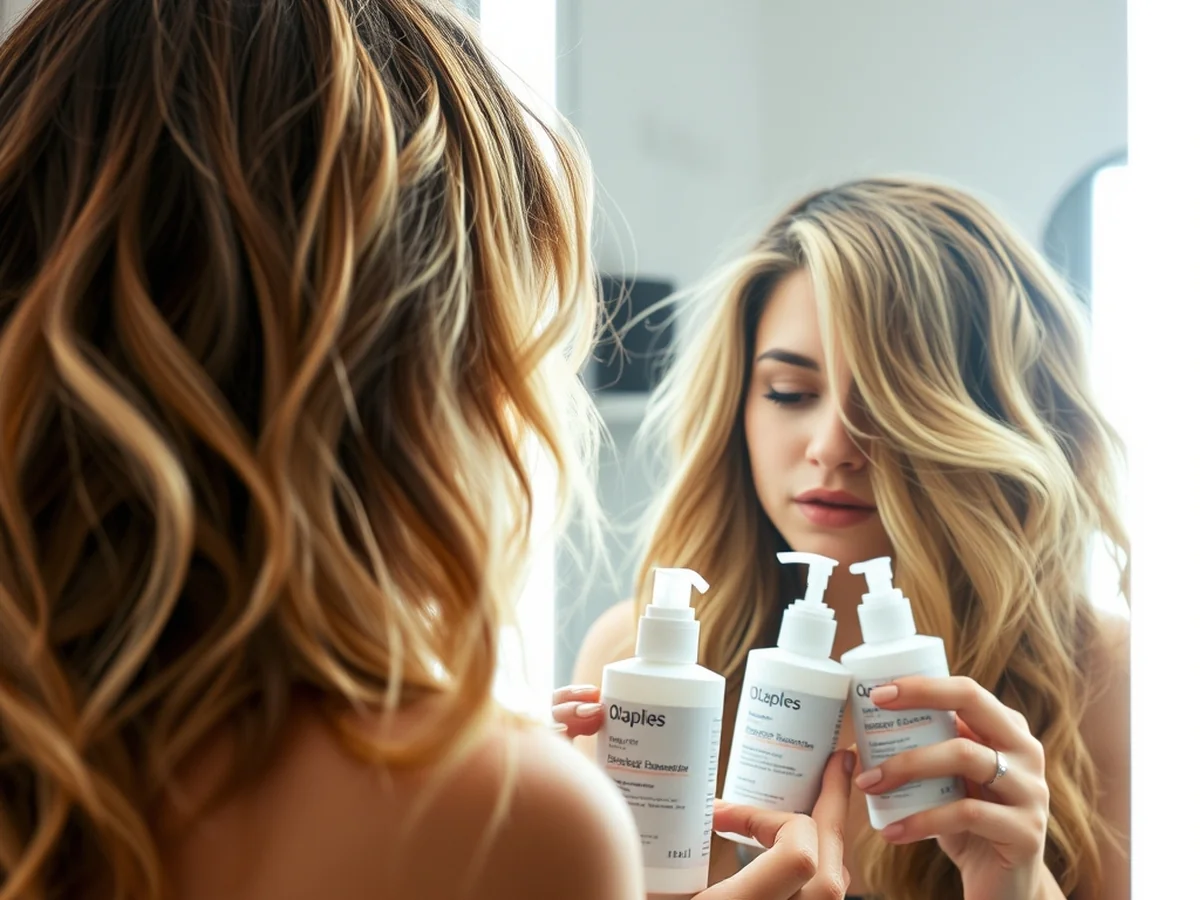
Improper use of these formulas can lead to underwhelming results or unintended hair stress. Avoiding common errors ensures you maintain your hair health when choosing between these bond repair treatment options.
- Applying bond builders too frequently does not accelerate repair and may cause product buildup that weighs down the hair.
- Never treat these products as a substitute for your regular conditioning or moisturizing routine, as they focus on structural integrity rather than hydration.
- Follow the specific application instructions for each system to avoid wasting product or failing to reach the hair cuticle effectively.
- Consult a professional if your hair remains brittle or damaged after consistent use, as you may require specialized salon intervention.
- Avoid mixing different bond-building systems unless advised by a stylist, as formulas are designed to work within their specific chemical frameworks.
FAQ
Can you use Epres and Olaplex together in the same hair care routine?
Using both products simultaneously is generally not recommended as they may interfere with the intended performance of each bond repair treatment. It is usually best to choose one system to monitor how your hair responds to its specific formulation.
Which product is better for color-treated hair?
Both systems are widely used by those with color-treated hair to help maintain structural integrity during and after chemical processing. The choice often comes down to your personal preference for application methods and your specific hair porosity needs.
How often should I apply these bond repair treatments?
Frequency depends on the current state of your hair and the specific product instructions provided by each brand. Most users incorporate these treatments once a week or as needed to address signs of damage from heat styling or chemical services.
Are these products safe for all hair types?
These treatments are generally formulated to be suitable for all hair textures, ranging from fine and straight to thick and coily. However, those with specific scalp sensitivities should always review the ingredient list before initial application.
Does Epres or Olaplex focus more on moisture?
These products are primarily designed for structural bond repair rather than deep moisture restoration. If your hair feels dry, you may need to supplement these treatments with a separate conditioning mask to balance hydration levels alongside structural care.
Conclusion
Choosing between these two options depends primarily on your preferred application routine and your commitment to a specific repair methodology. If you value a simplified, single-step process that continues to work after the hair dries, you might lean toward one system, whereas those who prefer a traditional, multi-step regimen may find the other more suitable for their needs. When evaluating epres vs olaplex, consider how much time you are willing to dedicate to your weekly hair care routine and whether you prioritize the convenience of a concentrated refill system. Testing a travel-sized version of each can provide the best insight into how your hair responds to the specific repair approach of each formula.
You might also like: Epres Bond Repair Treatment Review: Is It Worth It?