Dry Hair Tips: 15 Easy Ways to Add Moisture and Shine
Introduction
Applying the right dry hair tips helps restore natural moisture and shine to brittle strands using accessible home routines. Practical adjustments to your washing schedule and styling habits make a noticeable difference in overall texture.
This guide covers fifteen actionable methods to hydrate dry hair naturally and repair daily damage. You will learn how to select proper products, minimize environmental stress, and incorporate nourishing oils into your routine.
Understanding the Causes Behind Dry and Brittle Hair

Dry and brittle hair occurs when strands lose their essential moisture and natural oils, leaving the hair cuticle raised and vulnerable. When the outer protective layer of the hair lifts, internal hydration escapes much more easily, resulting in rough textures, frizz, and a dull appearance. Identifying the root causes is an essential starting point for anyone looking to hydrate dry hair naturally and restore overall strand health.
Environmental factors are among the primary triggers for moisture depletion. Constant exposure to harsh weather conditions, ultraviolet rays, and hard water mineral buildup can severely compromise the hair cuticle over time. Hard water leaves microscopic mineral deposits on the strands, which blocks moisture from penetrating and makes hair feel stiff and unmanageable.
Daily maintenance and styling routines also contribute significantly to damage. Frequent washing strips away the scalp oils that naturally condition the hair, while high heat styling tools dehydrate the cortex. Chemical processing further weakens the structural integrity of the hair fibers.
To prevent ongoing damage, practical adjustments make a substantial difference in daily routines:
- Reduce washing frequency to allow natural scalp oils to travel down the hair shaft.
- Lower styling tool temperatures and always apply protective products beforehand.
- Evaluate shower water quality to address mineral accumulation.
A common mistake is treating only the ends of the hair while ignoring the scalp, which is where healthy growth and natural oil production originate. Incorporating gentle scalp care and recognizing how environmental and styling factors interact helps set a reliable foundation for effective at home repair strategies.
Checking Hair Porosity for Dryness
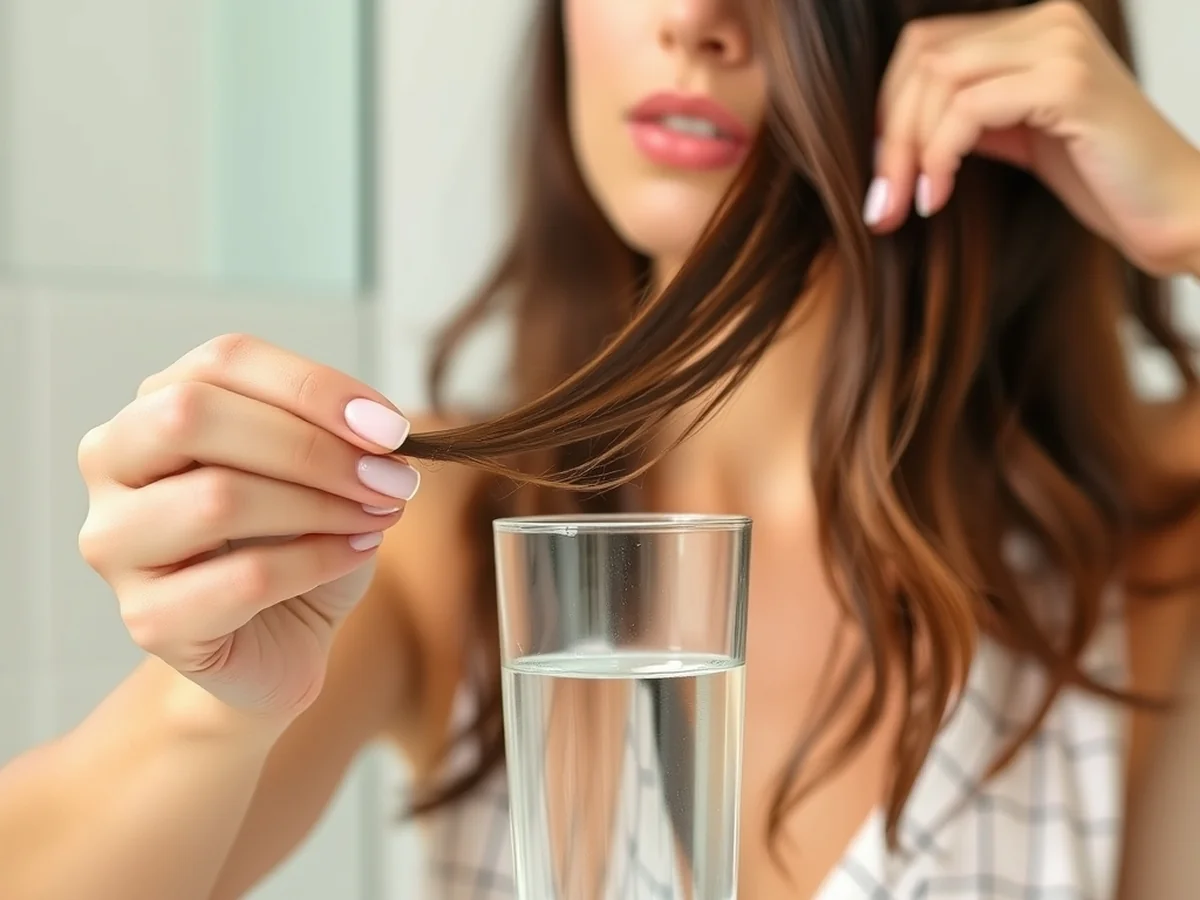
Hair porosity determines how well your strands absorb and retain moisture, which directly shapes how you should care for your locks. When looking for dry hair tips, understanding this structural trait prevents you from using heavy products that just sit on the surface or lightweight formulas that evaporate too quickly. You can tailor your routine by matching specific oil types and hydrating agents to your unique hair structure.
- Low porosity strands feature tightly bound cuticles that resist water, meaning you should use lightweight humectants and gentle heat during conditioning to open the layer.
- Medium porosity hair absorbs and holds moisture easily, responding well to balanced, everyday hydrating agents and standard conditioning products.
- High porosity strands have gaps in the cuticle layer that let moisture enter quickly but escape just as fast, requiring heavier sealants to lock hydration in place.
- Argan oil works wonderfully for medium to low porosity structures because it nourishes without weighing fine textures down.
- Heavier butters and rich oils suit high porosity hair best, as they form a protective barrier over raised cuticles to stop moisture loss.
- Adjusting your oil selection based on your specific porosity level bridges the gap left by generic routines and transforms brittle textures into shiny, healthy strands.
Optimizing Washing Frequency and Choosing Gentle Cleansers
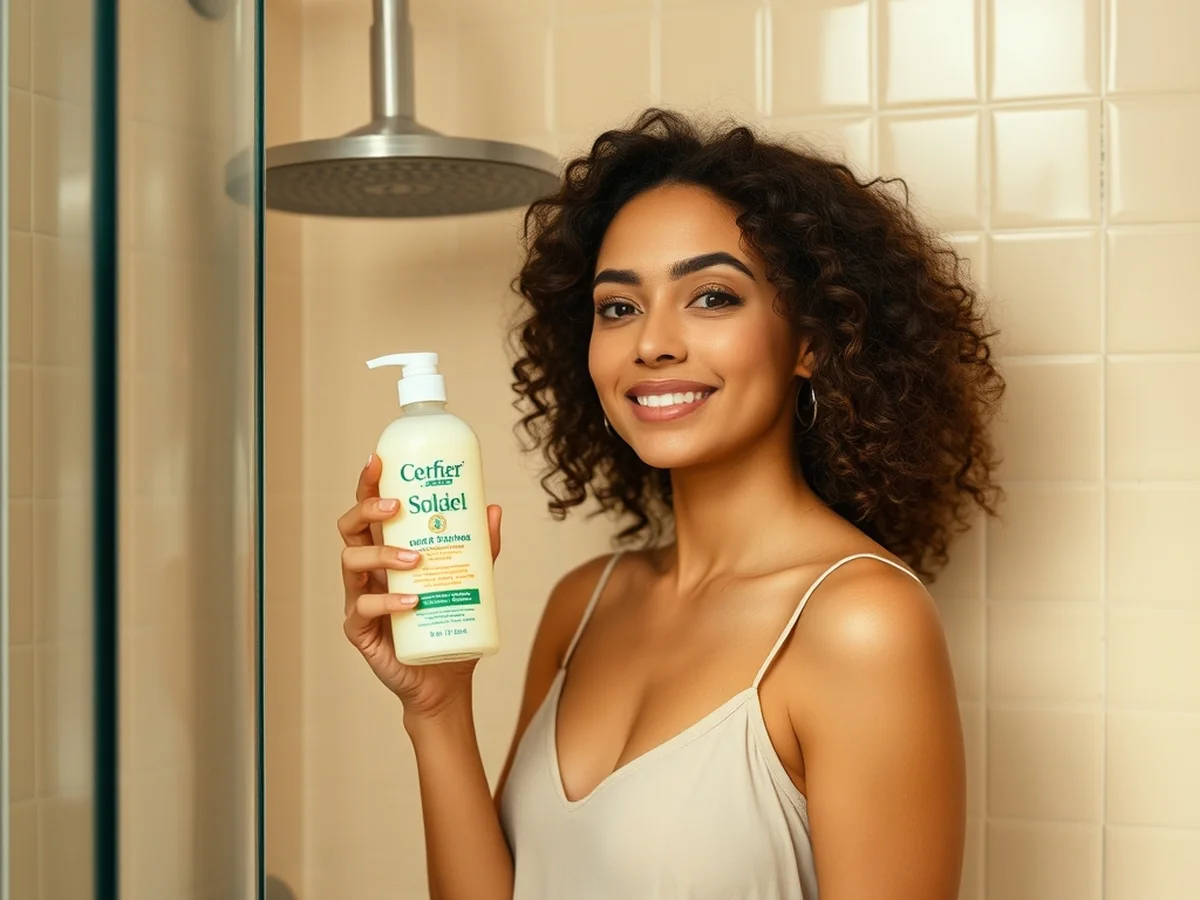
Wash your hair less frequently to preserve the natural oils that your scalp produces to keep strands hydrated. Cutting back on routine lathering prevents your hair from losing its protective barrier, making it one of the most effective strategies for how to moisturize dry hair at home. Finding the right balance depends on your hair type and lifestyle, but reducing washes allows natural sebum to travel down the hair shaft.
Selecting the Right Cleansing Products
Selecting the right products is just as important as timing your washes, particularly because harsh detergents strip away essential moisture. Incorporating a sulfate-free shampoo into your routine helps cleanse the scalp without depleting its natural hydration levels. This approach supports overall hair health and pairs well with a nourishing deep conditioner when your strands need extra care.
Mastering Proper Washing Technique
Proper cleansing technique plays a massive role in maintaining moisture balance during wash days. Simple adjustments to your shower routine can prevent unnecessary breakage and dryness while keeping your scalp clean and comfortable.
- Focus your shampoo entirely on the scalp rather than scrubbing the mid-lengths and ends of your hair.
- Allow the suds to gently run down the length of your strands as you rinse instead of rubbing the hair fibers together.
- Use lukewarm water for washing because hot water opens the hair cuticle and releases trapped moisture.
- Rinse your hair thoroughly to ensure no product residue lingers on the scalp or strands.
After washing, consider how you dry your hair. Swapping a traditional cotton towel for a microfiber towel reduces friction and helps retain moisture. Incorporating these gentle habits into your routine creates a solid foundation for how to fix damaged hair at home and keeps your locks looking vibrant.
Mastering Deep Conditioning and Hydrating Treatments
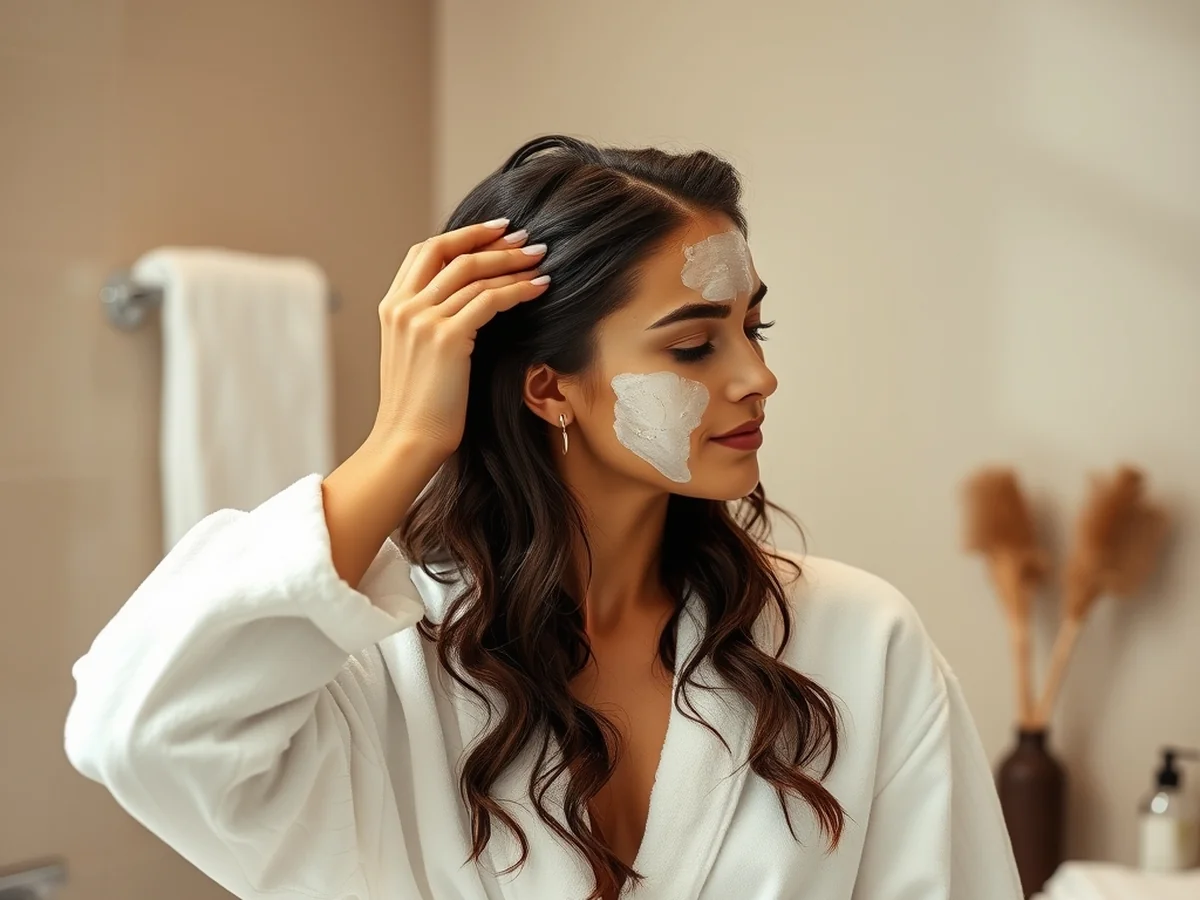
Reviving parched strands requires incorporating a rich deep conditioner into your regular routine to restore essential lipids and smooth the cuticle layer. Regular intensive moisture treatments also shield the hair fiber from environmental stressors and prevent future breakage. Knowing how to fix damaged hair at home successfully depends on precise application techniques that ensure maximum product penetration from mid-lengths to ends, especially when you want to hydrate dry hair naturally.
Step by Step Application for Maximum Moisture
Follow these practical steps to apply your hydrating treatment correctly for the best results:
- Wash your hair with a gentle, sulfate-free shampoo to remove buildup and open the cuticle for better absorption without stripping natural oils.
- Gently squeeze out excess water with a microfiber towel so the product does not slip off dripping wet strands.
- Scoop a generous amount of the deep conditioner into your palms and rub them together before distributing.
- Work the formula evenly through your hair, focusing heavily on the ends where damage is most severe.
- Comb through the strands with a wide-tooth comb to ensure every section is coated properly.
- Leave the product on for the recommended duration, using a shower cap to trap natural body heat if desired.
- Rinse thoroughly with cool water to seal the cuticle and lock in brilliant shine.
Tailoring Treatments to Your Hair Needs
Understanding how to moisturize dry hair often comes down to recognizing your specific hair porosity and overall texture. If your strands struggle to absorb moisture, choosing the best treatments for brittle hair involves selecting formulas rich in emollients like argan oil that seal the outer layer. Applying these intensive masks weekly helps maintain softness, reduces frizz, and supports long-term hair resilience against daily mechanical stress.
Enhancing Your Moisture Routine
Pairing your deep conditioning sessions with supportive habits makes a noticeable difference in texture. Sleeping on a silk pillowcase prevents friction that robs strands of essential hydration overnight. Additionally, applying a lightweight leave in treatment or incorporating gentle scalp care prevents dryness at the root level, ensuring your hair remains balanced from root to tip throughout every seasonal transition.
Harnessing Natural Oils and Leave In Treatments

Hair oils do not actually add moisture to your strands, but instead act as a sealant to lock existing hydration inside the hair cuticle. Water is the only true source of moisture, meaning oils work best when applied to damp hair. Understanding this fundamental rule helps you restore moisture to parched strands without relying on heavy products that only coat the surface.
When selecting a product, consider your individual hair porosity to determine how well your strands absorb and retain hydration. Fine textures often benefit from lightweight formulas, while coarser textures can handle richer oils. Incorporating argan oil into your daily routine helps smooth stubborn frizz and impart a healthy, glossy shine without weighing down your strands.
Lightweight leave in treatments offer ongoing daily hydration maintenance between wash days, functioning as some of the best treatments for brittle hair. These protective formulas shield your locks from environmental stressors while keeping them soft and manageable. To achieve the best results, apply a small amount to mid lengths and ends, working upward rather than saturating the roots.
A common mistake when using oils and leave in treatments is applying them to completely dry hair, which prevents proper moisture absorption and leaves a greasy residue. Always start with damp strands, use a conservative amount to avoid buildup, and layer your products correctly to maintain optimal hydration throughout the week.
Hydrating Your Scalp for Dry Hair
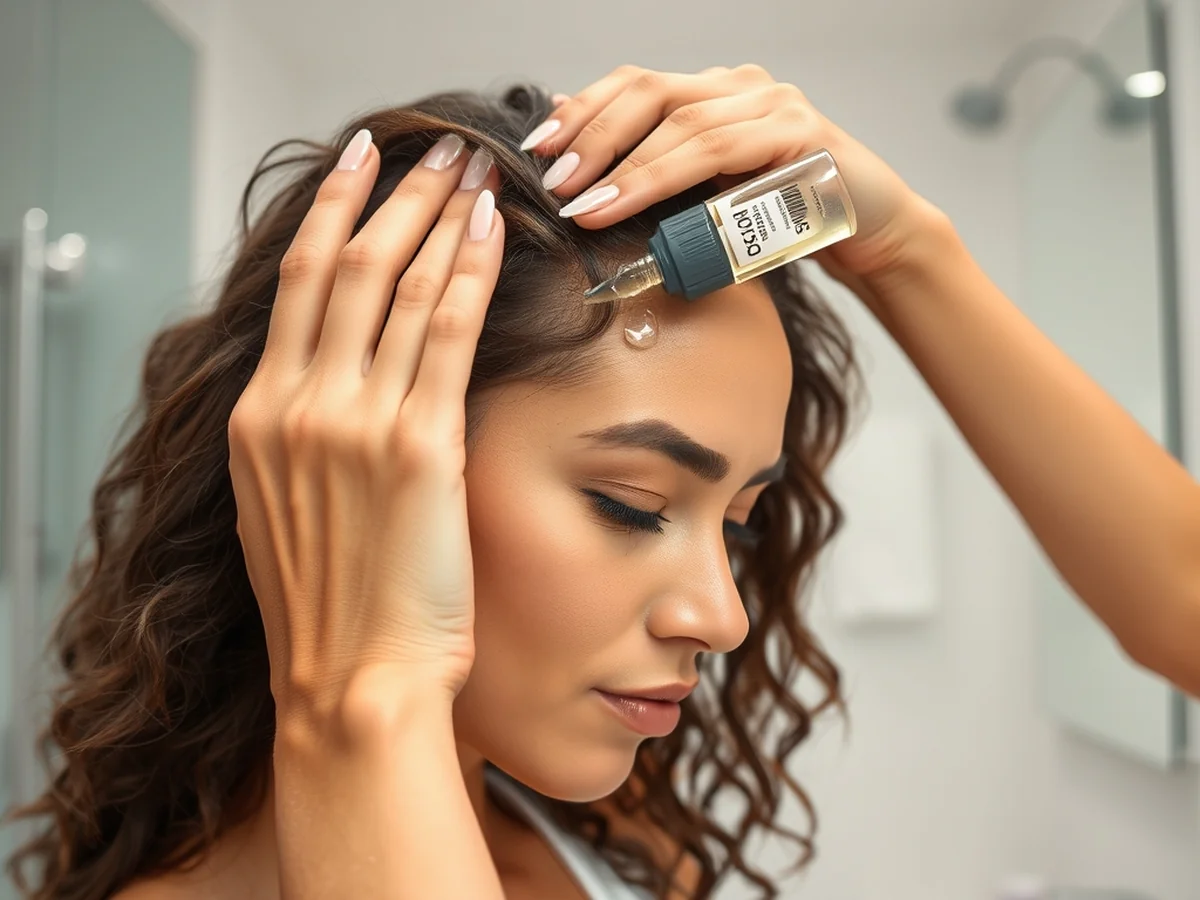
Hydrating your scalp is essential for overall hair health because it creates the right environment for producing natural oils that coat and protect your strands. When exploring effective dry hair tips, focusing directly on scalp care often yields the most noticeable improvements in moisture and shine. A healthy scalp naturally produces sebum, which travels down the hair shaft to prevent excessive dryness and brittleness. Routine scalp care prevents flaking and irritation while supporting stronger hair growth from the roots, making it a foundational step if you are wondering how to moisturize dry hair without weighing it down with heavy styling products.
Massage Techniques for Better Circulation
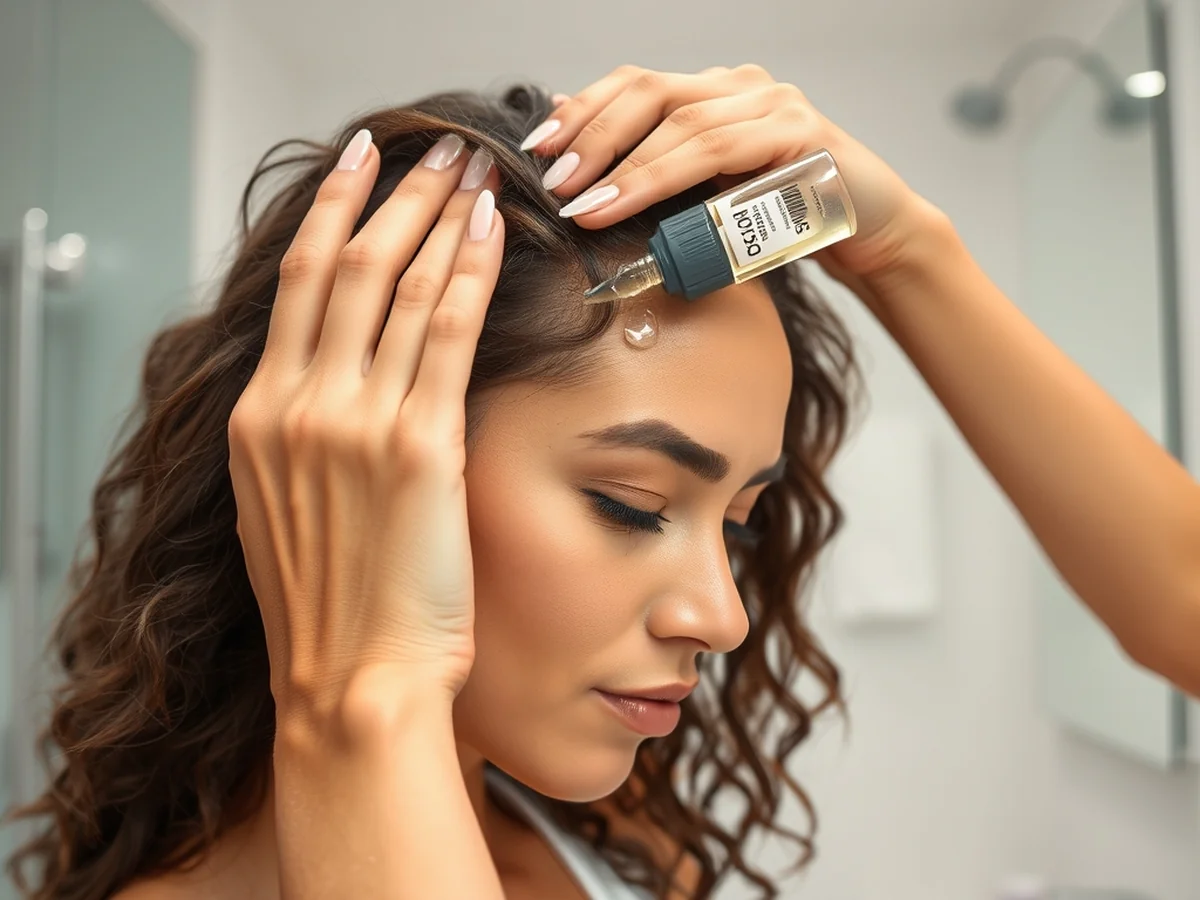
Simple scalp massage techniques stimulate blood flow to the hair follicles, which encourages the natural oil production needed to restore moisture to parched strands. You can perform these massages using your fingertips in gentle, circular motions across the entire scalp for a few minutes before washing. For an added boost of nourishment during this step, working a small amount of argan oil into your fingertips helps condition the skin and smooth frizzy ends simultaneously. This practice also relieves tension and prepares the skin to receive subsequent treatments more effectively.
Balancing Moisture and Cleansing Habits
Consistency matters greatly in this routine, but certain common mistakes can hinder your progress. Avoid scrubbing the scalp too aggressively with your fingernails during washing, as this causes irritation and strips away protective oils. Additionally, ensure you rinse out all shampoo and conditioner completely to prevent product buildup, which suffocates the follicles and blocks natural moisture. Incorporating a short massage during your regular wash days helps distribute natural oils more evenly, transforming your overall approach to hair maintenance without requiring extra effort.
Choosing the Right Oils for Your Hair Porosity
Understanding your hair porosity plays a vital role in selecting the right oils and leave in treatments for your specific routine. Low porosity hair often requires lighter oils that penetrate easily without sitting on the surface, while high porosity strands benefit from richer formulas that seal the cuticle and lock in hydration. Pairing these tailored oils with a sulfate-free shampoo prevents further stripping of natural lipids, ensuring your scalp stays balanced and comfortable between wash days.
Removing Hard Water Buildup

Removing hard water mineral buildup requires a thoughtful combination of water filtration and targeted washing habits to stop heavy minerals from blocking moisture. Tap water often contains high levels of calcium and magnesium that leave a microscopic film on individual strands, which prevents hydration from penetrating the hair shaft and leaves locks feeling rough and brittle. Understanding why this happens helps you choose the right approach for your routine and brings you closer to restoring softness effectively.
Addressing Water Quality at the Source
Installing a specialized shower water filter removes these harsh minerals right at the source before the water ever touches your head. This simple upgrade stops mineral accumulation and helps restore natural softness over time. Pair this physical barrier with adjustments to your wash day routine to protect your strands completely. Water quality plays a major role in overall hair health, making filtration a foundational step when you want to bring back lasting moisture.
Practical Steps for Mineral Removal
Practical steps to address mineral accumulation at home include:
- Using a clarifying or chelating cleanser periodically to strip away deposited mineral layers.
- Rinsing with cooler water to help close the cuticle and seal out lingering impurities.
- Following up with a deep conditioner to restore lost hydration after cleansing.
A common mistake when tackling hard water issues is relying solely on standard moisturizing products without addressing the source of the problem. If minerals continue to coat the hair, even the best treatments cannot penetrate effectively. Incorporating a sulfate-free shampoo for your regular washes, along with targeted treatments, ensures your hair can actually absorb and retain the moisture it needs to overcome brittle textures.
Mitigating Heat Styling Damage and Environmental Stressors

Heat styling tools alter the internal structure of parched strands by breaking down essential moisture bonds, leaving hair increasingly fragile and prone to breakage. When applied directly to vulnerable locks, high temperatures strip away natural protective oils. This process weakens the cuticle layer, which allows internal hydration to escape more rapidly. Understanding how heat affects parched strands is essential when you want to know how to fix damaged hair at home and restore smooth texture.
Thermal Protection Fundamentals
Shielding your locks from thermal tools and outdoor elements requires a few practical adjustments to prevent further moisture loss. Always apply a reliable heat protectant spray throughout your damp strands before using any blow dryers or flat irons to create a barrier against thermal stress. Lowering the temperature settings on your styling appliances further minimizes damage to fragile cuticles, and limiting your weekly use of hot tools gives your hair adequate time to rest and recover between styling sessions.
Defending Against Outdoor Elements
Environmental stressors like sun exposure, wind, and swimming pools can deplete moisture levels just as quickly as styling tools. Wearing a wide-brimmed hat or a UV-blocking scarf when spending extended periods under direct sunlight protects the cuticle from UV degradation. On particularly windy days, tie your locks back loosely into a braid or bun to prevent excessive tangling and physical friction. Always rinse your strands thoroughly with clean water after swimming in chlorinated pools or saltwater environments to prevent mineral and chemical residue buildup.
Common Mistakes to Avoid
A frequent error during styling is applying high heat to completely dry hair without any protective preparation, which instantly fractures weakened moisture bonds. Another common misstep is skipping the protective rinse after swimming, allowing chlorine or salt to sit on the cuticle and draw out remaining hydration. Incorporating these protective measures into your daily routine helps preserve natural hydration and keeps vulnerable strands looking smooth. When environmental exposure is unavoidable, simple barriers make a significant difference in maintaining overall hair strength and vitality.
Reducing Friction with Silk Pillowcases and Microfiber Towels
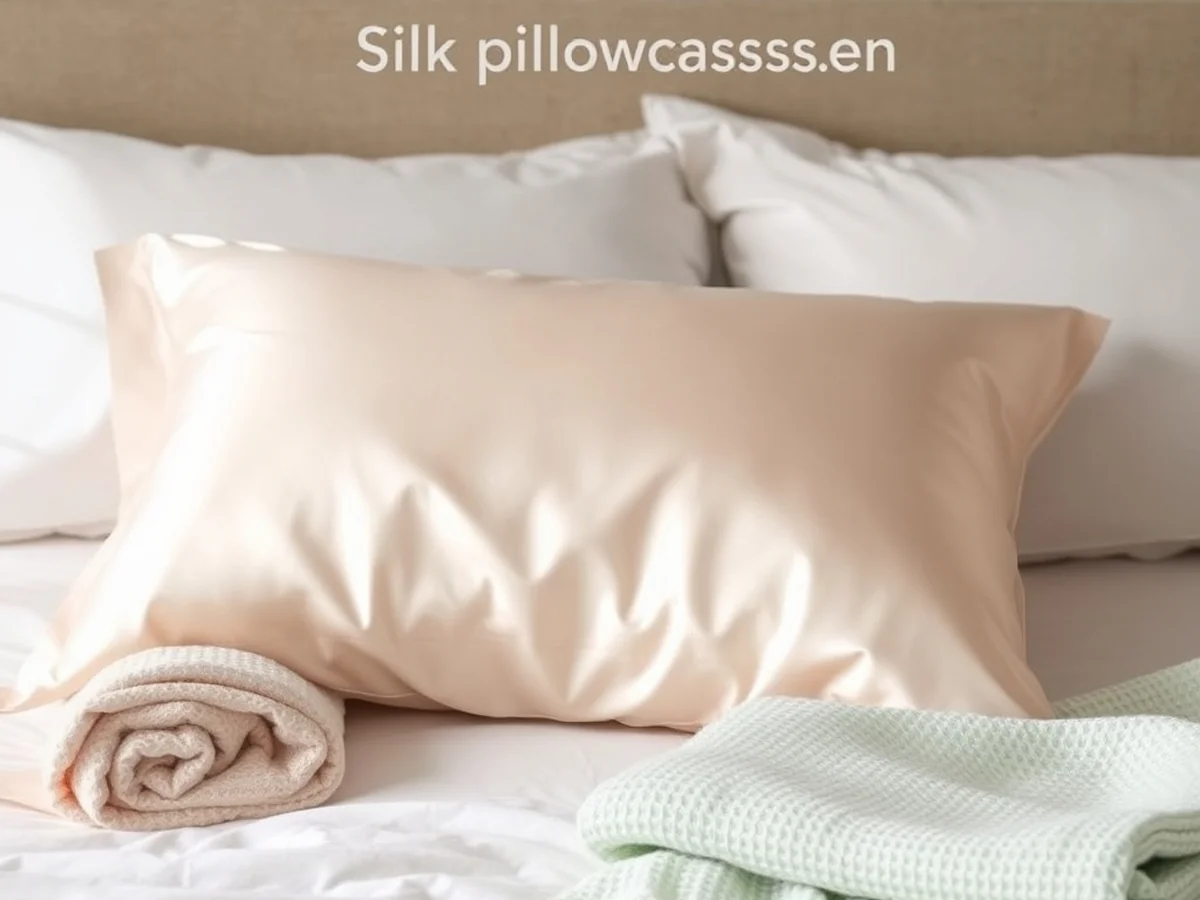
Minimizing friction during sleep and drying routines is essential for maintaining moisture, making these dry hair tips particularly useful for fragile strands. Traditional cotton fabrics absorb natural oils and catch on the hair cuticle as you move during the night, leading to frizz and breakage by morning. Upgrading your bedding and drying tools helps preserve natural hydration without requiring complicated routines.
The main reason to switch materials lies in surface texture. Rough weaves pull at the outer layer of the hair, while smoother alternatives allow strands to glide easily. This simple swap supports your broader goals of restoring and strengthening vulnerable areas.
Here are practical steps and nighttime habits to protect your strands:
- Sleep on a silk pillowcase to prevent moisture absorption and reduce friction while you toss and turn.
- Wrap wet locks gently in a microfiber towel instead of rubbing them with a standard rough towel to absorb water safely.
- Secure hair in a loose, high ponytail or use a soft fabric scrunchie before bed to avoid tangling.
- Braid hair loosely overnight to keep strands smooth and prevent constant friction against the bedding.
- Apply a small amount of nourishing argan oil to your ends before sleep to lock in extra hydration and smooth the cuticle.
A common mistake is rubbing wet hair vigorously with a terrycloth towel, which lifts the cuticle and causes immediate breakage. Instead, press the microfiber towel gently along the length of the hair to remove excess water. Combining these gentle drying habits with a silk pillowcase creates a low-impact routine that keeps brittle strands safe from unnecessary wear and tear.
Changing Routine for Seasonal Dryness

Shifting humidity levels, indoor heating, and outdoor weather extremes directly alter how moisture is retained throughout the year. Adjusting your regimen as the seasons change protects vulnerable strands from environmental stress and prevents long term damage. Building a flexible hair care schedule allows you to address fluctuating temperatures proactively rather than reacting to sudden breakage.
Adapting Your Regimen for Colder Months
Winter months bring cold air and dry indoor heat that rapidly sap natural oils from each strand. Combat this drop in moisture by incorporating rich conditioning formulas, a nourishing deep conditioner, and a protective silk pillowcase into your weekly routine. Shielding your head with a scarf during freezing outdoor trips prevents physical friction and moisture loss. When following dry hair tips for winter, reducing wash frequency helps preserve natural oils while switching to a sulfate-free shampoo prevents further stripping.
Managing Summer Stress and Environmental Exposure
Summer weather introduces distinct challenges like intense sun exposure and frequent swimming. Swapping lightweight daily formulas for moisture focused products helps maintain hydration balance during warm months. Rinsing your hair with cool water after swimming in chlorinated pools or saltwater stops chemical buildup before it starts. Paying close attention to how your hair reacts to shifting forecasts ensures your strands remain resilient throughout every season of the year.
Transitioning Products Based on Hair Needs
As weather patterns shift, understanding your hair porosity guides you in selecting appropriate oil types, such as argan oil, to lock in hydration effectively. Incorporating a microfiber towel for gentle drying and applying a heat protectant spray before styling minimizes daily wear and tear. By evaluating your routine continuously, you can easily restore lasting moisture to parched locks and maintain healthy hair all year long.
Frequently Asked Questions About Managing Dry Hair
How can I revive dry and damaged hair at home?
You can revive dry and damaged hair at home by using a deep conditioner weekly and applying a leave in treatment to damp strands. Incorporating simple dry hair tips like reducing heat tool use and sleeping on a silk pillowcase will also help restore moisture over time.
How often should I wash dry hair?
Washing dry hair once or twice a week is usually enough to maintain natural oils without stripping the scalp. Over-washing removes the sebum your hair needs to stay soft and manageable.
What causes hair to become dry and brittle?
Hair becomes dry and brittle when the outer cuticle layer lifts and allows moisture to escape from the strand. Frequent heat styling, harsh chemical treatments, environmental exposure, and hard water mineral buildup are common triggers for this damage.
Do hair oils actually add moisture?
Hair oils do not add water or true hydration to the hair shaft, but they act as sealants to lock in existing moisture. Using a nourishing product like argan oil helps smooth the cuticle and prevent water from evaporating out of your strands.
How does heat styling affect dry hair?
Heat styling rapidly evaporates moisture from the hair cortex, leaving strands more fragile, prone to breakage, and dull in appearance. Applying a heat protectant spray creates a barrier that minimizes thermal damage whenever you use hot tools.
Conclusion: Achieving Lasting Moisture and Shine
Maintaining hydrated hair requires sticking with gentle routines and making conscious adjustments to your daily styling habits. You will see the best results by applying these dry hair tips consistently over time rather than relying on quick fixes. Focus on protecting your natural moisture barrier through sensible washing routines, proper conditioning, and minimizing harsh environmental stressors. Small, patient changes add up to significantly healthier strands that retain their natural gloss and softness.
You might also like: Epres Bond Repair Treatment Review: Is It Worth It?