

K18 Vs Olaplex For Bleached Hair K18 Vs Olaplex For Bleached Hair
Introduction
Managing the effects of chemical processes requires a clear understanding of the tools available, making K18 vs Olaplex for bleached hair a frequent point of comparison for those seeking to restore structural integrity. Evaluating K18 vs Olaplex for bleached hair is a logical step when determining which approach effectively addresses the signs of chemical hair damage and overall strand resilience.
This article explores the technical differences between these two repair systems and how their respective application methods influence your hair care routine. You will find information on using these products to manage hair porosity and support the health of your keratin protein. We further examine whether combining these treatments offers additional benefits or if a singular focus provides more efficiency for your hair. By the end of this guide, you will have a clear perspective on the function of each treatment to help you decide which method best aligns with your hair health goals.
K18 vs Olaplex Overview

Choosing between these treatments requires understanding how bleach impacts hair structure. Bleach processing works by penetrating the hair cuticle to oxidize pigments, which inherently disrupts the natural keratin protein and internal bonds that provide strength and elasticity to the strand.
When you evaluate K18 versus Olaplex for bleached hair, you are essentially looking at two different approaches to managing chemical hair damage. One focuses on addressing the internal structural links within the hair, while the other targets the polypeptide chains that define the overall integrity of the fiber.
Modern hair repair is generally categorized into two main methodologies:
- Bond building: This method aims to address the disulfide bonds that hold the hair structure together and are commonly compromised during chemical processing.
- Molecular repair: This approach focuses on the polypeptide chains that act as the structural framework for keratin protein, attempting to reconnect them to restore resilience.
Determining the best hair repair for bleach damage depends on the specific needs of your hair. While bond building is often associated with mitigating the immediate stress of chemical services, molecular repair is frequently discussed in terms of long-term structural restoration. Understanding the difference between molecular hair repair vs bond building helps clarify why these products are not necessarily interchangeable.
Deciding how to repair bleached hair involves weighing these technologies against your hair’s porosity and current state. Because both systems target different levels of the hair anatomy, they interact with the fiber in unique ways. Neither product is inherently better; instead, the selection depends on whether the primary concern is the integrity of the disulfide bonds or the overall architecture of the keratin chains.
Bleach Damage Explained

Bleach processing works by penetrating the hair cuticle to oxidize and remove natural pigments, a process that inherently disrupts the internal structural integrity of the hair shaft. This chemical reaction targets the bonds that hold the hair together, often leaving the core weakened and prone to breakage.
The hair cuticle acts as a protective shield for the inner cortex. When harsh chemicals like bleach are applied repeatedly, these protective scales can become permanently lifted or damaged. Once the outer layer is compromised, the hair loses its natural ability to retain moisture and essential nutrients.
Keratin protein is the fundamental building block of every hair strand. It forms long, structural chains that provide the hair with its elasticity, strength, and overall shape. When these keratin chains are compromised by chemical exposure, the hair loses its resilience and becomes brittle to the touch.
High hair porosity is a common consequence of this structural degradation. When the cuticle is damaged, the hair shaft develops gaps or holes, making it highly porous. This condition leads to several noticeable changes in how your hair behaves:
- Difficulty in retaining moisture, leading to persistent dryness.
- Increased susceptibility to tangling and breakage due to a rough surface.
- Rapid loss of color pigment because the cuticle cannot effectively seal the strand.
- Enhanced sensitivity to environmental factors like humidity and heat.
Understanding these underlying structural shifts is the first step when considering how to repair bleached hair. Because chemical damage alters the hair at a molecular level, finding the right approach often requires targeting both the internal protein structure and the external cuticle health. Addressing these concerns effectively can help restore a smoother texture and improve the overall manageability of chemically processed hair.
How Bond Builders Repair Hair

Bond builders and molecular treatments function by targeting the internal architecture of the hair fiber rather than simply coating the exterior. While traditional conditioners provide temporary slip, these specialized formulas penetrate the hair cuticle to address structural compromises caused by aggressive chemical services like bleach processing.
Hair is primarily composed of keratin protein, which is held together by various internal links. When you lighten your hair, the chemical process disrupts these vital connections, leading to weakened strands and increased hair porosity. Treatments designed for structural support aim to reinforce these internal systems to improve overall strand integrity.
It is important to distinguish between surface conditioning and deep structural support. Surface products work by smoothing the hair cuticle to create an appearance of softness and shine. In contrast, molecular hair repair vs bond building technologies focus on the interior of the strand. These treatments seek to address specific types of damage that occur deep within the core of the hair rather than merely masking the symptoms on the outside.
These products address structural damage by focusing on two main areas of the hair fiber:
- Disulfide bonds: These are the primary internal links that provide strength and shape to the hair. Chemical damage often breaks these connections, leading to a loss of elasticity.
- Polypeptide chains: These long chains of amino acids form the backbone of the keratin protein. When these chains are broken, the structural scaffolding of the hair is compromised.
By focusing on these internal components, modern repair treatments attempt to mitigate the long-term effects of chemical hair damage. This targeted approach is generally considered more effective for bleached hair than surface-level products, as it attempts to stabilize the hair from the inside out. Understanding this distinction helps in selecting the right approach for your specific level of damage.
Peptide Technology Versus Bonds
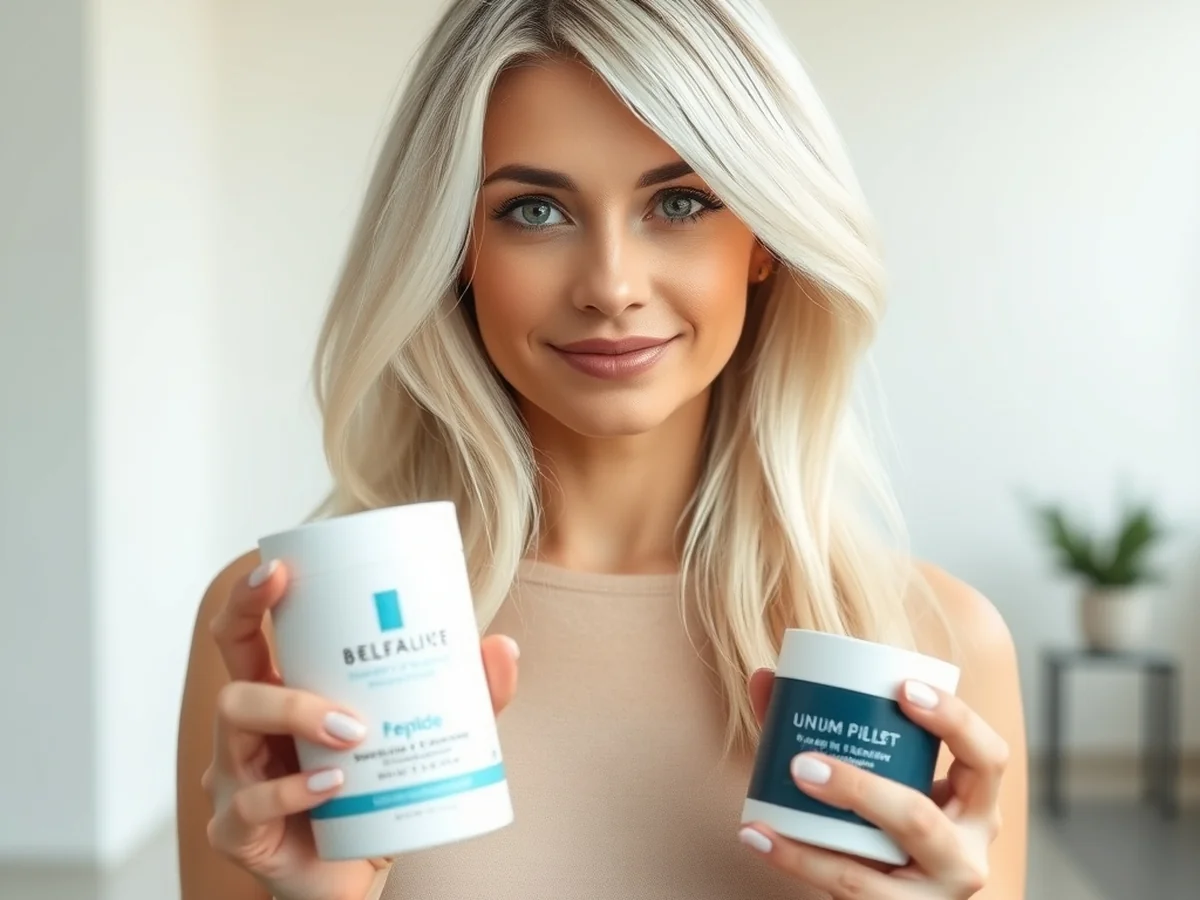
The primary difference between these two approaches lies in whether they focus on reconnecting broken internal sulfur bridges or restoring the structural integrity of the protein backbone. While both methods aim to improve the resilience of hair strands, they utilize distinct mechanisms to address the degradation caused by chemical bleach processing.
Bond builders generally target disulfide bonds, which are the sulfur-based links that provide hair with its strength and shape. When these internal connections are severed by bleach, the hair loses its structural cohesion. By focusing on these specific points of failure, this technology attempts to re-link broken bridges to stabilize the overall architecture of the strand.
In contrast, peptide technology works by interacting with the polypeptide chains that form the core of the hair cuticle and cortex. These chains are the building blocks of keratin protein. Rather than exclusively focusing on sulfur links, this approach seeks to address damage across the entire length of the protein structure. This is often considered a broader method for structural reinforcement, particularly when the hair has experienced significant chemical fatigue.
When considering K18 vs Olaplex for damaged hair, understanding these functional differences is essential for selecting the right treatment. One method acts as an internal support system for specific chemical links, while the other aims to patch the structural gaps within the protein framework itself. Both are designed to mitigate the weakening effects of high porosity often seen after intense chemical lifting.
- Bond builders: Focus on re-linking sulfur-based internal connections to maintain strand stability.
- Peptide technology: Aims to integrate into the keratin protein backbone to reinforce the overall structural integrity of the hair.
Because these technologies address different aspects of hair damage, they are often viewed as complementary rather than strictly competitive. Choosing between them depends on whether the primary concern is the integrity of specific chemical bonds or the overall loss of protein structure. For many with severely processed hair, the goal is to provide a comprehensive solution that addresses both the internal bridges and the surrounding keratin matrix.
Product Comparison at a Glance

Choosing between K18 and Olaplex depends on your specific routine, as the two systems differ significantly in their application requirements and chemical approaches to hair health.
| Feature | K18 Molecular Repair | Olaplex No. 3 |
|---|---|---|
| Application | Clean, damp hair | Damp, towel-dried hair |
| Rinse Required | No | Yes |
| Processing Time | 4 minutes | Minimum 10 minutes |
| Usage Frequency | First 4 to 6 washes, then as needed | Weekly or as needed |
The primary distinction lies in the intended interaction with your hair after application. K18 is designed as a leave-in treatment that remains in the hair to support polypeptide chains, whereas Olaplex is typically treated as a pre-shampoo step that must be rinsed out before you proceed with your standard conditioning routine.
Pros and Cons
K18 offers the convenience of a quick, leave-in process that does not weigh down the hair, making it efficient for those with busy schedules. However, it requires a strict application protocol on clean, product-free hair to function correctly. Its primary focus is on the structural integrity of keratin protein.
Olaplex is widely recognized for its ability to address disulfide bonds, which are often compromised during bleach processing. The main advantage is its versatility as a weekly treatment for various types of chemical hair damage. The trade-off is the extra time needed for the product to sit and the necessity of rinsing it out before cleansing.
Formulation and Usage
These products serve different roles in hair maintenance. K18 focuses on polypeptide chains to improve hair structure, while Olaplex targets disulfide bonds to mitigate damage from bleach and heat. Because of these different mechanisms, users often adjust their frequency based on the level of porosity and breakage they experience. While K18 is recommended for consecutive use initially to jumpstart repair, Olaplex is generally used as a supplemental weekly boost to maintain hair health over time.
Optimizing Your Repair Routine
You can effectively incorporate both treatments into your regimen, though layering them in a single wash day is often unnecessary and potentially counterproductive. Alternating these products allows you to address different aspects of structural integrity, such as internal bonds and protein chains, without overloading the hair cuticle with excess residue.
Deciding which product to prioritize depends on the specific needs of your hair. If you are dealing with significant breakage from recent bleach processing, you might focus on one technology for a period to establish a baseline of strength before rotating in the other for maintenance. Clean hair is essential for these treatments to function properly, as product buildup, oils, or heavy conditioners can create a barrier that prevents active ingredients from penetrating the hair shaft effectively.
Consider the following guidelines to balance your use of these repair tools:
- Wash your hair with a clarifying shampoo before application to ensure no styling product or silicone residue interferes with the penetration of the treatment.
- Avoid using heavy conditioners or masks before applying bond-building or peptide-based treatments, as these can block the product from reaching the keratin protein structure.
- Space out your treatments throughout the month rather than using both during the same wash to keep the hair from feeling weighed down or coated.
- Prioritize the product that addresses your most pressing concern, such as choosing peptide-focused care for structural weakness or bond-focused care for issues related to chemical hair damage.
- Monitor your hair porosity closely, as highly porous hair may absorb these treatments rapidly and benefit from more frequent, lighter applications rather than one heavy dose.
- Follow the manufacturer guidelines for processing times strictly to ensure you are giving the formulas enough time to interact with your hair strands.
Finding the best hair repair for bleach damage is often a process of trial and error tailored to your unique hair texture. By maintaining a clean base and observing how your hair responds to each cycle, you can create a sustainable routine that supports long-term health. If your hair feels brittle despite regular treatment, re-evaluate your frequency to ensure you are not over-processing your strands.
Common Application Mistakes
Achieving the best results with bond builders or peptide treatments requires strict adherence to usage guidelines. Errors during the application process can diminish the effectiveness of these products, often leading to wasted product or hair that remains prone to breakage.
Common mistakes often stem from improper preparation or misunderstanding the specific technology behind the treatment. Consider these essential practices to ensure your hair receives the intended benefits:
- Applying treatments to hair coated in heavy conditioners or styling products creates a physical barrier that prevents active ingredients from penetrating the hair cuticle.
- Using too much product does not accelerate repair and may leave a tacky or heavy residue that makes hair feel weighed down or dull.
- Skipping the necessary cleansing step before application often results in poor product absorption, as surface buildup interferes with the interaction between the treatment and the hair structure.
- Ignoring the manufacturer recommended processing time prevents the technology from reaching its full potential, as these specific windows are designed to allow for proper bonding or restructuring.
- Rinsing out a leave-in formula too early or failing to rinse a wash-off treatment thoroughly can disrupt the balance of the hair, potentially leading to texture issues.
When comparing K18 vs Olaplex for bleached hair, it is vital to remember that these formulas function differently. One treatment might require a clean canvas to effectively address the polypeptide chains, while another may be formulated to work as a pre-shampoo step. Using them interchangeably without regard for their specific application rules can lead to inconsistent outcomes.
Always prioritize the instructions provided by the brand. These timeframes and application methods are based on how the ingredients interact with damaged keratin protein and other structural components of the hair. If the hair feels brittle or porous after application, evaluate whether your cleansing routine is effectively removing environmental impurities that might block the treatment. Consistency in your application technique is just as important as the frequency of your treatments when managing severe chemical hair damage.
When To See Professionals

You should consult a professional stylist if your hair displays signs of extreme chemical hair damage that home treatments cannot resolve. While bond building and peptide products are effective for maintenance, they are not substitutes for the expert assessment required for severe, compromised hair integrity.
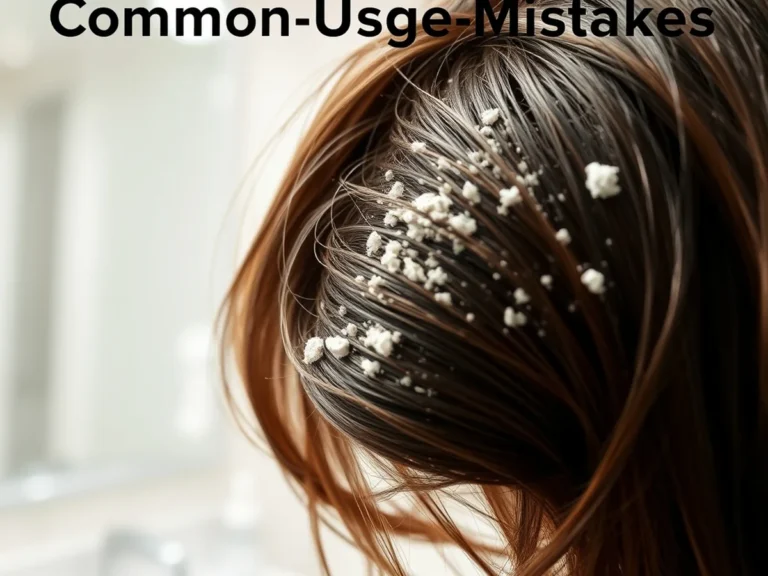
Seek a stylist if you notice persistent signs of structural failure, such as excessive snapping when wet, a gummy texture, or uneven porous patches that refuse to hold color. These symptoms often indicate that the hair cuticle and inner protein structures have been significantly altered by bleach processing.
Professional-grade recovery differs from home care because a stylist can perform a deep structural evaluation and provide treatments that are unavailable for retail use. A salon visit allows for precise pH balancing and professional-strength protein replenishment that stabilizes the hair before it suffers further degradation.
If your hair shows the following, it is time to book a consultation:
- The hair feels brittle or straw-like even after consistent conditioning.
- You experience significant breakage during simple detangling.
- The hair has become highly porous, causing color to fade almost instantly.
- You observe visible fraying at the ends or mid-shafts that suggests the keratin protein has been stripped away.
Relying solely on home products for bleached hair may lead to a false sense of security if the internal damage is deep. A stylist can determine if your hair requires a professional reset or a specialized conditioning service to prevent further loss of structural integrity. When comparing molecular hair repair vs bond building, remember that these tools are intended to manage damage, not to replace the need for professional chemical services and restorative care.
FAQ
Which product is better for severely bleached hair?
Choosing between these treatments often depends on the specific type of chemical hair damage and your desired routine. While both address structural integrity, they use different approaches to target the effects of bleach processing on the hair cuticle and internal proteins.
Can I use K18 and Olaplex together?
You can incorporate both into your hair care routine, though using them simultaneously is generally unnecessary. Many users prefer to alternate these treatments to address both polypeptide chains and disulfide bonds without overloading the hair with product residue.
How long does the K18 mask need to stay in?
The K18 leave-in molecular repair hair mask requires a specific processing time to allow the formula to integrate into the hair. You should wait four minutes after application before combing or applying other styling products to ensure the treatment is effective.
Do I need to wash my hair before using these products?
Using these treatments on clean hair is recommended to ensure the active ingredients can penetrate the hair shaft effectively. For K18 specifically, applying the product to clean, damp hair without conditioner is suggested to avoid barriers that might block the absorption of the peptides.
Are these products safe for color-treated hair?
Both product lines are formulated to be safe for use on chemically processed or color-treated hair. They are designed to help maintain the structural health of strands that have undergone bleach processing, which can otherwise lead to increased hair porosity and breakage.
Conclusion
Choosing between these two treatments depends on your specific hair needs and your preference for a routine. If you prioritize a quick, leave-in process that targets inner hair structure, K18 may be the preferred choice. Conversely, if you prefer a traditional rinse-out treatment, Olaplex offers a well-established system for many users. When evaluating k18 vs olaplex for bleached hair, consider testing one product consistently for a few weeks to monitor how your hair responds before deciding if you need to incorporate both. Assessing your hair porosity and the level of bleach damage will help determine which technology offers the best results for your unique hair health goals.
You might also like: Epres Bond Repair Treatment Review: Is It Worth It?




2 Comments