

Best Conditioners for Frizzy Hair: 12 Smooth Picks
Introduction
Finding the best conditioners for frizzy hair depends on choosing effective smoothing formulations that restore moisture to unmanageable strands. Proper maintenance routines are essential for daily manageability and long term hydration retention.
This guide covers twelve smooth picks designed for optimal hair care and frizz control. You will discover targeted product recommendations and practical maintenance routines to help you achieve a sleek finish every day.
Understanding the Science Behind Unruly Strands and Moisture Loss

Frizz occurs when the protective outer layer of the hair lifts up, allowing environmental moisture to slip inside and swell the inner structure. This cuticle disruption usually stems from daily styling damage, environmental humidity, or a lack of internal hydration, which leaves the surface feeling rough and porous. To manage this effectively, many people turn to anti frizz hair products and a reliable smooth hair conditioner to restore balance.
The science of smoothing relies on two main components, namely humectants and emollients, which work together to restore the natural barrier of the hair. Humectants like glycerin draw water molecules from the surrounding air directly into the hair shaft, while emollients and smoothing agents seal the raised edges down. Ingredients such as dimethicone, argan oil, and shea butter coat the strands, preventing the newly drawn hydration from escaping back into dry air.
Active Ingredients and Moisture Retention
Managing coarse or textured locks requires specific formulations because thick strands lose moisture easily. Incorporating targeted frizz control hair treatments and the best hydrating conditioner for frizzy hair helps reinforce the cuticle against external humidity. When selecting a formula, understanding how active ingredients interact with the hair shaft ensures longer lasting results. For instance, hydrolyzed keratin helps bridge microscopic gaps along the cuticle, while heavier plant oils provide a protective barrier against dry weather that causes static and flyaways.
Application Techniques and Common Routine Mistakes
A common mistake during routine maintenance is skipping the step of clarifying the hair, which leads to mineral buildup that blocks nourishing conditioners from penetrating properly. Applying a heavy treatment to unclarified strands only weighs the hair down without providing actual hydration. Another pitfall is applying smoothing formulas too close to the scalp, which flattens the roots instead of focusing on the mid lengths and ends where dryness is most pronounced. Adjusting treatment frequency based on the surrounding climate and water hardness helps maintain optimal moisture balance throughout the seasons.
Customizing Care for Different Hair Textures
Selecting hair care routines tailored to specific fiber characteristics prevents unnecessary structural stress. Fine hair types respond best to lightweight smoothing agents that impart manageability without residue, while thicker or more textured strands require richer emollients to maintain internal hydration during humid conditions.
- Cuticle lifting allows environmental humidity to swell the hair shaft and create a rough texture.
- Humectants pull water inward, while emollients seal the surface to lock hydration inside.
- Coarse hair benefits from heavier plant oils and butters to prevent moisture escape.
- Clarifying regularly prevents mineral buildup that blocks active smoothing ingredients.
Key Ingredients to Look For in Top Rated Formulations

Finding the right balance of active components is essential when you want to tame unmanageable texture and maintain sleek strands. Effective anti frizz hair products rely on specific formulations to lock out moisture and smooth rough cuticles. Knowing what to look for on product labels helps you select a smooth hair conditioner that addresses your unique hair care needs without weighing down your strands.
When evaluating top tier frizz control hair treatments, understanding why certain components matter prevents trial and error during your routine. Hydrating elements draw water into the hair shaft, while protective barriers seal the cuticle against humid air. Meanwhile, strengthening proteins repair compromised areas along the hair fiber to prevent future breakage and flyaways.
Core Components for Humidity Defense
Managing unruly locks requires ingredients that actively respond to atmospheric changes. Glycerin acts as a powerful humectant that pulls moisture from the surrounding environment directly into the hair shaft. To prevent excessive swelling in damp weather, dimethicone forms a breathable protective shield over each strand to block external humidity and lock in hydration.
- Glycerin pulls ambient moisture into the hair fiber to maintain internal hydration levels.
- Dimethicone creates a hydrophobic barrier that seals the cuticle against humid air.
- Argan oil delivers essential nutrients that soften rough textures and add natural shine.
- Shea butter conditions coarse or thick hair types with rich emollients that keep rebellious flyaways under control.
- Hydrolyzed keratin penetrates the cuticle to reinforce weak structural protein bonds and smooth the overall surface.
Optimizing Your Conditioning Routine
A common mistake when shopping for the best hydrating conditioner for frizzy hair is ignoring how different components interact with your cleansing routine. According to guidelines from the American Academy of Dermatology, selecting formulas that align with your scalp type prevents heavy surfactant residue and mineral buildup from interfering with smoothing agents. Some rich emollients require proper cleansing to prevent buildup over time.
To get the best results from your chosen formulas, always check labels for a balanced blend of humectants and smoothing silicones. Adjusting treatment frequency based on your local water hardness and seasonal shifts ensures your daily maintenance routine provides lasting protection against humidity and dryness.
Clarifying Conditioners for Buildup
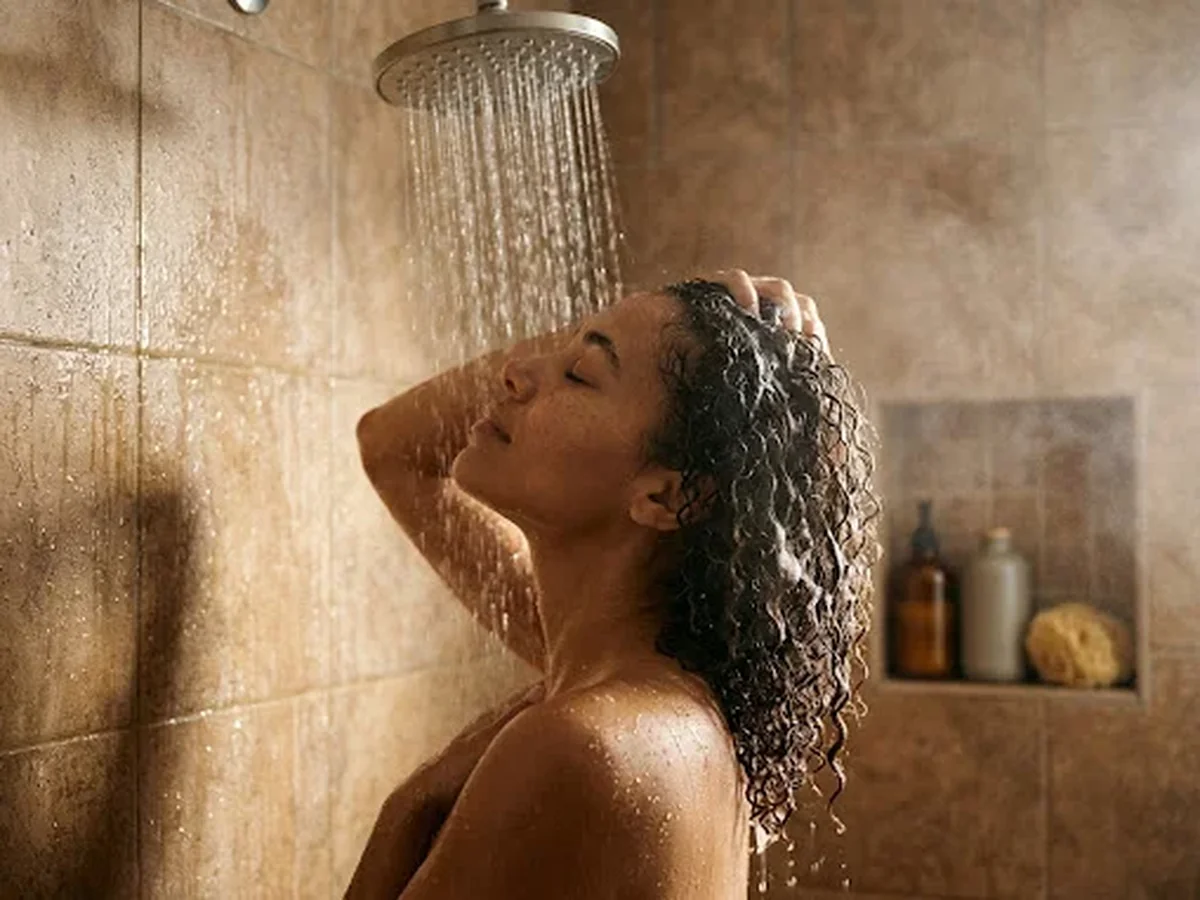
Clarifying treatments play a vital role in maintaining the health and texture of unmanageable locks by removing mineral deposits and product residue that accumulate on the hair shaft over time. Without this preparatory step, heavy emollients and anti frizz hair products cannot penetrate the cuticle effectively, leaving strands vulnerable to ongoing dryness and flyaways.
Hard water minerals create a physical barrier around strands, blocking nourishing agents from reaching the inner cortex. When calcium and magnesium crystals coat the exterior, even the most effective smooth hair conditioner simply sits on the surface instead of delivering essential moisture. Regular daily washing alone often leaves behind these stubborn deposits, which dull the texture and block active ingredients from performing properly.
Preparing the hair shaft requires stripping away this mineral shell before applying heavy emollients, oils like argan or shea butter, or specialized frizz control hair treatments. Optimizing absorption for maximum daily efficacy depends on maintaining an open, clean cuticle layer. Once mineral buildup is cleared away, smoothing formulas can bond properly to the hair fibers, ensuring better moisture retention and lasting manageability throughout the day.
To incorporate clarifying steps into a routine effectively, follow these practical steps:
- Assess local water hardness to determine how frequently a clarifying wash is necessary.
- Apply a clarifying formula specifically to the roots and scalp where residue accumulates most heavily.
- Follow the clarifying step with a hydrating formula to restore essential moisture balance.
A common mistake is using a clarifying wash too frequently, which can strip natural oils and increase static during dry weather. Balancing deep cleansing with targeted moisture retention ensures the best hydrating conditioner for frizzy hair delivers optimal results without causing dryness.
Smoothing Agents in Anti-Frizz Formulas

Smoothing agents in anti-frizz formulas work by balancing harsh cleansers that strip natural oils and disrupt the hair moisture barrier. Strong cleansing agents remove dirt and product buildup, but they also wash away the protective lipids that keep individual hair strands smooth, aligned, and adequately hydrated. Without these protective lipids, strands become vulnerable to environmental humidity and moisture loss.
Targeted moisture replenishment helps counteract this loss, restoring hydration after aggressive cleansing routines. Selecting a quality product designed for smoothing allows you to rebuild the depleted lipid layer, seal the hair cuticle, and lock in essential water content. When looking for effective conditioning options for unruly hair, it helps to understand why certain components perform better than others in daily maintenance routines.
Key Smoothing Ingredients and Their Mechanisms
Formulations frequently incorporate softening ingredients like glycerin, dimethicone, argan oil, and shea butter to coat the hair shaft and smooth unruly textures. Glycerin draws moisture from the surrounding air into the hair fiber, while dimethicone creates a breathable barrier that prevents excess humidity from swelling the cuticle. Meanwhile, plant based oils and butters provide rich emollient benefits that soften coarse strands and prevent static. Proper management of moisture levels is essential for maintaining healthy hair integrity and preventing mechanical damage.
Beyond basic emollients, advanced formulas often integrate hydrolyzed keratin and targeted molecular bond reinforcement agents to support textured locks from within. These components help bridge microscopic gaps along damaged cuticles, ensuring that every strand retains its elasticity and structural resilience.
Optimizing Application Techniques
To maximize the effectiveness of daily maintenance items, practical application steps make a noticeable difference in overall results. Apply your conditioner primarily from the mid-lengths to the ends where dryness is most pronounced, avoiding the scalp to prevent weighing fine strands down. Allow the product to sit for a few minutes so the active components can penetrate the hair fiber before rinsing thoroughly with cool water to help seal the outer cuticle layer.
Frequency of use should be adjusted based on environmental factors and water hardness levels. Homes with hard water often leave mineral deposits on the hair shaft that block moisture absorption, making it necessary to clarify occasionally before applying deep conditioning routines.
Avoiding Common Maintenance Mistakes
Avoiding common mistakes is equally important for long term hair care and daily management. A frequent error is using hot water during the final rinse, which lifts the cuticle and encourages flyaways during dry weather. Additionally, relying solely on heavy emollients without addressing underlying mineral buildup can leave hair feeling heavy and unmanageable. By combining gentle cleansing practices with the best conditioners for frizzy hair, you establish a balanced routine that keeps your strands sleek, manageable, and protected against seasonal changes.
Bond-Building Treatments for Frizz
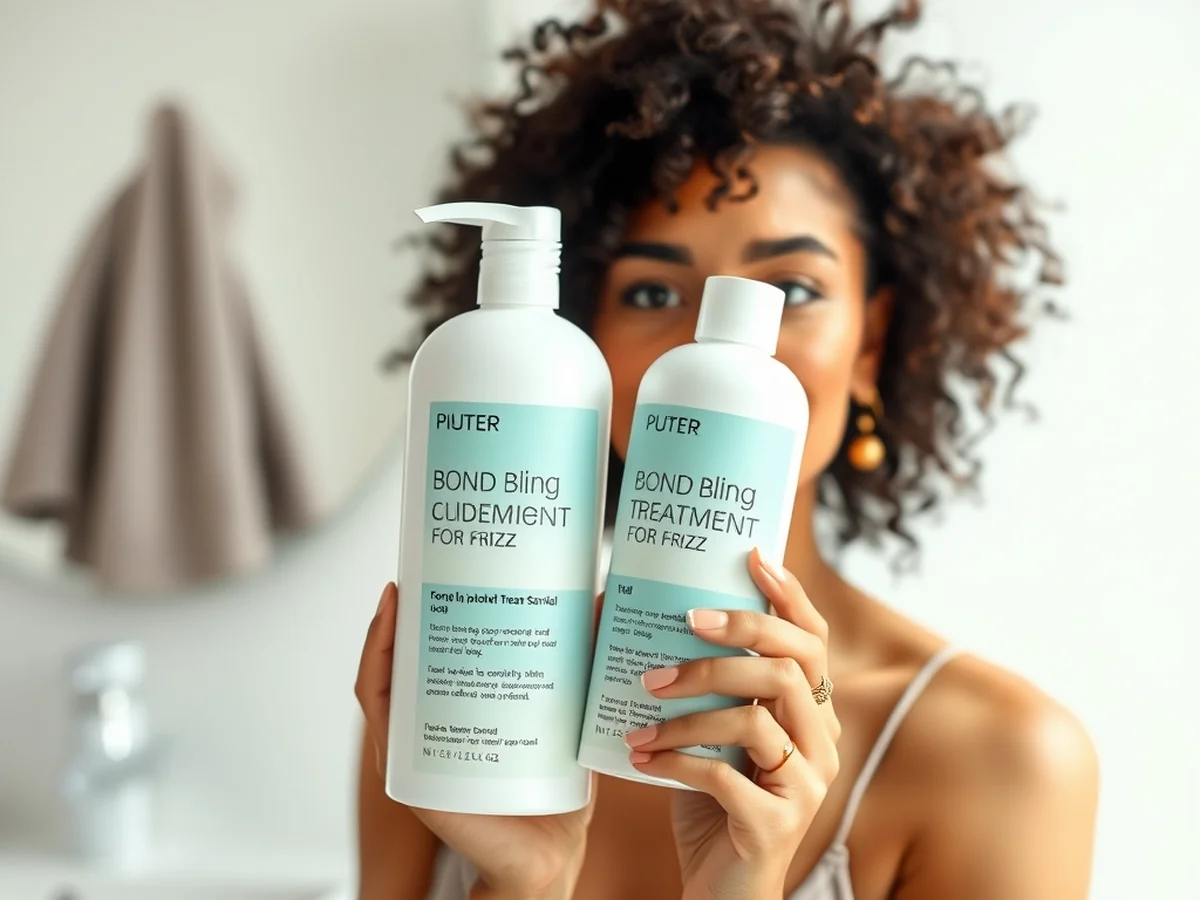
Bond-building treatments repair internal structural damage that causes external surface roughness. When the inner cortex of a strand suffers from broken bonds, the outer protective layer lifts and creates a rough texture that invites moisture to swell the fiber. This damage is often the root cause of unmanageable flyaways, making standard hydration alone insufficient for long-term smoothness. Repairing broken disulfide bonds beneath the cuticle layer restores structural integrity from the inside out. Treatments that target these internal connections help realign the hair fibers so they lie flat and reflect light evenly. Addressing structural weakness prevents the gaps and weak spots that lead to constant snagging and swelling in humid weather.
To integrate these steps into a complete routine, consistency and proper layering matter significantly. Start by evaluating how your strands react to humidity and environmental stress. Choosing the best conditioners for frizzy hair that complement these structural steps ensures both internal repair and external surface smoothing happen simultaneously. When you pair molecular reinforcement with smoothing formulas, you create a balanced regimen that addresses multiple layers of the hair fiber.
Targeting Structural Weakness
Textured and curly locks often experience unique points of stress along the hair shaft. Molecular bond reinforcement addresses structural weakness by supporting the inner cortex before surface emollients are applied. Without this foundational repair, external smoothing agents only offer temporary relief against environmental humidity and friction. Incorporating restorative steps ensures that the inner architecture remains resilient against styling pressure and seasonal dryness.
Optimizing Routine Application
Practical application involves several key steps to maximize results:
- Apply bond treatments to clean, damp hair to ensure optimal absorption into the cortex before sealing.
- Follow up with a moisturizing formula to lock in moisture and flatten the cuticle layer.
- Adjust your treatment frequency based on how porous or chemically treated your strands are, scaling back if heavy buildup occurs.
A common mistake is skipping the cleansing step or applying intensive smoothing formulas over mineral buildup, which blocks active ingredients from penetrating the shaft. Proper cleansing habits help maintain scalp and strand health by preventing residue accumulation. Incorporating a deeply nourishing formula for unmanageable strands alongside these restorative steps prevents moisture loss in coarse hair during dry or static-heavy weather. By maintaining a steady schedule that balances internal bond support with rich emollients, unruly textures stay manageable and polished across changing seasons.
Advanced Application Techniques for Different Hair Lengths

Maximizing slip and detangling efficiency starts by focusing rich smoothing formulations strictly from the mid lengths to the ends. This direct placement ensures that dry, unruly strands receive intensive moisture where they need it most while preventing product overload. When dealing with coarse or textured locks, tailoring the distribution method prevents uneven coverage and maintains natural movement.
Targeting Coarse and Textured Locks
Coarse hair demands a methodical approach to moisture distribution. Applying a nourishing formula with heavier emollients like shea butter or argan oil helps seal the cuticle against environmental humidity. Sectioning the hair before application ensures that every layer absorbs the necessary nutrients without clumping. Using a wide tooth comb in the shower right after applying your smoothing regimen coats every strand uniformly, improving slip and making the detangling process much smoother without causing mechanical breakage.
Protecting Fine and Medium Density Roots
Avoiding scalp buildup on fine or medium density roots requires keeping heavy emollient products well away from the skin. Applying hydrating treatments too close to the scalp weighs hair down and makes roots look greasy very quickly. To prevent this, focus application purely on the areas prone to moisture loss and environmental friction. Selecting a quality softening formula with lighter ingredients like glycerin helps maintain volume at the crown while smoothing the lengths.
Refining Your Maintenance Routine
Practical steps for a successful routine include starting with a clean base by removing mineral buildup before applying your chosen styling formulas. Incorporating seasonal adjustments allows you to scale emollient levels up or down depending on weather shifts and humidity defense requirements. Common mistakes to avoid include rushing the distribution process and rinsing with overly hot water, which can reopen the cuticle and invite unwanted frizz.
Proper rinsing completes the routine by ensuring no residue remains on finer roots or dense lengths. Thorough rinsing leaves hair feeling lightweight and manageable while keeping frizz under control. Following these targeted application habits elevates your daily regimen and secures long lasting smoothness.
Humidity-Blocking Conditioners for Weather

Managing unruly locks requires modifying emollient levels as weather patterns and humidity shift throughout the year. High humidity forces dry strands to absorb moisture from the air, which causes the cuticle to swell and creates a rough texture. Lightweight smoothing formulas work best during humid months to seal the hair shaft without weighing it down.
Heavier formulas and richer formulas that target frizz become necessary when the air turns cold and dry. Lower moisture levels outside strip hydration from the hair quickly, so heavier emollients lock in essential moisture and prevent severe disruption to the cuticle layer. Choosing the best conditioners for frizzy hair involves paying close attention to how seasonal shifts alter moisture balance.
Water hardness also plays a major role in how smoothing treatments perform on a daily basis. Adjusting treatment frequency based on local water hardness levels helps prevent mineral buildup that blocks moisture from penetrating the hair shaft. Hard water leaves heavy deposits on the strands, meaning hair needs clarifying steps alongside richer conditioning sessions.
Dry weather brings a completely different set of challenges, including sudden static and annoying flyaways. Combating static and flyaways during dry weather conditions involves using formulas with targeted smoothing agents that neutralize electrical charges on the hair surface. Incorporating these specific hydration adjustments ensures the hair remains sleek and manageable regardless of external climate shifts.
Understanding the why behind these routine changes helps maintain healthy texture. When the environment alters rapidly, the hair cuticle reacts by lifting or contracting. Applying a moisturizing conditioner with ingredients like glycerin or argan oil helps manage these shifts. A common mistake is using the exact same heavy cream throughout the summer, which flattens the hair, or using a light mist in the winter when the hair needs shea butter and dimethicone for extra protection.
Practical steps for seasonal care involve evaluating the local climate monthly. If humidity rises, switch to a lightweight rinse that controls moisture absorption. When temperatures drop, increase the richness of specialized conditioning treatments for unruly locks and check water hardness levels regularly to avoid mineral interference. Balancing these factors prevents unexpected breakage and keeps the cuticle smooth all year round.
Comparing Daily Maintenance Versus Intensive Treatments

Choosing the right regimen requires understanding how different formulations interact with your strands. Standard formulas designed for daily hydration work quickly during a normal wash routine, offering lightweight surface smoothing for daily styling. In contrast, intensive treatments require longer dwell times to target structural dryness deep inside the hair shaft. Selecting the correct option depends on your wash schedule, hair texture, and how severely dry your strands feel.
| Product Type | Dwell Time | Penetration Depth | Usage Frequency |
|---|---|---|---|
| Standard Daily Formula | One to three minutes | Surface cuticle layer | Every wash |
| Intensive Mask | Ten to twenty minutes | Deep cortical layers | Weekly or biweekly |
| Leave-in Treatment | No rinse required | Outer cuticle defense | Daily styling routine |
Dwell Time and Ingredient Penetration
Dwell time dictates how deeply active ingredients penetrate unmanageable locks. Quick rinse formulas coat the outside of the hair to smooth the cuticle and prevent moisture from escaping throughout the day. Deeper treatments need more time on wet hair so nourishing oils and proteins can settle into porous areas. Ingredients like glycerin, dimethicone, argan oil, and shea butter play specific roles depending on whether you need surface sealing or deep hydration.
Matching Frizz Control Products to Hair Texture
When incorporating smoothing formulas into your routine, timing and frequency matter just as much as the formula itself. Fine textures usually need lighter daily care to avoid weighing hair down, whereas thick or coarse textures benefit from regular deep conditioning to maintain softness and elasticity. The American Academy of Dermatology recommends tailoring hair care habits to your specific curl pattern and structural needs to minimize moisture loss.
Avoiding Overconditioning Mistakes
A common mistake is applying heavy intensive masks every single day, which leads to product buildup and leaves strands limp. Reserve deep treatments for a weekly schedule, allowing daily hydration to handle routine maintenance without overwhelming the cuticle. Pay attention to how your hair responds to seasonal changes and adjust your emollient levels accordingly to keep unmanageable locks smooth and resilient.
Frequently Asked Questions
Which ingredients help control moisture loss in coarse hair?
Coarse hair benefits most from rich emollients like shea butter and argan oil, which seal the cuticle to prevent hydration from escaping. Utilizing a quality conditioning formula that incorporates these botanical components helps smooth unruly strands and maintains softness throughout the day.
How often should a deep smoothing treatment be applied?
Deep smoothing treatments should generally be applied once a week for severely unmanageable locks, though individuals with finer strands might only need them every two weeks. Monitoring how your hair responds to moisture levels will help you determine the ideal schedule without weighing down your style.
What causes static and flyaways during dry weather?
Static and flyaways happen during dry weather because low humidity in the air strips moisture from the strands, leaving them with a positive electrical charge that causes individual hairs to repel one another. Incorporating moisturizing formulas and heavy emollients helps neutralize this charge and keeps strands lying flat.
Can layering too many smoothing products cause buildup?
Layering multiple styling items without regular clarifying can lead to a heavy residue that blocks future moisture from penetrating the hair shaft. Selecting a balancing conditioner that rinses cleanly prevents this accumulation while still delivering necessary daily hydration.
Conclusion
Maintaining smooth and manageable locks comes down to choosing the right formula for your specific hair texture and daily environment. Finding the best conditioners for frizzy hair requires looking closely at moisture retention ingredients and matching them to your routine. Take time to build a personalized hair care regimen using these expert recommendations so you can enjoy lasting sleekness every day.