
K18 Leave-In Mask Review
Introduction
For those researching professional-grade hair care, this k18 leave-in mask review provides a comprehensive analysis of the product for your vanity. By examining application methods and hair care compatibility, this K18 Leave-In Mask Review helps you determine how the treatment may fit into your personal maintenance routine.
In the following sections, you will find information regarding the intended use of the formula, its role in a hair care regimen, and how it interacts with various hair types. The coverage includes a look at application techniques, comparisons to other bond builders for damaged hair, and answers to common questions about frequency and compatibility with chemical services. Whether you are addressing heat damage or the effects of oxidative hair color, this guide offers an objective perspective on the product to support your next purchasing decision.
K18 Leave-In Mask Overview
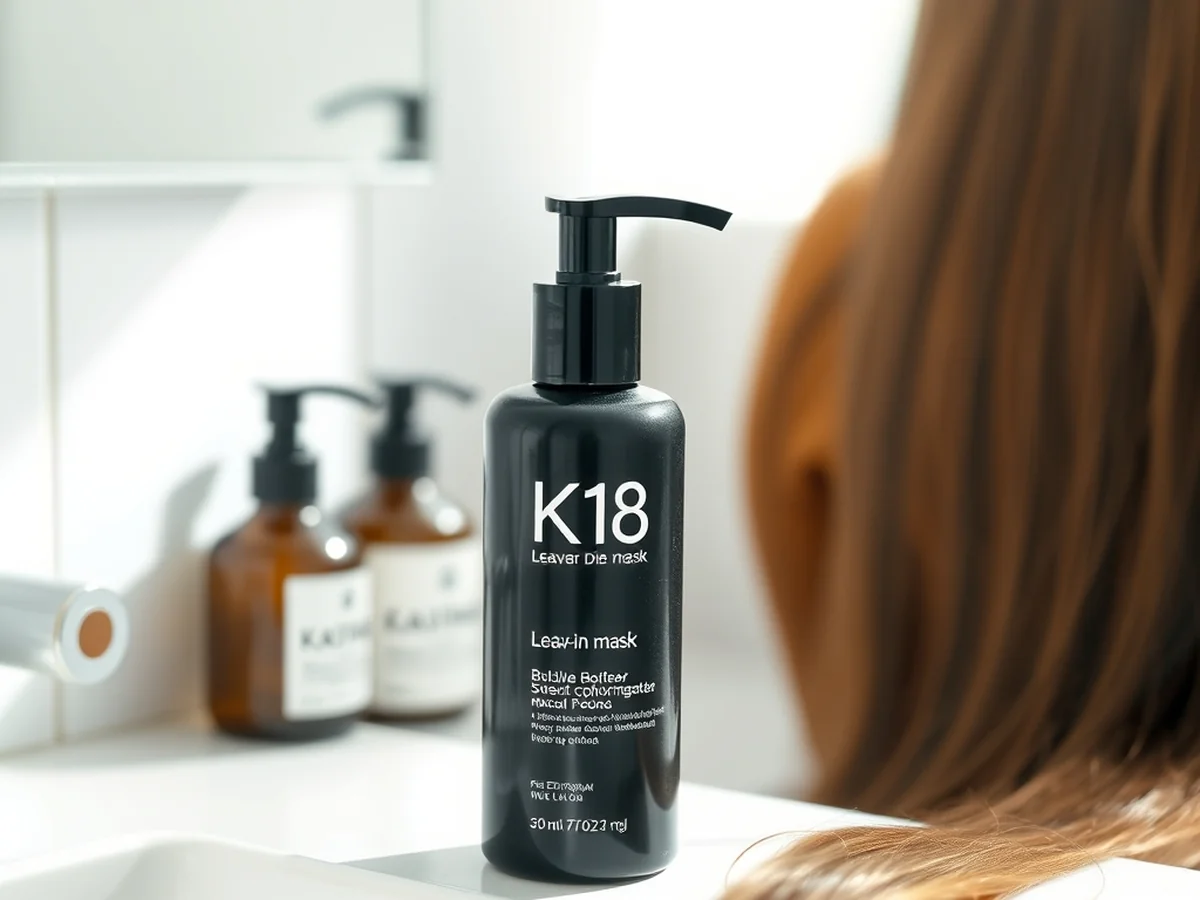
The K18 leave-in mask functions as a targeted treatment intended to support hair health by focusing on structural integrity. It is designed to address concerns commonly associated with compromised hair fibers, such as breakage and loss of elasticity, rather than simply coating the hair surface for temporary manageability.
This assessment examines the product’s performance, application requirements, and its role in long-term hair maintenance routines. By evaluating how the treatment fits into a standard wash cycle, we aim to provide a clear picture of what users can expect from consistent use. We also clarify the distinction between this type of bond builder for damaged hair and traditional conditioning products that focus primarily on surface-level hydration.
For individuals managing chemically processed or heat-stressed hair, setting realistic expectations is essential. Users often turn to this product when their hair has undergone significant stress from:
- Aggressive bleaching or lightening services.
- Frequent exposure to high-heat styling tools.
- Ongoing chemical texturizing or oxidative hair color processes.
Because the product is designed to interact with the underlying structure of the hair cuticle, those with severe damage may notice different results compared to those using it for light maintenance. It is important to understand that repair is a cumulative process. While some users report immediate improvements in texture and detangling, the primary benefit often involves a gradual strengthening of the hair over several weeks of regular application.
The efficacy of any treatment depends heavily on proper usage. Following the intended application protocol is necessary to ensure the formula interacts correctly with the keratin protein structure of the hair. Throughout this k18 leave-in mask review, we will look at how the application method influences outcomes, especially regarding the balance between the product and other styling agents in your routine.
We will also explore how the treatment functions as part of a broader, long-term hair care strategy. Rather than offering a quick fix, the product is intended to be integrated into a cycle of treatments, followed by periodic maintenance. Understanding this cadence helps users determine whether this addition to their vanity makes sense for their specific hair type, texture, and the extent of their current damage.
How K18 Mask Works
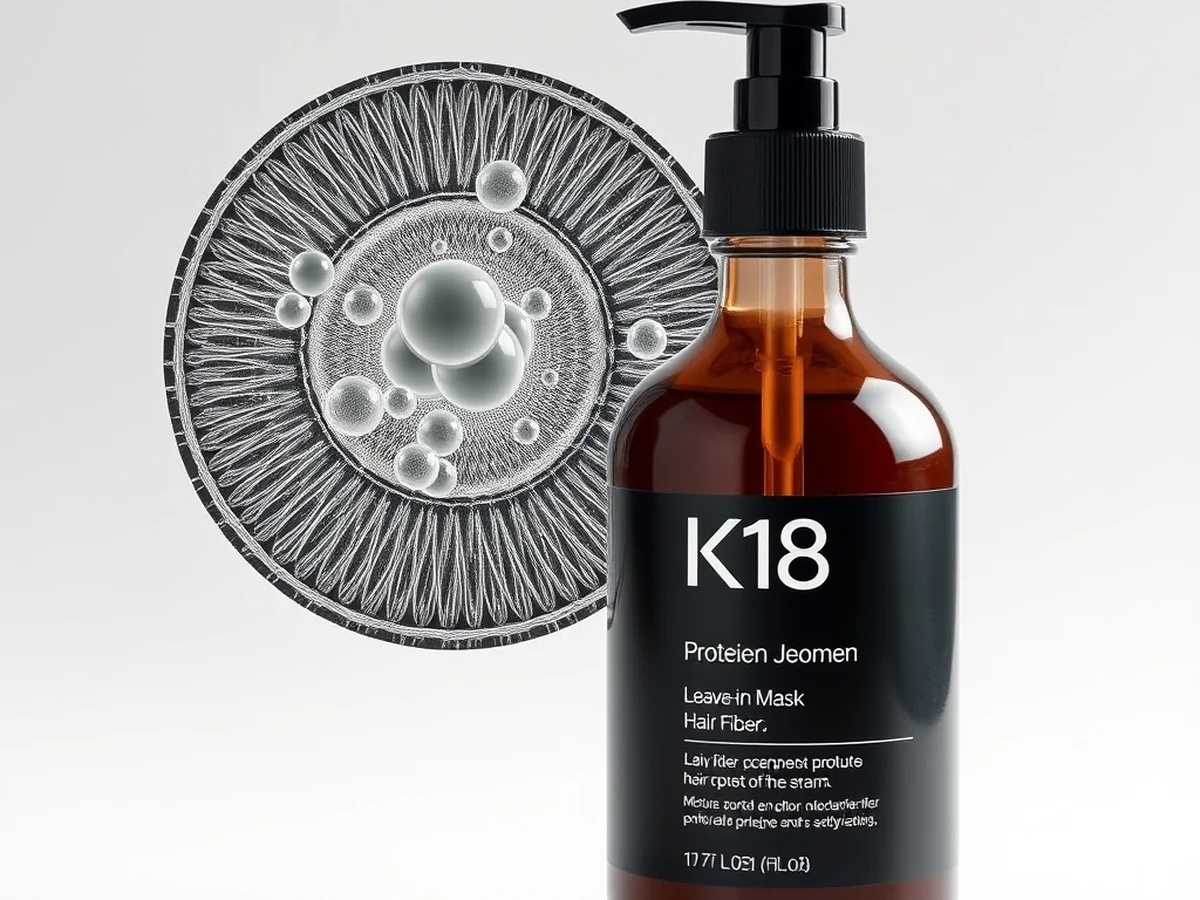
The K18 peptide hair treatment functions as a bond builder for damaged hair by targeting the internal protein structure of the hair fiber rather than just coating the surface. Hair is primarily composed of keratin protein, which is built from long chains of amino acids linked together by polypeptides. When these internal chains are intact, the hair remains resilient and smooth.
Oxidative hair color and frequent heat styling can disrupt these delicate structures, causing the keratin chains to break and leading to increased breakage, split ends, and a dull appearance.
Molecular Repair vs. Surface Conditioning
Unlike traditional conditioners or styling agents that focus on the hair cuticle to provide temporary slip and shine, this molecular approach centers on structural repair. The formula aims to reintegrate and reconnect broken chains within the inner cortex, helping restore the hair to a state closer to its original condition. By addressing the specific structural compromises caused by external stressors, the treatment provides a lasting improvement in strength and elasticity.
Application and Usage Best Practices
Understanding how to use K18 leave-in mask correctly is essential for achieving the intended results. As a general guideline, the product is applied to clean, damp hair after shampooing. One common mistake is using a conditioner before the mask, which can create a barrier that prevents the formula from penetrating the cuticle.
Regarding frequency, the K18 hair mask instructions suggest an initial period of consecutive use for the first four to six washes. After this phase, the treatment is typically used as needed to maintain hair health. Because the product is highly concentrated, a small amount often suffices.
Suitability and Compatibility
When considering a K18 leave-in mask review, it is important to note that the product is formulated to be effective on all hair types and textures. It is often compared to other professional-grade treatments, such as in the context of K18 vs olaplex, where the focus shifts toward specific chemical repair needs. Those with heavily bleached or chemically processed hair may find the most benefit from the molecular repair technology.
If the hair feels stiff or dry after initial applications, it is often a sign that the hair is adjusting to the process of structural reintegration. For those interested in deeper comparisons, further analysis on alternative bond repair systems can provide additional context on how these treatments integrate into various beauty regimens.
Salon Results at Home

Achieving professional-grade results at home requires understanding the distinction between salon-exclusive services and consumer-facing retail products. While salon treatments are often integrated directly into chemical services to mitigate damage as it occurs, retail products focus on maintenance and long-term health. Recognizing this boundary is essential when using a bond builder for damaged hair, as the two categories serve different phases of hair care.
Professional Assessment vs. Home Maintenance
A professional salon assessment is necessary when your hair exhibits signs of severe chemical damage. If your strands are experiencing extreme breakage, inconsistent texture, or melting following an intense lightening service, home products may not be sufficient to stabilize the hair cuticle. Stylists can evaluate the structural integrity of your hair and recommend high-potency interventions that address specific protein structures. Retail masks, by contrast, are designed for consistent maintenance between appointments, offering a controlled way to manage hair strength and texture in your daily routine.
Refining Your Application Routine
Success with an at-home K18 leave-in mask review depends on precise application. Common mistakes often stem from product layering, which can prevent the formula from interacting effectively with the hair cuticle. For optimal results, apply the treatment to clean, damp hair. Because the product is designed to function as a standalone step, it is generally recommended to avoid using conditioner before applying the mask. If you find your hair feeling stiff or dry during the initial stages, this may indicate that your hair is adjusting to the treatment or that the application amount needs adjustment. Because the treatment is concentrated, using too much product can lead to a film on the hair surface, potentially affecting the final texture.
Frequency and Long-Term Use
A frequent question is how often one should incorporate these treatments into a routine. Many users find success by applying the product for the first four to six consecutive washes, then transitioning to an as-needed schedule to maintain hair health. This approach helps manage the balance of keratin protein and amino acids without causing unwanted buildup. While products are often compared to other professional systems, such as in a K18 vs olaplex analysis, the key difference lies in the formulation and the intended usage frequency. When choosing a product, consider the following:
- Assess your current level of damage: Severe breakage may require a salon visit before starting an at-home regimen.
- Monitor your hair response: If the product does not provide the desired softness, re-evaluate your shampoo and styling product compatibility.
- Maintain realistic expectations: Retail masks support hair integrity but cannot reverse deep, catastrophic chemical damage that requires professional intervention.
By treating your home routine as a supplement to professional care rather than a complete replacement, you can better manage your hair’s long-term health and aesthetic quality.
Correct Application and Timing
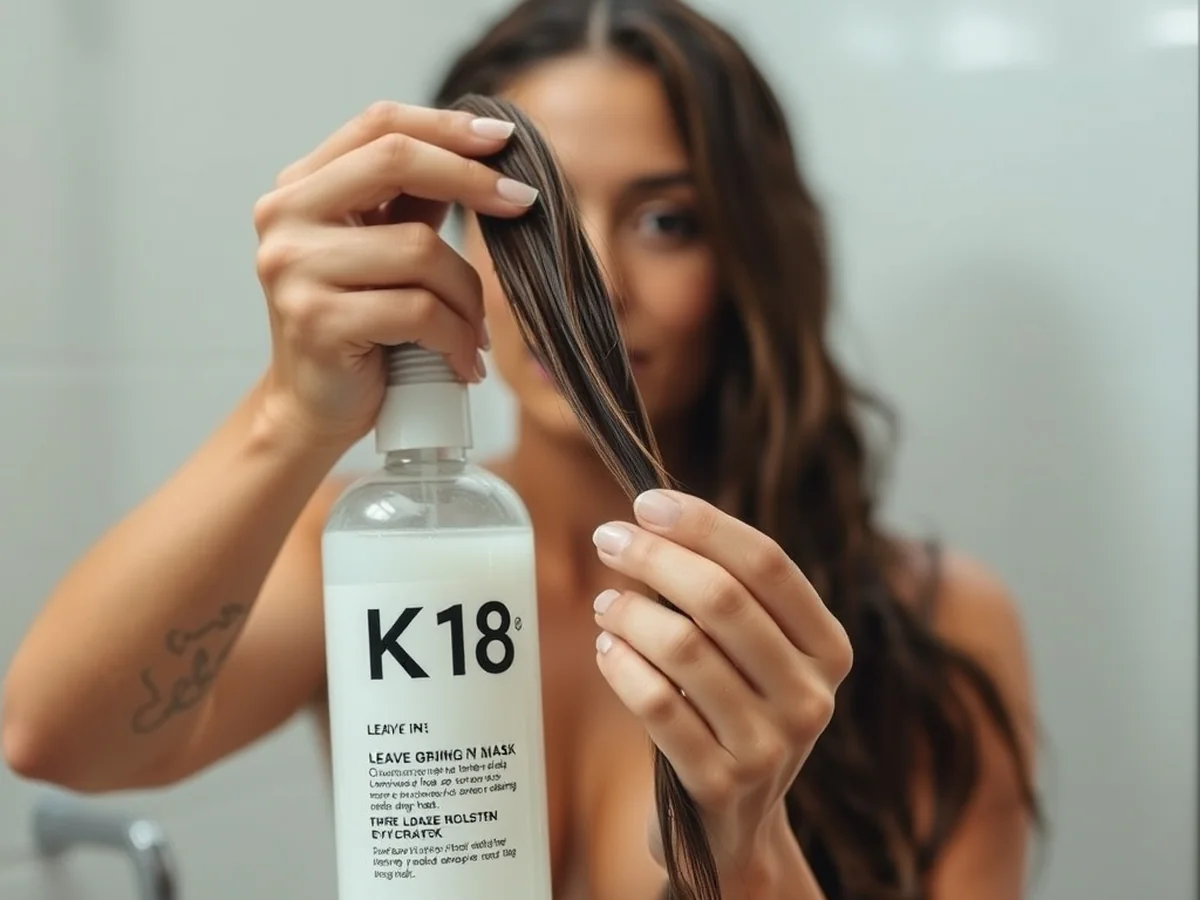
Achieving the intended results with this treatment requires following specific K18 hair mask instructions, as the formula is designed to interact directly with the internal structure of the hair. Because the product works to address the keratin protein chains, any physical barrier on the exterior of the hair cuticle can prevent effective absorption. A clean, product-free base is the most important factor in the application process.
The Importance of a Clean Canvas
You must wash your hair with a standard shampoo before application. If you use a conditioner, a mask, or a deep-conditioning treatment before applying the product, you risk creating a film of silicones or oils that blocks the formula from reaching the hair shaft. For this reason, you should skip traditional conditioners entirely during the wash preceding the treatment. If you find your hair becomes difficult to detangle without conditioner, consider using a lightweight detangling spray only after the four-minute activation period is complete.
Application Steps and Timing
Proper application is a precise process that ensures even distribution. Follow these steps to integrate the treatment into your routine:
- Wash your hair with shampoo, ensuring all product buildup is removed.
- Do not apply conditioner.
- Towel-dry your hair thoroughly until it is damp but not dripping wet.
- Dispense a small amount of the mask into your palms. Start with one pump and add more only if needed based on your hair length and density.
- Work the product evenly through your hair, focusing on the mid-lengths and ends where damage is typically most concentrated.
- Wait four minutes before applying any other styling products.
This four-minute wait is a critical component of how to use K18 leave-in mask. During this time, the formula penetrates the hair cuticle to work on the inner layers. Applying styling products, such as heat protectants or curl creams, before this time has elapsed may interfere with the performance of the product. Once the four minutes have passed, you may apply your preferred styling products as usual.
Establishing a Consistent Routine
Understanding the frequency of use is essential for managing expectations. It is generally suggested that individuals use the treatment for the first four to six consecutive washes to establish a baseline of improvement. After this initial phase, you can adjust the frequency based on your hair needs, using it as a maintenance tool rather than a daily requirement. Because the formula is designed to be effective on all hair types and textures, it can be seamlessly incorporated into any hair care regimen. If you are comparing this to other bond builders for damaged hair, note that the lack of a rinsing step distinguishes this product from traditional treatments that require removal in the shower.
K18 Compared to Other Treatments
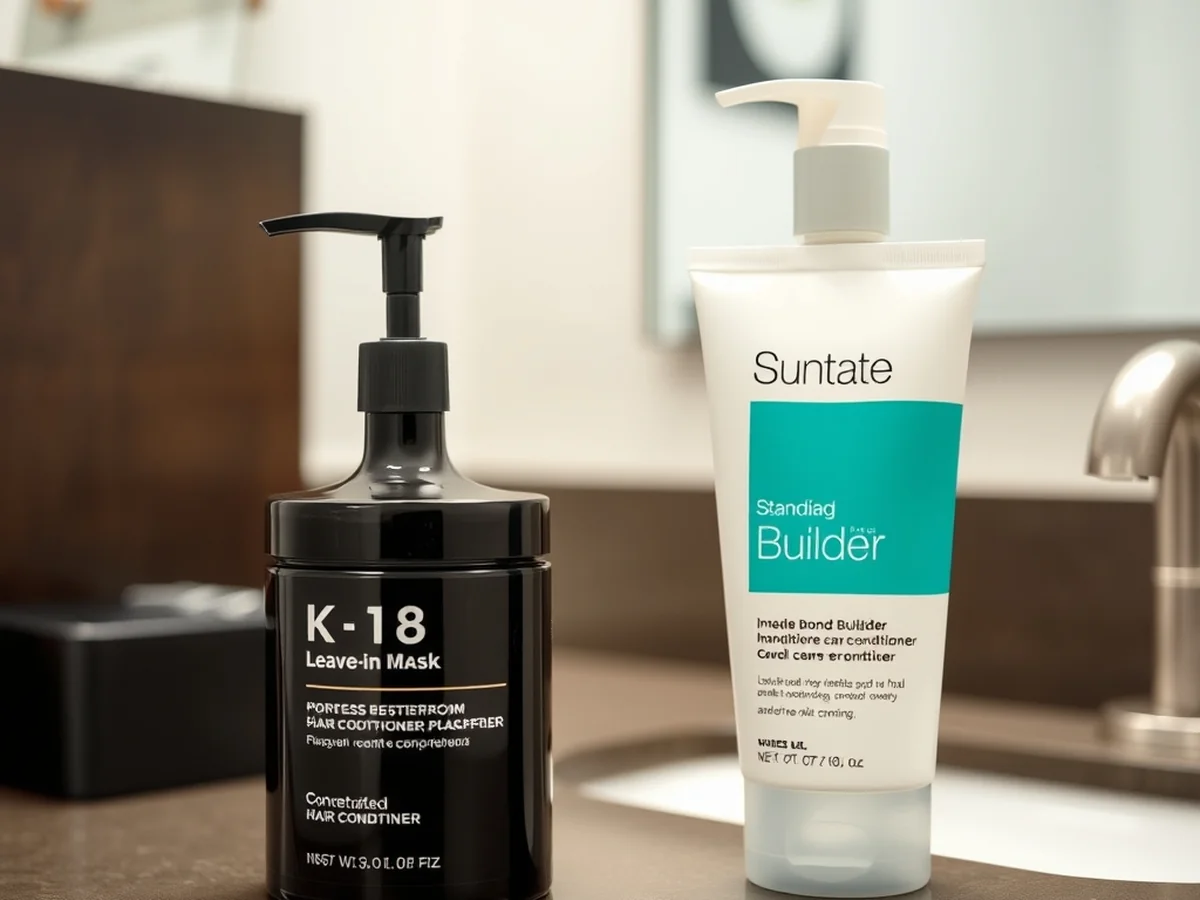
When evaluating the K18 hair mask against other bond builders, the primary distinction lies in how the product interacts with the hair structure compared to traditional conditioning or bonding agents. While many treatments focus on coating the hair cuticle to provide temporary smoothing, this approach emphasizes a different philosophy regarding the use of amino acids and polypeptides to support hair integrity.
| Feature | K18 Leave-In Mask | Typical Bond Builders |
|---|---|---|
| Primary Application | Leave-in | Rinse-out |
| Conditioning Step | Replaces conditioner | Used alongside conditioner |
| Key Mechanism | Peptide-focused | Polymer or bond-linking |
| Hair Texture | All types | Varies by product |
Determining the right choice often depends on your specific chemical history and the current state of your hair. When comparing this treatment to other popular bond builders, users frequently look at the difference between rinse-out bonding systems and leave-in formulations. Traditional bond builders often function as a multi-step process that requires balancing moisture and protein throughout a wash routine. In contrast, this mask is designed to be used as a standalone treatment, which changes the typical layering of styling products.
The suitability of these treatments varies depending on the intensity of damage from oxidative hair color or heat styling. Because this mask is formulated for all hair textures, it acts as a versatile option for those who want to simplify their shower routine. Users with heavily bleached or compromised strands may find that the absence of heavy silicones or conditioning agents makes the hair feel different than it does with traditional masks. This difference in texture is not a sign of poor performance, but rather a reflection of the specific product philosophy which prioritizes structural support over cosmetic coating.
Integration into your hair care routine is straightforward, though it requires a shift in habits if you are accustomed to using traditional deep conditioners. Because it works best on clean hair without the barrier of heavy oils or conditioners, timing is a critical factor for success. Understanding that this treatment is not intended to be a detangler or a smoothing cream helps in managing expectations for daily styling. By focusing on the health of the hair from the inside out, it serves a distinct purpose compared to products that primarily aim for immediate surface-level shine.
Common K18 Application Mistakes

When incorporating a restorative treatment into your routine, the precision of your application is as vital as the product itself. Many users who report hair feeling stiff or dry after using the K18 leave-in mask are often inadvertently disrupting the interaction between the formula and their hair structure. Because this product is highly concentrated, it functions differently than a traditional conditioning treatment. Understanding these nuances is essential for achieving the intended results.
The Role of Hair Texture and Moisture
One of the most frequent errors involves applying the product to hair that is either too wet or too dry. If the hair is saturated with excess water, the formula becomes diluted, which may hinder its ability to penetrate the hair cuticle effectively. Conversely, applying it to dry hair can lead to uneven distribution. The optimal state is clean, damp hair that has been towel-dried to remove excess moisture. By creating a controlled environment, you ensure that the active ingredients can reach the keratin protein chains without being impeded by residual water or external debris.
Product Layering and Interference
A common misconception is that the mask acts like a standard conditioner. Using a conditioner or detangler before the mask creates a physical film on the hair shaft. This barrier prevents the formula from accessing the hair core, effectively neutralizing its purpose. Similarly, layering heavy styling creams or oils immediately after application can trap the product on the surface rather than allowing it to integrate with the hair structure. If your hair feels coated or unmanageable, you may be experiencing product buildup. In such cases, a clarifying shampoo can help reset the hair before your next attempt.
Optimizing Your Routine
To avoid common pitfalls, consider these adjustments to your application habits:
- Dispense only the recommended amount based on your specific hair length and density. Over-applying does not increase efficacy and often results in a waxy or brittle texture.
- Distribute the product evenly by focusing on the ends and working your way toward the roots, ensuring thorough coverage of the most damaged areas.
- Avoid using other styling products until the hair has fully absorbed the treatment. This window allows the ingredients to interact with the hair without interference from external polymers.
- Monitor your progress over the first four to six washes. Consistency during this initial phase is intended to help establish a foundation for the hair, followed by use only as needed for maintenance.
If you find that your hair remains stiff despite following these guidelines, evaluate the other products in your routine. Thick, film-forming silicones can often clash with lightweight reparative formulas. Simplifying your post-wash regimen can help you clarify whether the issue stems from the mask application or from interactions with your other hair care essentials.
K18 Long-Term Results

For optimal maintenance, the K18 peptide hair treatment generally follows a two-phase application cycle. Users typically begin with an initial intensive period involving several consecutive washes, followed by a transition to a maintenance schedule used only as needed to sustain hair health.
This phased approach helps manage the delivery of amino acids to the hair structure. By front-loading the treatment during the first few washes, the hair receives a concentrated introduction to the formula. Once this initial phase is complete, shifting to a less frequent cadence allows the hair to integrate the benefits without unnecessary product saturation.
Concerns regarding protein buildup are common with high-performance hair treatments. Because this formula uses a specific peptide technology rather than traditional film-forming ingredients, it is designed to avoid the heavy, coated feeling often associated with excessive protein accumulation. If hair begins to feel stiff or unresponsive after repeated use, it is usually a sign to extend the intervals between applications rather than a symptom of permanent buildup.
Evaluating the cost per use requires considering your specific hair length and density. Since the product is highly concentrated, only a small amount is required for each application. A single bottle typically lasts longer for those with fine or short hair compared to individuals with thick, long, or highly porous hair, who may need a slightly larger quantity to ensure even distribution.
- Short or fine hair: Requires minimal product, extending the lifespan of the container significantly.
- Medium length or density: Balances the amount of product used with the frequency of application.
- Long or thick hair: Consumes more product per session, which increases the cost per use over time.
To maximize value, focus on applying the mask only to clean, damp hair as directed. Distributing the formula thoroughly from ends to roots ensures that you are not wasting product on areas that do not require repair. Monitoring how your hair responds over several weeks will help you determine the exact frequency required to maintain your desired results while keeping your overall investment manageable.
FAQ
How do I use the K18 leave-in mask?
Apply the treatment to clean, damp hair after shampooing, ensuring you do not use conditioner beforehand. Distribute the product evenly through your strands and wait for the specified timeframe before applying any other styling products.
Does the K18 mask replace my regular conditioner?
The product is intended to function as a standalone treatment rather than a traditional rinse-out conditioner. Depending on your hair type and moisture needs, you may find that you need to adjust your routine to incorporate additional detangling or moisturizing products after the treatment process is complete.
Can I use the K18 mask on color-treated hair?
This treatment is generally compatible with hair that has undergone oxidative hair color or bleaching services. It aims to support hair health, making it a common choice for those maintaining processed locks.
How often should I use the K18 mask?
Many users start by applying the treatment for the first four to six consecutive washes to establish a baseline of hair health. After this initial period, you can transition to using it as needed to maintain your hair condition.
Is the K18 mask suitable for all hair types?
The formula is designed to work across various hair textures and types, ranging from fine to coarse. Its performance can vary based on the level of damage and the specific porosity of your hair cuticle.
Conclusion
Deciding if this treatment fits your routine depends on whether you prioritize targeted repair for chemically processed hair over traditional conditioning methods. If you choose to integrate this product, start with a small amount on clean, damp hair to monitor how your specific hair texture responds to the formula. Evaluating your hair health after the initial recommended usage cycle will provide the best indicator of whether it meets your needs. This k18 leave-in mask review K18 Leave-In Mask Review serves as a guide for understanding how to balance professional-grade care with your everyday styling habits.
You might also like: K18 Vs Olaplex For Fine Hair K18 Vs Olaplex For Fine Hair