
Olaplex Routine Order Step By Step
Introduction
Establishing an effective sequence for your hair care regimen is essential to maximize the performance of each formula, which is why following the Olaplex routine order step by step is a common goal for those managing hair health. Mastering the Olaplex routine order step by step allows you to properly integrate intensive treatments, cleansing agents, and styling products to support the integrity of disulfide bonds.
This guide provides a clear framework for applying these products, helping you distinguish between intensive bond-building treatments and daily maintenance essentials. You will learn the recommended application flow, how to layer formulas correctly, and how to adjust your approach based on your specific hair needs. By following this structure, you can better manage hair porosity and support hair health throughout your styling process.
Understanding Olaplex Numbering System
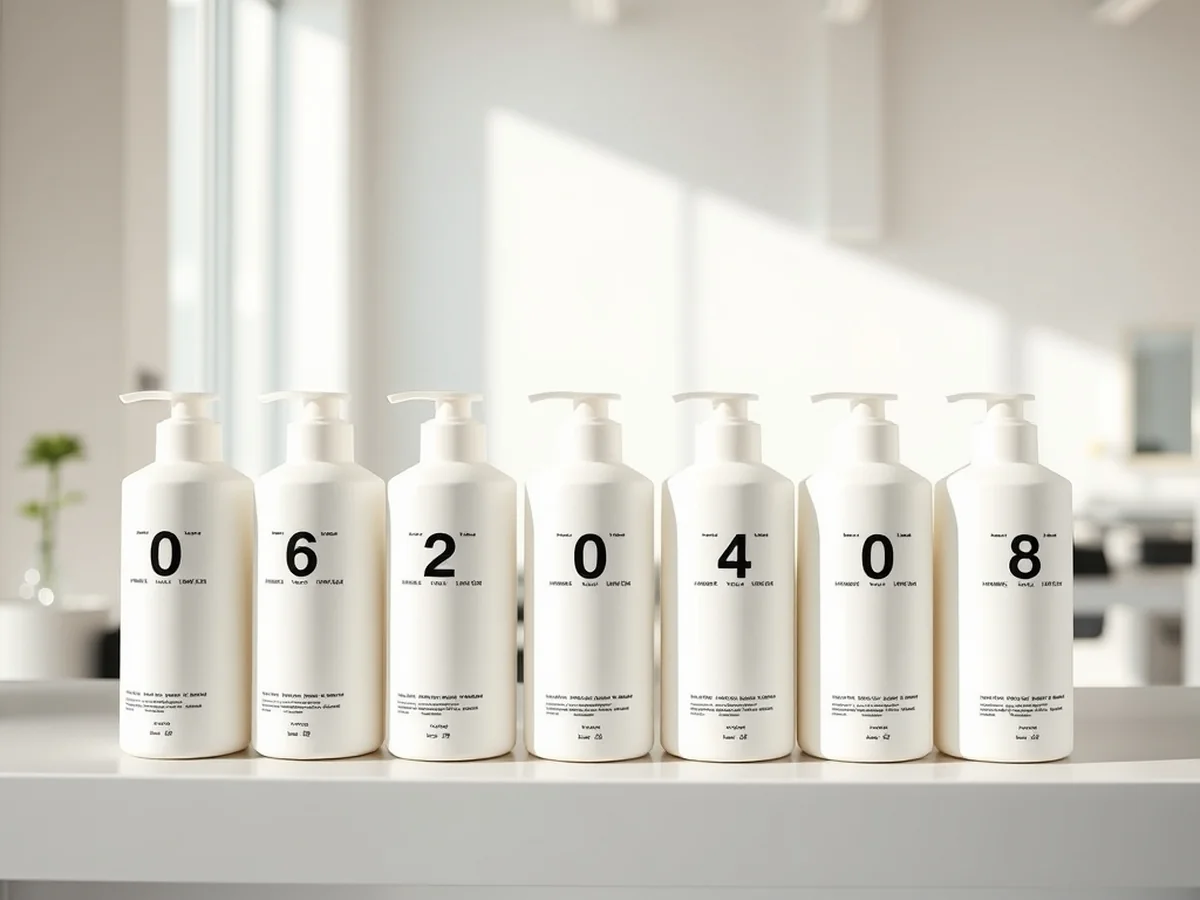
The numbering system organizes products by their specific function within a hair care regimen, ranging from intensive treatments to daily maintenance. Establishing a proper sequence ensures each formula addresses hair needs effectively without product buildup.
At the core of this system is a technology designed to interact with the disulfide bonds within the hair structure. These bonds are essential for maintaining the strength and integrity of hair fibers, which can be compromised by chemical, thermal, or mechanical damage. By focusing on these internal connections, the products aim to support hair health from the inside out. Following the intended order helps maximize the interaction between these active ingredients and your hair, providing a structured approach to repair and protection.
Olaplex Product Numbering Explained
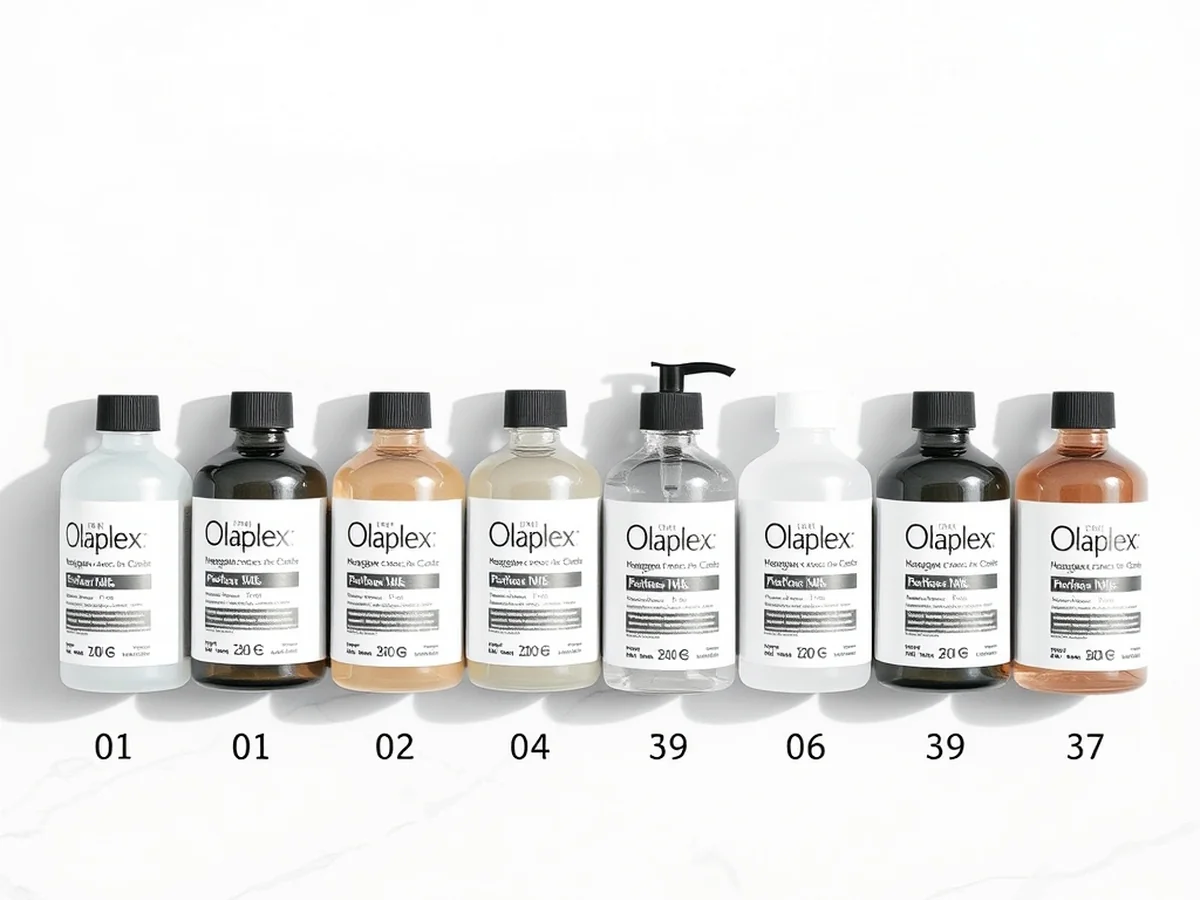
The system uses a sequential numbering approach to categorize products by their function within a routine, moving from intensive pre-wash applications to daily maintenance and styling. Understanding these categories ensures you apply products in an order that maximizes their specific chemical benefits.
| Product Type | Focus | Primary Goal |
|---|---|---|
| Treatments | Bond-building | Repairing disulfide bonds |
| Maintenance | Moisture/Smoothing | Daily health and manageability |
You can organize your regimen by grouping items into pre-wash treatments, wash day essentials, and post-wash styling steps. Treatments containing bond-building technology are generally applied before cleansing, while maintenance products focus on moisture or smoothing to improve the hair cuticle after the hair is clean.
Step by Step Application Order

To follow the proper sequence of Olaplex hair products, you should apply treatments first, cleanse, condition, and then finish with styling products. When learning how to use Olaplex 0 and 3 together, apply the primer to dry hair, wait ten minutes, and layer the treatment directly over it for maximum efficacy before rinsing.
- Apply No. 0 to clean, dry hair in sections, saturating from roots to ends.
- Layer No. 3 over the primer and leave both products on the hair for at least ten minutes.
- Rinse the hair thoroughly, then cleanse using No. 4 shampoo to remove all product residue.
- Apply No. 5 conditioner to the mid-lengths and ends, letting it sit before rinsing.
- Finish with leave-in products like No. 6 or No. 9 for styling and thermal protection.
Adapting Routine by Hair Type
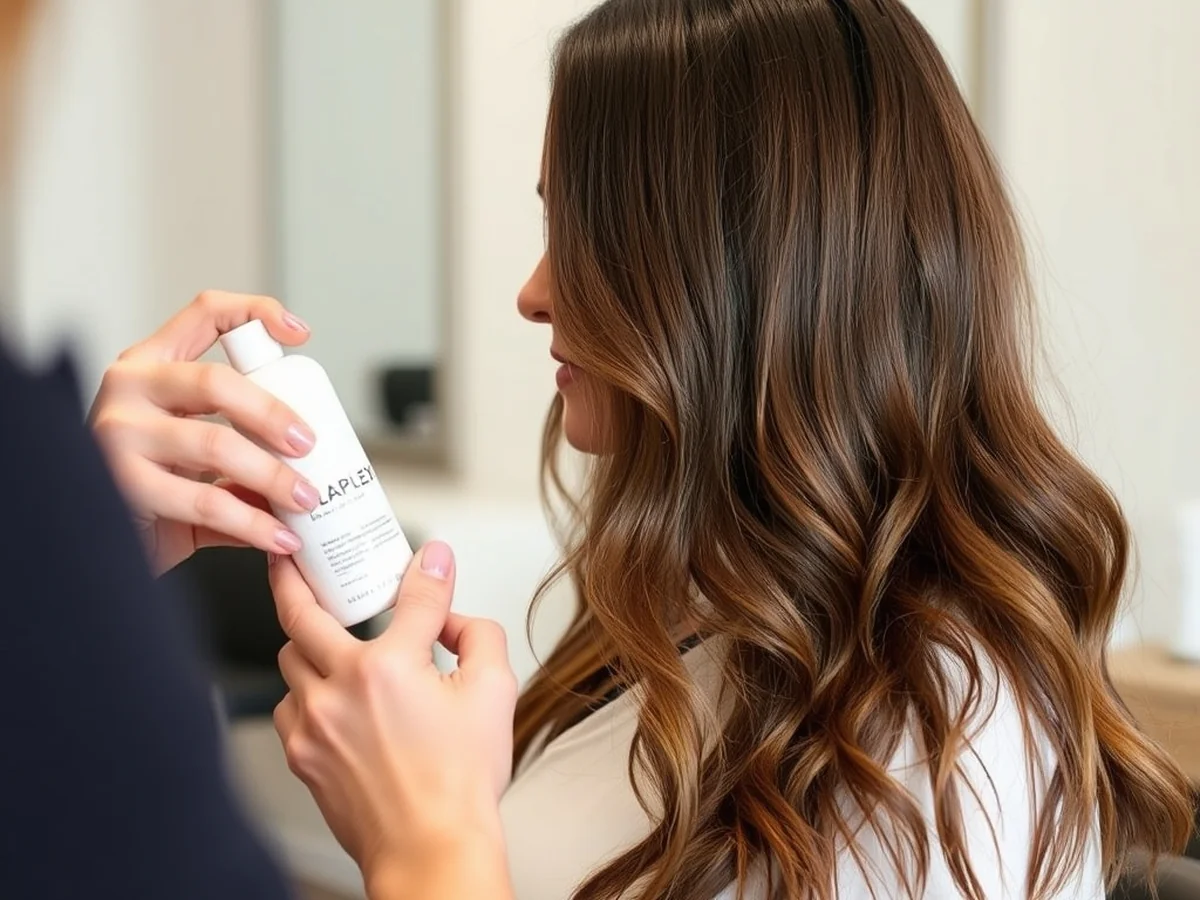
Tailor your hair regimen by adjusting product volume and frequency based on your specific texture and porosity. Fine hair requires lighter application to avoid buildup, while thick or coarse hair often benefits from more frequent moisture to maintain health.
For fine hair, focus leave-in products on the mid-lengths and ends, avoiding the roots to prevent weighing the hair down. You might find that applying a smaller amount of cream or oil is sufficient for shine and thermal protection.
Thick or coarse hair types generally tolerate more frequent conditioning. If your hair is porous, it may absorb moisture quickly, necessitating a more generous application of masks or serums to keep the hair cuticle smooth and hydrated throughout the day.
Frequency and Usage Guidelines

You should not use bond-building treatments every day, as these are designed for targeted repair rather than daily care. While some products in the range are formulated for routine maintenance, intensive bond-repair steps are best reserved for periodic use.
Most users start with an intensive phase of weekly treatments to address visible damage. Once hair health stabilizes, you can transition to a maintenance schedule by spacing out treatments to every two or three weeks. This shift allows the hair to maintain its integrity without over-saturating the hair cuticle.
The scientific distinction lies in the function of the ingredients. Bond-building agents focus on reinforcing internal disulfide bonds, while daily moisturizers work to hydrate and protect the surface. Overusing intensive repair agents can lead to protein buildup, whereas daily moisturizers remain essential for ongoing manageability.
Common Mistakes to Avoid
Avoiding errors in your hair regimen ensures that your products function as intended rather than causing buildup or damage. Following the correct sequence is vital for maintaining the integrity of the hair cuticle and achieving optimal results.
- Failing to shampoo thoroughly after a treatment leaves behind surfactants that can weigh down strands and cause irritation.
- Applying products in the wrong order compromises the hair cuticle by preventing essential ingredients from absorbing properly.
- Using excessively hot water during rinsing can strip the hair of natural oils and interfere with the effectiveness of conditioning agents.
- Applying treatments to overly wet hair dilutes the formula and decreases its overall potency.
- Skipping the rinsing phase between specific steps leads to product layering that prevents proper moisture balance.
Integrating Heat Styling Protection
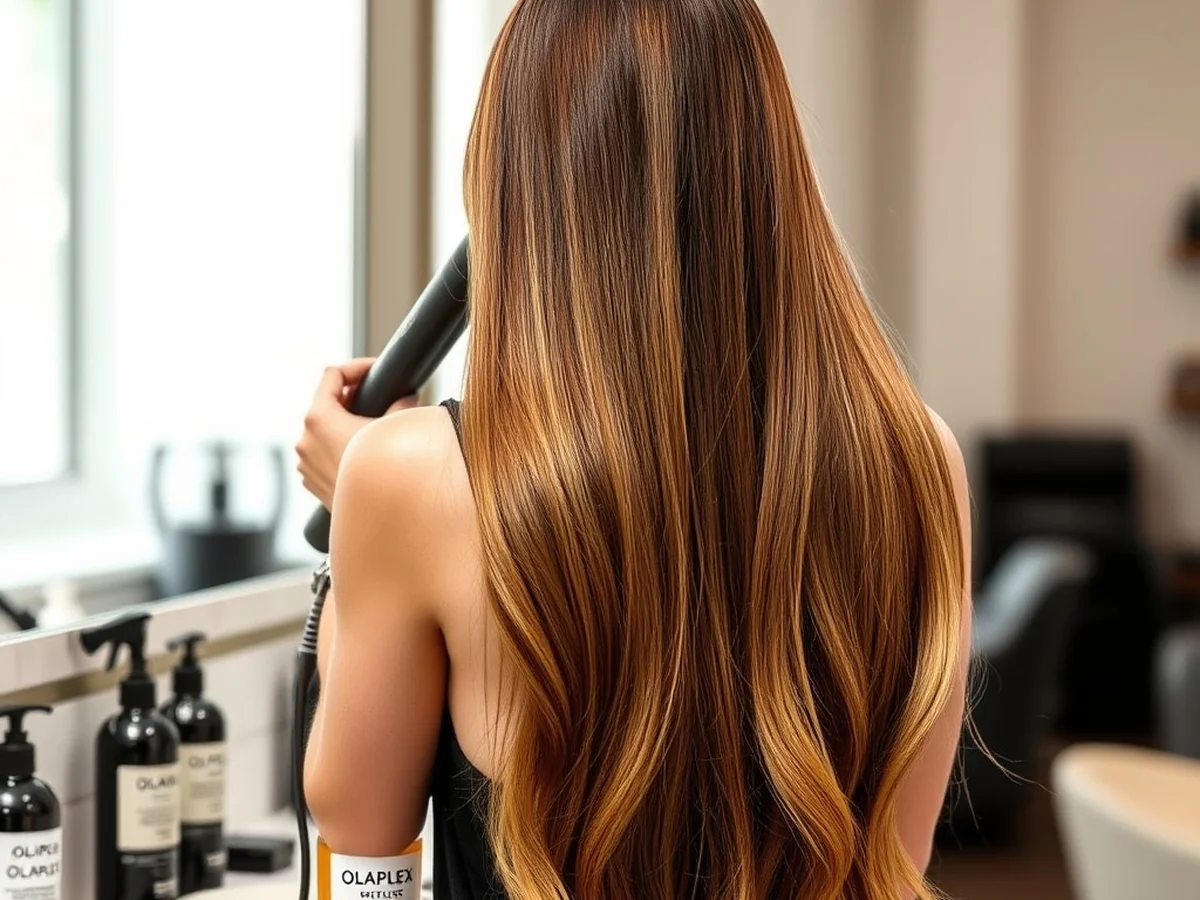
Apply leave-in serums and oils as the final stage of your hair routine, specifically after cleansing and conditioning, but immediately before heat styling. This placement ensures your hair is detangled and protected before high temperatures are applied.
It is important to distinguish between thermal protection and bond repair. Bond repair products target the internal structure of the hair to address structural damage, while thermal protection creates an external barrier to shield the hair cuticle from heat-induced moisture loss. Using Olaplex bonding oil heat protection serves as a final safeguard to minimize damage during blow-drying or flat ironing. This step does not repair existing breakage, but rather prevents further harm during your styling session.
When to Consult Professionals

Seek professional assistance if your hair shows signs of severe compromise, such as persistent breakage, a gummy texture when wet, or extreme porosity that refuses to hold color. While an Olaplex usage guide for damaged hair helps manage general wear, these advanced symptoms suggest structural failure that requires salon-grade intervention.
At-home bond repair products are designed to maintain hair integrity but often lack the potency needed to address deep, systemic damage. Over-the-counter options cannot fully reconstruct disulfide bonds weakened by aggressive chemical processing or high-heat styling. If your hair remains brittle or unresponsive despite consistent care, the internal matrix has likely experienced significant degradation. In these cases, a licensed stylist provides the targeted solutions needed to stabilize your hair structure.
FAQ
What is the correct order to apply the products?
The proper sequence of Olaplex hair products starts with pre-wash treatments like No 0 and No 3, followed by cleansing with No 4 shampoo and conditioning with No 5. Once you move to styling, use leave-in products like No 6 or No 9 before finishing with No 7 bonding oil for thermal protection.
Can I use all products in one wash day?
It is generally not necessary or recommended to use every item in the line during a single wash day, as this can weigh down the hair. Focus on your specific hair porosity and needs, alternating between deep repair treatments and daily maintenance products to avoid product buildup.
How often should I use the bond building treatments?
Bond building treatments like No 3 are typically used once a week for maintenance, though they can be used more frequently if your hair has significant damage. Observe how your hair responds to the treatment to determine the best frequency for your specific hair type.
Do I need to shampoo after using No 3?
You should always shampoo your hair after applying No 3 to ensure all product residue is removed from the hair cuticle. Skipping the shampoo step can leave hair feeling heavy or coated, preventing other conditioning agents from absorbing effectively.
Is No 3 a conditioner or a treatment?
No 3 is a reparative treatment designed to support the hair structure rather than a traditional rinse-out conditioner. While it helps improve the look and feel of the hair, it should be followed by a standard conditioner or a moisture-focused mask to ensure proper hydration.
Conclusion
The primary decision point for your hair health is determining whether your strands currently require intensive bond repair or simply consistent moisture maintenance. If you are struggling with visible chemical or heat damage, prioritize the treatment steps before transitioning to the lighter maintenance products in your regimen. Always assess your hair texture and porosity before finalizing your personal olaplex routine order step by step. By observing how your hair responds to these applications over several weeks, you can effectively adjust your frequency to maintain the integrity of your disulfide bonds without overloading your hair cuticle.
You might also like: How To Use K18 And Olaplex Together How To Use K18 And Olaplex Togethe