
Dry Shampoo Mistakes To Avoid Dry Shampoo Mistakes To Avoid
Introduction
You can improve your hair routine by learning about dry shampoo mistakes to avoid within your daily styling habits. Addressing these frequent errors will help you achieve better volume and manage hair oil effectively.
This article covers the most frequent application blunders that lead to visible residue or scalp discomfort. You will learn the best way to apply dry shampoo to keep your hair looking fresh, how to manage product accumulation, and the appropriate balance between dry shampoo use and traditional washing. We also explore how different ingredients and application techniques impact your scalp health and overall hair aesthetics.
How Dry Shampoo Functions

Dry shampoo serves as a functional styling aid designed to refresh your appearance rather than a substitute for traditional washing with water and cleanser. It does not lift away dirt or bacteria, meaning it lacks the deep cleaning properties of standard hygiene routines.
Understanding the intended use of this product helps you avoid common application errors that might otherwise compromise your hair and scalp health. When you rely on these sprays or powders as a total replacement for washing, you may notice unwanted accumulation on your scalp. Learning how to use dry shampoo correctly ensures your routine supports both your aesthetic goals and the long-term condition of your hair follicles.
How Dry Shampoo Works
Dry shampoo functions by managing sebum at the roots rather than cleaning dirt or bacteria from the hair. These products rely on absorbent starches to soak up excess oil, which helps hair appear fresher between washes.
Formulations typically use ingredients like cornstarch or rice starch to pull sebum away from the strands. You will generally find these products in two main delivery systems:
- Aerosol propellants: These spray formulas provide a fine mist that covers hair evenly, making them convenient for quick touch-ups.
- Powder formulations: These loose or shaker-style products offer a more targeted application, often preferred for creating volume or texture.
Remember that while these starches refresh your look, they do not replace the cleansing power of water and soap.
Common Dry Shampoo Mistakes

You can easily improve your results and achieve a cleaner look by being mindful of common application errors. Avoiding these frequent dry shampoo mistakes helps ensure your hair looks refreshed rather than dull or powdery.
- Holding the nozzle too close to your head often creates concentrated spots that are difficult to blend.
- Applying an excessive amount of product frequently leads to visible residue that lingers on dark hair.
- Skipping the massage or brushing step prevents the powder from working effectively at the roots.
- Failing to work the formula through your hair properly makes fixing white residue from dry shampoo significantly harder.
- Targeting only the top layer of hair leaves the oil underneath the roots untouched.
Proper Application Techniques

You can achieve the best results by refining your technique to ensure even coverage and optimal absorption. Mastering the best way to apply dry shampoo involves simple adjustments to your routine that prevent common aesthetic issues.
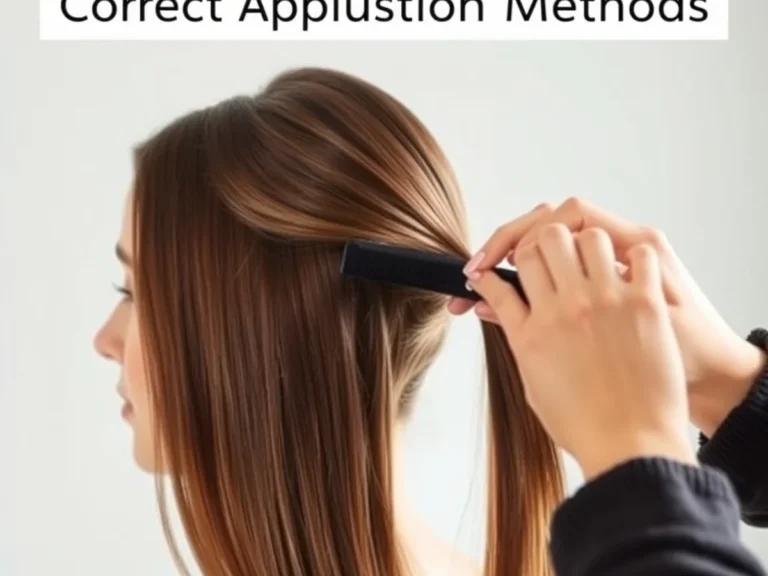
- Create clean parts in your hair using a comb or your fingers to expose the roots directly rather than spraying only the top layer.
- Hold the aerosol canister several inches away from your head to ensure the mist distributes evenly across your scalp.
- Apply the product to your roots before going to bed, which allows the formula to absorb oils overnight as they develop.
- Massage the product gently into your scalp with your fingertips to help the ingredients work effectively.
Preventing Scalp Buildup

You can avoid potential irritation by ensuring product residues do not linger on your skin. When particles collect near the hair follicle, they may create a physical barrier that impacts your natural scalp microbiome. While many wonder if is dry shampoo bad for your hair, the primary concern is the accumulation of starch-based ingredients that remain even after styling.
Regular, gentle cleansing is essential to clear dry shampoo buildup on scalp surfaces. Follow these steps to maintain a healthy environment:
- Massage the scalp thoroughly with a clarifying shampoo to lift stubborn deposits.
- Use a soft-bristled brush to gently exfoliate the skin before wetting your hair.
- Limit consecutive applications between regular washes to allow your skin to breathe.
Mistakes by Hair Type

Tailoring your technique to your hair type prevents product overload and ensures even coverage. Fine hair often requires lighter application to avoid weighing strands down, while thick hair may need sectioning to reach the roots effectively.
- Curly textures benefit from applying product to sections rather than brushing, which helps maintain curl integrity while addressing oil.
- High porosity hair tends to absorb product quickly, so start with small amounts to avoid an overly dry or stiff texture.
- Low porosity hair may experience more visible residue, as the product sits on the surface longer before settling.
Adjusting how you distribute the formula based on these characteristics keeps hair looking fresh without compromising volume or texture.
Avoiding Volumizing Errors

Preventing volumizing errors starts by keeping the product away from the ends and focusing entirely on the roots where lift matters most. Spraying too low weighs down the hair and ruins your style.
Many people struggle with flat styles because they only apply the formula when locks are already greasy. You can actually use the powder on fresh hair for extra texture and grip. Section the hair carefully to target strategic zones instead of coating the top layer.
When to Avoid Dry Shampoo
Skip the powder and choose a traditional wash when you notice heavy product accumulation or persistent scalp irritation. Regular cleansing with water is necessary to maintain proper scalp health.
Product buildup occurs when powders and starches layer on the scalp over time without proper removal. This accumulation can weigh down your hair and create a dull texture. If your skin feels sensitive or itchy, give your hair a thorough wash.
FAQ
Why does my dry shampoo leave a white cast?
Visible powder patches usually happen when you spray the formula too close to your head or apply too much product in one spot. Most formulas rely on ingredients like cornstarch or rice starch to absorb oils, which can show up clearly on darker strands. Letting the product sit for a few minutes before brushing it through helps eliminate this issue and distributes the powder evenly.
How often should I use dry shampoo?
Limiting use to one or two days between regular washes keeps your hair looking fresh without causing heavy accumulation. Relying on it constantly can lead to unwanted residue on the scalp and hair follicle areas. Regular cleansing is always necessary to maintain a balanced scalp environment because dry shampoo is not a substitute for traditional washing with water.
Can I use dry shampoo on clean hair?
Stylists often spray a small amount of product onto freshly washed hair to add grip and volume. This technique prevents fine strands from falling flat throughout the day and helps hold styles in place. Applying a light mist before bed also allows the product to absorb oil overnight as it is produced.
What happens if I use dry shampoo every day?
Skipping traditional washes for too many days in a row allows powder and oils to collect near the roots. Over time, excessive dry shampoo buildup on the scalp can create a heavy film that affects hair texture. Incorporating traditional cleansing days into your routine prevents this heavy accumulation and keeps your roots feeling light.
How do I apply dry shampoo correctly?
Sectioning your hair and targeting the root areas directly ensures even coverage where oil production happens. Holding the bottle at an adequate distance prevents concentrated patches of powder. Massaging the product gently into the scalp activates the ingredients, and finishing with a thorough brushing helps remove visible residue.
Conclusion
The best next step is reviewing your routine to identify any dry shampoo mistakes to avoid that might be weighing down your hair. Adjusting how you apply and remove the product helps protect your scalp while keeping your style fresh. You can achieve better volume and a cleaner finish simply by applying these better habits.
You might also like: K18 Vs Olaplex For Fine Hair K18 Vs Olaplex For Fine Hair