Best Dry Shampoo For Volume Best Dry Shampoo For Volume
Introduction
Selecting the best dry shampoo for volume requires identifying formulas that balance oil absorption with structural lift. When searching for the Best Dry Shampoo for Volume, you need a product that refreshes your roots while achieving a fuller, more lifted appearance.
This article examines the key ingredients that provide texture and grip, helping you distinguish between products that merely mask oil and those that add meaningful density. You will learn about the science behind various starch and clay bases, effective application techniques for maximum lift, and the importance of maintaining scalp health when using these products between washes. By understanding how different formulations interact with your specific hair type, you can make an informed choice that elevates your styling routine without compromising the condition of your hair or scalp.
Top Picks for Volume
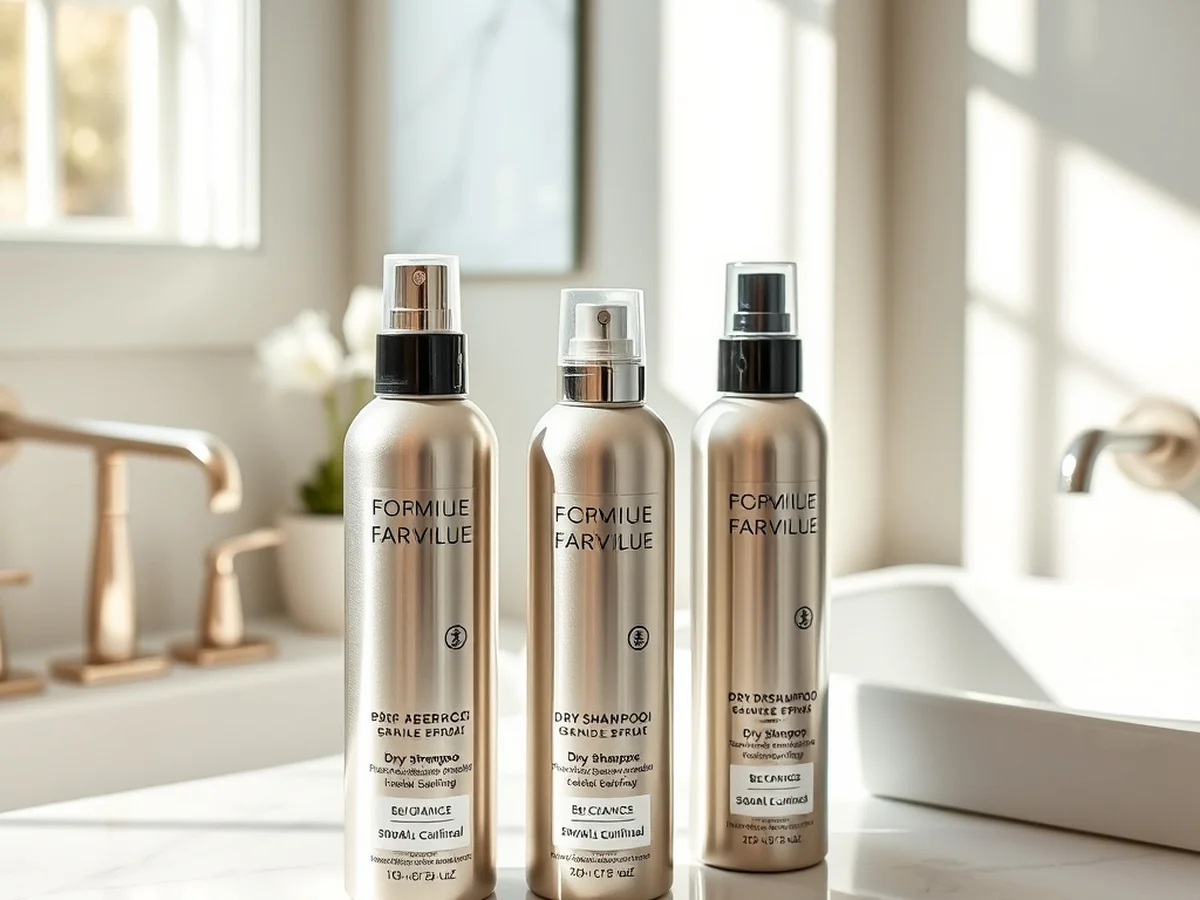
High-performing volumizing dry shampoos function by creating structural lift at the root rather than simply removing oil. By adding texture to the hair shaft, these formulas prevent strands from lying flat against the scalp, which is essential for achieving a full, lifted appearance.
To build this necessary friction, many products rely on specific ingredients that coat the hair and provide grip. These components work by:
- Increasing the diameter of individual strands with fine powders like silica or rice starch.
- Using minerals such as kaolin clay to absorb sebum while simultaneously adding tactile resistance.
- Creating space between hair follicles, which allows for increased airflow and a more voluminous, airy texture throughout the day.
How Dry Shampoo Creates Volume

Dry shampoo adds lift to hair roots by introducing texture and friction that physically separates the hair strands. When these microscopic particles coat the hair shaft, they prevent strands from lying flat against the scalp, which is a key part of how to get volume with dry shampoo.
Formulas achieve this effect in different ways:
- Heavy starches effectively absorb oil but can weigh down fine hair if applied too liberally.
- Lightweight volumizers use minerals like silica to provide grip without adding excessive weight to the follicle.
Polymers integrated into these sprays provide the necessary structural hold. These molecules create a flexible bridge between hair fibers, maintaining height and shape throughout the day while resisting the natural tendency of hair to fall flat.
Key Ingredients for Lift

Effective volume relies on ingredients that manage sebum while providing structural support to the hair shaft. Starches like rice starch and aluminum starch octenylsuccinate are commonly used to absorb excess oil, creating a clean base that prevents hair from becoming weighed down. When looking for a volumizing dry shampoo for fine hair, these components serve as the foundation for lift by removing the heavy oils that cause strands to collapse against the scalp.
| Ingredient | Primary Function |
|---|---|
| Silica | Adds friction and texture |
| Kaolin clay | Provides oil absorption and grip |
Texture modifiers like silica and kaolin clay offer distinct benefits depending on your hair porosity. Silica creates space between strands by adding lightweight friction, which is ideal for fine, low-porosity hair that requires lift without heavy buildup. Conversely, kaolin clay offers a more substantial grip, making it a reliable choice for thicker or higher-porosity hair that needs extra structure to maintain a style. Selecting the right balance ensures your hair remains airy rather than stiff.
Mastering Application Techniques

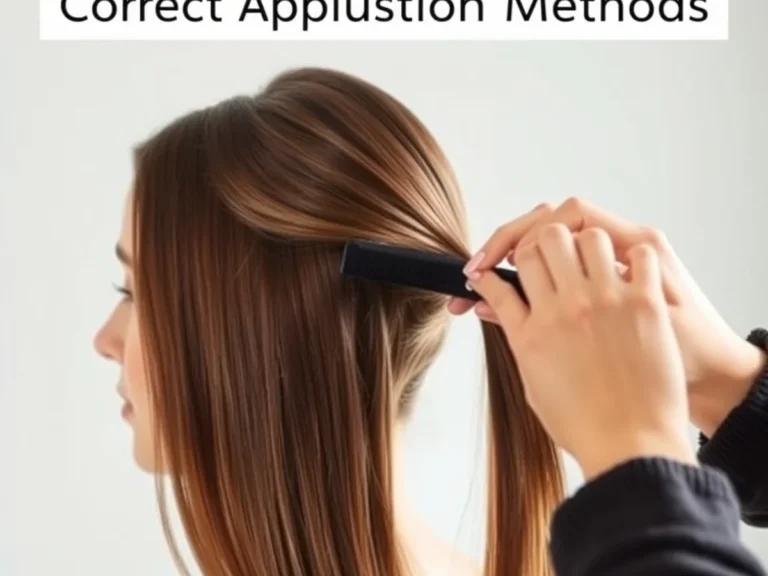
Achieving professional results requires precise dry shampoo application techniques for lift that focus on scalp coverage and product dispersion. Proper technique ensures you gain maximum volume while preventing uneven residue buildup.
- Create horizontal sections about an inch apart starting from the crown to ensure the formula reaches the roots where oil accumulates.
- Hold the aerosol canister at least eight to ten inches away from your head to maintain an even, fine mist rather than a concentrated spray.
- Apply the product using short, controlled bursts to keep the pressure consistent and avoid over-saturating specific areas.
- Massage the scalp thoroughly with your fingertips to distribute the powder and work it into the roots for added texture.
- Allow the product to sit for a minute before brushing or fluffing your hair to let the ingredients absorb excess sebum effectively.
- If you have a dark base, use a hair dryer on a cool setting or a bristle brush to disperse any remaining white particles until they vanish.
Common Usage Mistakes

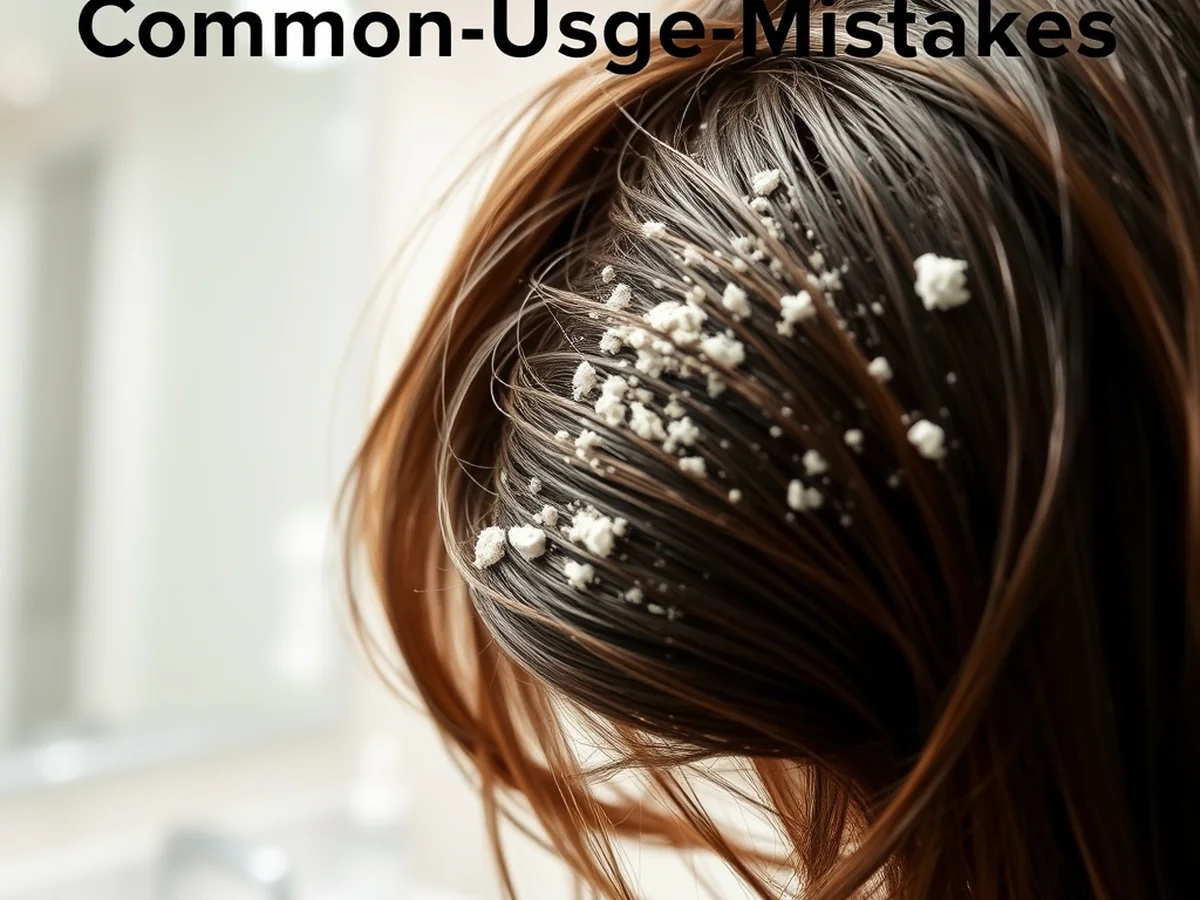
Achieving maximum lift often comes down to precise application techniques rather than the product alone. Common errors frequently undermine your results and scalp health.
- Applying powder to damp hair causes clumping and prevents the formula from effectively gripping the hair shaft for height.
- Oversaturating the scalp creates a heavy, caked layer that blocks follicles and can lead to unwanted irritation over time.
- Brushing through your hair after application is essential to distribute the product evenly and remove excess powder for a natural finish.
- Targeting the mid-lengths instead of focusing directly on the roots misses the primary area where lift is generated.
- Failing to let the product sit for a moment before styling limits its ability to absorb sebum properly.
Scalp Health and Buildup

Regular cleansing is essential to prevent follicle blockage caused by the accumulation of styling powders and excess sebum. When dry shampoo remains on the scalp for extended periods, it can trap dead skin cells and environmental debris, potentially leading to irritation or discomfort. While some users worry whether does dry shampoo cause hair loss, the primary concern is usually the physical impact of long term buildup.
To ensure your scalp remains healthy, focus on effective removal during your next wash:
- Massage a clarifying shampoo directly into the roots to break down stubborn residues.
- Use a scalp brush or your fingertips to gently exfoliate the skin.
- Double cleanse if you use heavy styling products.
Spray vs Powder Volume
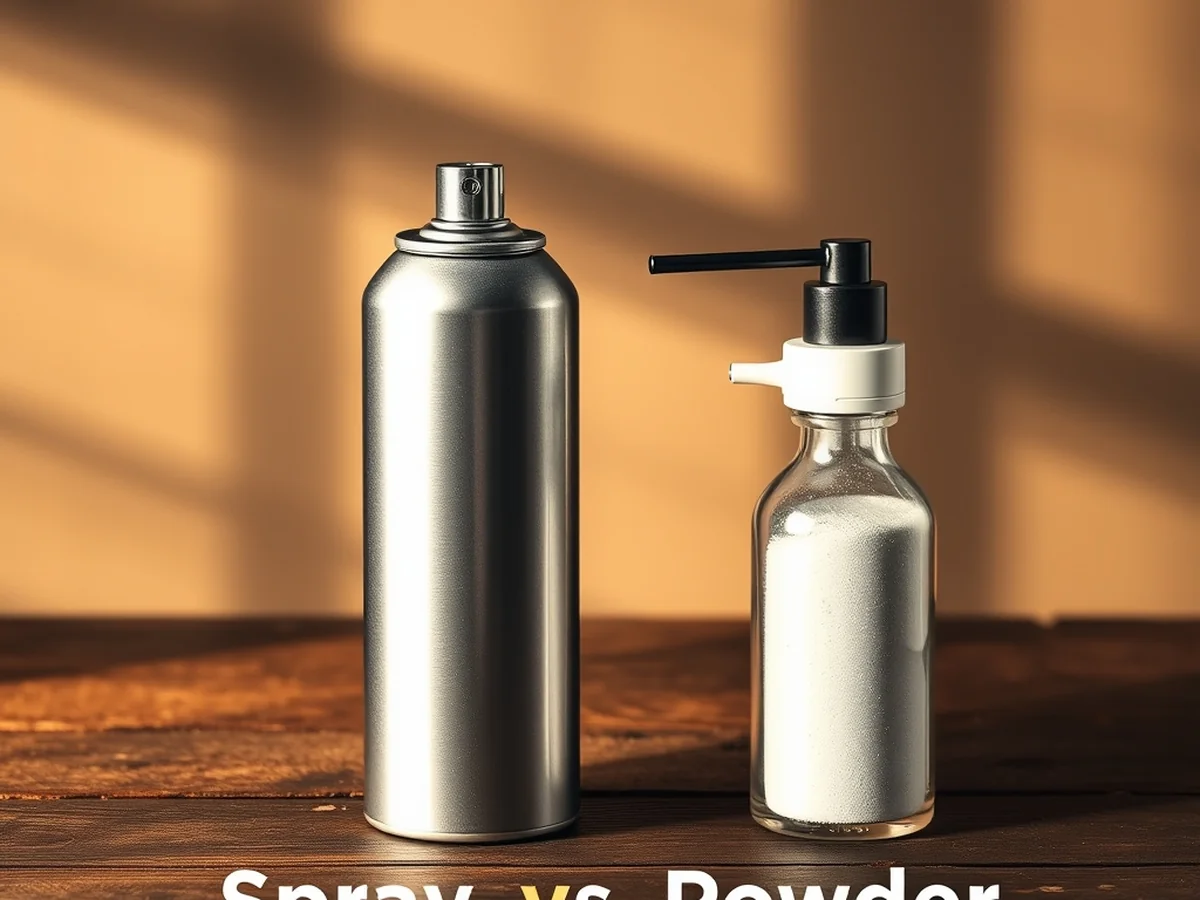
Aerosol sprays and non-aerosol powders offer distinct advantages for achieving lift, primarily differing in application precision and travel convenience. Aerosols use pressurized gas to distribute product evenly across the scalp, while manual powder dispensers provide targeted control for specific sections.
| Feature | Aerosol Spray | Powder Dispenser |
|---|---|---|
| Application | Broad mist | Targeted shake |
| Travel | Size restricted | Compact/Travel-friendly |
| Finish | Weightless feel | High texture/Grip |
When selecting the best dry shampoo for oily roots and volume, consider your specific needs. Aerosols are ideal for quick, full-head refreshes, whereas powder dispensers excel at creating structural volume and grit. Choosing between them often comes down to balancing styling speed with the portability required for your lifestyle.
Professional Volume Styling Tips

Achieving lasting root lift requires watching for signs of scalp irritation or persistent buildup. Heavy product accumulation can weigh hair down and block follicles over time. Noticeable flaking or tenderness means you should wash thoroughly and scale back your routine.
It helps to know the difference between normal daily shedding and hair loss concerns. Losing a normal amount of strands daily is standard, but excessive thinning or patchy loss warrants a closer look at your hair care habits.
Consulting a professional for personalized hair care routines ensures your scalp stays healthy while you use volumizing powders. Experts can guide you on proper cleansing frequency and safe styling practices.
FAQ
How do I prevent dry shampoo from looking white in my dark hair?
You can minimize visible residue by holding the canister at least six to eight inches away from your scalp during application. After spraying, let the product sit for a few minutes before massaging it thoroughly into your roots with your fingertips to blend the formula completely.
Does dry shampoo actually clean my hair or just mask oil?
Dry shampoo does not clean your hair in the same way as traditional water-based shampoo, as it functions primarily by absorbing excess sebum from the scalp. It is designed to refresh your style and manage oil between washes rather than removing dirt, sweat, or environmental debris.
How often is it safe to use dry shampoo?
It is generally best to use dry shampoo sparingly and avoid relying on it for multiple consecutive days. Frequent use without regular, thorough scalp cleansing can lead to product buildup, which may cause irritation or interfere with the health of your hair follicles.
Can dry shampoo cause hair loss or scalp issues?
While dry shampoo is a standard styling aid, excessive buildup on the scalp can create an environment that leads to clogged follicles and potential inflammation. If you notice persistent itching or scalp sensitivity, it is advisable to discontinue use and prioritize deep cleansing to restore your scalp health.
What is the best technique to get volume at the roots?
To achieve maximum lift, section your hair and apply the product directly to the roots rather than the mid-lengths or ends. Once applied, use your fingers to lift the hair upward at the root while massaging the powder in, which helps create the texture and structural support needed for a voluminous look.
Conclusion
Selecting the right product depends on your hair type, scalp sensitivity, and desired level of lift. Test different ingredient formulations to see how your roots respond before committing to a daily styling routine. Finding the best dry shampoo for volume Best Dry Shampoo for Volume ultimately comes down to balancing oil absorption with lightweight texture. Give your scalp regular thorough washes to maintain healthy hair follicles over time.
You might also like: K18 Vs Olaplex For Fine Hair K18 Vs Olaplex For Fine Hair