

K18 Vs Olaplex For Fine Hair
Introduction
Selecting the right treatment for delicate strands requires a clear understanding of your specific needs, as comparing k18 vs olaplex for fine hair involves looking at how different formulas interact with structural integrity. When deciding between K18 vs Olaplex for Fine Hair, the primary challenge for those with thin or fragile textures is choosing a solution that offers repair without adding unwanted weight or residue.
This article provides an objective analysis of how these two distinct technologies function to address damage without compromising hair volume. We examine the differences between bond maintenance and peptide-based repair, offering guidance on product application and ingredient profiles. You will learn how to identify the specific requirements of fine hair and determine which approach best suits your routine for maintaining strength and manageability.
K18 vs Olaplex Overview

Choosing between K18 and Olaplex for fine hair depends on how each technology interacts with your specific hair structure. Fine hair typically has lower density and a smaller diameter, making it more susceptible to breakage and physical damage. Selecting the best hair treatment for fine damaged hair requires balancing repair efficacy with a lightweight finish that avoids weighing down individual strands.
These two brands utilize distinct approaches to hair health:
- Olaplex focuses on bond building technology intended to address structural integrity.
- K18 utilizes peptide repair designed to work at a molecular level to reconnect broken chains.
Understanding the difference between bond building vs peptide hair repair helps you identify which formula aligns with your hair’s needs. Proper selection prevents product buildup while providing the necessary support for delicate, thinner hair textures.
Fine Hair Needs Explained

Fine hair possesses a smaller diameter and fewer cuticle layers compared to coarse strands, making it structurally more fragile. These physical characteristics mean the internal protein structure is less protected against external stressors.
Because fine hair lacks the robust, multi-layered cuticle found in thicker hair types, it is significantly more susceptible to mechanical and chemical damage. Everyday stressors like heat styling, brushing, and chemical processing penetrate the core of the hair shaft more easily, often leading to rapid degradation of integrity.
Finding the best hair treatment for fine damaged hair requires balancing internal repair with weightless results. The primary challenge lies in delivering active ingredients to the hair fiber without leaving behind surface-level residue. Heavy ingredients often cause buildup, which creates a limp, flat appearance that fine hair cannot support.
Bond Building vs Peptide Repair

The fundamental technical distinction between these two approaches lies in how they address structural damage. Bond building technologies focus on maintaining the internal disulfide bonds that provide structural integrity to the hair. In contrast, peptide repair aims to address the polypeptide chains that form the backbone of the hair fiber.
These mechanisms interact with the hair shaft through distinct biological pathways. While bond builders work to stabilize existing structures within the cortex, peptide treatments are designed to penetrate the hair to integrate with its protein composition. This defines the primary difference between Olaplex and K18 in terms of their molecular objective.
Each approach affects the cuticle differently. Bond builders typically function as a stabilizing force, while peptide technologies emphasize internal reconstruction. Understanding this bond building vs peptide hair repair distinction helps in selecting the right approach for maintaining fine hair integrity.
Comparing Weight and Buildup

For individuals with thin strands, choosing a repair solution requires balancing effective restoration with a lightweight finish to ensure hair remains voluminous. Both K18 and Olaplex interact differently with hair surfaces, influencing how much residual product lingers after application.
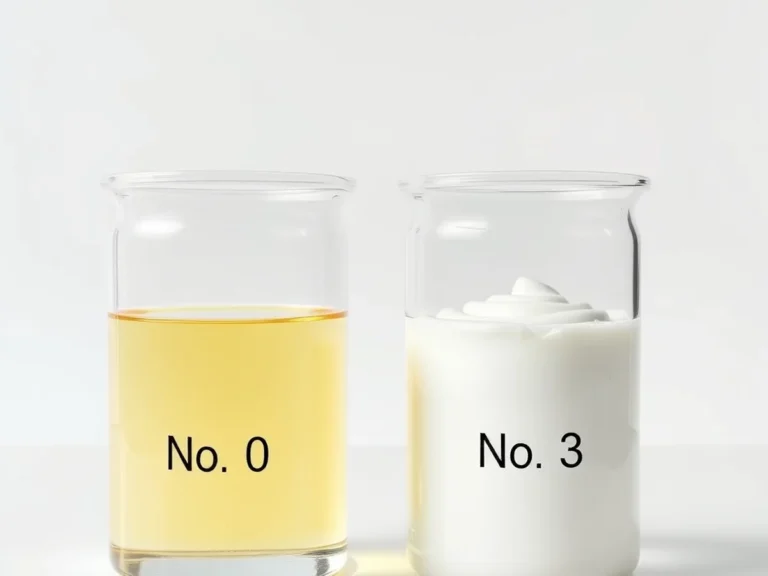
| Feature | K18 Mask | Olaplex No. 3 |
|---|---|---|
| Application style | Leave-in | Rinse-out |
| Formula base | Peptide-focused | Bond-building |
| Rinse requirement | No | Yes |
K18 is designed as a leave-in treatment, which means it is engineered to penetrate the hair cuticle without leaving heavy residues that typically flatten fine textures. In contrast, Olaplex No. 3 is a rinse-out treatment, requiring thorough removal after the processing time to prevent potential buildup. Understanding these application differences is essential when learning how to repair fine hair without weighing it down, as the wrong product choice can lead to unwanted limpness.
Application Tips for Thin Hair

To avoid weighing down fine strands, use minimal product amounts and distribute them with precision. Because fine hair lacks the density to absorb heavy formulas, focusing on dosage is essential to prevent limp, greasy results.
- Dispense the product into your palms and emulsify it thoroughly before making contact with the hair.
- Start application at the mid-lengths, working downward toward the ends where damage is most concentrated.
- Use a wide-tooth comb to ensure even coverage across the hair cuticle without pulling on fragile strands.
- Avoid applying treatment directly to the scalp or roots to maintain natural volume and lift.
- If you find the product too heavy, experiment with lightly misting your hair with water before application to assist with distribution.
- Follow specific timing guidelines for each treatment to ensure maximum effectiveness without unnecessary buildup.
Common Application Mistakes

Applying hair repair treatments too frequently or ignoring specific usage protocols often leads to product buildup, causing fine hair to feel stiff, brittle, or weighed down. When hair becomes overloaded with protein or heavy conditioning agents, it loses its natural movement and volume.
- Overusing bond-building or peptide-based products can cause a texture change, making strands feel unnaturally rigid rather than smooth.
- Leaving a rinse-out formula in the hair instead of washing it away prevents the cuticle from settling properly and adds unwanted weight.
- Skipping the recommended cleansing step before application often results in a barrier of surface debris that blocks the product from working effectively.
- Applying too much product to thin hair creates a film that makes strands appear limp and greasy rather than revitalized.
- Using these intensive treatments every time you wash can lead to significant protein buildup over several weeks.
Professional Treatment Advice

Consult a professional stylist when your hair shows signs of severe compromise, such as extreme elasticity, persistent breakage, or a gummy texture when wet. These indicators suggest structural damage that store-bought treatments cannot fix. A stylist can assess if your hair requires intensive bond-building interventions or a personalized recovery routine.
Determining whether your hair needs moisture or protein depends on its response to simple tests. If hair snaps easily when pulled, it likely lacks protein. If it feels dry, brittle, or lacks elasticity, it may need moisture. You might wonder if is K18 better than Olaplex for thin hair in these scenarios, but a professional will evaluate your hair’s porosity and texture to choose the appropriate technology. Avoid over-treating fine strands, as improper product use can lead to unwanted buildup or loss of natural volume.
FAQ
Which treatment is less likely to weigh down fine hair?
Both products are formulated to be lightweight, but the leave-in nature of K18 often feels less heavy than traditional rinse-out treatments. Because it is applied sparingly to clean, damp hair, it avoids the heavy residue that can sometimes occur with heavier conditioning masks.
Can I use K18 and Olaplex together in my routine?
It is generally recommended to pick one primary repair system rather than layering them simultaneously to avoid product buildup. Overloading fine hair with multiple high-potency treatments can lead to limpness, so alternating them or using one as a primary repair tool is more effective.
How often should fine hair be treated with these products?
Frequency depends on the level of damage, though most users start with a concentrated period of use before transitioning to maintenance. For fine hair, monitor how your strands feel after a few applications to ensure they do not become brittle from excessive protein or bond-reinforcing ingredients.
Do I need to shampoo before applying these treatments?
Clean hair is essential for both, as oils and styling products can block the active ingredients from reaching the hair cuticle. Skipping the shampoo step often results in uneven application and less effective results, especially for those with fine, oily hair types.
Is K18 better than Olaplex for thin hair?
The choice between them often comes down to personal preference regarding your application routine and hair needs. K18 focuses on a leave-in peptide approach, while Olaplex centers on a bond-maintenance system, and both offer benefits for those seeking to repair hair without adding excess weight.
Conclusion
The best choice when considering k18 vs olaplex for fine hair depends on your primary hair goals and your tolerance for routine steps. If you prefer a minimalist approach that avoids potential buildup, a leave-in peptide treatment may offer the weightless finish you need. Alternatively, if your fine hair requires a structured system for consistent maintenance, a bond-focused regimen could be the preferred path.
Start by assessing your hair’s current level of damage and whether it feels brittle or simply lacks density. Testing one product for a few weeks will help you determine how your strands respond to the specific technology before committing to a long-term routine.
You might also like: How To Use K18 And Olaplex Together How To Use K18 And Olaplex Togethe



2 Comments