
K18 vs Olaplex: Which Bond Repair Is Better?
Introduction
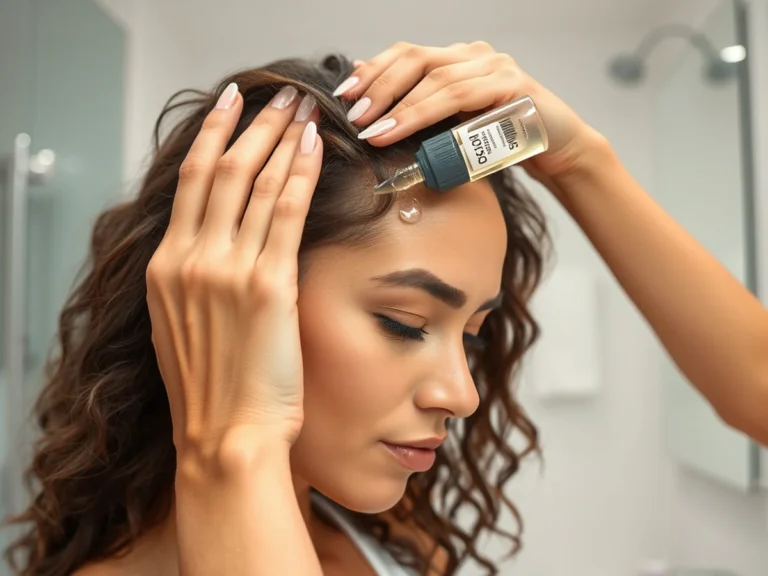
Deciding the winner of k18 vs olaplex depends entirely on your hair type, damage level, and routine preferences, because both brands use different technologies to restore compromised strands. Olaplex relies on patented chemistry to reconnect broken disulfide bonds inside the hair shaft, while K18 utilizes a specific biopeptide to mimic natural hair structure and repair damage at a molecular level.
This article compares both product lines by breaking down their ingredients, application methods, and overall effectiveness. You will learn how each treatment works on bleached, colored, or heat styled hair so you can choose the right option for your specific beauty routine.
Understanding Hair Damage And Bond Repair Science
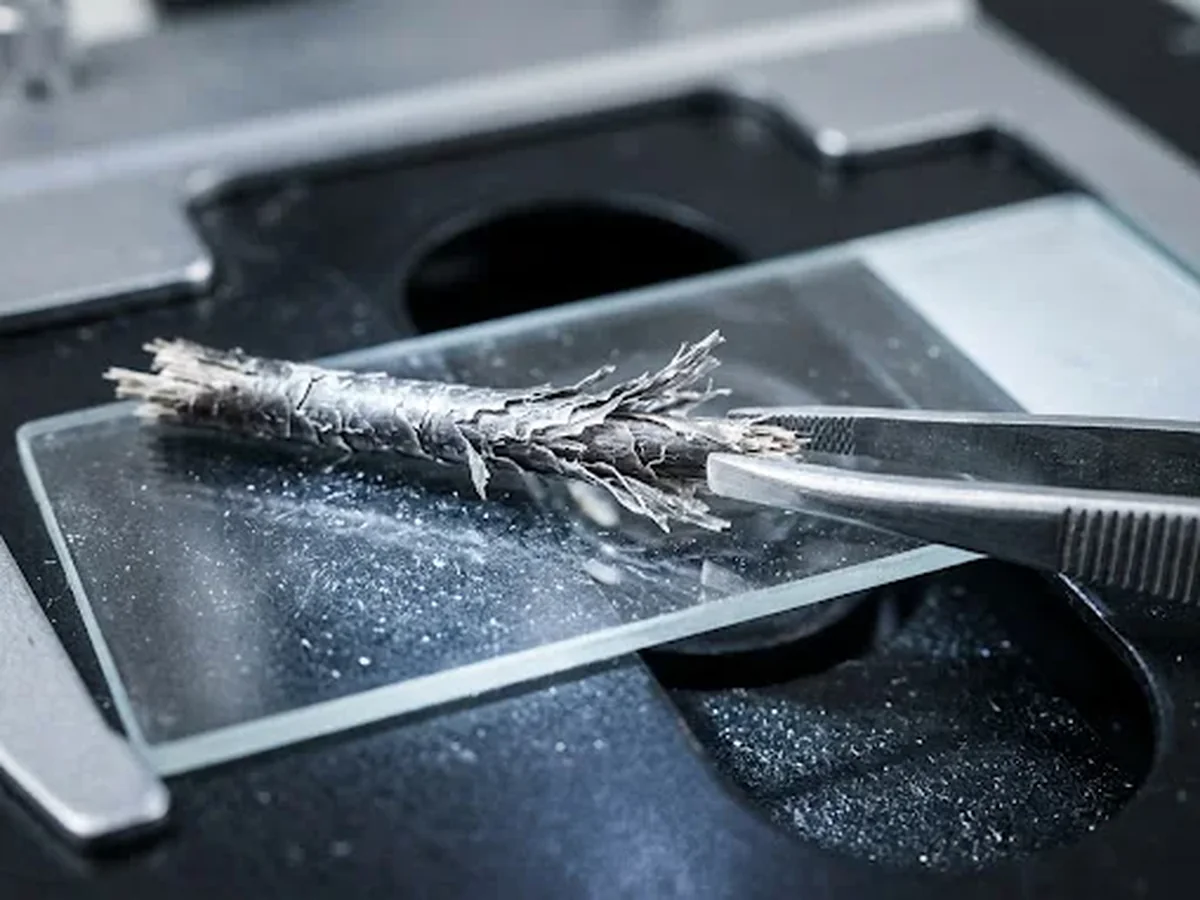
Hair damage happens when daily styling habits, environmental stress, and chemical processing break down the internal structure of the strand. Specialized repair treatments are necessary because standard conditioners only coat the surface, whereas compromised strands need support deep inside the hair fiber. Without addressing the root cause, hair continues to snap, frizz, and lose its natural movement.
Each strand consists of a protective outer cuticle layer and a strong inner core. The outer layer acts like a shield of overlapping scales. When that shield stays smooth, the hair looks shiny and healthy. Regular exposure to heat styling and coloring lifts those protective scales, leaving the inner core vulnerable to breakage and moisture loss.
Inside that core, millions of microscopic connections hold the structure together. Chemical treatments and UV rays snap these vital connections apart, specifically targeting the internal disulfide bonds. Once they break, the hair loses elasticity, strength, and moisture retention, leading to a dull and brittle texture.
Anatomy Of Compromised Strands
Standard conditioners cannot fix these broken links because they only smooth the outer cuticle temporarily. Restoring compromised strands requires targeted ingredients that can interact with the internal architecture of the hair, moving past surface level smoothing to rebuild structural integrity from within. For individuals dealing with bleached or chemically treated locks, understanding this internal layer is the first step toward proper recovery.
Common Mistakes In Damage Recovery
A common mistake when treating compromised hair is relying solely on heavy moisture masks instead of targeted bond repair solutions. While moisture helps with softness, true recovery requires formulations designed to address internal structural failure. Choosing the best bond builder for damaged hair depends on understanding how these treatments target those internal links. Different formulations use distinct scientific approaches to reconnect the broken pathways inside the hair fiber, ranging from patented molecules like bis aminopropyl diglycol dimaleate found in the olaplex no 3 hair perfector to advanced biopeptide technologies featured in the k18 molecular repair hair mask, both of which are popular options available at retailers like Sephora.
Practical Steps For An Effective Routine
To implement an effective repair routine, practical steps involve assessing your specific damage level before selecting a product. Start by identifying whether your hair suffers from chemical breakage, heat damage, or environmental stress. Follow application instructions precisely, as bond treatments require specific timing and clean hair to penetrate effectively. Avoid layering too many conflicting treatments at once, and give each product time to work before evaluating results. When considering whether can you use k18 and olaplex together, consumers should evaluate their hair tolerance and consult manufacturer guidelines to prevent product buildup or reduced efficacy.
What Is Olaplex And How Does It Work
Olaplex is a prominent bond repair product line formulated to address structural damage caused by bleaching, coloring, and heat styling. When evaluating options for hair care, understanding the underlying mechanism clarifies how the system operates compared to alternative treatments. Hair contains millions of internal bonds that provide strength, elasticity, and shape. Routine chemical processes and thermal tools break these vital connections, leaving strands vulnerable to breakage, extreme dryness, and persistent frizz.
The core technology relies on a patented active ingredient known as bis aminopropyl diglycol dimaleate. This molecule is designed to seek out broken single sulfur hydrogen bonds within the hair shaft and crosslink them back together. By reconnecting these fractured sites from the inside out, the formulation restores structural integrity without depending on temporary surface coatings or heavy silicones.
The complete product range features multiple steps tailored for both professional salon services and at-home maintenance routines. Among these offerings, the olaplex no 3 hair perfector serves as a popular weekly treatment that individuals apply to damp hair prior to shampooing. Leaving the treatment on for the recommended duration allows the active chemistry to penetrate the hair cuticle and reinforce weakened areas.
A common mistake during application involves applying the treatment to dirty hair loaded with heavy styling products or oils, which can block the active molecules from reaching the cuticle effectively. Another frequent error is leaving the product in the hair past the recommended time, assuming longer durations yield better results, whereas the chemistry reaches its maximum effectiveness within a standard window. Proper application ensures the internal structure receives optimal support, improving overall manageability and reducing future vulnerability to everyday styling stress.
What Is K18 And How Does It Work
Understanding how hair damage happens is the first step to choosing the right repair strategy. Chemical services like bleaching, coloring, and permanent straightening, along with regular heat styling, break down the internal protein structures that keep strands strong and elastic. Traditional conditioners and masks typically work on the outer surface of the hair cuticle, offering temporary smoothness without fixing the core structural issues.
K18 approaches restoration from the inside out using a specialized biopeptide technology designed to mimic the natural building blocks of human hair. When applied, this active molecule penetrates deep into the hair cortex to reconnect broken polypeptide chains that give strands their fundamental strength. By repairing these internal pathways rather than just coating the exterior, the treatment restores elasticity and resilience to severely compromised hair.
The practical appeal of the k18 molecular repair hair mask lies in its efficient leave-in format. Instead of requiring a multi-step routine with waiting times and rinsing, the application process is streamlined for everyday life. Users simply shampoo clean hair, skip any conditioner, apply a small amount of the treatment to damp strands, wait a few minutes, and proceed straight to styling. This minimalist approach delivers intensive repair while saving time in a busy beauty routine.
How the Biopeptide Technology Functions
Unlike standard conditioning agents that simply sit on the surface, the core active ingredient travels deep into the hair shaft. It specifically targets the internal architecture of damaged strands, working to restore the broken bonds that result from repeated chemical processing and thermal styling. This biological approach ensures that the repair happens at a structural level, resulting in long-term improvements in texture and strength rather than a temporary cosmetic fix.
Application and Usage Guidelines
Achieving the best results with this treatment requires following specific application steps. Because the formula is highly concentrated, using too much product can leave the hair feeling heavy or coated. Users should begin with a clean canvas by shampooing thoroughly without applying any conditioner. Conditioner creates a film on the hair cuticle that blocks the active biopeptide from penetrating effectively. After gently towel drying the hair so it is damp, a small amount of the product should be distributed evenly from ends to roots, followed by a mandatory waiting period before any styling products or heat tools are used.
Common Mistakes to Avoid
When incorporating bond building treatments into a hair care regimen, users often make a few typical errors. Applying an excessive amount of product is a frequent mistake that weighs down the hair. Another common misstep is failing to omit the traditional conditioner step during the wash phase, which physically prevents the treatment from reaching the inner cortex. Finally, rushing through the required waiting period before styling can significantly reduce the overall effectiveness of the molecular repair process.
Key Differences In Ingredients And Technology
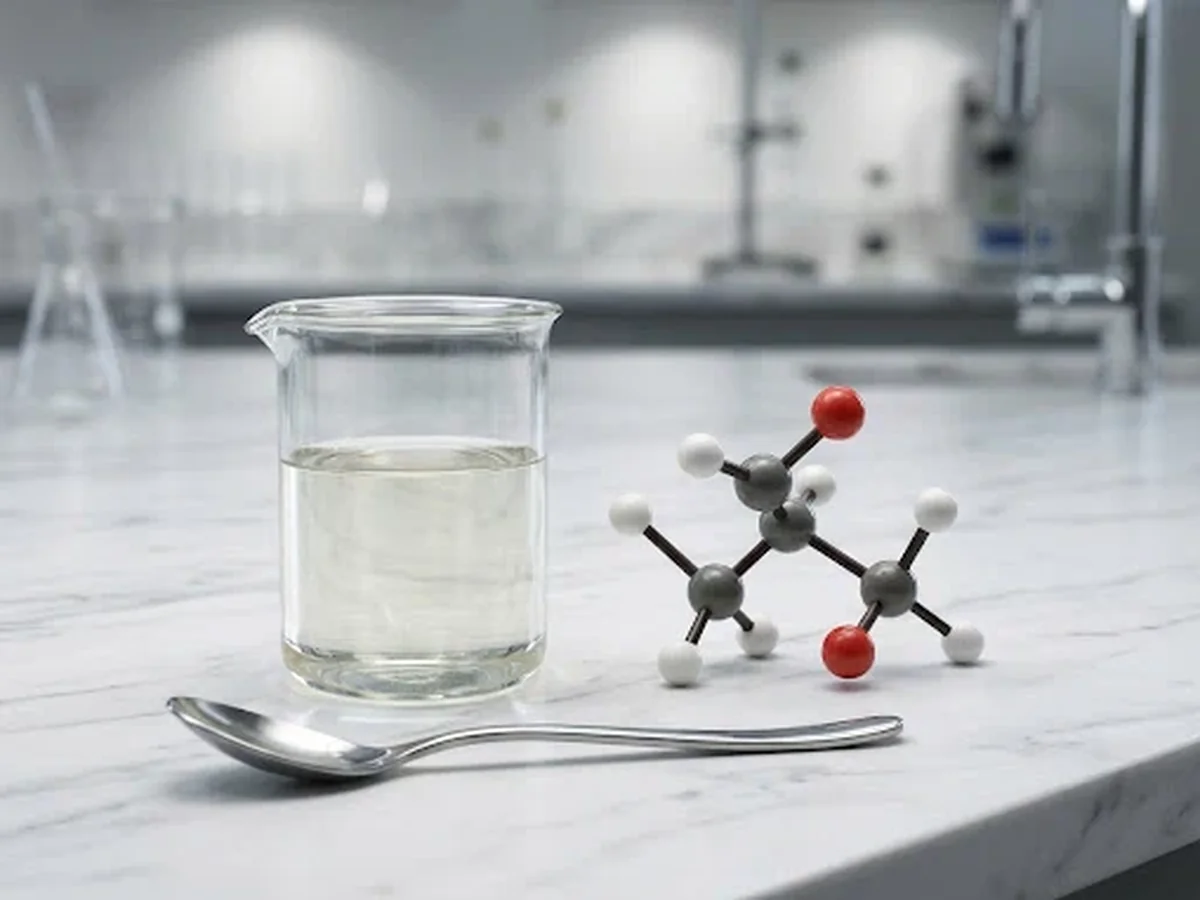
When comparing k18 vs olaplex, the primary difference lies in how each formula addresses structural damage within the hair shaft. Understanding these underlying mechanisms helps consumers choose the right product for their specific needs, whether they are shopping at a professional salon or picking up items from major beauty retailers like Sephora.
Bond Repair Chemistry Versus Peptide Technology
Olaplex relies on a patented active ingredient called bis aminopropyl diglycol dimaleate. This molecule targets disulfide bonds inside the hair, which are the sulfur links responsible for giving strands their strength, elasticity, and overall integrity. When chemical services, coloring, or frequent heat styling break these links, the hair becomes weak and brittle. The Olaplex technology seeks out those broken sulfur bonds and links them back together, effectively restoring the internal structure.
In contrast, K18 approaches damage by focusing on polypeptide chains, which form the ladder-like core framework of the hair. Instead of just linking broken bonds, the treatment utilizes a specialized biopeptide designed to fit into damaged areas of the protein chain. This action reconnects both polypeptide chains and disulfide bonds, working from the inside out to restore strength and elasticity.
How Formulations Interact With The Hair Cuticle
Both treatments interact differently with the hair cuticle during the application process. The outer cuticle layer consists of overlapping scales that protect the inner cortex, and products must navigate these defensive barriers to be effective. The molecular weight and structure of the active ingredients dictate how easily each treatment penetrates the cuticle layer. Because the application routines and rinsing requirements vary significantly between the two lines, following the specific product instructions is essential for achieving optimal results.
Practical Considerations For Your Routine
When evaluating these professional hair treatments for a regular routine, several practical factors influence the final choice:
- Olaplex focuses heavily on reconnecting disulfide bonds using its proprietary chemistry.
- K18 utilizes a bioactive peptide to repair broken polypeptide chains.
- The cuticle layer is penetrated differently depending on the molecular weight of the active ingredients.
- Availability through major beauty platforms like Sephora and official brand websites makes both lines easy to source.
- Personal hair history and damage levels dictate which technology delivers better results.
- Application routines vary significantly regarding rinsing and timing.
Shoppers often compare formulations to decide which technology best matches their individual hair type. Assessing your specific damage history ensures you select a treatment that genuinely supports your long term hair goals.
Direct Comparison Of Application And Routine

The main difference in application between these two treatments lies in timing and rinsing steps, because Olaplex requires a rinse-out process while the K18 mask stays in the hair without rinsing. Understanding how each formula integrates into your schedule helps you decide which option fits your lifestyle when looking for the best bond builder for damaged hair.
Olaplex Rinse-Out Application
Using Olaplex rinse-out treatments involves a multi-step routine. You typically apply the product to damp hair before washing, comb it through, and leave it on for a specified duration. Afterwards, you must rinse the treatment out thoroughly, followed by regular shampooing and conditioning. This process adds extra time to your regular wash day schedule, which requires careful planning if you have a busy morning routine. The formula uses bis aminopropyl diglycol dimaleate to target internal bonds, which makes the rinsing step necessary to remove excess product before cleansing and conditioning the hair cuticle.
K18 Leave-In Protocol
On the other hand, the K18 protocol uses a no-rinse mask that streamlines your hair care steps. After shampooing your hair, you skip conditioner and apply the treatment to towel-dried hair. You then wait a few minutes for the product to process before styling as usual without washing it out. This leave-in approach requires fewer physical steps during the actual application and eliminates the need for a separate conditioning step during that wash cycle. The formula relies on a specialized biopeptide to work within the hair structure without needing a rinse phase.
When evaluating time commitment and convenience for daily hair care routines, the leave-in option generally fits faster into busy schedules because it removes the extra rinse cycle. However, both treatments require adjustments to your normal washing habits. A common mistake people make with the leave-in mask is applying regular conditioner beforehand, which coats the hair cuticle and prevents the active ingredients from penetrating effectively.
| Feature | Olaplex Treatment | K18 Treatment |
|---|---|---|
| Application Type | Rinse-out treatment | Leave-in mask |
| Conditioner Step | Required after rinsing | Skipped during treatment |
| Routine Impact | Adds wash day time | Reduces styling steps |
Choosing between these routines depends on how much time you prefer to spend washing and styling your hair. If you prefer a quick post-shower application without extra rinse cycles, the leave-in method offers a streamlined experience. If you prefer a traditional wash day ritual with built-in cleansing and conditioning steps, the rinse-out format integrates smoothly into existing habits. Some beauty consumers wonder if they can use k18 and olaplex together, but alternating their unique application schedules on different wash days prevents product buildup and ensures each formula performs at its best.
Which Treatment Is Best For Your Specific Damage Level

Choosing the right option in the k18 vs olaplex debate depends entirely on your specific hair type, texture, and the severity of your structural damage. Severely compromised strands benefit most from targeted molecular repair, while mild to moderate daily stress responds well to traditional disulfide realignment. Understanding your hair needs helps you select the best bond builder for damaged hair without wasting time or money on mismatched formulations.
Bleached, highlighted, and heavily colored hair typically requires deep internal restoration to combat the harsh effects of chemical processing. When hair goes through repeated lightening sessions, internal protein structures break down significantly. Treatments that focus on biopeptide replacement work well to reconnect broken polypeptide chains inside bleached strands, restoring strength right where the chemical damage occurred.
Heat-styled hair and mechanically stressed locks often need regular cuticle fortification. If your daily routine involves frequent flat iron use, blow drying, or tight styling, maintaining overall elasticity is the primary goal. Formulas that target disulfide bonds using active ingredients like bis aminopropyl diglycol dimaleate help prevent everyday snapping and split ends caused by thermal tools.
Fine hair textures often require lightweight formulas that do not weigh down delicate strands or reduce natural volume. Heavy creams can easily leave fine hair looking flat, limp, and greasy. Mist and spray formats or lightweight leave-in masks provide targeted molecular repair without adding unwanted weight to the hair cuticle.
Thick and coarse hair textures generally tolerate richer creams and heavier conditioning agents much better than fine hair. Coarse strands often need extra moisture alongside structural repair to tame frizz, soften rough textures, and improve overall manageability. Selecting the proper treatment means balancing your unique texture needs with your specific level of chemical, thermal, or physical trauma.
A common mistake when treating damaged hair is assuming more product equals better results. Applying heavy bond builders to fine hair without rinsing or using too much leave-in treatment can lead to buildup, stiffness, and lack of movement. Always start with a small amount of product to see how your hair reacts before increasing the frequency or dosage. Another frequent error is using a heavy protein treatment when your hair actually needs lightweight moisture, which can cause strands to feel dry and brittle over time.
Can You Use K18 And Olaplex Together
Using K18 and Olaplex together in the exact same wash routine is generally unnecessary and can easily overwhelm your strands. Both formulas function as advanced bond repair treatments, but they rely on entirely different scientific mechanisms to restore compromised hair. Because each system targets hair integrity in a unique way, layering them simultaneously does not double the benefits. Instead, it leads to diminishing returns, product overload, and wasted product.
When you apply multiple heavy treatments during a single wash day, the hair shaft can struggle to absorb the excess ingredients. This saturation frequently results in stiff, brittle strands that snap easily under tension. Alternating your approach gives each formula the proper environment to work effectively without competing for space inside the hair cuticle. Understanding how these products interact helps you build a safer and more efficient maintenance routine.
The Science Behind Different Mechanisms
The main reason to separate these treatments lies in their distinct formulas. Olaplex relies on its patented active ingredient, bis aminopropyl diglycol dimaleate, to link broken disulfide bonds deep within the hair cortex. On the other hand, K18 utilizes a patented biopeptide designed to travel into the innermost layers of the hair to reconnect polypeptide chains and restore overall elasticity. Because Olaplex works by building chemical bonds and K18 focuses on peptide reconstruction, applying both at the same time can create a barrier that prevents either ingredient from reaching its target destination effectively.
How to Alternate Your Hair Care Schedule
Creating a balanced rotation schedule is the most practical way to incorporate both systems into your hair care regimen without causing harm. Many beauty enthusiasts prefer using one system for a few weeks, and then switching to the other during a subsequent wash cycle. This method lets you address various levels of distress without triggering sensitivity or textural changes. For instance, you might use the Olaplex No 3 Hair Perfector during one wash cycle to address structural strength, and then rely on the K18 peptide treatment during a later wash to restore softness and manageability. Always monitor how your hair responds to the schedule, adjusting your frequency if your strands start feeling dry or overworked.
Avoiding Common Application Errors
Avoiding common mistakes ensures your hair stays resilient when trying to select a top tier treatment for stressed hair. One frequent error is applying both treatments after a single shampoo without clarifying the hair first, which blocks active ingredients from penetrating properly through buildup. Another mistake is assuming that more product equates to faster healing. Sticking to recommended application guidelines protects your hair investment and maintains optimal moisture balance whether you are shopping at retailers like Sephora or following a professional salon recommendation.
Before purchasing multiple high end treatments, evaluate your specific damage level. Chemically bleached or frequently heat styled hair often benefits from a thoughtful, alternating schedule rather than simultaneous layering. By respecting the unique formulation of each brand, you can achieve stronger, healthier strands over time.
Frequently Asked Questions
How long does it take to see results from k18 vs olaplex?
Most users notice visible improvements in hair strength and texture within a few applications of either treatment. The exact timeline depends heavily on your current damage level and how consistently you follow the product instructions.
Do I need to wash my hair before applying these treatments?
K18 requires clean, damp hair with no conditioner applied beforehand for optimal peptide penetration. Olaplex typically works best on damp, towel dried hair, and some formulas function as pre shampoo treatments rather than post wash masks.
How often should I use these bond builders in my routine?
You can use these strengthening treatments every few washes once your hair starts improving. Beginners often start with weekly applications and adjust frequency based on how their strands respond to the formulas.
Can you use k18 and olaplex together in the same routine?
Alternating between the two brands is generally unnecessary because both target structural hair repair through different mechanisms. Sticking to one system at a time helps you monitor your results more accurately without overloading your strands.
Which option works better for bleached or severely damaged hair?
Both product lines serve chemically treated hair well, but individual preferences vary based on hair porosity and texture. Reading up on k18 vs olaplex comparisons can help you decide which active ingredients match your specific hair goals.
Conclusion
Choosing between k18 vs olaplex comes down to your daily routine preferences and how much damage your strands have experienced. If you want a fast treatment that stays in your hair without rinsing, a peptide mask fits best. If you prefer a traditional conditioning step that you wash out during shower time, a classic bond builder works well.