Best Bond Repair Treatments for Damaged Hair
Introduction
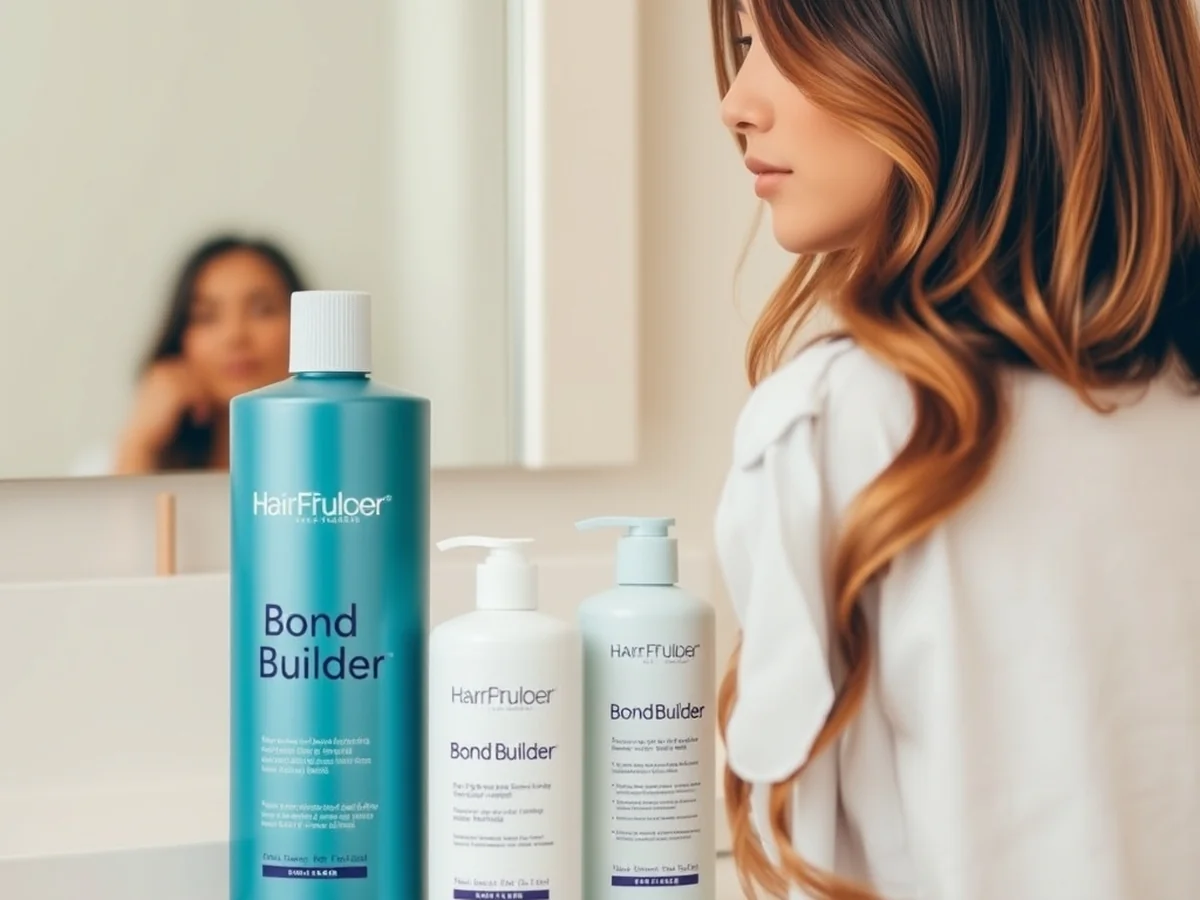
The best bond repair treatments for damaged hair provide targeted support to help restore the structural integrity of your strands after chemical or heat exposure. Choosing the best bond repair treatments for damaged hair effectively requires understanding how these formulas differ from standard moisture-based products.
This guide examines the science behind molecular hair repair benefits and helps you distinguish between bond builders and deep conditioners. We cover how to identify your specific type of damage, the most effective application frequencies for your hair porosity, and how to layer these treatments into your existing routine. You will also find professional insights on when to prioritize protein treatments versus hydration to avoid common issues like product buildup or brittle ends.
Understanding Hair Damage and Bond Repair
Bond repair products target the internal integrity of hair strands to address damage caused by chemical processing, excessive heat styling, and daily mechanical stress. While basic conditioners coat the surface to improve texture, these specialized treatments focus on the structural components within the hair cortex to restore strength and elasticity.
It is important to maintain realistic expectations during the recovery process. These products are designed to reinforce weakened areas, but they cannot reverse permanent structural changes or repair split ends once they have fully formed. Achieving visible results often requires a consistent routine tailored to your specific hair porosity and history of damage. Because these treatments are not a substitute for regular moisturizing or hydrating routines, they work most effectively when integrated as part of a balanced, comprehensive approach to hair health.
Types of Hair Damage

Hair damage typically presents as visible signs of hair damage and breakage, including split ends, excessive frizz, and a dull, straw-like texture. These issues stem from either mechanical stress or chemical processing. Mechanical damage often results from aggressive brushing, tight hairstyles, or excessive heat styling that physically wears down the hair cuticle. In contrast, chemical processing involves substances like hair dye, lighteners, or relaxers that alter the internal composition of the hair shaft.
Use this checklist to identify your hair damage levels:
- Look for split ends that travel up the hair shaft as a primary indicator of structural compromise.
- Check if your hair feels gummy or overly elastic when wet, which often signals chemical fatigue.
- Observe if your strands snap easily when gently tugged.
- Monitor for excessive frizz that does not respond to humidity control or smoothing serums.
How Bond Treatments Work

Bond repair products function by interacting with the internal structure of the hair shaft to support structural integrity. Unlike cosmetic conditioners that primarily coat the outer surface to improve shine and manageability, these treatments are designed to penetrate the hair cortex to address internal stress. By focusing on molecular hair repair benefits, these formulas aim to reinforce the hair’s foundation rather than simply masking surface-level damage.
Product absorption is heavily influenced by your individual hair porosity. High porosity hair may absorb treatments rapidly, while low porosity hair often requires more time or heat to ensure the active ingredients reach the cortex. Understanding your hair’s unique structure is essential for achieving the best results with any repair routine, as it dictates how effectively these formulas can reach the areas that need them most.
Bond Builder vs Deep Conditioner
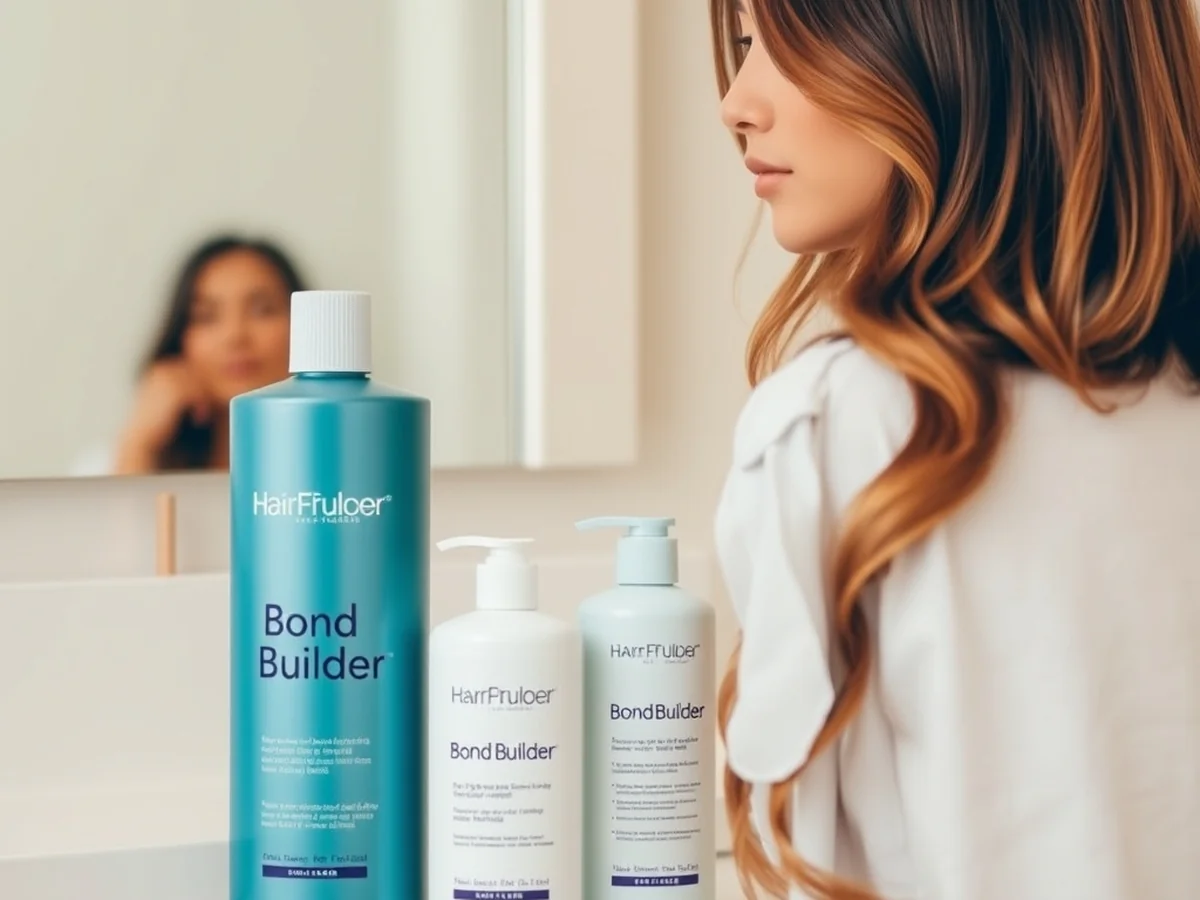
Bond builders focus on reconnecting internal hair structures, while deep conditioners primarily provide external surface hydration and softness. Choosing between them depends on your specific needs: use a bond builder when you notice structural weakness, such as excessive snapping or snapping during styling, and opt for a deep conditioner when your hair feels dry, brittle, or lacks manageability.
| Feature | Bond Builder | Deep Conditioner |
|---|---|---|
| Primary Goal | Structural reinforcement | Moisture and hydration |
| Target Area | Internal hair cortex | External cuticle layer |
| Best For | Chemically or heat-damaged hair | Dry or dehydrated hair |
| Frequency | Weekly or as directed | Weekly or as needed |
Effective hair care often involves balancing these two approaches, as a hair bond builder vs deep conditioner routine helps maintain both strength and flexibility.
Bond Repair Application Tips
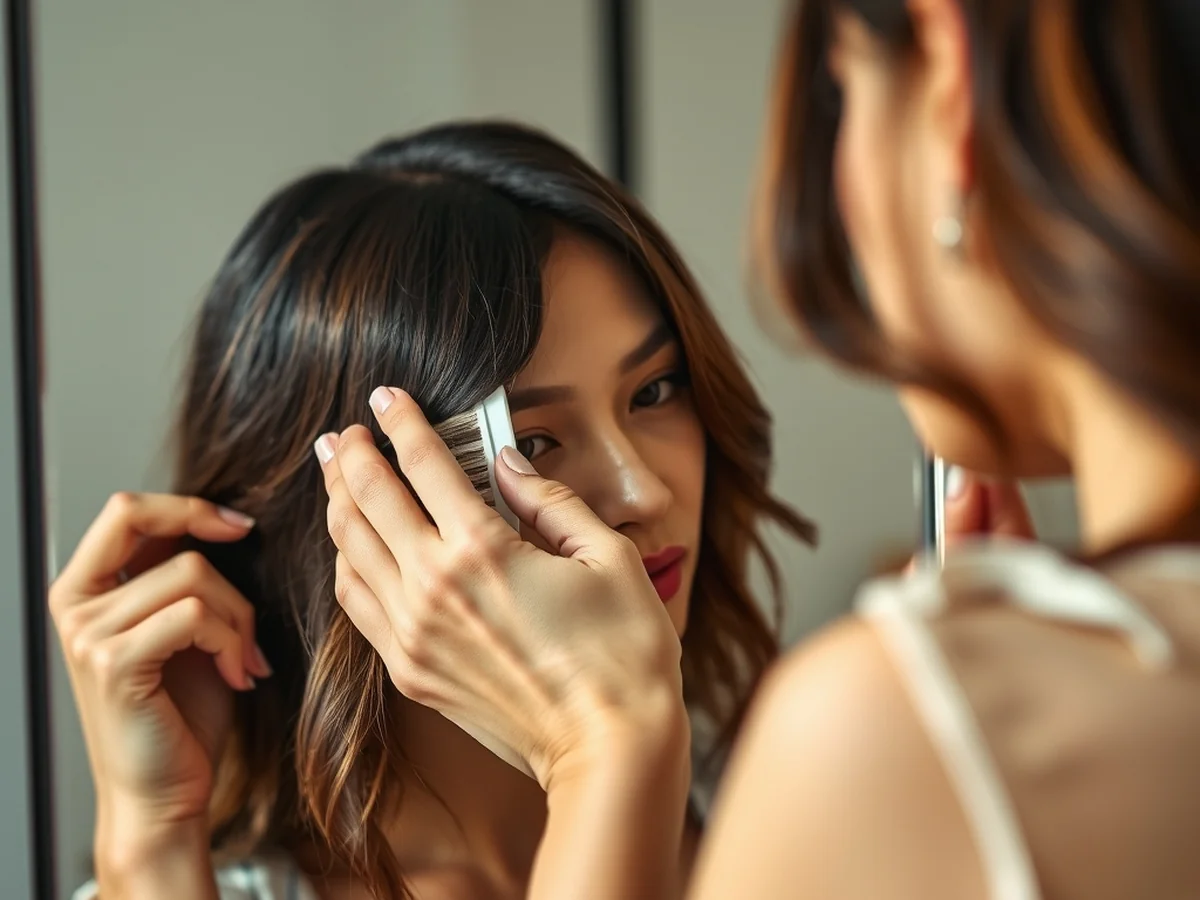
Effective use of these restorative formulas requires balancing frequency with your specific hair needs to avoid potential issues. Applying these products too often can lead to diminishing returns, where your hair stops showing improvement and may even become prone to breakage or stiffness. Furthermore, because many of these treatments contain active ingredients that strengthen the hair structure, overusing them can cause protein overload, leaving strands feeling brittle rather than supple.
- Integrate bond repair formulas into your routine as an occasional treatment rather than a daily necessity.
- Prioritize moisture-focused conditioners on days you do not use a bond builder to maintain elasticity.
- Layer your products by applying lightweight bond repair serums before heavier styling creams or oils.
- Monitor how your hair feels after each application to determine if you should reduce the frequency.
- Ensure your hair is damp, not soaking wet, to allow for even product distribution.
Repairing Bleach Damaged Hair

You can effectively address compromised strands by focusing on replenishment and structural reinforcement. When you learn how to fix damaged hair from bleach, prioritizing products that bridge internal gaps is essential.
Amino acids are vital for supporting hair health because they serve as the building blocks for protein, helping to strengthen the hair shaft from within. These nutrients assist in maintaining integrity and resilience after chemical exposure.
Follow these steps for intensive care:
- Apply the treatment to clean, damp hair, ensuring even distribution from mid-lengths to ends.
- Comb through with a wide-tooth tool to reach every strand.
- Leave the formula on for the time specified by the manufacturer, typically ten minutes or more.
- Rinse thoroughly and follow with your regular moisturizing regimen to lock in the benefits.
When to See a Professional
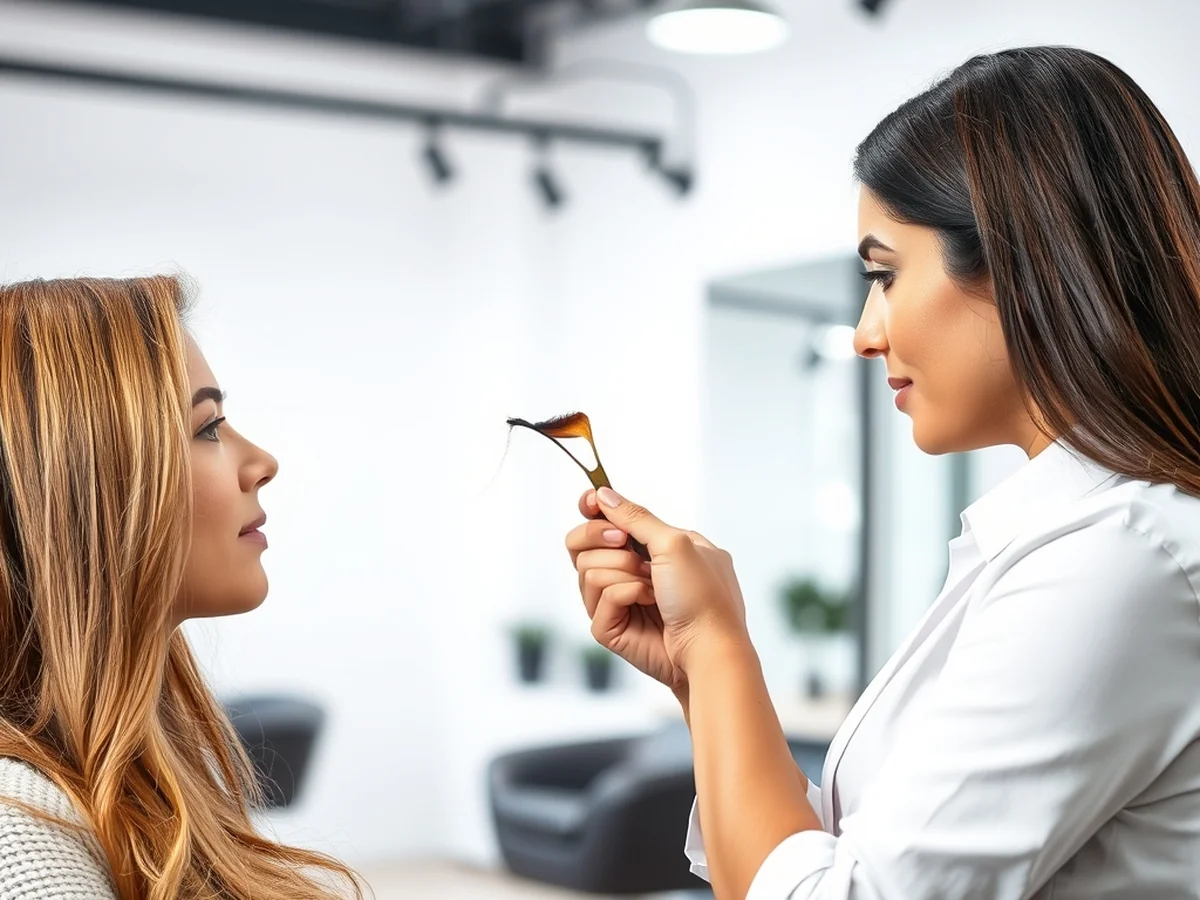
You should consult a specialist or trichologist if your hair shows signs of severe damage that do not improve after consistent care. While high-quality at-home products offer support, they cannot reverse structural hair loss or extreme breakage.
Professional salon treatments often provide stronger, more concentrated formulations than what you can buy for home use. Specialists can also perform a professional assessment to determine if your hair needs moisture or structural repair. Consider seeking an expert evaluation if you notice:
- Extreme elasticity that causes hair to stretch and snap when wet.
- Significant shedding or hair loss that extends beyond normal breakage.
- A sudden change in hair texture that feels gummy or mushy.
- Severe chemical burns or persistent scalp irritation.
A professional can offer tailored guidance to help restore your hair health safely.
FAQ
Can I use bond builders every day?
Most bond repair treatments are designed for weekly or bi-weekly use rather than daily application. Overusing these products can lead to a buildup of ingredients that may leave your hair feeling heavy or stiff.
Do bond repair treatments help with hair loss?
Bond repair products are formulated to improve the structural integrity of existing hair fibers, but they do not treat the root causes of hair loss or thinning at the scalp. If you are experiencing excessive shedding, it is best to consult a dermatologist or a trichologist to identify the underlying cause.
Is it safe to use bond repair on extensions?
You can generally use these treatments on human hair extensions, but it is important to check the specific requirements of the hair type and the attachment method. Avoid applying concentrated bond repair formulas directly onto the bonds, tapes, or adhesive areas, as this could potentially weaken the connection.
How long should I leave the treatment on for maximum effect?
Follow the specific timing instructions provided on the product packaging, as leaving a treatment on longer than directed does not necessarily improve the results. Most formulas require a set amount of time to interact with the hair shaft before they are rinsed out or layered with other care products.
Will these products make my hair greasy?
Bond repair treatments typically contain lightweight ingredients and are not inherently greasy, though improper rinsing can leave a residue behind. If your hair feels weighed down after use, ensure you are thoroughly washing the product out or adjusting the amount applied to your mid-lengths and ends.
Conclusion
Choosing the right product depends on your specific hair history and current texture. Before committing to a routine, assess whether your strands require structural reinforcement or simply deep hydration to address your specific signs of hair damage and breakage. Once you identify your primary needs, you can confidently select from the top-rated formulas for repairing hair bonds that align with your lifestyle. Start by performing a small patch test or consulting with a professional to ensure the product is compatible with your hair porosity and existing chemical treatments.
You might also like: Epres Bond Repair Treatment Review: Is It Worth It?