
Best Conditioners for Frizzy Curly Hair
Introduction
The best conditioners for frizzy curly hair focus on smoothing the outer hair layer to maintain definition and reduce unwanted volume. Identifying the best conditioners for frizzy curly hair requires understanding how specific ingredients interact with your unique texture and moisture needs.
This guide explains how to build an effective curly hair care routine for frizz by selecting products that provide lasting hydration. We examine key ingredients to look for, such as cetyl alcohol and various humectants, while clarifying how hair porosity and water chemistry influence your results. You will learn to navigate ingredient labels, distinguish between essential conditioning agents, and troubleshoot common issues when your current routine fails to deliver smooth, defined curls.
Understanding Hydration for Curly Textures
Hydration serves as the primary defense against frizz by keeping the hair cuticle smooth and flexible. When hair lacks sufficient moisture, the outer layer becomes raised, which leads to texture irregularities and a frizzy appearance.
Curly hair is uniquely prone to dryness because its winding structure makes it difficult for natural oils from the scalp to travel down the hair shaft. This lack of natural lubrication leaves strands vulnerable to environmental moisture loss.
A consistent conditioning routine acts as the foundation for healthy hair by providing the following benefits:
- Replenishing essential moisture levels.
- Softening the hair texture for easier detangling.
- Creating a protective barrier that helps maintain smoothness throughout the day.
Best Ingredients for Frizz Control
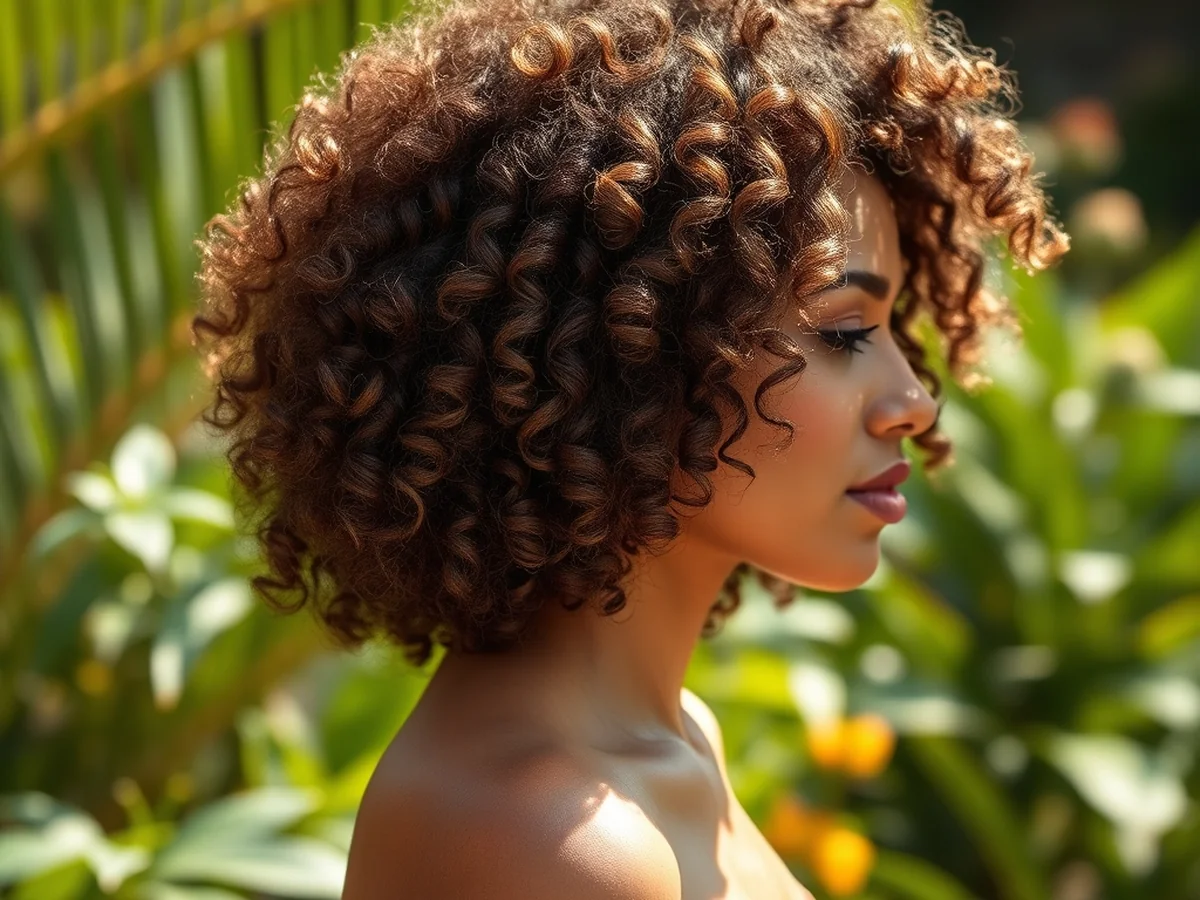
To smooth the hair cuticle, look for ingredients that support structural integrity and moisture retention. The cuticle acts as a protective shield for the inner shaft, but it often lifts when exposed to environmental stressors or persistent dryness.
When this outermost layer remains raised, the hair loses its smooth texture, resulting in visible frizz. This structural change is closely tied to hair porosity and frizz, as a porous surface struggles to hold onto internal hydration. Effective formulas often utilize specific components to address these needs:
- Fatty alcohols for slip and moisture.
- Humectants to aid hydration.
- Emollients like butters and oils to seal the surface.
Keeping the cuticle flat helps maintain a polished, healthy appearance.
Key Conditioning Ingredients

Effective hair products rely on a balance of humectants, emollients, and conditioning alcohols to manage moisture and texture. These substances work together to support the hair cuticle and improve overall manageability.
- Humectants draw moisture toward the hair shaft to maintain hydration levels.
- Emollients soften the hair surface and help trap moisture to prevent dryness.
- Conditioning alcohols, such as cetyl alcohol, provide essential slip that makes detangling easier.
- These long-chain alcohols improve the texture of products for smoother application.
- Hydrolyzed wheat protein offers temporary support to the hair cuticle by interacting with the shaft.
- Using these specific ingredients for curly hair can help create a smoother, more defined look.
How to Choose Your Conditioner
Select products by matching their weight and ingredient profile to your unique texture needs. A consistent curly hair care routine for frizz relies on frequent hydration to keep the hair cuticle smooth.
Understand the distinction between these two primary types:
- Wash-out conditioners provide intense hydration during your shower and are meant to be rinsed away.
- Leave-in formulations remain on the strands to offer ongoing moisture and protection throughout the day.
You can determine if a product is working by observing how your hair behaves after drying. Effective formulas should leave your curls feeling soft, defined, and manageable without leaving a heavy or tacky residue. If your hair remains brittle or develops unwanted buildup, consider adjusting your product density or frequency.
Best Conditioners for Humidity Protection

To keep curly hair smooth, you must address how your local water supply interacts with your hair. Hard water contains mineral deposits that can accumulate on the hair shaft, effectively blocking conditioning agents from penetrating or adhering to the cuticle.
The pH level of your water also dictates how your hair behaves. Water that is too alkaline can cause the hair cuticle to lift, leading to increased frizz and a rough texture. Using products that help balance the hair environment can keep the cuticle sealed.
- Use a chelating shampoo periodically to remove mineral buildup from hard water.
- Install a shower head filter to reduce mineral exposure.
- Apply a leave-in conditioner to protect strands from environmental moisture fluctuations.
Conditioning Techniques
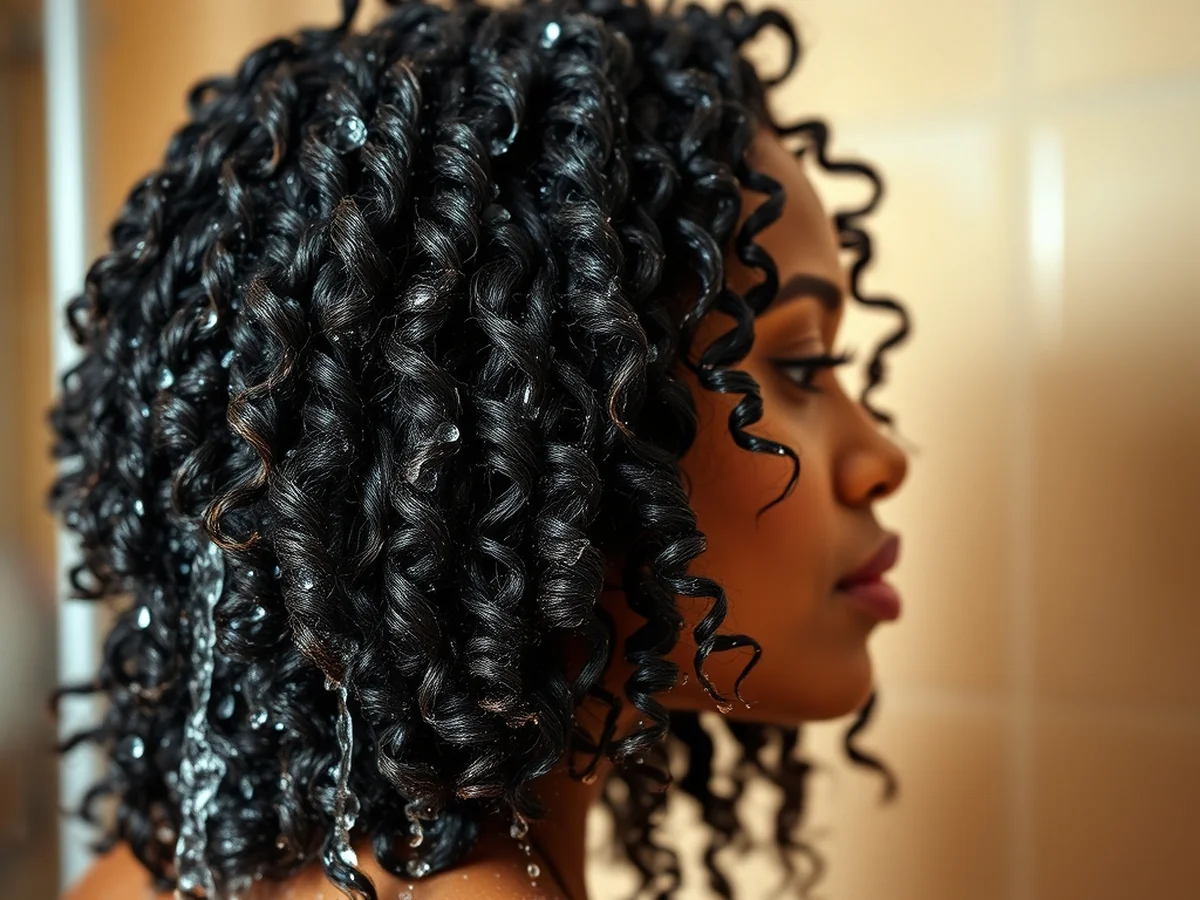
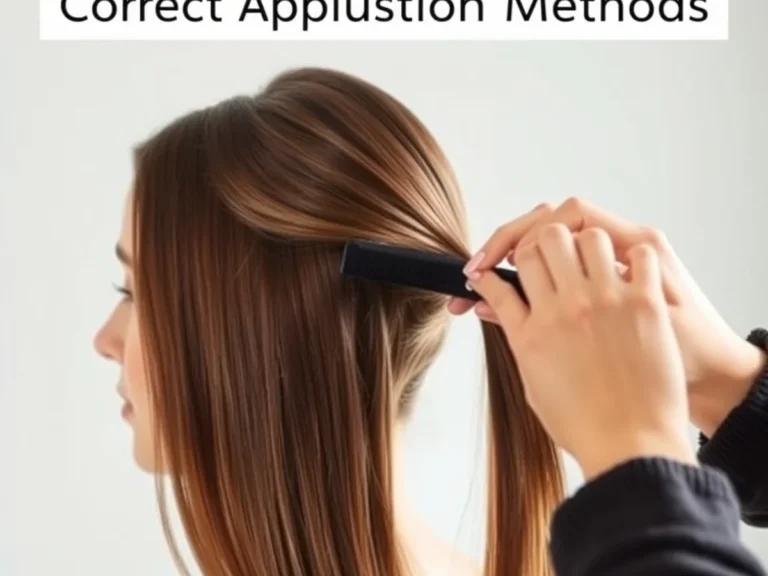
Applying a moisturizing conditioner for curly hair while your strands are soaking wet helps trap hydration inside the shaft before you begin styling. This method ensures water remains locked within your curls, which is essential for maintaining definition and reducing frizz.
You can improve how your product is distributed and absorbed by using the squish to condish technique. Follow these steps to optimize your routine:
- Distribute your conditioner evenly through soaking wet hair using your fingers or a wide-tooth comb.
- Cup your hands full of water and product toward your scalp to encourage curls to form.
- Squeeze your hair gently in an upward motion to push moisture into the strands.
- Rinse with cool water to encourage the hair cuticle to lay flat and smooth.
- Avoid using hot water, as it may strip away too much natural moisture.
Adapting Conditioners for Seasonal Changes

You should adjust your conditioning routine to match fluctuating humidity levels, as curls often react differently to environmental moisture throughout the year. High humidity environments may require products that provide a protective seal, while drier months demand intense moisture replenishment.
| Environment | Conditioner Focus | Key Objective |
|---|---|---|
| High Humidity | Protective Emollients | Sealing the cuticle |
| Low Humidity | Humectants | Attracting hydration |
Switching between lightweight formulas and heavy emollients helps maintain balance. Prioritize deep moisture when your hair feels brittle or dry, and shift toward protective, film-forming ingredients when you need to shield your strands from external humidity.
Common Conditioning Mistakes
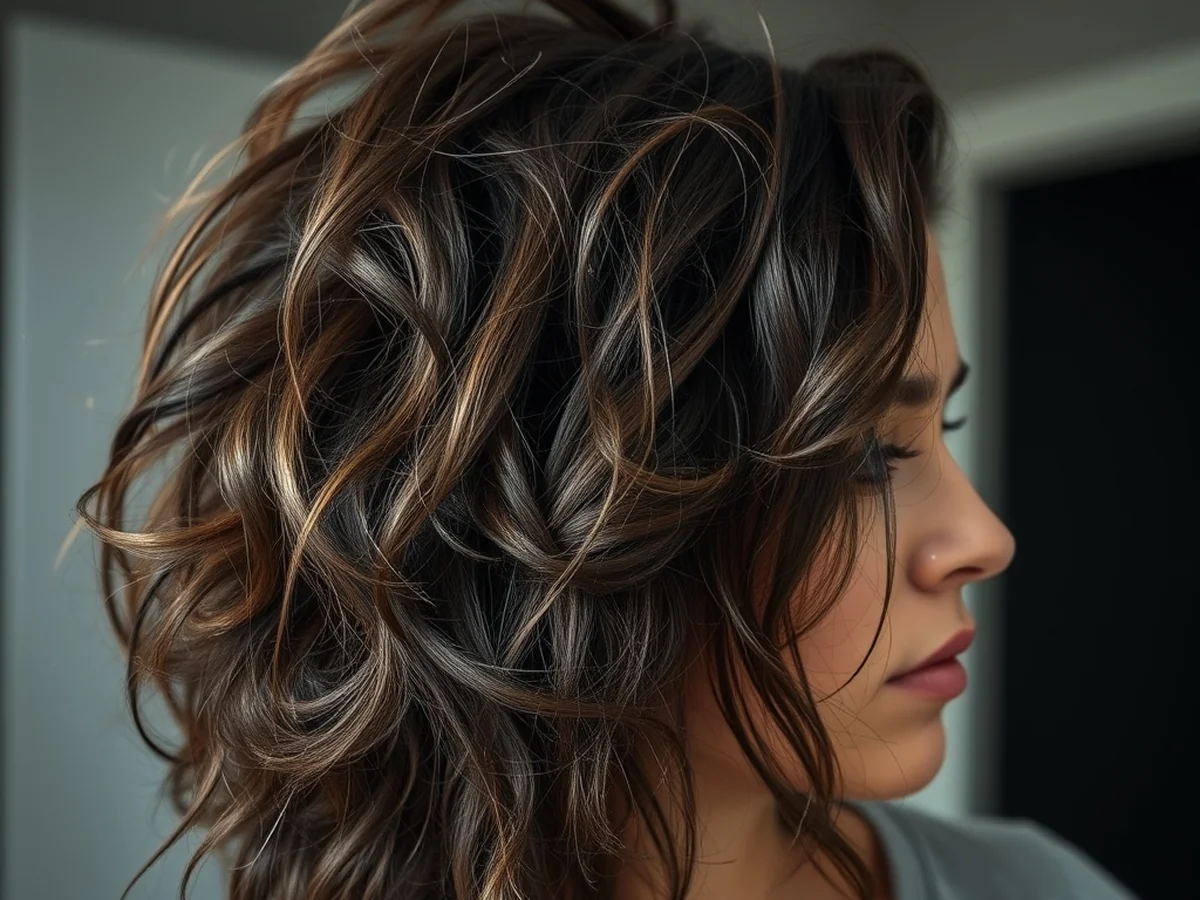
Achieving healthy curls requires balancing ingredients to avoid buildup, protein overload, and damage. Using the wrong products or improper application techniques often leads to frustrated hair routines.
- Heavy silicones can create a dense barrier on the hair shaft that prevents essential moisture from penetrating, eventually leading to dryness.
- Excessive use of protein-rich products may cause hair to feel stiff, brittle, and prone to breakage rather than soft and bouncy.
- Surface frizz is typically a temporary result of dryness or humidity, whereas damaged hair involves structural changes that often require trims.
- Regularly clarifying your scalp helps remove mineral and product buildup that blocks hydration.
- Learning to identify your specific needs helps you avoid ingredients that weigh down or dry out your texture.
FAQ
Why does my curly hair get frizzy even after conditioning?
Frizz often persists if the hair cuticle remains raised, preventing moisture from staying locked inside the hair shaft. This can happen if your chosen product does not match your specific hair needs or if environmental factors like high humidity or hard water interfere with how your hair absorbs hydration.
Should I rinse out my conditioner with cold water?
Rinsing with cool water is a common technique used to help smooth the hair cuticle and enhance shine after conditioning. While it does not permanently change the hair structure, it can contribute to a sleeker appearance by minimizing the elevation of the cuticle layer.
How often should I deep condition curly hair?
Most individuals find success using a deep conditioner once a week or every two weeks, depending on the dryness and texture of their curls. Over-conditioning can lead to product buildup, so it is best to monitor how your hair feels and adjust the frequency based on your personal results.
What is the difference between frizz and flyaways?
Frizz typically refers to hair strands that have absorbed moisture from the environment and expanded, creating a fuzzy or chaotic texture across the head. Flyaways are usually caused by static electricity or breakage, resulting in shorter, individual hairs that stand up away from the main body of your style.
How do I choose between a cream-based and oil-based conditioner?
Cream-based conditioners generally provide a balance of hydration and lightweight smoothing, making them a versatile choice for most curly hair textures. Oil-based formulas offer more intense sealing properties, which are often beneficial for hair that struggles to retain moisture or feels brittle and dry.
Conclusion
Selecting the right product begins with observing how your hair responds to specific ingredients, such as fatty alcohols or proteins, over several washes. Because hair needs change based on environmental factors like humidity and water quality, you may need to rotate between different formulas to maintain balance. The most effective moisturizing conditioners for curly hair are those that align with your unique porosity and texture, so prioritize testing small samples before committing to a full-sized bottle. By monitoring your results, you can fine-tune your routine and better manage your natural curl pattern.
You might also like: Epres Bond Repair Treatment Review: Is It Worth It?