K18 Leave-In Mask Review
Introduction
Those seeking clarity on modern hair repair will find this k18 leave-in mask review K18 Leave-In Mask Review a helpful starting point for understanding product application and performance. Evaluating results against your specific hair needs is essential, and this k18 leave-in mask review K18 Leave-In Mask Review aims to provide an objective look at how this treatment fits into a hair care regimen.
The following sections break down how to integrate the formula into your routine. You will find information regarding chemical compatibility, suggested frequency of use, and guidance on how the mask interacts with common hair concerns. We also address frequently asked questions about product layering and hair type suitability to ensure you have a clear expectation of the results before deciding if this treatment is right for your hair.
K18 Leave-In Mask Results

The K18 leave-in mask functions as a specialized treatment designed to address hair health by focusing on structural integrity. It serves as a modern staple for those seeking to restore resilience to hair fibers that have experienced significant stress from professional salon services or daily thermal styling.
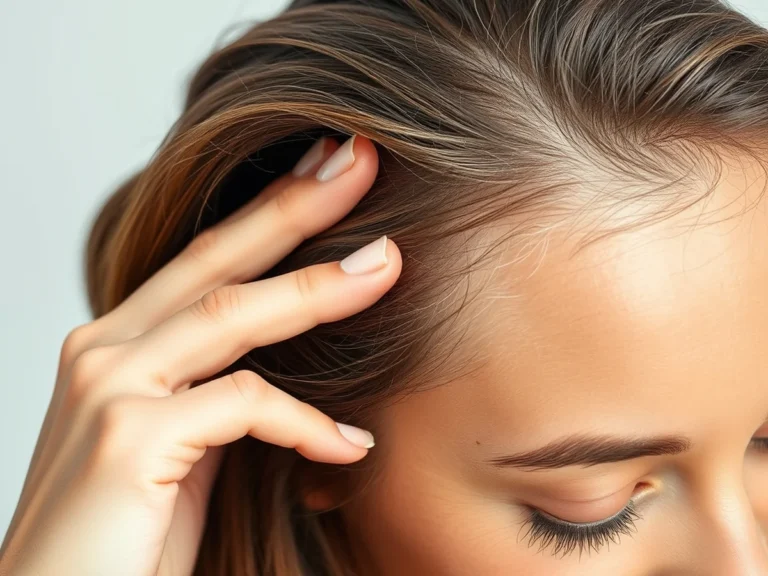
This product is particularly relevant for individuals managing chemically treated or heat-damaged hair. By targeting the hair at a structural level, it aims to provide a restorative solution for brittle or compromised strands. The following groups often find this treatment beneficial for their hair care routines:
- Individuals with frequently bleached or color-treated hair.
- People who rely on high-heat styling tools regularly.
- Those experiencing hair breakage due to chemical processing.
How K18 Repairs Hair Damage
Chemical services, bleaching, and excessive heat damage hair by breaking the internal keratin polypeptide chains that provide structural integrity. These processes strip the hair of its natural strength, leading to increased hair porosity where the outer cuticle layer becomes permanently raised.
When these internal protein structures are compromised, the hair becomes fragile, prone to breakage, and loses its elasticity. Standard conditioners typically fail to address this damage because they only provide surface level results. They coat the hair fiber to temporarily improve smoothness and detangling, but they cannot penetrate the cortex to support the weakened internal architecture. True restoration requires targeting the structural damage deep within the hair shaft rather than masking it with temporary topical ingredients.
Science Behind the Mask
This hair care product utilizes specialized peptides to address damage at the internal structure of the strand. Unlike standard treatments that primarily coat the exterior, these ingredients target the building blocks of the hair fiber.
Most traditional conditioners focus on surface smoothing by temporarily coating the cuticle with polymers or silicones. This provides immediate slip and aesthetic shine but does not address underlying breakage. In contrast, the molecular repair technology aims to penetrate the hair shaft to interact with broken keratin polypeptide chains. By focusing on these core structures, the treatment works to restore the integrity of the hair from the inside out rather than masking surface-level damage through superficial layering.
Step by Step Application
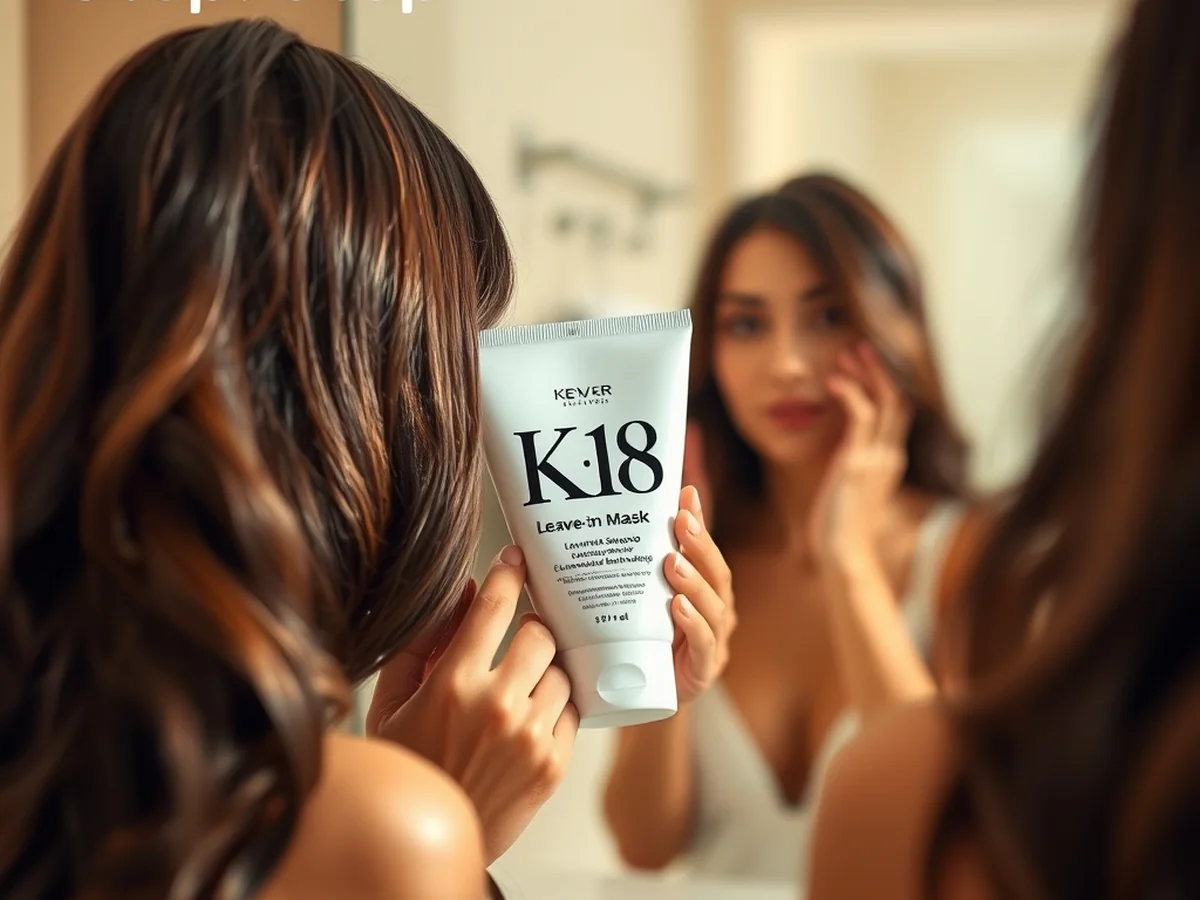
Proper application is essential to ensure the formula interacts effectively with your hair. Follow these steps to learn how to use the K18 mask for the best results.
- Cleanse your hair with a clarifying shampoo to remove buildup, but skip the conditioner entirely, as it can block the product from absorbing.
- Gently towel dry your hair thoroughly until it is damp but not dripping wet.
- Apply a small amount of the treatment, starting with one pump and adding more only if your hair length or thickness requires it.
- Wait for the product to set for several minutes before applying any other styling creams, oils, or heat protectants to your hair.
K18 vs Olaplex Comparison
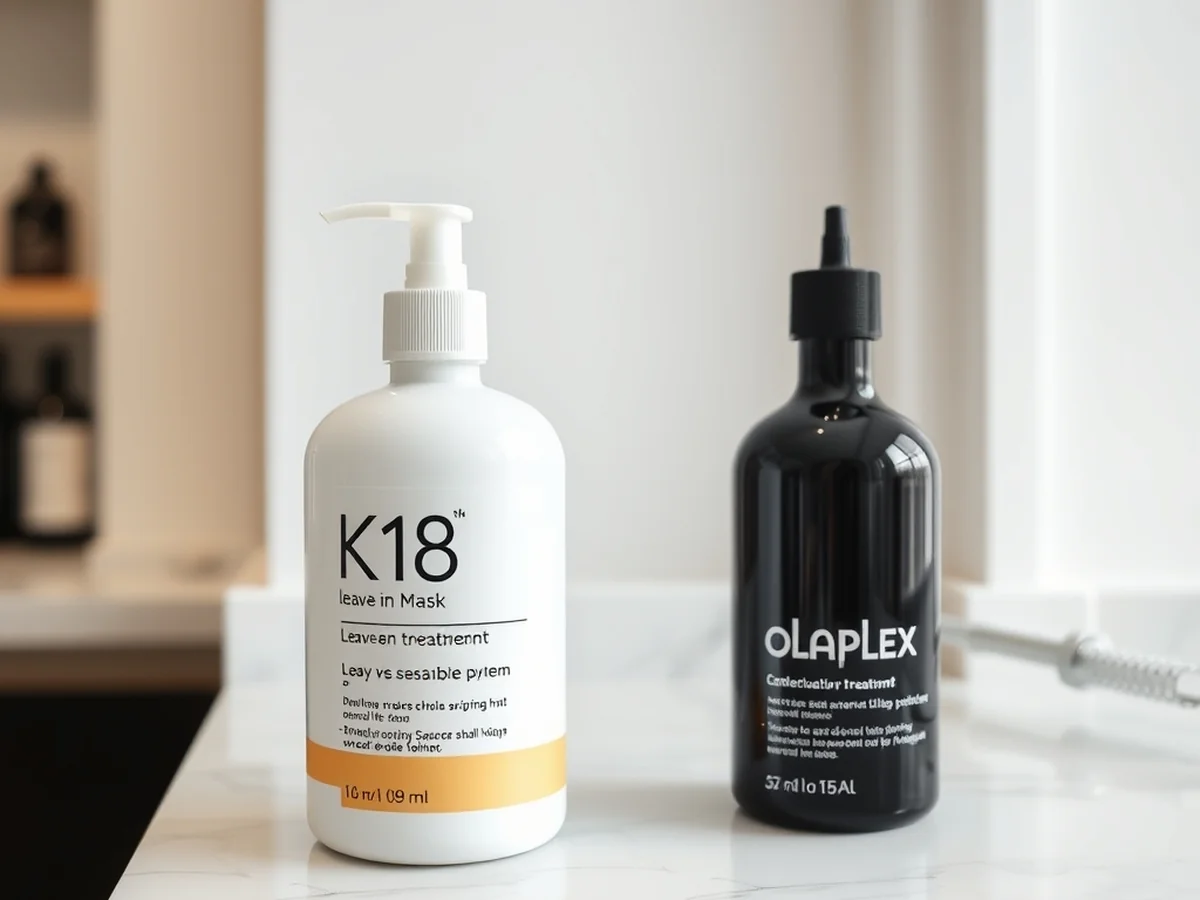
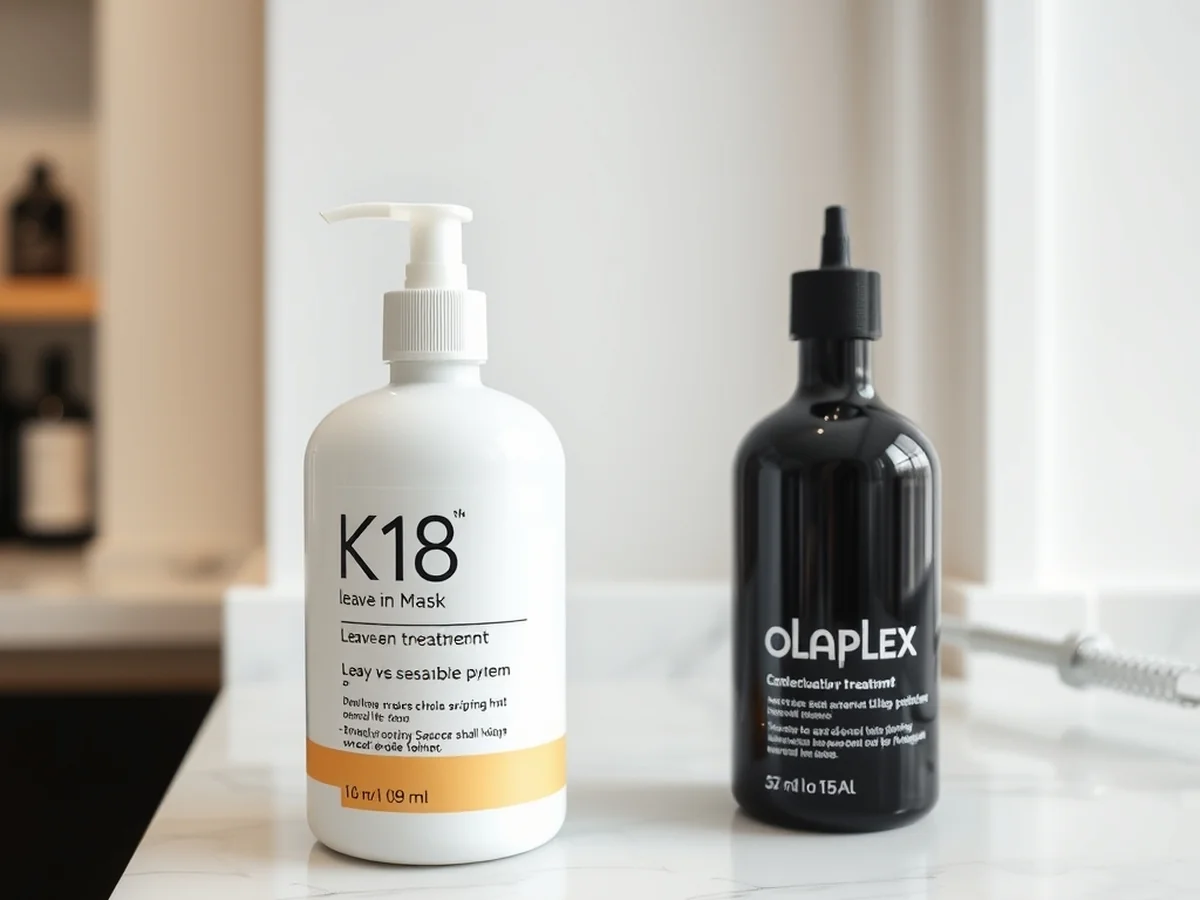
The primary difference in this K18 vs Olaplex comparison lies in the application philosophy and chemical approach to hair repair used by each brand. While Olaplex typically functions as a multi-step system requiring a rinse, the K18 mask is designed as a leave-in application.
| Feature | K18 | Olaplex |
|---|---|---|
| Application | Leave-in | Rinse-out |
| Primary Goal | Repair polypeptide chains | Rebuild disulfide bonds |
| Routine Complexity | Low | Moderate to High |
Deciding between these options depends on your specific hair needs. If you prefer a streamlined, time-efficient process for damaged hair, the leave-in approach may be more suitable. Those who prefer a traditional salon-style system focused on disulfide bond maintenance often gravitate toward the multi-step nature of alternative bond builders.
Common Application Mistakes
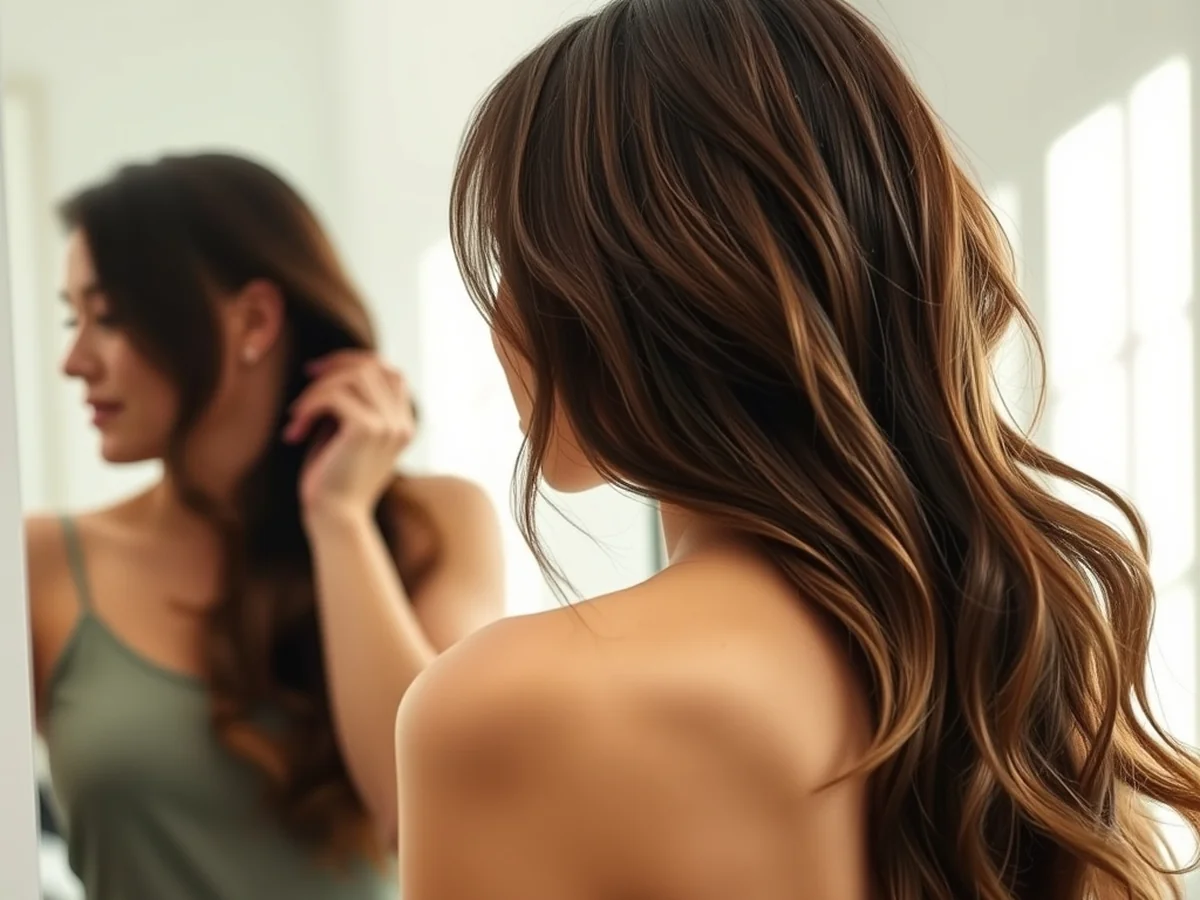
Achieving the best results from this treatment depends on precise application techniques. Avoiding specific errors ensures the formula can effectively reach the hair structure without interference from external factors.
- Using an excessive amount of the mask often leads to unwanted product buildup on the hair strands.
- Applying the treatment to overly wet hair can dilute the formula and prevent it from working as intended.
- Layering the mask with incompatible styling products immediately can create a barrier that blocks necessary penetration.
- Failing to distribute the product evenly across damp hair may result in inconsistent repair.
- Using heavy oils or silicones before the mask settles can interfere with the overall performance of the molecular repair process.
When K18 Won’t Fix Hair

At-home treatments cannot replace professional intervention when hair experiences extreme structural compromise, such as severe breakage or melting from chemical services. If your hair feels gummy when wet, snaps off during routine brushing, or refuses to hold pigment, these are clear signs that the internal protein structure is severely depleted.
Retail masks are formulated for maintenance and repair of daily damage rather than intensive restorative work. Professional salon systems often utilize higher concentrations of active ingredients or multi-step processes designed to address intense porosity issues immediately. If you have a complex history of repeated bleach applications or corrective color services, consult a stylist before adding new products to your routine. They can assess if your hair needs professional-grade bond support first.
Formulation and Safety Standards
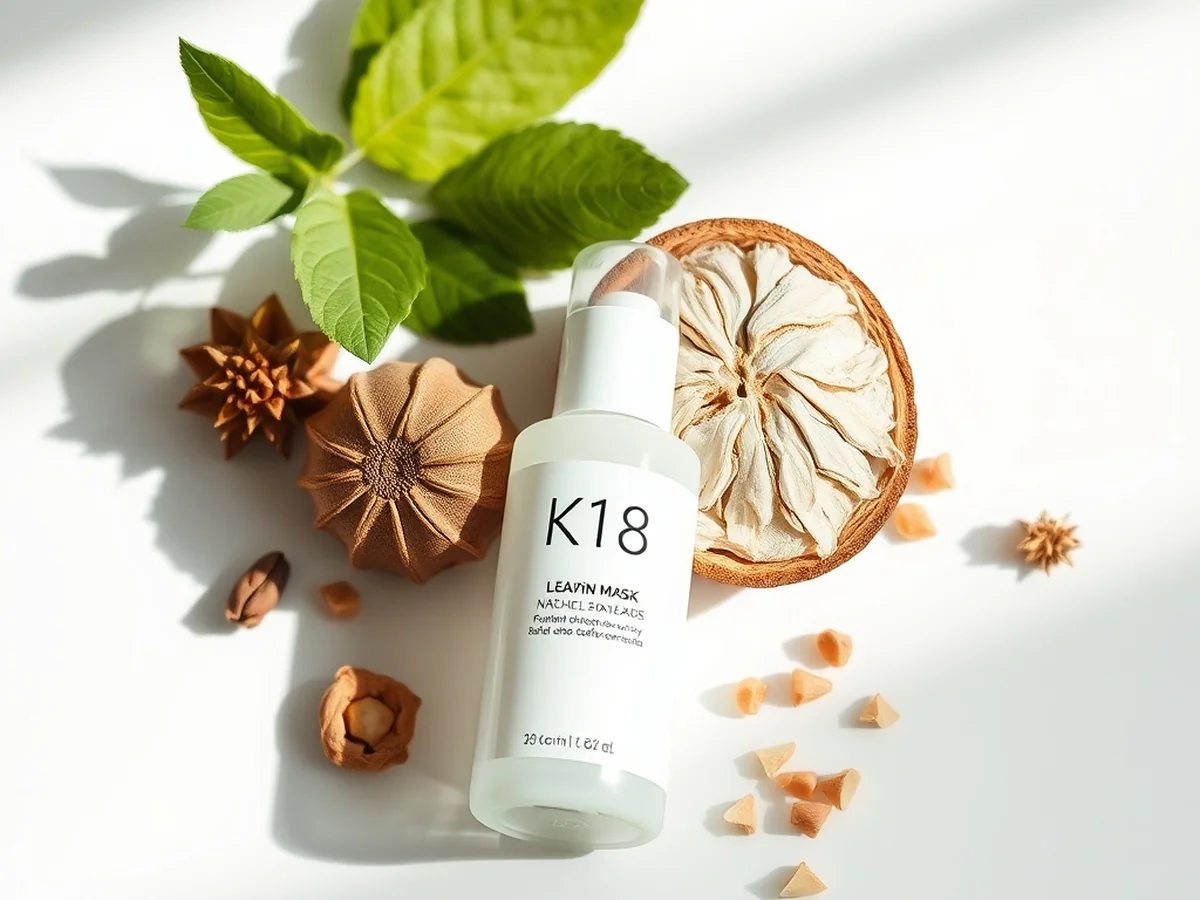
The K18 leave-in mask is formulated without common additives such as sulfates, parabens, and silicones. By excluding these ingredients, the product aims to minimize heavy buildup while maintaining a clean profile for various hair types.
The brand maintains a commitment to ethical standards regarding animal welfare. It is recognized as a cruelty-free and vegan brand, aligning with expectations for modern beauty products. These certifications ensure that the formulation process avoids animal-derived ingredients and testing practices.
This treatment is generally suitable for all hair textures, including those that are chemically processed or color treated. Because it avoids harsh agents, it is often recommended for individuals managing heat damage or brittle strands who require a gentle, restorative approach to hair care.
FAQ
How do you apply the K18 leave-in mask?
Apply a small amount to clean, damp hair, working it through evenly from ends to roots. You should start with a very small quantity, as the concentrated formula often requires less than traditional products.
Do you rinse out the K18 hair treatment?
No, this is a leave-in treatment and should not be rinsed out after application. Once you have distributed it through your hair, you simply wait before adding other styling products or heat tools.
Can you use K18 with other hair products?
Yes, you can layer other products over your hair once the initial wait period has passed. It is generally recommended to wait until the treatment has been absorbed before applying oils, leave-in conditioners, or styling creams to ensure the best results.
How often should K18 be used?
The product is intended to be used for the first four to six consecutive washes to help build up its effects. After this initial intensive period, you can shift to a maintenance routine of using it every three to four washes, depending on your hair needs.
Is K18 suitable for color treated hair?
The formula is designed to be compatible with color treated hair and various chemical services. Because it addresses structural concerns at the polypeptide chain level, it is frequently used by those who regularly bleach or dye their hair to help maintain strength.
Conclusion
Deciding if this product fits your routine depends on whether you prioritize targeted structural support for damaged hair over immediate aesthetic smoothing. If your primary goal is to address hair compromised by chemical processing or heat styling, you may find the treatment worth integrating into your regimen. After reading this k18 leave-in mask review, consider your hair porosity and current product lineup to determine if the specific application requirements align with your maintenance goals. You might begin with the travel size to evaluate how your hair responds before committing to the full container.
You might also like: K18 Vs Olaplex For Fine Hair K18 Vs Olaplex For Fine Hair