Olaplex Routine For Bleached Hair
Introduction
Establishing a consistent olaplex routine for bleached hair allows you to address the specific structural needs of chemically lightened strands. By following a structured Olaplex Routine for Bleached Hair, you can better manage the porosity and texture changes that often follow intensive lightening services.
This guide explains how to integrate bond-building products into your weekly regimen to support hair integrity. You will learn the correct order of application, how to adjust your frequency based on the condition of your hair, and how to effectively layer these treatments with your standard washing and conditioning products. We focus on evidence-based application methods to help you navigate the transition from intensive repair to regular maintenance, ensuring your hair receives the necessary care to remain manageable and healthy after bleaching.
Understanding the Needs of Chemically Lightened Hair
Bleached hair requires a focused strategy because chemical lighteners strip away natural protective barriers, leaving the hair cuticle raised and vulnerable. When the cuticle is compromised, the hair loses its ability to retain moisture, which frequently leads to a dry, brittle texture and increased porosity. Protecting the hair involves restoring balance and sealing the cuticle to prevent further environmental or mechanical damage.
A consistent approach to hair health is essential for those managing the aftermath of lightening services. Sporadic treatments often fail to provide the sustained support needed to manage structural changes caused by bleaching agents. By maintaining a steady bond building hair care routine, you provide the hair with reliable, ongoing reinforcement rather than relying on occasional quick fixes that may not address underlying issues.
The Role of Porosity in Your Routine
Understanding your hair porosity is a key part of this process. Highly porous hair absorbs moisture quickly but loses it just as fast, while low porosity hair may struggle to take in hydrating treatments. Tailoring your frequency based on these individual needs helps you avoid product buildup while ensuring your strands remain balanced. A well-managed Olaplex routine for bleached hair acts as a foundation for long-term health, helping you transition from the immediate aftermath of a salon service to a sustainable maintenance phase.
Consistency and Structural Integrity
Establishing a reliable cadence for your products allows the hair to adapt to regular care. This structured method ensures that your hair consistently receives necessary ingredients designed to support integrity, rather than experiencing the fluctuations that come with inconsistent application. When you commit to a routine, you create an environment where the hair can better manage the effects of chemical processing over time. Consistency is particularly important when learning how to repair bleached hair, as the hair follicle requires stable conditions to maintain its strength.
Avoiding Common Maintenance Pitfalls
Many users struggle with bleached hair maintenance routine by overloading the hair with conflicting products. A common mistake is layering too many heavy protein treatments alongside bond builders, which can lead to stiffness or breakage. Instead, prioritize a balanced schedule that alternates between bond-strengthening steps and lightweight hydration. If you are looking for Olaplex for damaged hair tips, focus on the specific needs of your hair type. For instance, fine hair may require a lighter touch to avoid being weighed down, while coarse or very dry hair may benefit from more frequent deep conditioning sessions.
- Prioritize moisture retention to combat the dryness typical of high-lift processes.
- Use a consistent application schedule to provide stable support for the hair structure.
- Focus on sealing the cuticle to smooth the surface and improve overall manageability.
- Monitor how your hair responds to different products to refine your approach as it recovers.
Why Bleached Hair Needs Olaplex
 Why Bleached Hair Needs Olaplex
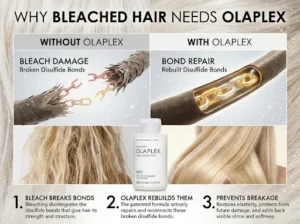
Bleached hair requires specialized care because the chemical process of lightening strips the hair of its natural protective components. When you apply chemical lighteners, the solution must penetrate the hair cuticle to dissolve natural pigments. This process leaves the cuticle layer raised or damaged, which significantly alters hair porosity. High porosity means the hair can no longer effectively retain moisture or essential proteins. As a result, the internal structure becomes vulnerable, leading to dryness, brittleness, and a loss of natural elasticity.
Incorporating bond building hair care into your regimen is a common approach to address the structural impact of bleaching. Bleaching agents work by interacting with the hair follicle and internal bonds. When these bonds are compromised, the hair loses its structural integrity. Using products that contain Bis-Aminopropyl Diglycol Dimaleate, the core ingredient in the bond-building line, is a primary strategy for those learning how to repair bleached hair. This technology is often integrated into a dedicated Olaplex routine for bleached hair to support the hair shaft after the stress of chemical processing.
A consistent bleached hair maintenance routine is essential because damage often accumulates over time. If the hair is over-processed, it can suffer from structural changes that are difficult to reverse. By recognizing the indicators of chemical stress early, you can adjust your maintenance routine before the damage progresses further. Watch for these common signs that your hair requires extra attention:
- The hair feels excessively dry or straw-like even after applying deep conditioning treatments.
- You notice increased breakage or snapping when you brush or style your hair while wet.
- The hair lacks a natural shine because the damaged cuticle surface cannot reflect light properly.
- Tangles and knots form frequently as the roughened texture of the hair strands causes them to catch on each other.
- The hair absorbs water or products too quickly but fails to hold them, which is a clear indicator of high porosity.
- Split ends appear along the length of the hair, rather than just at the very tips.
One common mistake when using Olaplex for damaged hair tips is failing to account for porosity. Because damaged hair is highly porous, it may soak up products unevenly. It is important to ensure even saturation during application to get the most out of your routine. Additionally, while moisture is vital to combat the dryness often associated with chemical lighteners, balance is key. Overloading the hair with heavy proteins or oils without addressing the underlying bond structure can leave hair feeling weighed down or stiff. By focusing on the structural needs of the hair first, you create a stronger foundation for moisture and shine to return.
How Olaplex Repairs Bleached Hair

Olaplex products function by addressing the structural integrity of the hair shaft rather than providing temporary surface-level cosmetic improvements. The foundation of this system is the molecule Bis-Aminopropyl Diglycol Dimaleate. This active agent is formulated to target the hair at a molecular level, which is a central component for anyone building a bond building hair care routine.
Understanding Disulfide Bonds and Bleach Damage
To understand why this chemistry is necessary for bleached hair, consider the role of disulfide bonds. These chemical links are responsible for the structural integrity and overall strength of each hair strand. When you use strong bleaching agents, these vital bonds are frequently broken, which can lead to increased hair porosity, texture changes, and a weakened hair cuticle. Over-processing with bleach can result in significant structural damage to the hair cuticle, making a targeted maintenance approach essential.
Bond Builders vs. Conventional Treatments
It is important to clarify that bond builders operate differently than traditional hair care products. While many conventional items focus on depositing keratin protein or adding external moisture, bond builders do not function as protein treatments or standard deep conditioning masks. Those traditional products typically coat the surface of the hair to improve texture or manageability, whereas bond-building technology focuses on the internal structure of the strand. Distinguishing between these categories is key when learning how to repair bleached hair, as it helps you avoid the common mistake of overloading the hair with protein when it actually requires structural support.
| Product Type | Primary Function | Target Area |
|---|---|---|
| Bond Builders | Support internal structural integrity | Internal hair shaft |
| Protein Treatments | Fill gaps in the cuticle | Surface and outer cortex |
| Deep Conditioners | Add moisture and manageability | Hair surface |
Practical Integration for Bleached Hair Maintenance
Incorporating this chemistry into your bleached hair maintenance routine allows for a more targeted approach to damage management. Because these products work internally, they are distinct from items that simply soften the hair cuticle or add shine. When managing hair that has undergone significant chemical processing, using products like No. 3 correctly is vital. Most users find success by applying treatments to damp hair, ensuring even distribution before rinsing, and following up with appropriate shampoo and conditioner. By focusing on the internal links that hold the hair together, you can better manage the effects of chemical lighteners and maintain hair health while utilizing color treatments.
Choosing the Right Olaplex Products
Selecting the appropriate items for your hair care regimen depends on whether you are seeking intensive restorative steps or consistent daily support. Understanding the specific function of each product ensures you avoid over-treating while effectively managing the side effects of chemical lightening. An effective bond building hair care routine requires a balance between targeted treatments and daily moisture to maintain hair integrity.
| Product | Primary Category | General Use |
|---|---|---|
| No. 0 | Intensive Primer | Pre-treatment preparation |
| No. 3 | Intensive Treatment | Targeted weekly application |
| No. 8 | Moisture Mask | Deep conditioning and hydration |
The comparison above highlights the functional differences between concentrated treatments and essential hydration steps. While primers and intensive treatments focus on internal structural support, moisture masks address the external texture and dryness often present after bleach application.
For those navigating the process of restoring hair health after lightening, differentiating between a treatment that targets internal integrity and one that provides external moisture is the first step toward a successful recovery.
Differentiating Treatment Types
Primers like No. 0 act as a base to prepare the hair for subsequent intensive treatments. Intensive treatments, such as No. 3, are designed for periodic application rather than daily use, providing a concentrated focus on hair integrity. Daily maintenance products, including No. 4 and No. 5, serve a different purpose entirely. These are formulated to support hair health through regular cleansing and conditioning cycles.
When integrating these into your process for managing lightened hair, keep in mind that Bis-Aminopropyl Diglycol Dimaleate is the core component across the line. Because bleached hair often experiences increased porosity, applying products in the correct order is essential to ensure they penetrate the hair cuticle effectively.
The Role of Maintenance Products
Maintenance products like No. 4 and No. 5 are intended to preserve the results of your intensive care sessions. When you bleach your hair, the cuticle can become compromised, leading to increased porosity and a loss of natural moisture. These maintenance steps help manage these concerns by providing consistent hydration and gentle cleansing. Incorporating them into your regular wash day helps keep the hair manageable and protected from the daily wear that often exacerbates the visibility of damage.
If you are seeking Olaplex for damaged hair tips, focus on consistency rather than frequency. Over-applying treatments can sometimes lead to product buildup, so monitor your hair texture closely and adjust your schedule if your strands begin to feel heavy or stiff.
Step by Step Routine
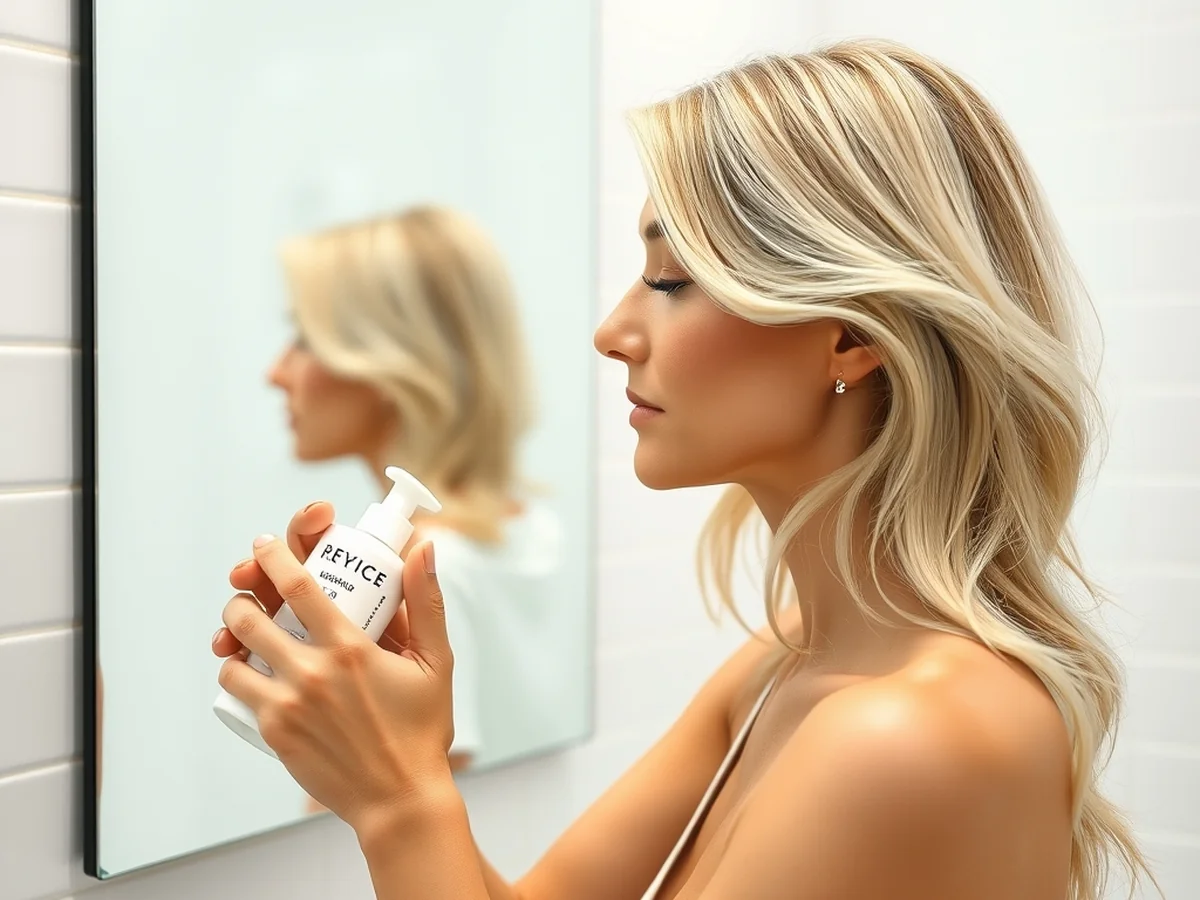
Establishing an effective process for using hair strengthening products requires a specific order of operations to ensure the hair cuticle remains receptive to active ingredients. Bleaching agents often alter hair porosity, making strands more absorbent but also more vulnerable. By following a structured approach, you can manage the health of your hair without disrupting the necessary pH balance of the scalp or hair shaft.
- Begin with clean, damp hair. While some prefer applying treatments to dry hair, lightly dampening the strands helps distribute the product evenly, especially if your hair has high porosity from previous chemical processing.
- Apply the bond builder from roots to ends. Ensure full saturation, as the active ingredient Bis-Aminopropyl Diglycol Dimaleate works best when it can reach all areas affected by bleaching.
- Follow the official Olaplex No 3 usage instructions by leaving the treatment on for at least ten minutes. This waiting period is essential for the formula to interact with the internal structure of the hair.
- Rinse the product out thoroughly with lukewarm water. It is important to remove all residue before proceeding to shampooing.
- Apply a maintenance shampoo, such as No. 4, to gently cleanse the scalp.
- Finish with a moisturizing conditioner or mask, like No. 5, to seal the cuticle and provide the hydration necessary for chemically treated hair.
Managing Product Absorption
Understanding hair porosity is vital when you are learning how to restore the condition of chemically lightened hair. Highly porous hair can absorb product too rapidly, which might lead to uneven results or a heavy, coated feeling. If your hair feels brittle after your session, it may be a sign that you need to prioritize moisture over additional bond building. Rotate your routine to include deep conditioning sessions, which helps prevent protein overload while keeping the hair flexible.
Common Mistakes to Avoid
One frequent error when keeping up with the needs of processed hair is neglecting the rinsing stage. Leaving bond building formulas in the hair before shampooing can create a barrier that prevents your conditioner from penetrating the hair follicle. Additionally, avoid using heavy oils or styling products immediately after your bond building treatment. These can sit on the surface of the hair, making it difficult to assess how well your hair is responding to the repair process. If you are using purple toning shampoos, use them on a separate day to ensure the bond builder is not blocked by the pigments contained in toning products.
Routine Mistakes to Avoid

You can hinder your progress by misapplying bond-building products or overusing treatments that your hair does not actually need. Achieving the best results for bleached hair requires a balanced approach that respects your hair cuticle rather than overwhelming it with too many concentrated products.
A common pitfall is the assumption that more product equals faster repair. While your hair may feel brittle after bleaching, layering too many intensive treatments can lead to an imbalance. Specifically, stacking multiple protein-heavy products can leave hair feeling stiff, straw-like, or prone to snapping. Instead of layering every treatment you own, focus on consistency with one or two targeted products to support your hair health.
Rinsing is another critical step that is often rushed. If you do not thoroughly remove pre-shampoo treatments, you create a barrier on the hair follicle that prevents your regular shampoo and conditioner from working as intended. This residue can weigh your hair down and make it appear dull or greasy. Take the time to emulsify and rinse these formulas completely to ensure your hair is clean and receptive to the moisture it truly needs.
Frequency errors also undermine a successful approach to maintaining your hair after chemical processing. Many people believe that using intensive repair treatments every single time they wash their hair will accelerate healing. In reality, your hair has a limit to how much bond-strengthening it can absorb in a short period. Stick to the recommended application frequency rather than applying products daily, as this allows the hair to maintain its natural pH balance and avoids potential buildup.
Keep these points in mind to keep your hair on the right track:
- Check product labels for usage frequency rather than relying on guesswork.
- Ensure your hair is thoroughly saturated with water before and during the rinsing process.
- Alternate between repair-focused treatments and simple, hydrating steps to maintain softness.
- Avoid mixing brands or treatments unless you have confirmed they are compatible for your specific porosity level.
Following these professional recommendations for bleached hair maintenance helps you avoid common setbacks. By focusing on proper cleansing and measured product use, you protect the integrity of your hair and ensure your maintenance efforts are actually effective.
Maintaining Bleached Hair Health

Managing the health of bleached hair requires a strategic balance between structural support and consistent hydration. Chemical bleaching agents typically raise the hair cuticle, which increases hair porosity and makes the strands susceptible to moisture loss. While bond-building products are frequently used to support internal hair integrity, they do not function as a substitute for emollients or humectants, which are essential for sealing the cuticle and restoring flexibility to the hair follicle.
Balancing Bond Building and Hydration
A common mistake in a regimen focused on strengthening hair is neglecting moisture in favor of intensive repair. To avoid the brittle texture often associated with chemical over-processing, alternate your restorative treatments with deep conditioning masks. If your hair feels stiff or straw-like, prioritize moisture-rich products to compensate for the structural changes caused by lighteners. This approach helps maintain hair elasticity between salon visits. If you are exploring methods to restore the condition of your hair, remember that the goal is to stabilize the hair cuticle while ensuring the hair retains its natural movement.
Managing Toning and Repair Schedules
When using purple toning shampoos to neutralize warmth, be mindful of their impact on your overall strategy for looking after lightened hair. These shampoos often possess a different pH balance than standard maintenance products, which can occasionally interfere with the efficacy of bond builders if used simultaneously. It is usually best to separate your toning sessions from your intensive repair treatments. This ensures that the toning agents work as intended without competing with the ingredients meant to support structural health. Using these steps on alternate days helps maintain color clarity without compromising the repair process.
| Product Category | Primary Function | Best For |
|---|---|---|
| Bond Builders | Structural support | Compromised hair integrity |
| Deep Conditioners | Hydration and flexibility | Dryness and high porosity |
| Toning Shampoos | Color correction | Neutralizing brassy tones |
Transitioning to Maintenance
Moving from an intensive repair phase to a standard maintenance routine should be a gradual process. You might begin with weekly treatments to stabilize the hair cuticle and improve overall texture. As you notice increased resilience and improved manageability, you can space these applications further apart. This shift allows you to rely more on daily maintenance products, such as standard shampoos and conditioners formulated for color-treated hair, rather than relying exclusively on heavy-duty repair tools. Monitoring your hair for signs of stiffness is a useful way to determine when your hair is ready for a more moisture-focused approach rather than intensive structural support.
FAQ
How often should I use No. 3 on bleached hair?
Most users find that applying this product once a week is sufficient for keeping hair in good condition. If your hair shows significant signs of breakage or extreme porosity, you may increase the frequency to two or three times per week until the hair texture feels more manageable.
Do I need to shampoo before using No. 3?
You do not need to shampoo before applying this treatment, as it is designed to be used on damp, towel-dried hair. If your hair has a heavy buildup of styling products, a quick rinse or gentle cleanse first can ensure the product penetrates the hair cuticle effectively.
Can I use other brands with an Olaplex routine for bleached hair?
You can certainly incorporate other professional hair care brands into your process for looking after lightened hair. When mixing brands, monitor how your hair responds to ensure you are not accidentally overloading the hair follicle with excess protein, which can lead to stiffness.
What is the difference between No. 3 and No. 8?
The primary distinction is that No. 3 functions as a treatment focused on bond maintenance, while No. 8 is specifically formulated as a moisturizing mask. Using both in your routine can help address the dryness often found in lightened hair while simultaneously supporting the overall strength of the hair structure.
Does bleached hair require special care when using these products?
Bleached hair often requires extra attention to pH balance and moisture levels to keep the hair cuticle healthy. Incorporating bond builders while avoiding excessive heat styling or harsh chemical processes is essential for long-term health and minimizing the appearance of damage.
Conclusion
The most effective way to address chemical damage is to observe how your hair responds to a consistent regimen over several weeks. You should assess whether your hair requires additional moisture or protein to balance the effects of your chemical services. By tailoring your olaplex routine for bleached hair to match your unique porosity and texture, you can better manage the structural integrity of your strands. Start by selecting one or two products from the line to integrate into your weekly wash schedule before expanding your collection.
You might also like: K18 Vs Olaplex For Fine Hair K18 Vs Olaplex For Fine Hair