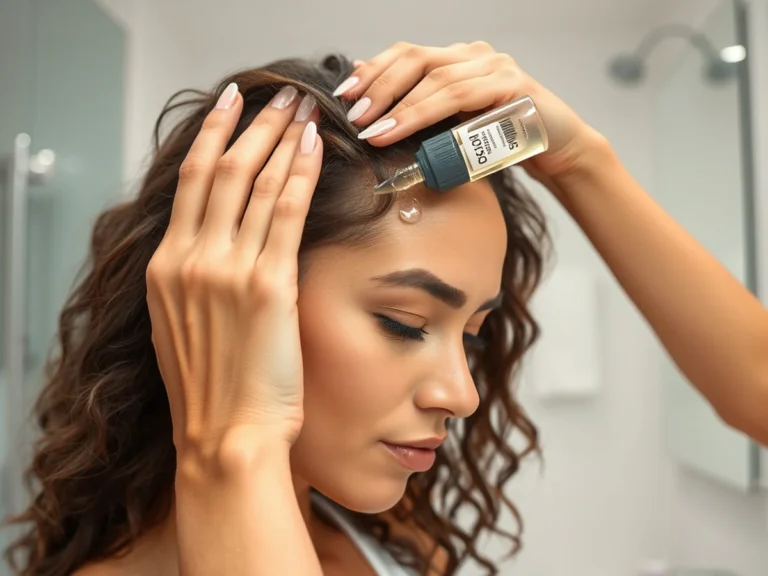
Olaplex No 0 Vs No 3 Differences
Introduction
Refining a hair repair routine requires a clear understanding of the olaplex no 0 vs no 3 differences. Learning about these Olaplex No 0 vs No 3 Differences helps you determine how each formula functions to support your hair health during at-home treatments.
This article examines the characteristics of both formulas, providing a technical breakdown of how they operate. You will find a comparison of their distinct purposes, guidance on integrating them into your regimen, and tips for effective application. Whether you are addressing damage from chemical processing or daily heat styling, the following sections clarify how to use these products to achieve your aesthetic hair goals.
Understanding the Roles of No. 0 and No. 3
The primary distinction between these products lies in their specific functions within a hair repair routine. While both utilize the same core bond-building technology, they serve different purposes for hair health.
No. 0 acts as a primer designed to prepare the hair for subsequent treatment. It is formulated to penetrate the hair structure, setting the stage for deeper product absorption. Conversely, No. 3 functions as a targeted bond maintenance product. It is intended to support hair integrity and manage damage during the recovery process.
Both products share a foundation in the brand’s proprietary bond building chemistry, which works to support hair bonds. By integrating these steps, users can establish a consistent hair repair routine that addresses structural concerns while maintaining manageable, healthier-looking hair.
Bond Building Science Comparison

The primary difference between these treatments lies in how they deliver the molecule bis-aminopropyl diglycol dimaleate to the hair. This active ingredient works by identifying and linking broken disulfide bonds within the hair shaft, which are essential for maintaining structural integrity.
Chemical processes, such as coloring or bleaching, and excessive heat styling weaken the hair cuticle and break these internal protein chains. When these bonds are compromised, the hair structure loses strength and elasticity.
Bond builders interact with keratin protein structures to reinforce these connections from within. By stabilizing the internal architecture, these treatments help restore the hair to a more resilient state.
- Bis-aminopropyl diglycol dimaleate targets broken disulfide bonds.
- Heat and chemical exposure degrade the protective cuticle layer.
- Strengthening the keratin matrix improves overall hair health.
Formula and Application Differences

The primary Olaplex No 0 vs No 3 differences lie in their physical consistency and intended application method. No 0 is a thin, watery liquid designed for an even, saturating application across the hair. In contrast, No 3 features a creamy, lotion-like consistency that is easier to distribute through damp hair during a routine.
| Feature | No 0 Intensive Bond Building Treatment | No 3 Hair Perfector |
|---|---|---|
| Consistency | Watery liquid | Creamy lotion |
| Delivery Method | Spray bottle | Squeeze bottle |
| Initial Application | Dry hair | Damp, towel-dried hair |
Proper application requires attention to these distinct textures to ensure effective coverage. While No 0 acts as a liquid primer, No 3 provides the density needed to coat individual strands thoroughly.
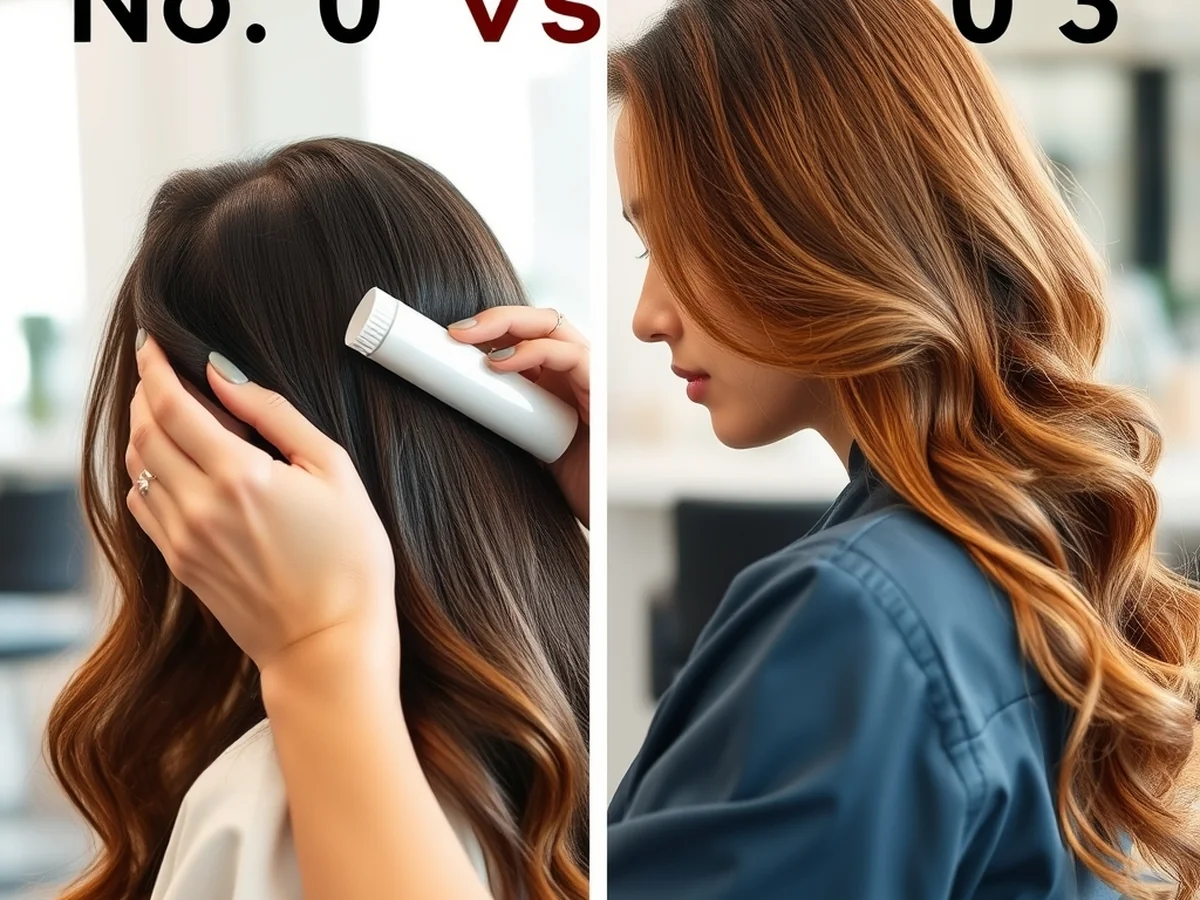
No. 0 vs No. 3 Priming
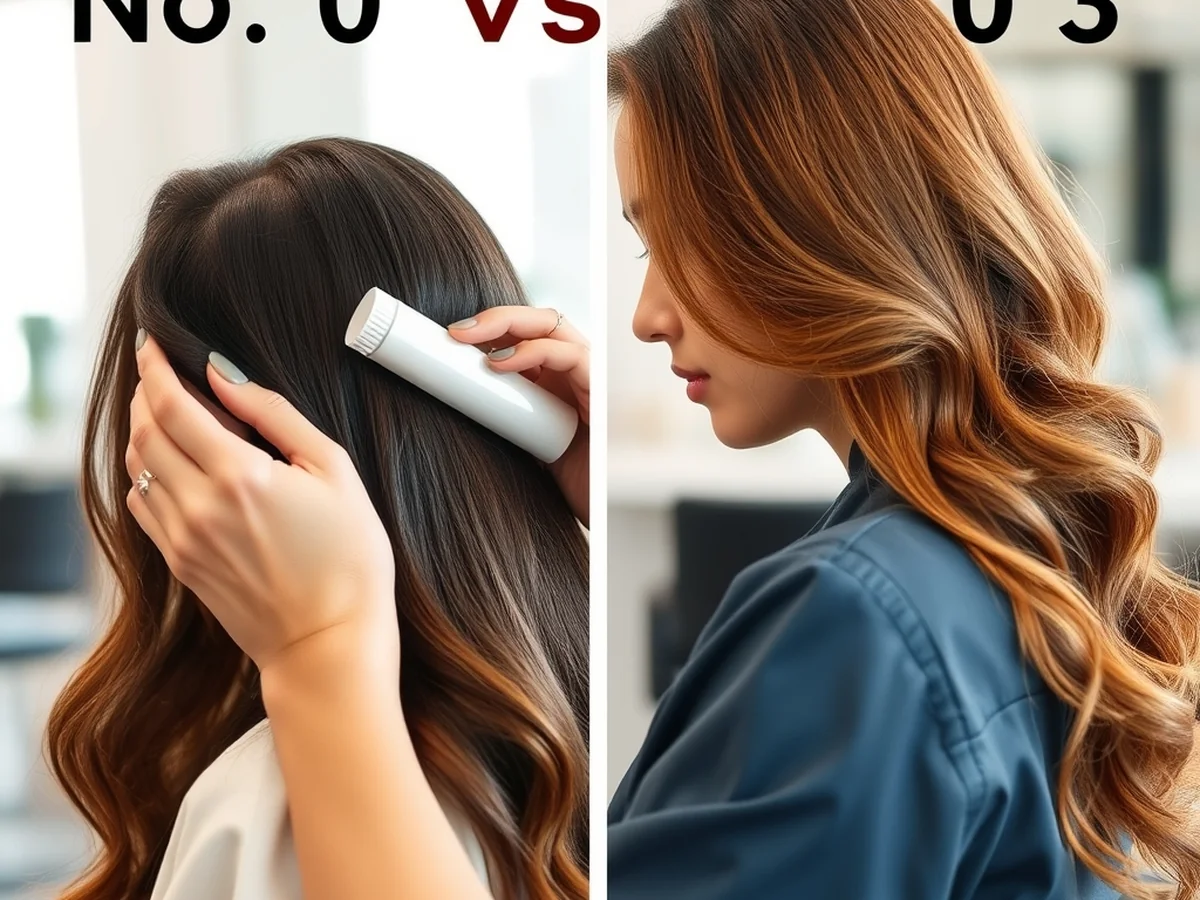
The primary distinction between these two products lies in their functional roles, as the first acts as an intensive preparatory step while the second serves as the main treatment. By applying the intensive treatment as a primer, the hair is better conditioned to receive subsequent products, which may enhance the overall efficacy of a hair repair routine.
Effective priming depends heavily on hair porosity. If your hair is highly porous, it often absorbs moisture and product quickly, which can lead to uneven results. An intensive liquid primer helps distribute treatment more uniformly across the hair cuticle. This controlled absorption ensures that the internal structure of the hair is evenly addressed, preventing the product from being absorbed too rapidly by only the most damaged sections of the strand.
Using No. 0 and No. 3 Together

To combine these treatments effectively, follow a specific order to ensure optimal absorption into the hair. It is important to note that No. 3 is not a standard conditioner, so you must follow the treatment phase with your regular shampoo and conditioning routine.
- Apply No. 0 to clean, dry hair by saturating it from root to tip.
- Allow the product to process on your hair for at least 10 minutes.
- Apply No. 3 directly over the No. 0 application without rinsing it out first.
- Comb the product through your hair to ensure even distribution and wait at least 10 minutes.
- Rinse both products thoroughly from your hair using water.
- Wash your hair with shampoo and follow with your preferred conditioner.
Frequency: No. 0 vs No. 3
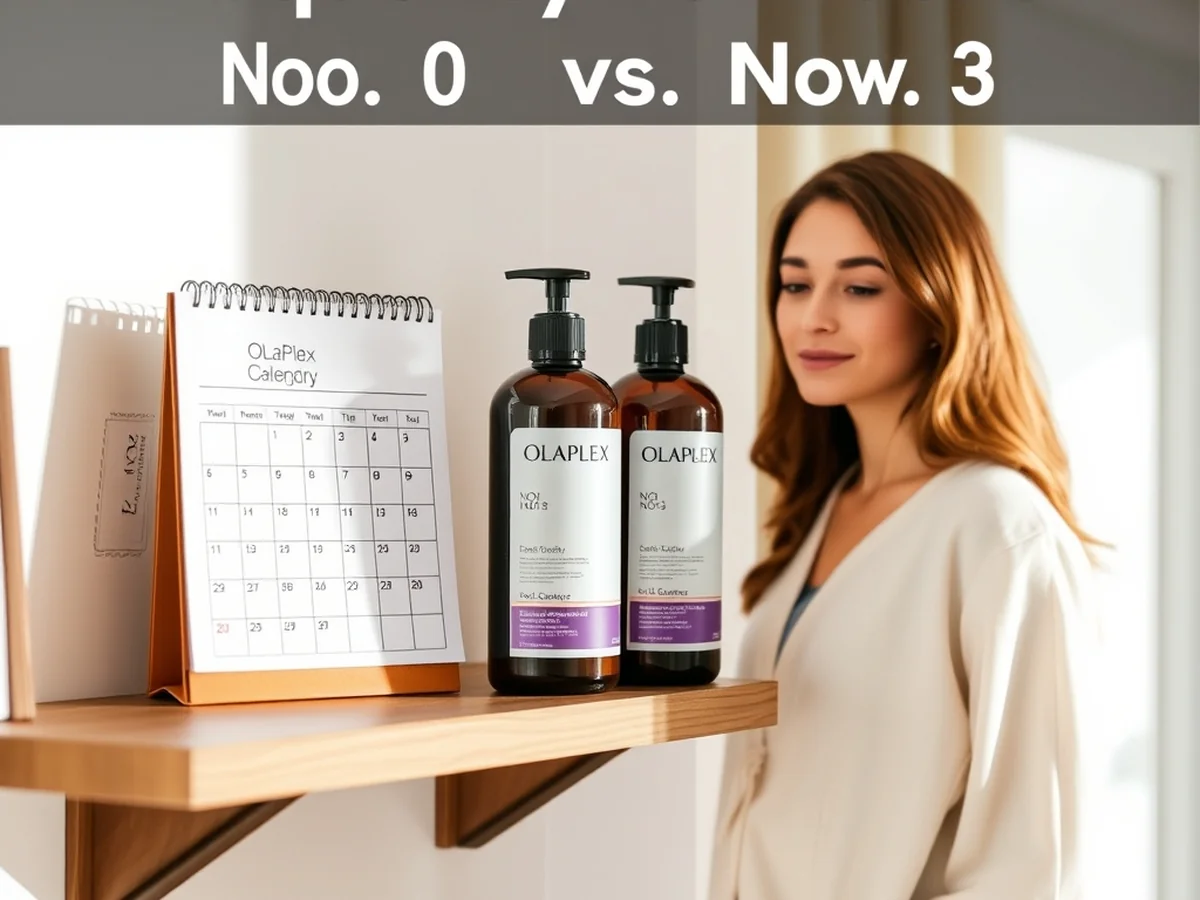
For most hair types, incorporating these treatments into your Olaplex hair repair routine once a week is a standard starting point. If your hair is heavily processed, bleached, or heat-damaged, you may increase the frequency to two or three times per week to support structural integrity.
Monitoring your results requires consistent observation of how your hair responds to the treatment schedule. Pay attention to changes in elasticity, texture, and breakage levels. If your hair begins to feel brittle or overly stiff, this may indicate that you should reduce the frequency of your applications. Conversely, if you notice continued improvements in manageability and strength, you can maintain your current regimen. Adjust your schedule based on how your hair feels and looks over time, as individual needs change depending on your styling habits and environmental factors.
Common No. 0 and No. 3 Mistakes

Achieving the best results with these bond building products requires precise application rather than using excessive amounts of formula. Many users encounter issues because they fail to saturate the hair evenly or shorten the recommended processing time.
- Ensure you apply the product thoroughly from roots to ends to avoid patchy treatment results.
- Do not assume that applying more product than necessary improves hair health, as it often leads to buildup.
- If your hair feels heavy or greasy after rinsing, you likely used too much product or did not rinse thoroughly enough.
- Dry or brittle sensations after use may indicate that your hair requires additional moisture, as these treatments focus on bond repair rather than hydration.
- Always follow recommended timing guidelines to allow the ingredients sufficient time to interact with your hair fibers.
Understanding the Distinctions
The primary difference between Olaplex No 0 and No 3 lies in their specific roles within an at-home hair repair routine. While both products incorporate bond building technology to support hair health, they are designed to function differently during the application process.
Olaplex No 0 serves as an intensive treatment intended to prepare the hair for subsequent steps. It is a thin, watery liquid that is meant to be distributed thoroughly through the hair. In contrast, Olaplex No 3 is a thicker cream consistency that is typically used as a treatment to support the hair shaft.
When considering the Olaplex No 0 vs No 3 differences, it is helpful to look at how they interact. Many users incorporate both into their hair care regimen to maximize the effectiveness of the bond building technology. Because they are formulated to work in tandem, using them together can be part of a comprehensive approach to managing damage from heat styling or chemical processing.
| Feature | Olaplex No 0 | Olaplex No 3 |
|---|---|---|
| Product Type | Intensive Bond Building Treatment | Hair Perfector |
| Consistency | Thin, liquid | Creamy, lotion-like |
| Primary Function | Intensive preparation | Maintenance and repair |
FAQ
What is the main difference between No 0 and No 3?
No 0 acts as a liquid treatment for intensive preparation, while No 3 is a cream formulated for ongoing hair maintenance. They are designed to complement each other rather than replace one another.
Do I need to buy both products?
You do not need both, as they can be used independently depending on your specific hair care goals. However, using them together is a common method for those seeking a more intensive treatment routine.
Is Olaplex No 3 a conditioner?
No 3 is a bond building treatment rather than a traditional moisturizing conditioner. It focuses on supporting hair structure, so you should follow it with your regular shampoo and conditioner.
How often should I use these treatments?
The frequency depends on your hair type and the level of damage you are addressing. Most users find success by incorporating them into their routine once a week or as needed for damaged hair.
Conclusion
Determining your next step depends on whether you seek an intensive, multi-step regimen or a standalone maintenance treatment. If your hair is heavily processed or shows significant breakage, integrating both products may help you achieve a more comprehensive repair routine. For those with mild damage or limited time, using the bond-building treatment independently often provides sufficient results. Understanding the olaplex no 0 vs no 3 differences allows you to tailor your approach to your specific hair porosity and condition. Assess your current hair needs and start with the product that best aligns with your weekly schedule to see how your hair responds to the treatment process.
You might also like: How To Use K18 And Olaplex Together How To Use K18 And Olaplex Togethe