
Bondi Boost vs Olaplex: Which Bond Repair Wins?
Introduction to Hair Repair Regimens
Evaluating bondi boost vs olaplex helps consumers facing heat or chemical damage choose the best bond repair hair treatment for their specific needs. Managing compromised strands requires targeted repair regimens that address internal disulfide bonds and smooth the outer hair cuticle to restore strength and elasticity.
Readers will learn how each brand approaches hair protein treatment and overall damage recovery. This guide outlines key ingredient differences, application steps, and cost considerations to help you select the right products for your routine.
How Bondi Boost and Olaplex Repair Bonds
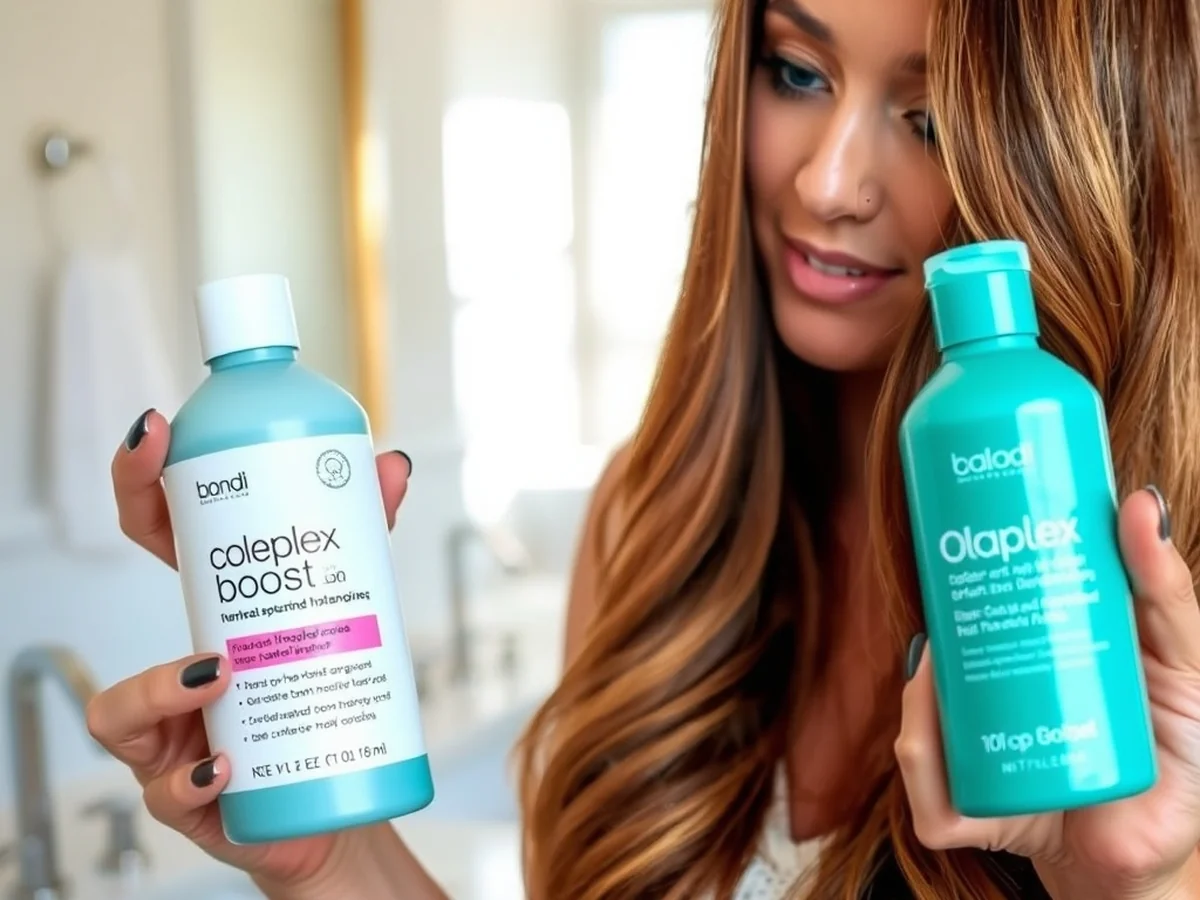
Both product lines work to restore internal hair strength by targeting damaged proteins and reinforcing weakened structural connections within the hair shaft. They address the core physical damage caused by daily styling and chemical processing. Healthy hair relies on a protective outer layer known as the hair cuticle, which shields an inner core made largely of hard keratin proteins. These internal proteins hold together through several types of chemical links, including strong disulfide bonds that provide natural elasticity and tensile strength.
Everyday activities like thermal styling with flat irons, chemical bleaching, hair coloring, and exposure to environmental stressors break these vital disulfide bonds. Once these connections snap, strands become brittle, porous, and prone to breakage. External bond repair treatments apply active ingredients directly to the hair shaft to link broken protein chains back together. They attempt to restore structural integrity from the inside out, helping to smooth the outer cuticle and improve overall manageability for chemically treated hair.
Understanding Repair Technology
Understanding the why behind these formulations helps clarify how an effective hair protein treatment functions on a microscopic level. When disulfide bonds fracture, the cortex of the hair loses its stability. Specialized formulas step in to reconnect these broken sites, preventing further snapping during brushing or styling. Selecting the best bond repair hair treatment requires looking closely at how each brand approaches this restoration process, especially when addressing severe structural compromise. Some formulations rely on targeted chemical compounds to bridge broken links, while others incorporate botanical extracts to support overall vitality.
Practical Steps and Application Protocols
Practical steps for maximizing these treatments involve following correct application protocols. Users should apply repair formulas to clean, damp hair, allowing active ingredients to penetrate the cuticle before rinsing. Incorporating a compatible sulfate free shampoo helps maintain the integrity of newly reinforced bonds by avoiding harsh detergents that strip away vital moisture and protective coatings. When evaluating bondi boost vs olaplex bond repair routines, consistency remains essential for seeing visible improvements in texture and strength.
Common Mistakes to Avoid
Common mistakes often hinder the effectiveness of bond repair regimens. Applying treatments to heavily soiled or oil coated hair prevents proper absorption into the hair protein structure. Overusing intensive repair products without balancing moisture can also lead to stiffness or brittleness, particularly for fine hair types. Moderation and consistent adherence to product instructions ensure optimal recovery for damaged tresses.
When determining which option suits bondi boost vs olaplex for damaged hair scenarios, assessing your specific level of thermal or chemical trauma guides the decision. Individuals focusing heavily on bondi boost hair growth vs olaplex often find that combining or alternating products requires careful attention to moisture versus protein balance to avoid overloading the hair strands.
Chemical versus Botanical Approaches to Bond Building
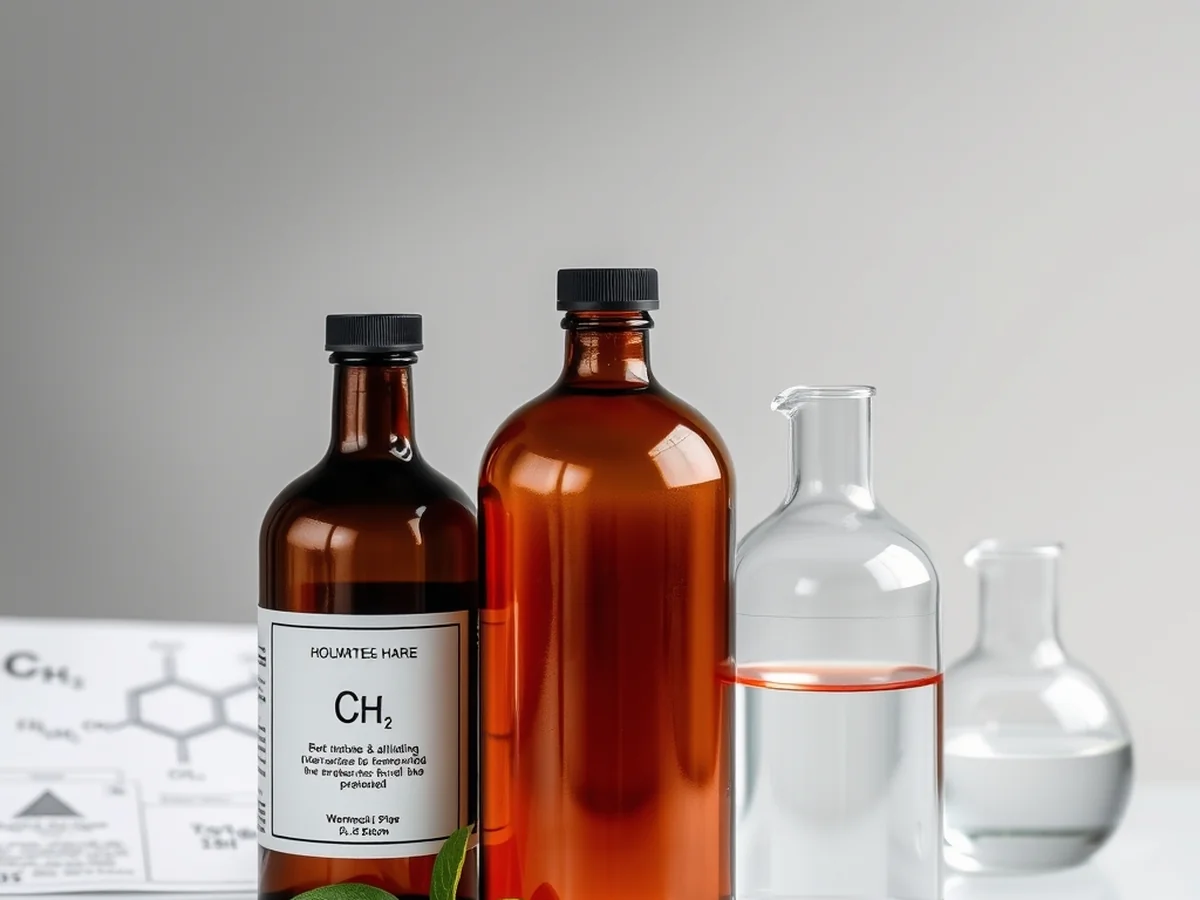
When comparing bondi boost vs olaplex, beauty consumers encounter two distinct formulation philosophies regarding how hair products restore compromised strands. One routine relies heavily on targeted chemical structures designed to interact directly with internal hair bonds. The other option leans toward plant extracts and nourishing oils to coat the hair cuticle and improve overall moisture balance. Understanding these underlying strategies helps individuals choose the right regimen for their specific hair type and damage level.
Chemical repair systems work deep within the hair fiber. They target broken protein links caused by thermal styling or bleaching. This process aims to reconnect internal structures at a molecular level to restore strength and elasticity. Because these formulas penetrate the hair shaft, they suit severe structural damage resulting from heavy chemical processing or persistent heat styling.
Botanical approaches take a different route by focusing on surface conditioning and external health. Plant derived ingredients deliver essential lipids and vitamins directly to the outer layers of the hair. This method helps smooth frizz and protect against environmental stress without altering internal protein chains. Botanical formulations work well for daily maintenance, routine moisture replenishment, and individuals seeking lightweight upkeep.
Cleansing steps play a critical role in both daily regimens. Selecting a gentle sulfate free shampoo ensures that natural oils remain intact while washing the scalp. Harsh detergents can strip vulnerable strands and undermine the work of any hair protein treatment applied afterward.
When implementing either approach, several practical steps and common mistakes deserve attention. A frequent error is layering too many heavy treatments at once, which can weigh down fine textures. Users should introduce new products gradually and monitor how the hair cuticle responds. For those dealing with compromised strands, alternating between a targeted bond repair hair treatment and a moisturizing botanical conditioner provides a balanced routine that addresses both internal strength and external hydration.
Direct Comparison of Product Line Offerings
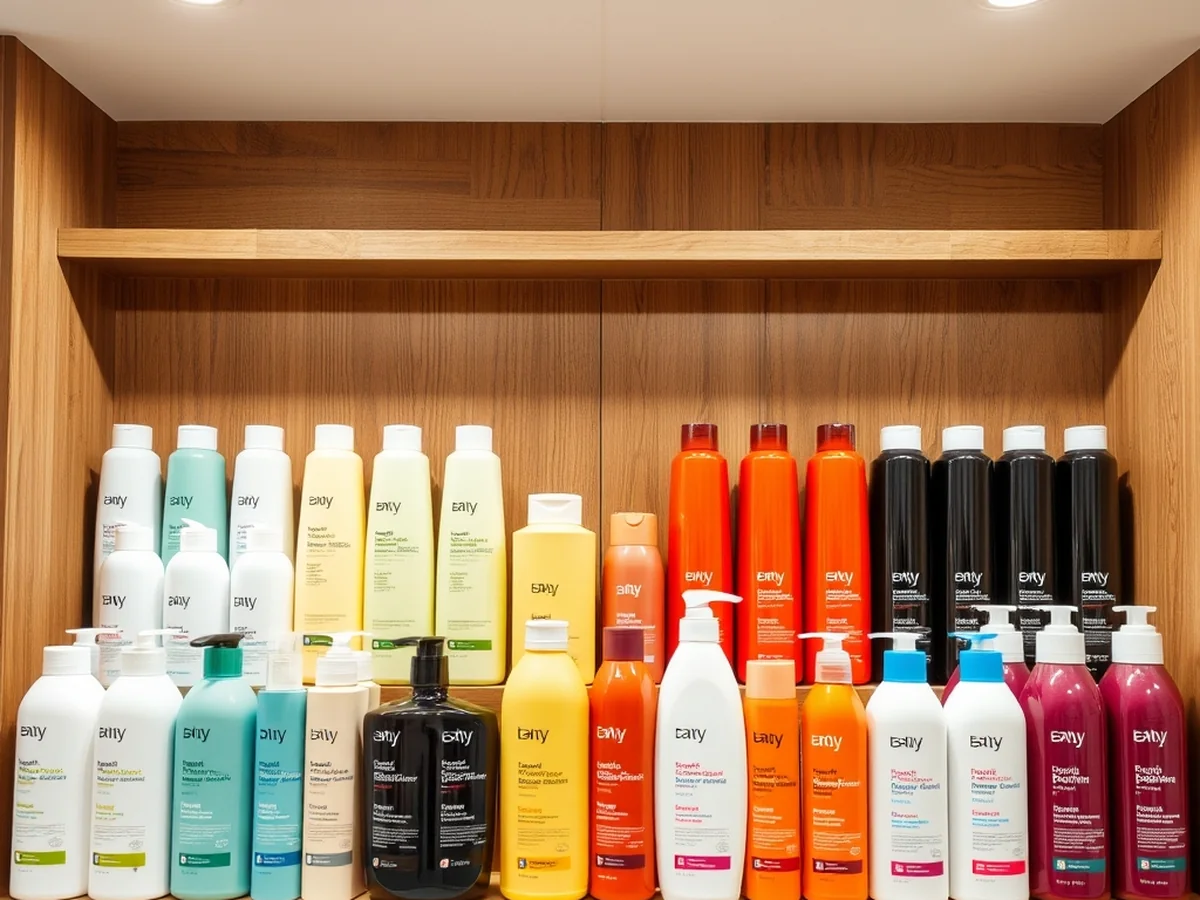
Both product ranges feature comprehensive regimens that address cleansing, conditioning, and targeted structural care for stressed strands, though their core selections and styling aids differ significantly. When comparing these lines for chemically treated or heat styled locks, consumers will find distinct steps tailored to daily maintenance and deep restoration. Understanding how each brand approaches routine care helps users match specific formulas to their unique hair preservation goals.
Core Cleansing and Conditioning Steps
Standard routines for each brand begin with a clarifying or sulfate free shampoo designed to cleanse the hair cuticle without stripping natural oils. Following cleansing, users apply a matching conditioner to smooth the hair surface and lock in moisture. For intensive restoration, both ranges offer specialized treatments meant to be used weekly or as needed before or after washing. Consumers looking for portable options can find curated travel kits containing smaller bottles of their favorite formulas for use on the go.
Matching Formulas to Specific Hair Damage
Choosing the right routine requires looking closely at how each regimen targets stressed areas. A common mistake when exploring bondi boost vs olaplex is assuming every bottle serves the exact same structural function. Olaplex typically focuses on pre shampoo repair steps designed to address internal hair protein treatment needs, whereas competitor ranges frequently emphasize deep conditioning masks and daily moisture delivery. When searching for the best bond repair hair treatment, evaluating your specific strand condition helps determine whether you need intense structural reinforcement or general moisture balance.
| Feature | Olaplex Line | Bondi Boost Line |
|---|---|---|
| Primary Cleansing | Sulfate free shampoo options | Targeted daily shampoos |
| Conditioning Steps | Moisture balancing conditioners | Nourishing daily conditioners |
| Intensive Treatment | Pre shampoo repair steps | Deep conditioning hair masks |
| Travel Support | Mini sizes and kit bundles | Compact travel friendly sets |
Evaluating Regimen Compatibility
Before committing to a full multi step regimen, evaluate your specific strand condition, whether that involves chemical processing, color fading, or thermal styling stress. People often wonder if they can layer items from different lines. Mixing products from bondi boost vs olaplex requires careful observation of how your hair responds to varying active ingredients. To get the best results, introduce one product at a time rather than overhauling your entire wash day routine simultaneously.
Cost per Ounce and Value Analysis
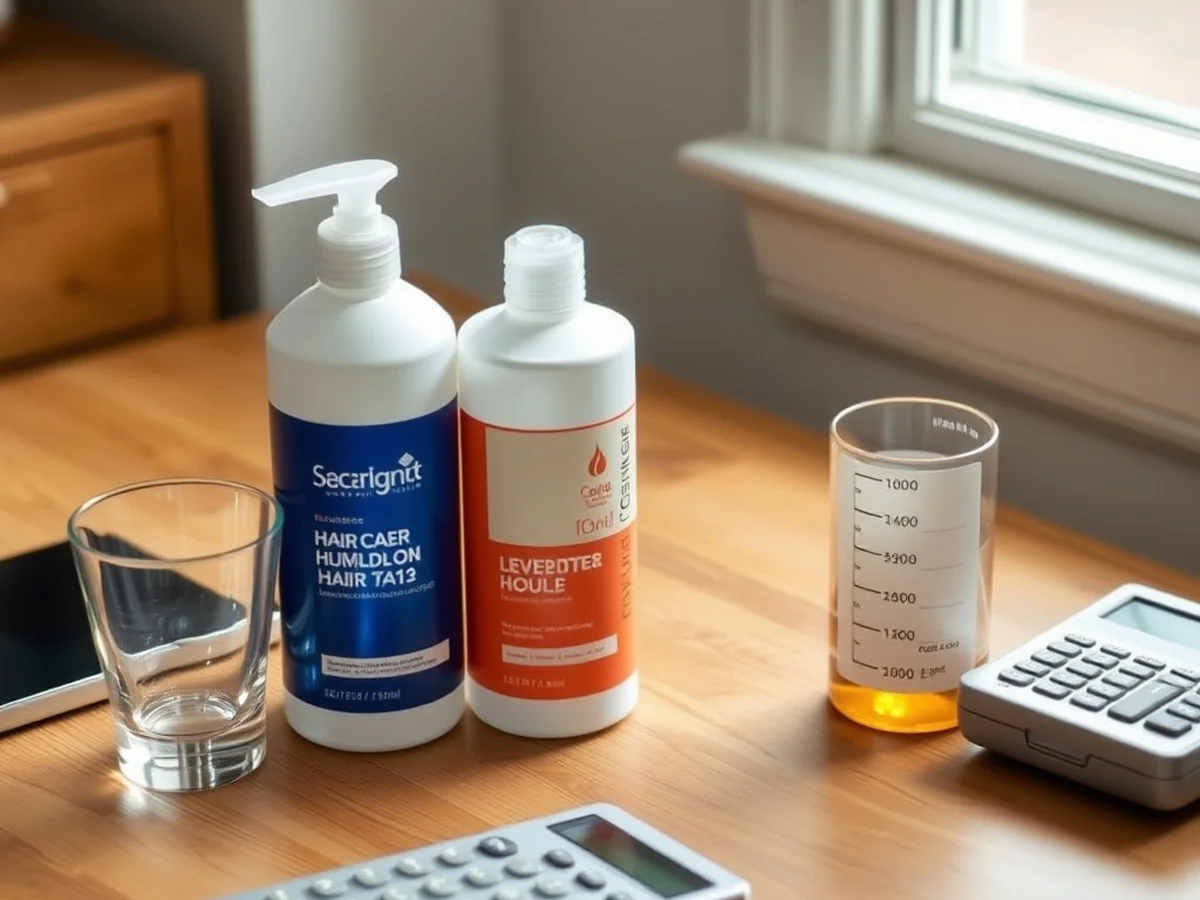
Comparing these two popular hair care lines reveals distinct differences in retail pricing, container volume, and long term expenses for budget conscious buyers. Evaluating the cost per ounce provides a clearer picture of financial value than looking at sticker price alone, especially when balancing a hair routine against your overall budget.
| Product Line | Distribution Channels | Container Volume | Pricing Structure |
|---|---|---|---|
| Bondi Boost | Retail stores and online | Standard sizes | Varies by retailer |
| Olaplex | Salon exclusive and online | Concentrated formulas | Premium tier |
Salon exclusive availability heavily influences purchasing channels and overall expenses for consumers. Professional lines often require visits to certified salons or authorised online retailers, which limits discount shopping opportunities. Retail focused brands are typically easier to find during promotional sales at mass market beauty suppliers, affecting how much shoppers spend over time.
When calculating the true value of your hair care regimen, looking beyond the initial purchase price is essential. Concentrated formulas often require smaller amounts per application, which can change the actual cost per use compared to standard liquid volumes. Reviewing container sizes helps you understand how long a single bottle will last in daily practice.
A common mistake when shopping for bond repair treatments is assuming that a larger bottle always equals a better deal. Highly concentrated products frequently offset a higher upfront sticker price through extended longevity per container. Conversely, choosing accessible retail lines makes it easier to test products without a steep financial commitment.
To evaluate financial value effectively, follow these practical steps before making a purchase:
- Calculate the price per ounce by dividing the total cost by the container volume in ounces.
- Assess how many applications you typically get from a standard container based on your hair length and thickness.
- Check authorised retail networks for promotional sales or value bundles that lower the per ounce cost.
- Compare the concentration level of each formula to determine how quickly you will need to repurchase.
Hair Type Suitability and Damage Level Assessment
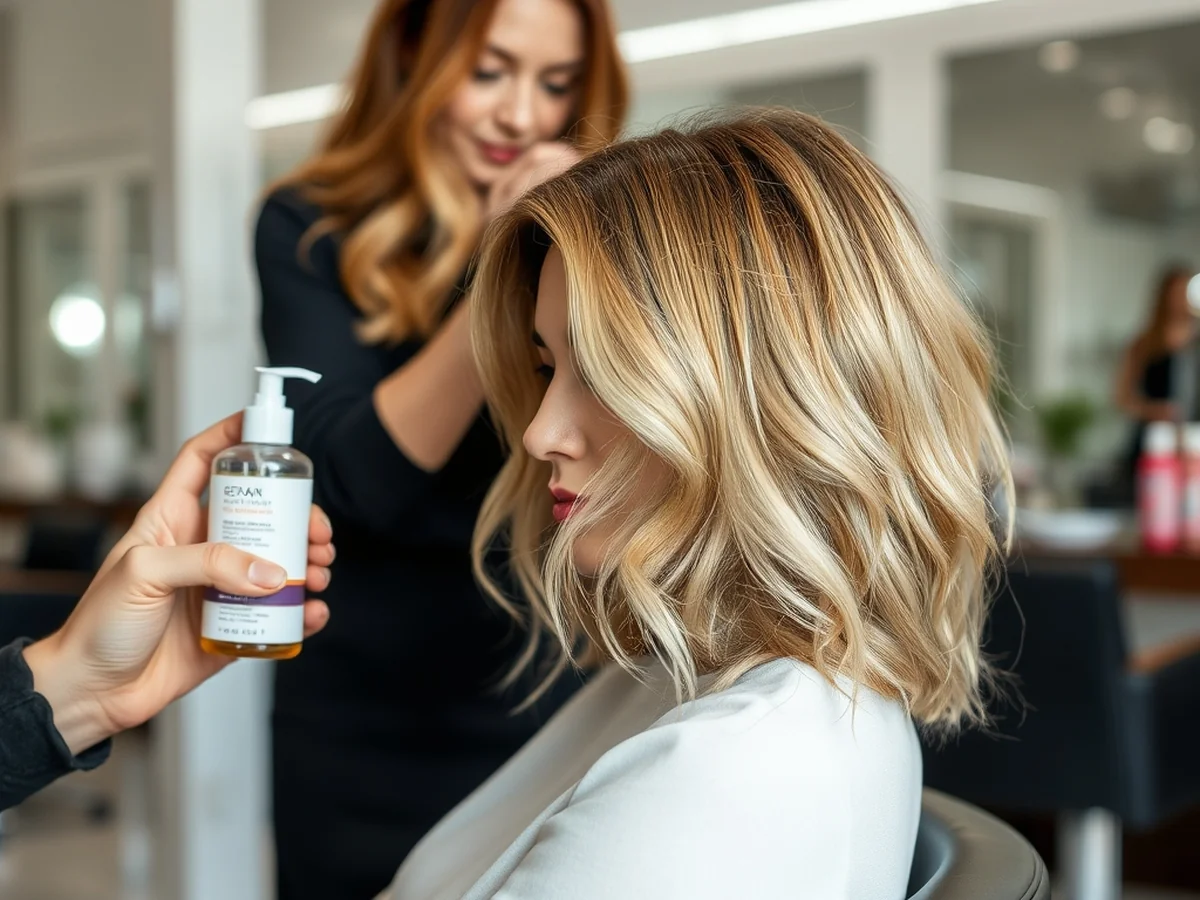
Matching the right hair repair regimen to your specific damage level and texture requires evaluating how your strands respond to chemical processing, heat styling, and daily wear. When comparing options like bondi boost vs olaplex for damaged hair, your decision depends entirely on whether your strands need intensive structural reinforcement or general nourishment. Fine, thick, curly, and straight textures all interact differently with various conditioning agents and strengthening formulas.
Before purchasing any strengthening system, assess your primary hair concerns by looking closely at elasticity, porosity, and breakage patterns. Chemically bleached or severely compromised strands often demand specialized care that targets internal bonds, while dry or heat styled hair might respond better to moisture focused routines. Considering your texture and styling history prevents wasted money and ensures you select an effective strengthening product for your unique situation.
Evaluating Porosity and Elasticity
Hair porosity determines how well your hair cuticle absorbs and retains moisture. Low porosity hair resists water and product penetration, while high porosity hair absorbs moisture quickly but loses it just as fast due to gaps in the cuticle layer. Testing your elasticity by gently stretching a wet strand helps you understand if your hair needs moisture or structural support. Strands that snap immediately without stretching often require a hair protein treatment or targeted bond repair.
Matching Formulas to Hair Textures
Understanding the why behind your hair damage helps you avoid common pitfalls. Many consumers apply heavy conditioning treatments to fine hair, which leads to limpness, or use lightweight hydration on severely broken disulfide bonds that require deeper restructuring. Fine hair benefits from lightweight formulas that do not flatten volume, whereas coarse or thick hair can handle richer creams and concentrated moisturizing agents. A proper assessment protects the hair cuticle from further distress and ensures your chosen regimen aligns with your maintenance habits.
Here are practical steps to guide your assessment process:
- Evaluate the severity of your chemical or heat damage before committing to a specific strengthening routine.
- Consider your natural hair texture because fine strands can easily become weighed down by heavy conditioning creams.
- Inspect your hair elasticity by gently stretching a wet strand to determine if you need intense structural repair or simple hydration.
- Identify whether your main issue is breakage from bleaching or dryness from regular flat iron use.
- Check product formulations to ensure they match your daily maintenance habits and styling frequency.
Common mistakes during this evaluation phase include ignoring porosity levels and assuming all split ends can be repaired topically. Taking a methodical approach to your hair type allows you to choose the right products in the bondi boost hair growth vs olaplex debate without falling for trial and error.
Safety, pH Levels, and Sensitivity Guidelines
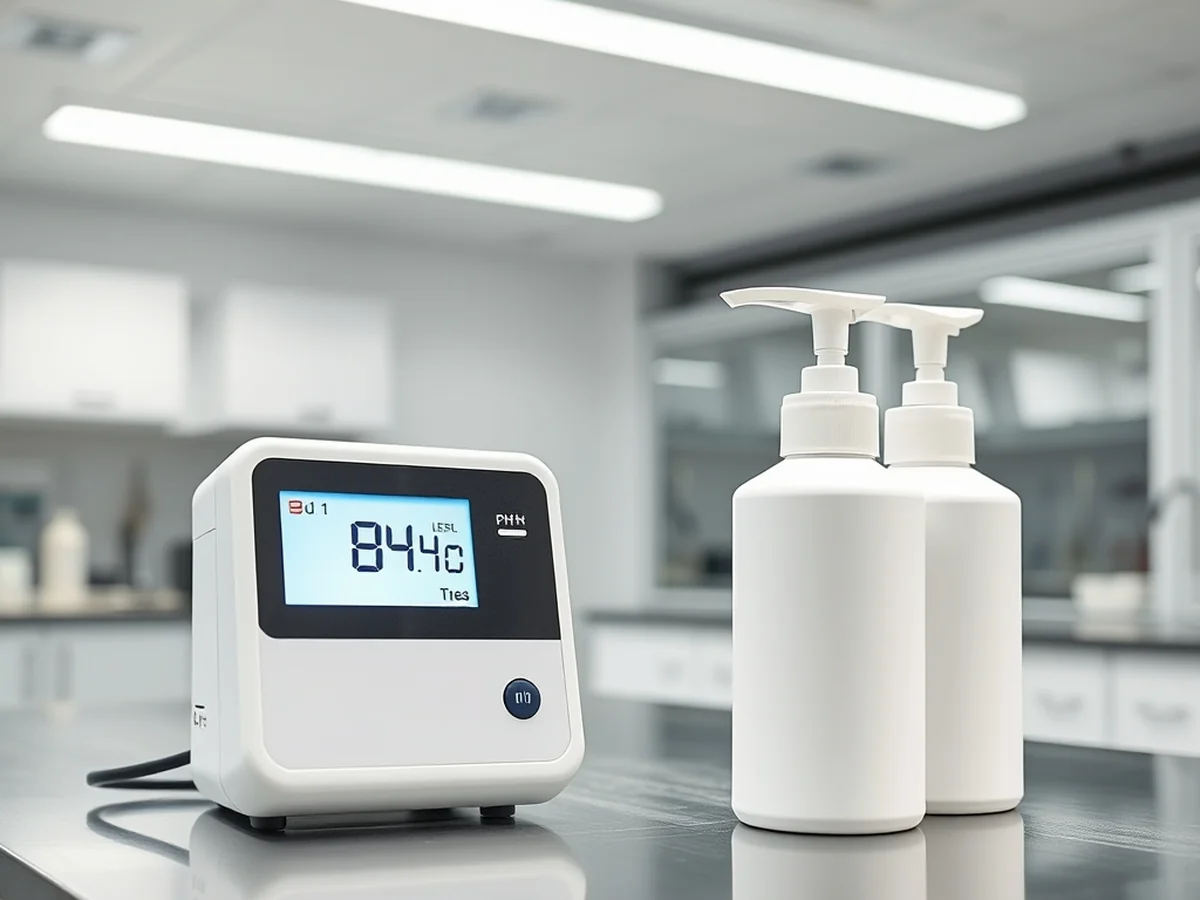
Evaluating scalp compatibility and product safety is an essential step when deciding between bondi boost vs olaplex for your routine. Both lines interact with the skin barrier and the hair cuticle differently, making it important to understand formulation standards. Regulatory bodies such as the Food and Drug Administration and the American Academy of Dermatology provide general guidance on cosmetic safety, helping consumers identify formulations that minimize the risk of contact dermatitis or scalp irritation.
Understanding pH Balance and the Scalp
A major factor in scalp health is product pH balance. The natural acid mantle of the scalp typically ranges from acidic to neutral, and using hair care products that respect this pH helps prevent moisture loss and cuticle lifting. When exploring product options, checking product labels for sulfate free shampoo options and gentle surfactant systems ensures that your daily cleansing routine does not strip the scalp of natural lipids. Formulations that align with the natural pH of the skin barrier reduce the likelihood of chronic dryness and surface inflammation.
Patch Testing and Sensitive Skin Protocols
Sensitive skin requires careful preparation before full application of any intensive hair protein treatment or bond building formula. Performing a patch test is a practical step to identify potential adverse reactions early. Apply a small amount of the product to the inner forearm or behind the ear and wait twenty four hours to monitor for redness, burning, or itching. This simple precaution allows individuals with reactive skin types to evaluate tolerance before exposing the entire scalp and hair cuticle to active ingredients.
Avoiding Common Routine Mistakes
Common mistakes during scalp and hair care routines include applying active formulas directly to broken skin or leaving treatments on longer than recommended by the manufacturer. To avoid irritation, always rinse thoroughly and follow specific usage instructions. Keeping these precautions in mind allows for a safer approach when managing damaged hair, ensuring your scalp remains comfortable while you work toward stronger strands. Taking time to assess ingredient compatibility prevents unnecessary setbacks during your recovery journey.
Combining Regimens: Can You Mix Bondi Boost and Olaplex?

When comparing different options to restore compromised hair, many beauty consumers wonder if they can layer or alternate these distinct formulations in a single hair care routine. Combining intensive regimens from different lines in the same wash day is generally discouraged. Using multiple high performance formulas at once can overwhelm the hair cuticle, leading to product buildup, weighed down strands, and a dull appearance that masks natural shine.
The primary reason to avoid mixing these treatments simultaneously involves the risk of overloading strands with competing active ingredients or excessive hair protein treatment components. When hair receives too much protein without adequate moisture balance, individual strands can become stiff, brittle, and prone to snapping. Understanding how each formulation interacts with your specific hair type helps prevent unexpected damage and maintains the structural integrity of your locks.
Evaluating Hair Tolerance and Protein Balance
Before introducing multiple product lines to your wash routine, assessing your hair texture is essential. Chemically treated and heat damaged hair often reacts unpredictably to overlapping repair technologies. If you apply a heavy hair protein treatment on the same day you use specialized bond repair formulas, the hair cuticle may close too tightly or become oversaturated. This creates a barrier that blocks essential moisture from penetrating the cortex, which ultimately causes dryness rather than repair.
Structuring a Safe Alternating Schedule
If you want to incorporate elements from both brands into your routine safely, a structured scheduling approach prevents ingredient overload. Instead of layering products during a single wash, separate them across different weeks to evaluate how your hair responds to each distinct system:
- Week one: Focus on a single regimen, utilizing a gentle sulfate free shampoo and your chosen intensive treatment to establish a baseline for moisture and strength.
- Week two: Switch to the alternative brand for your conditioning or repair step, allowing you to observe any changes in softness, elasticity, and overall manageability.
- Week three: Assess your hair texture carefully to check for signs of rigidity or limpness, and adjust your product frequency based on those physical observations.
Common Mistakes When Mixing Brands
A frequent error among beauty consumers is assuming that more active products yield faster results for damaged hair. Overlapping various conditioning agents and repair systems often cancels out the benefits of each individual formula. Paying close attention to your hair is essential when testing new routines. If you notice increased dryness, tangling, or brittleness, scale back immediately and return to a single, simplified product line. Patience and consistent observation remain the most effective tools for achieving healthy, resilient hair without causing accidental stress to the hair cuticle.
Which Brand Wins For Damaged Hair
Deciding between these two popular hair care brands depends entirely on your specific hair damage and beauty goals. Olaplex typically serves as a leading choice for targeted hair restoration when dealing with chemically bleached or heavily heat damaged hair because of its focus on internal structural integrity. Bondi Boost often appeals to users seeking general conditioning, moisture balance, and everyday hair maintenance. Selecting the right option requires evaluating whether your hair needs deep molecular restructuring or surface level hydration.
How Bond Repair Treatments Work
Specialized treatments work at a molecular level by linking broken hair protein structures back together. Chemical processing, thermal styling, and daily friction snap the disulfide bonds inside the hair shaft, leaving the hair cuticle vulnerable and weak. Active ingredients penetrate the cortex to reform these broken bonds, restoring strength and resilience from the inside out.
Choosing Based On Damage Level
Severely compromised hair that snaps easily when wet usually requires targeted bond repair formulations to rebuild internal strength. On the other hand, dry or environmentally stressed hair often responds well to moisture rich regimens that smooth the outer hair cuticle without intensive molecular intervention.
Practical Application And Common Mistakes
Mixing both product lines in a single wash day routine is generally discouraged by hair professionals to avoid product overload. You can alternate them across different weeks if your hair tolerates multiple active formulations. Alternating helps you test which system provides better elasticity and softness without weighing down fine strands. A common mistake is applying heavy repair treatments to unwashed hair with severe buildup, which blocks active ingredients from penetrating the shaft properly. Always start with a clean surface by using a gentle cleanser, and follow product instructions precisely for rinse times to achieve optimal softness.
Frequently Asked Questions
Can I use Olaplex every time I wash my hair?
Most people should use bond building treatments once a week rather than every wash day to prevent protein overload. Overusing intensive repair products can make dry hair feel brittle if moisture levels are not properly balanced.
Do I need to follow up with a regular conditioner after using a bond builder?
Many bond repair treatments require a separate conditioner or sealing step to smooth the hair cuticle and lock in moisture. Check the specific instructions on your product bottle to see if a hydrating rinse is needed.
Are these bond repair treatments safe for color treated hair?
Both product lines are formulated to be safe for color treated and chemically processed hair types. They help maintain structural integrity so your hair color stays vibrant and resists breakage.
How long does it take to see results from bond repair products?
Visible improvements in texture and strength often appear after the first application, with cumulative benefits building over several weeks. Severely damaged hair requires consistent long term use to regain optimal elasticity.
Conclusion and Final Verdict
Choosing a winner when comparing these two popular hair care lines depends entirely on your budget and specific damage concerns. Evaluate your hair cuticle needs and moisture levels before committing to a regimen. If you are dealing with severe chemical damage, a specialized formula works best, while general maintenance might call for a more budget friendly approach.
You might also like: Epres Bond Repair Treatment Review: Is It Worth It?