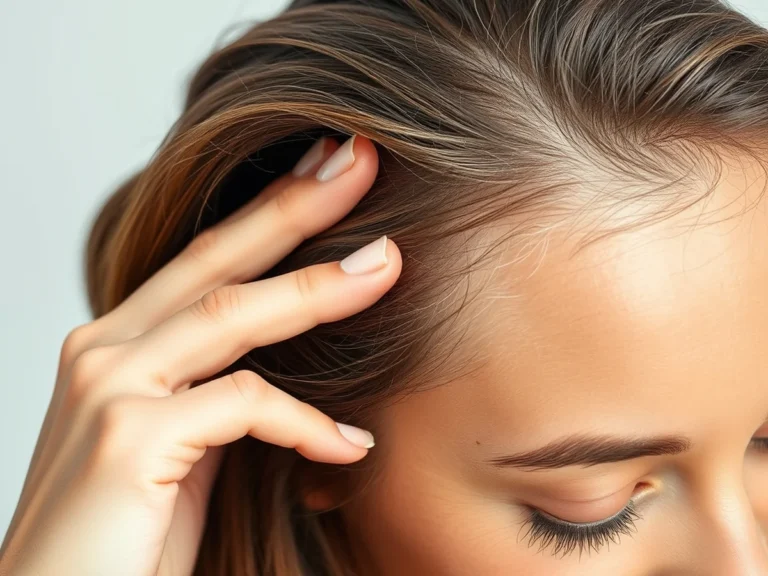

How to Add Volume and Body to Your Hair: Easy Tips
Introduction to Achieving Full and Bouncy Hair
Learning how to add volume and body to your hair starts with understanding why fine strands naturally lose their shape as the day goes on. Excess oil, humidity, and heavy product buildup weigh down the roots, causing the style to fall flat. Daily routines often need minor adjustments to counter these environmental factors.
You will discover practical styling methods and reliable daily habits designed to maintain maximum fullness from morning until night. Setting realistic expectations ensures you achieve lasting bounce without damaging delicate strands through harsh techniques.
Foundational Scalp Care for Weightless Lift
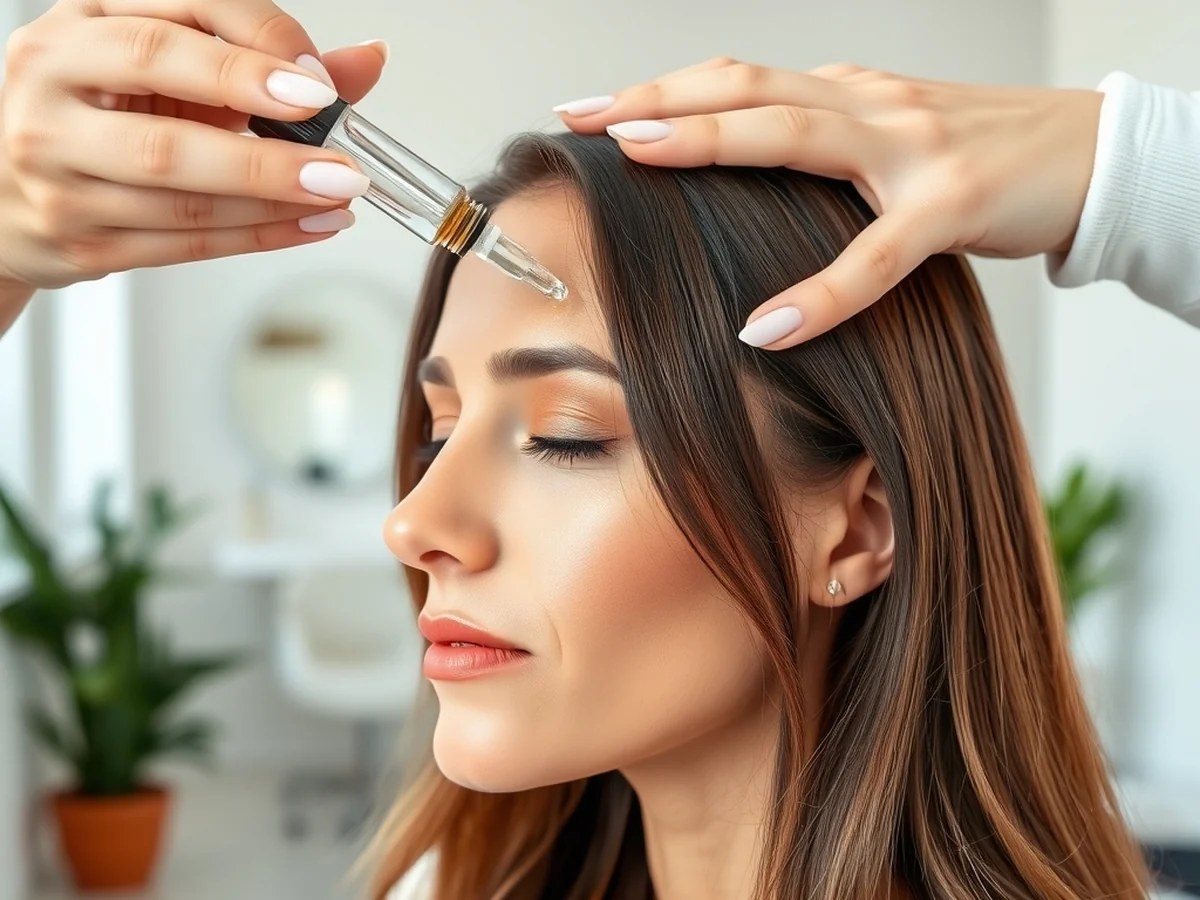
Achieving lasting fullness starts right at the roots by clearing away the everyday accumulation of heavy residue. Product buildup weighs down fine strands and flattens roots because styling formulas, silicones, and heavy oils cling to the hair shaft over time. When leftover residues and natural sebum pile up near the skin, they pull strands downward and make the base look greasy and limp. Understanding this underlying cause is the first step in learning how to add volume and body to your hair without relying solely on temporary styling tricks, especially if you have fine or thin hair that loses momentum quickly.
The Role of Exfoliation in Root Lift
You can easily fix this flat appearance by incorporating scalp exfoliation into your wash routine to clear follicular debris. Regular physical or chemical scalp scrubs gently dissolve stubborn buildup that standard shampoos leave behind. This practice unclogs hair follicles, supports healthy movement, and creates an optimal foundation for overall hair growth. Without clearing this daily accumulation, even the strongest styling formulas will struggle to lift your roots. When pores remain clear, strands can rise naturally from the base instead of staying glued to the scalp by accumulated oils and polymers.
Practical Steps for a Clean Scalp Routine
Promoting a clean scalp environment to naturally support better body at the base involves several practical habits during wash day. A clarified surface allows hair to stand up freely without being dragged down by excess weight. To make this routine effective, you should follow specific steps while avoiding common mistakes like scrubbing too aggressively or leaving behind residue.
- Incorporate a gentle scalp scrub into your routine once a week to clear away stubborn residue from styling products.
- Massage the exfoliant in circular motions using your fingertips to stimulate circulation and loosen trapped debris around the follicles.
- Rinse thoroughly with lukewarm water to ensure no exfoliating particles remain trapped near the base of your strands.
- Follow up with a lightweight, volumizing cleanser that washes away impurities without leaving a heavy coating behind.
- Keep your wash technique focused on the roots to maintain an airy, lifted texture throughout your entire head.
- Avoid applying heavy conditioning formulas directly to the scalp, as this immediately flattens freshly cleansed roots.
Avoiding Common Scalp Care Pitfalls
Many individuals struggling with flat hair accidentally sabotage their volume goals during the washing process. Applying rich, moisturizing conditioners from roots to tips adds unnecessary weight to delicate strands. Another frequent misstep involves using excessively hot water, which can trigger excess oil production and quickly undo the benefits of a clarifying wash. By keeping conditioner strictly from the mid-lengths to the ends and finishing your rinse with cooler water, you protect the airy baseline established by your exfoliating steps.
By mastering these foundational scalp habits, you create the ideal canvas for any subsequent styling steps. Clearing the path at the skin level ensures that your roots remain light, responsive, and ready to hold maximum height throughout the day.
Strategic Hair Cuts and Shaping Techniques for Thin Hair
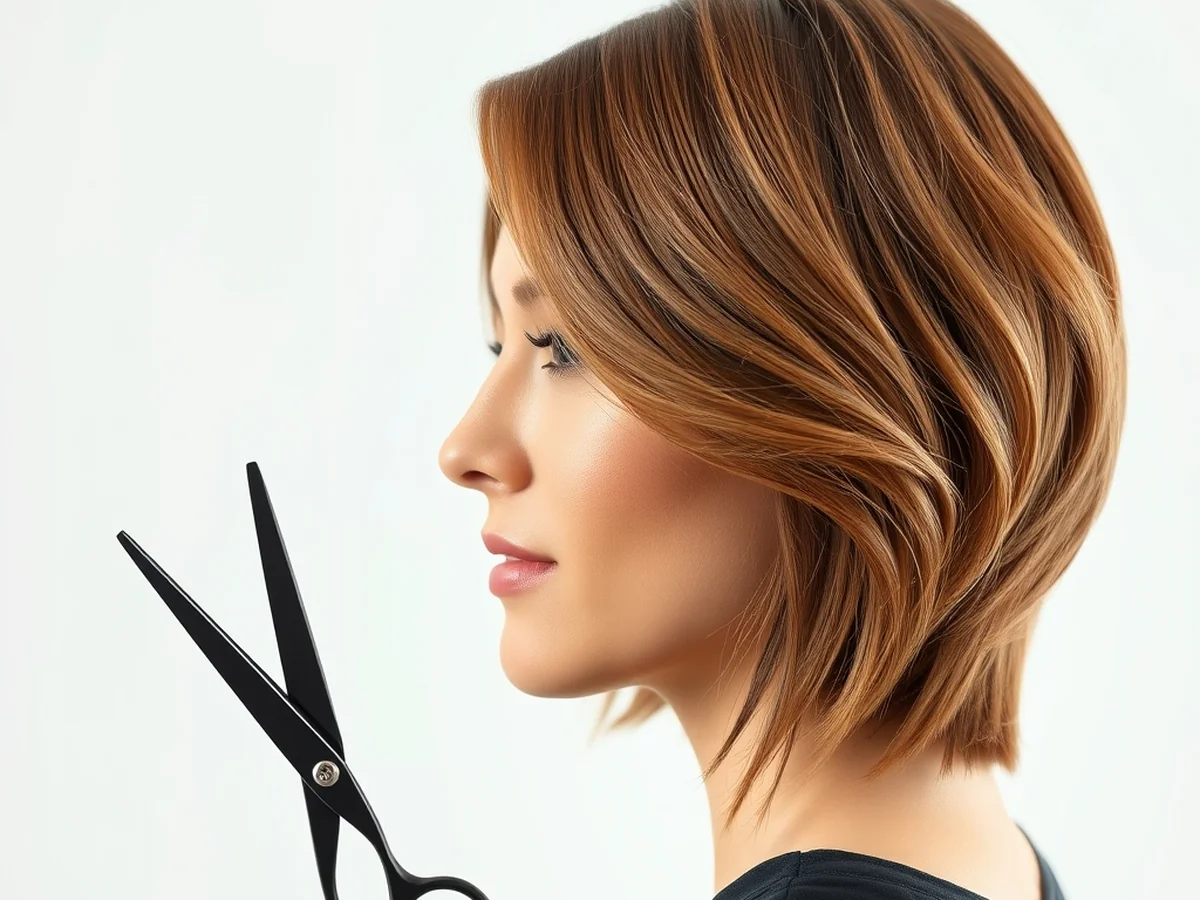
Strategic haircut choices remove heavy weight from the ends and create the illusion of thick, full strands. A thoughtful shape changes how hair falls, lifting limp sections naturally without extra styling effort when you want to know how to add volume and body to your hair. The primary goal of a volume focused cut is balancing weight distribution so that fine strands do not drag themselves down.
Blunt cuts often make the perimeter look dense and solid. They create a clean line at the bottom that gives thin hair a heavier, more substantial appearance. This approach works well for very fine strands that need a compact silhouette. By keeping the ends uniform, a blunt line tricks the eye into seeing greater density across the entire lower section.
Textured layers remove heavy weight from the ends of the hair. Eliminating that downward pull allows the upper sections to spring upward with natural bounce and movement. However, layering must be done carefully to avoid thinning out the ends too much. A professional stylist ensures that your layers support fullness rather than reducing overall mass.
Practical steps during your salon visit involve evaluating your natural growth patterns and face shape before deciding where to remove weight and where to maintain density. Common mistakes include asking for excessive thinning or overly aggressive short layers that make fine ends look sparse. Discussing your maintenance routine with a professional guarantees the shape remains easy to manage at home.
Implementing smart hair thickener tips during your consultation helps bridge the gap between salon day and daily upkeep. Your stylist can recommend the right balance of blunt perimeters and internal texture to suit your daily styling habits, ensuring your cut works seamlessly with any volumizing products you use at home.
Choosing the Right Lightweight Styling Products

Selecting the right lightweight styling products is essential because heavy formulas quickly flatten fine strands. When dealing with fine or limp hair, traditional rich creams and heavy oils tend to coat the cuticle, weighing down the roots and eliminating natural movement. You can achieve a full finish by avoiding certain heavy ingredients and opting for formulations specifically designed to boost lift without extra weight. Understanding how different textures interact with your strands ensures your style stays bouncy and lifted from morning until night.
Consider these practical guidelines when choosing the best volumizing products for fine hair:
- Check ingredient labels carefully to identify heavy silicones and dense oils that coat strands and drag them down over time.
- Select a volumizing mousse or lightweight styling aid that coats strands evenly without dragging them down or leaving a sticky, rigid residue.
- Apply a specialized root lifter for thin hair right at the scalp area to target fullness precisely where it matters most, creating an immediate illusion of density.
- Layer your styling aids thoughtfully by starting with a very small amount and adding more only if your strands truly need extra support.
- Choose water based formulas and airy sprays instead of rich pomades or heavy butters to maintain an airy texture throughout the day.
Understanding Textures and Formulations
Not all hair care items perform the same way on fine or thin textures. Water based sprays and airy foams disappear into the hair shaft, providing grip and structural support without leaving a greasy film. In contrast, heavy butters and rich pomades sit on the surface of the hair, attracting dirt and collapsing the natural lift at your crown. Learning how to identify these textures allows you to build a collection of reliable aids that support your daily goals.
Targeting the Root Zone Effectively
A common mistake many people make is applying styling aids haphazardly across the entire length of the hair rather than focusing on the root zone. Over-applying product leads to rapid buildup, which makes fine hair look greasy and lifeless within hours. To avoid this pitfall, concentrate your volumizing mousse near the scalp where lift is needed most, and use only a minimal amount through the mid-lengths and ends. By being intentional with your product selection and application technique, you protect your hair from unnecessary weight and create a foundation for lasting body.
Avoiding Buildup for Long Lasting Lift
Residue accumulation is a primary culprit behind flat hair. When styling aids accumulate near the scalp, they create a heavy barrier that flattens strands against the head. Incorporating regular scalp care helps clear away stubborn buildup from styling aids, allowing your chosen volumizing products to perform at their best. By keeping the scalp clean and choosing weightless formulations, you give your hair the freedom to maintain natural bounce and volume all day long.
Mastering Blow Drying Techniques for Maximum Root Lift

Achieving fullness starts with targeted airflow and mechanical shaping during the drying process. Knowing how to blow dry hair for maximum volume transforms flat strands into bouncy hair with noticeable lift right at the scalp. When moisture evaporates without direction, strands tend to lie flat against the head. Directing airflow strategically changes how the hair dries, building structural support right from the base.
Proper drying requires specific movements and tools to physically alter the direction of the hair follicle as moisture evaporates. Incorporating simple accessories locks the shape in place while the strands cool down. Understanding the mechanics behind this process helps prevent common styling mistakes, such as holding the dryer too close or failing to create adequate tension with a round brush.
Essential Preparation Steps
To get the best results when learning techniques for fuller strands, preparation is just as important as the drying phase itself. Applying a lightweight root lifter or volumizing mousse to damp hair provides the necessary grip and hold before heat styling begins. Avoid heavy creams or oils near the scalp, as excess weight will counteract the lifting effects of the blow dryer and cause your style to drop prematurely. Working in manageable sections ensures that every strand receives adequate airflow, resulting in an even, polished finish that lasts throughout the day.
Step by Step Drying Methods
Here are the essential steps for successful blow drying:
- Flip your head upside down during the initial drying phase to pull the roots away from the scalp naturally.
- Direct your blow dryer upward at the roots to encourage elevation and prevent flat spots.
- Incorporate a round brush to pull sections upward and create smooth tension while applying warm air.
- Switch the tool to a cool shot setting once the section is dry to lock the shape in place.
- Set the style with velcro rollers while hair cools down completely to maintain long-lasting bounce and lift.
Avoiding Common Styling Mistakes
Many styling routines fail because of improper tool handling. Keeping the nozzle too close to the strands can cause heat damage and flatten the cuticle. Always maintain a safe distance and keep the airflow moving continuously. Using the correct brush size also matters, as a barrel that is too large fails to create proper tension for fine hair types.
Texturizing and Refreshing Fine Hair Between Washes
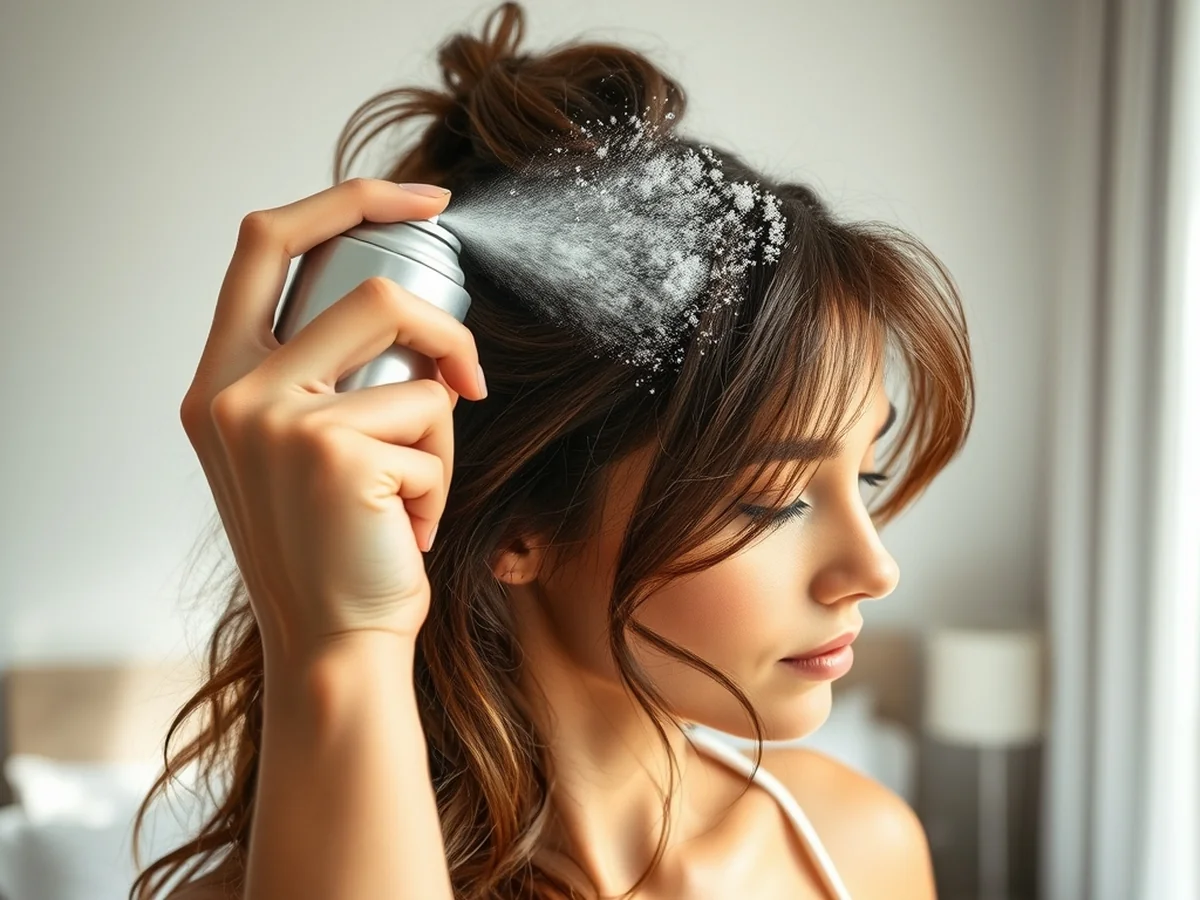
Refreshing second day hair involves using dry shampoo strategically at the crown to absorb excess oil and instantly revive flat strands without weighing them down. This method helps you get volume in flat hair quickly when you do not have time for a full wash and blow dry. Knowing how to add volume and body to your hair during off days relies heavily on understanding how product placement and application technique work together to lift the roots.
Apply the product directly to the roots where oil tends to accumulate first. Hold the can a few inches away from your head to ensure an even mist rather than a heavy, concentrated spray. A common mistake is applying dry shampoo to the ends or spraying too close to the scalp, which can lead to a powdery buildup and stiff strands. Keeping the application focused solely on the root area allows the formula to absorb sebum efficiently while maintaining natural movement through the rest of your length.
Massage the powder into your scalp using your fingertips rather than leaving it to sit on the surface. This step creates instant grip and grit without leaving behind stiff or sticky residues. The physical massaging motion also stimulates the scalp and helps break up any residual oils, giving fine hair a refreshed, airy finish.
Revive second day styles with quick finger fluffing and targeted product application to boost fullness throughout the day. Lift sections of hair near the crown and shake your roots gently to restore bounce. If your strands feel overly limp by afternoon, another light mist of dry shampoo combined with a quick upside down flip can reactivate texture. Avoid brushing through fine hair too aggressively during this refresh process, as friction can flatten the newly created lift and smooth out the essential grip you just established.
Internal Health and Dietary Adjustments for Hair Strength

Internal nutrition directly supports individual hair fiber strength and overall diameter by delivering essential building blocks to the follicles. Eating a balanced diet rich in proteins, vitamins, and minerals helps create a solid foundation for robust growth. When considering methods to boost fullness and fullness at the roots, looking at what goes on your plate is just as important as the styling products you choose. Hair strands are primarily made of protein, meaning a steady intake of dietary protein provides the vital amino acids necessary for strong, resilient growth that resists snapping.
General wellness habits play a major role in creating a resilient hair structure that resists breakage. Staying well hydrated and managing everyday stress levels ensure that your body functions efficiently, which in turn promotes healthier strands from root to tip. Chronic stress and inadequate water intake can disrupt normal growth cycles, leading to increased shedding or weaker fibers that struggle to hold a style. Incorporating hair thickener tips into your daily routine involves looking beyond topical treatments and nurturing the scalp environment from within.
Practical adjustments to your daily meals can make a noticeable difference over time. Focus on incorporating nutrient dense foods such as lean proteins, leafy greens, healthy fats, and whole grains into your regular meal planning. These choices supply essential micronutrients that support the natural growth cycle and help maintain a fuller appearance over time. Consistency is key when adjusting your diet for hair health, as new growth takes time to travel from the follicle down the length of the shaft.
A common mistake when trying to improve hair fullness through diet is expecting overnight transformations or relying on restrictive eating patterns that starve the body of essential fats. Crash diets often lead to nutrient deficiencies that manifest as limp and brittle strands. By adopting sustainable nutritional habits, you support both your overall well-being and your hair goals, ensuring your strands maintain their natural bounce and vitality alongside your external styling methods.
Nighttime Routines to Preserve Volume Overnight

Protecting fullness while you sleep relies on keeping the crown lifted and preventing friction that creates frizz. Simple bedtime habits stop flat hair from losing its shape before morning, saving you time and effort when you style your locks the next day. If you want to know how to get volume in flat hair that lasts from morning until night, your evening routine plays a surprisingly large role.
Choosing the Right Fabrics
One of the most effective strategies is utilizing silk or satin pillowcases to reduce friction and frizz throughout the night. These smooth fabrics allow hair to glide easily instead of catching on rough cotton fibers. This simple adjustment preserves your daytime shape and supports overall fullness without disrupting your cuticles while you rest.
Protective Pinning and Styling
Loose pinning methods also keep the crown lifted while sleeping without creating harsh bends in the strands. You can gather sections near the top of the head and secure them gently with soft clips or loose pins before bed. This technique maintains elevation at the roots.
Another popular option is gathering hair into a very loose, high ponytail on the very top of the head. This method keeps your weight off the roots and prevents heavy flattening during sleep. Keeping your strands elevated ensures that morning styling takes less effort, especially when you are trying to learn simple methods for building fullness without spending hours with hot tools.
Avoiding Common Bedtime Mistakes
To get the best results, it helps to understand why certain habits work and which common mistakes to avoid. A frequent error is securing sections too tightly, which can cause breakage or leave stubborn creases that are difficult to smooth out later. Always opt for loose, gentle holds using satin scrunchies or soft alligator clips.
Another mistake is going to bed with damp strands, which can lead to flat, misshapen sections by morning. Make sure your hair is completely dry before you apply your nighttime styling methods. Incorporating these thoughtful bedtime habits into your routine keeps your hair looking fresh, lifted, and full of body day after day.
Frequently Asked Questions About Adding Body to Hair
How can I add volume to fine hair effectively?
Fine hair needs lightweight layers and targeted styling methods to look full because heavy formulas weigh down the strands. You can achieve lasting lift by using a volumizing mousse at the roots before blow drying and incorporating dry shampoo to absorb excess oils that cause flatness.
What are the best products for flat hair?
Flat hair benefits most from weightless formulas that add grip and texture without leaving heavy residue. Look for a root lifter or a fine mist spray designed to boost fullness while keeping your strands light and bouncy.
How do I use a blow dryer for root lift?
You can create maximum lift by directing airflow upward against the natural growth pattern while pulling sections away from the scalp with a round brush. Finishing the roots with a blast of cool air locks the shape in place for hours.
Can a haircut make thin hair look fuller?
Strategic haircut choices like blunt ends or short layers remove heavy weight and give the illusion of thicker, denser hair. A skilled stylist can tailor a cut specifically to your hair texture so your style naturally holds more body.
Conclusion and Daily Maintenance Summary
Achieving lasting fullness comes down to making consistent, small routine adjustments rather than relying on heavy products all at once. By combining gentle scalp care with smart styling choices, you can easily figure out the best methods for increasing lift and body every single day. Stick with your lightweight styling methods and proper blow drying techniques to keep fine hair looking lifted and vibrant.
You might also like: Epres Bond Repair Treatment Review: Is It Worth It?