
The Ordinary Hair Serum Alternatives The Ordinary Hair Serum Alternatives
Introduction
Those seeking effective the ordinary hair serum alternatives often prioritize formulations that support scalp health and improve the visual appearance of hair density. When choosing between various The Ordinary Hair Serum Alternatives, it is helpful to evaluate specific ingredient profiles that address individual needs for volume and thickness.
This guide examines various options designed to nourish the scalp and promote the look of fuller hair. You will find detailed comparisons of key ingredients, price points, and application methods to help you choose the best hair density serums for your routine. We also break down the differences between various chemical and natural approaches to scalp care for hair thinning, ensuring you have the information needed to make an informed decision for your specific hair and scalp type.
Top Alternatives to The Ordinary
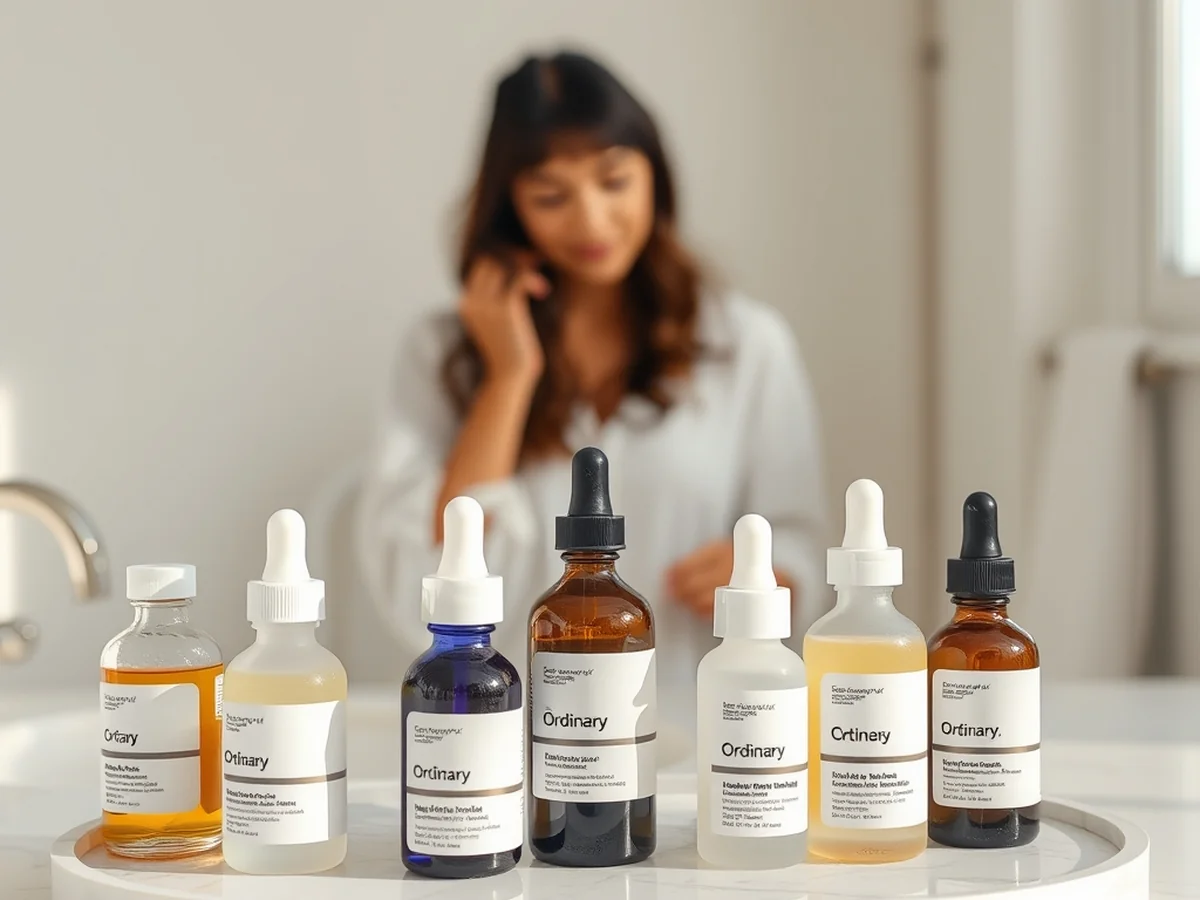
Many individuals seeking affordable hair density treatments look beyond a single product to find formulas that better suit their scalp needs. Exploring options requires a shift toward understanding how specific ingredients influence the scalp environment rather than relying on one brand alone.
Modern hair care emphasizes ingredient-focused routines, prioritizing components that support scalp health and follicle condition. When evaluating alternatives, consider these common categories of active ingredients:
- Peptide complexes designed to support the protein structure of hair.
- Caffeine-based solutions often used to improve circulation to the scalp.
- Botanical extracts like castor oil, frequently included for their specific fatty acid profiles.
- Niacinamide, which is widely recognized for its role in maintaining a healthy skin barrier.
Focusing on these elements allows for a more personalized approach to addressing hair thinning and overall density.
Key Ingredients Explained

Effective hair serums often combine cosmetic agents that provide immediate fullness with bioactive compounds designed to support the scalp environment. Understanding these functions helps you choose the right formula for your specific hair needs.
- Cosmetic thickening agents coat the hair fiber to create an illusion of increased density without altering the follicle itself.
- Physiological scalp support focuses on maintaining a healthy environment through ingredients like niacinamide, which is often used for skin barrier maintenance.
- Peptide hair growth serum ingredients typically consist of amino acid chains that aim to support the protein structure of your strands.
- Caffeine scalp serum benefits include its frequent inclusion in topical treatments, where it is often applied to support general scalp health.
- Complexes like Procapil and Redensyl are common additions in density formulas meant to provide targeted care to the hair follicle area.
Comparison of Serum Formulations

Choosing between affordable hair density treatments and luxury options often comes down to ingredient concentration, formulation stability, and the specific delivery system used for scalp absorption. While budget-friendly serums frequently prioritize a singular active ingredient to keep costs low, luxury versions often blend multiple compounds to improve shelf life and performance.
| Attribute | Budget Serums | Luxury Serums |
|---|---|---|
| pH Balance | Variable stability | Highly controlled |
| Base Type | Water or alcohol | Oil or complex emulsion |
| Ingredient Focus | Single active | Multi-complex blend |
The product base significantly dictates how effectively these serums penetrate the scalp. Water-based formulas typically absorb quickly, whereas oil-based formulations may provide better hydration but can feel heavier on the skin. Furthermore, maintaining an optimal pH balance remains critical for stability, as improper levels may degrade sensitive ingredients over time.
Scalp Benefits of Alternatives
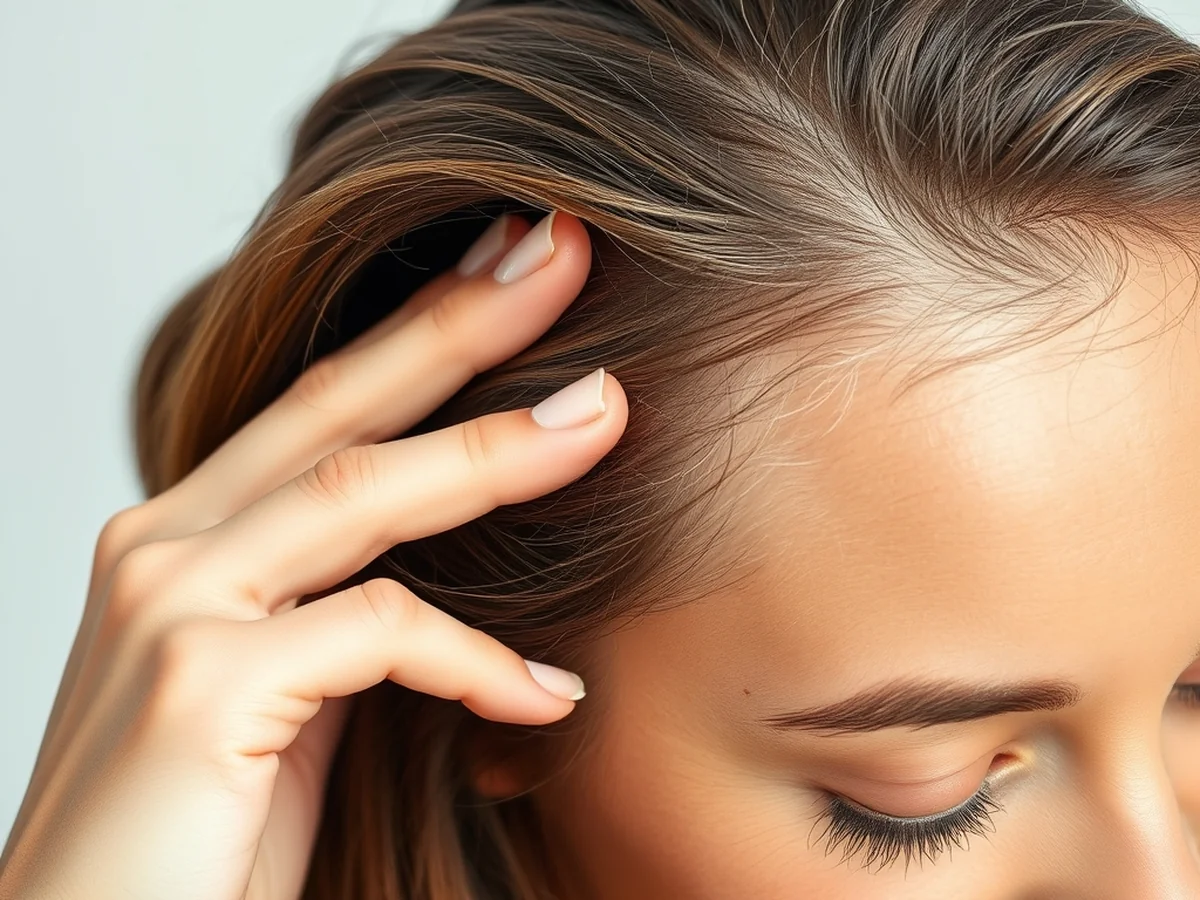
Effective hair serums rely on a healthy scalp environment to perform well. A balanced scalp microbiome supports the skin barrier, ensuring that active ingredients can reach hair follicles without interference from inflammation or irritation.
Cleanliness is essential for product efficacy. Applying serums to a scalp free of excess oil, product buildup, and dead skin cells allows for better penetration of the formula. When the surface is clear, active components are less likely to be blocked by debris, which is a key consideration for effective scalp care for hair thinning.
Hair porosity also dictates how well your skin and hair absorb these topical treatments. A balanced, hydrated scalp helps maintain a consistent absorption rate, ensuring that the ingredients in your chosen density treatment work as intended across the entire application area.
How to Use Alternative Serums
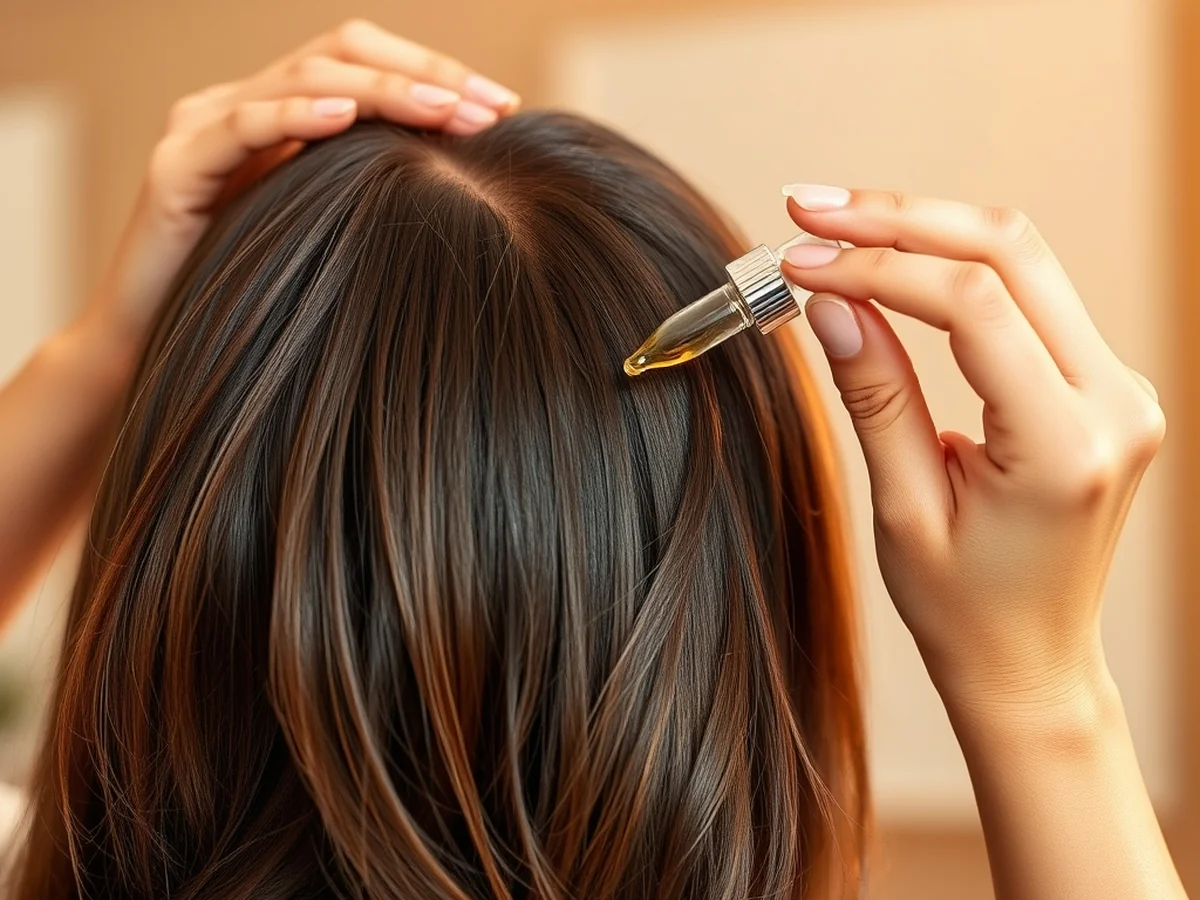
You achieve the best results with hair density serums by applying them to a clean, dry scalp and remaining consistent with your daily routine. Proper application ensures the product reaches the follicle without interference from styling buildup.
- Apply your chosen serum directly to the scalp using a dropper or nozzle to ensure the formula makes contact with the skin.
- Massage the scalp gently with your fingertips for several minutes to encourage even distribution and improve surface contact.
- Wait for the serum to dry completely before applying any styling products like mousses, oils, or texturizing sprays to avoid dilution.
- Maintain a daily application schedule, as intermittent use often fails to produce visible changes in hair density.
- Avoid over-applying the product, as using more than the recommended amount can leave residue and lead to unnecessary product waste.
Results from Alternative Serums
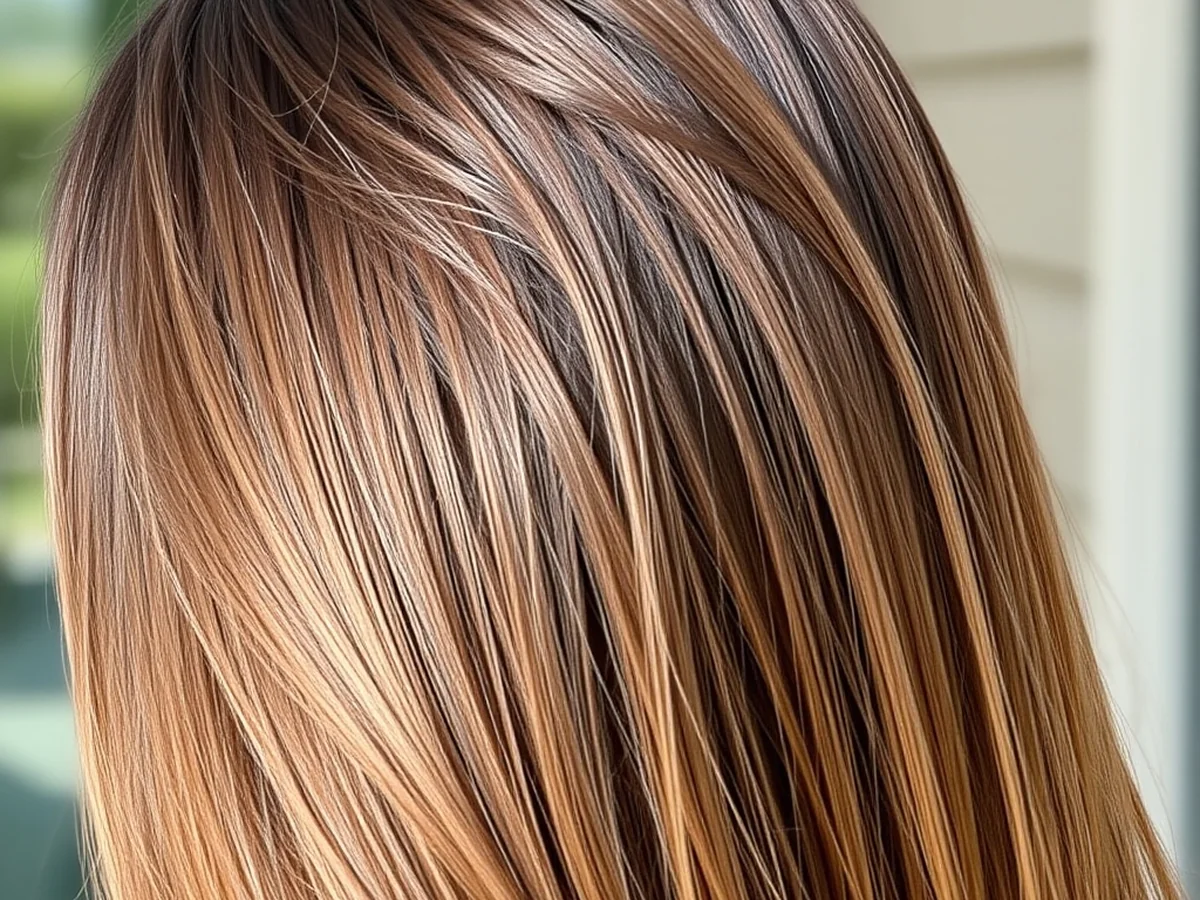
Visible changes in hair density typically require several months of consistent daily application, as hair growth cycles are inherently slow. While some of the best hair density serums aim to support the scalp environment, patience is essential for observing any genuine improvement in hair fullness.
It is important to differentiate between immediate volume and long-term growth. Many products create the appearance of thicker hair instantly by coating the individual strands, which provides a temporary boost in volume. Conversely, true hair growth is a biological process that occurs over time as the follicles transition through their natural phases.
Individual results vary significantly based on genetics and personal hair biology. Factors such as your unique growth rate and the current health of your scalp influence how your hair responds to any topical treatment.
When to Switch Hair Treatments
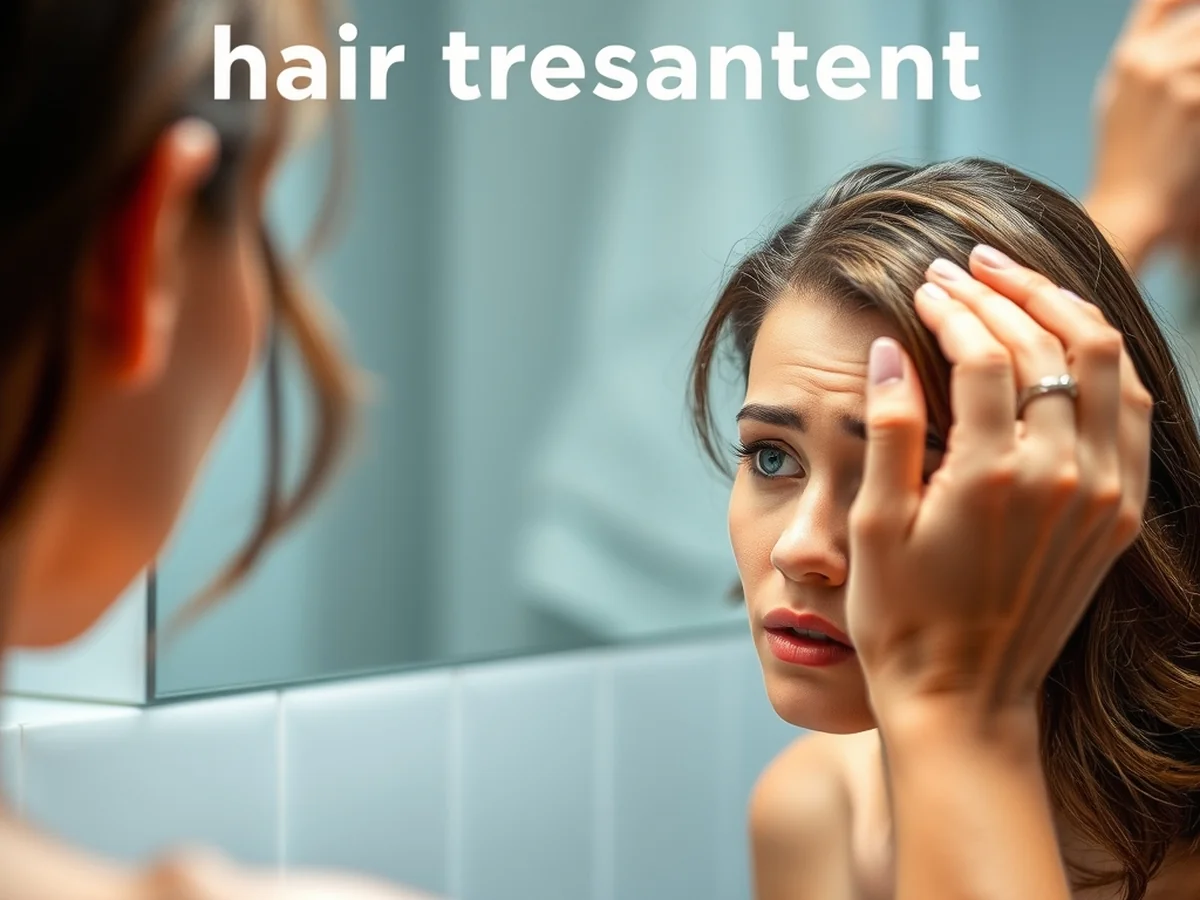
You should discontinue any hair density product immediately if you notice signs of scalp irritation, such as persistent redness, itching, burning, or unexpected flaking. These symptoms often indicate a sensitivity to specific formulation ingredients or a disrupted scalp microbiome, which warrants pausing application to allow your skin to recover.
Thinning hair requires a professional medical consultation when it occurs rapidly, happens in patches, or is accompanied by systemic symptoms like fatigue or unexplained weight changes. While many affordable hair density treatments are formulated for cosmetic improvement, they cannot address underlying health conditions or hormonal imbalances.
- Consult a board-certified dermatologist for unexplained or severe hair loss.
- Seek medical guidance if thinning follows the sudden onset of scalp pain or inflammation.
- Refer to clinical resources like the American Academy of Dermatology for evidence-based information regarding persistent hair shedding or thinning concerns.
FAQ
What ingredients should I look for in a hair density serum?
You should prioritize formulas containing ingredients like caffeine, niacinamide, and various peptide complexes designed to support overall scalp health. Look for transparent labeling that clearly lists active components, as this helps you understand how the product aims to improve hair appearance.
Are there cheaper alternatives to The Ordinary Multi-Peptide Serum for Hair Density?
Yes, many options exist at lower price points that offer similar ingredient profiles or focus on comparable scalp benefits. When searching for the ordinary hair serum alternatives, compare the concentration of active ingredients and the overall formulation stability to ensure you are finding value without compromising on quality.
How long does it take to see results from hair growth serums?
Most topical hair care products require consistent daily application for at least three to six months before any visible changes in hair density or thickness become apparent. Hair growth cycles are naturally slow, so maintaining a regular routine is essential for assessing whether a specific serum is effective for your individual needs.
Can hair serums cause scalp irritation?
Yes, certain potent ingredients or preservatives found in some hair serums can trigger sensitivity, redness, or itching in people with reactive scalps. It is recommended to perform a patch test on a small area of your skin before applying any new product across your entire scalp.
Do I need to wash my hair every day when using these serums?
Daily washing is generally not required unless the specific serum leaves a heavy residue that makes your hair look greasy or weighed down. Most users find success by applying the product to a clean scalp, then styling as usual without needing an immediate rinse.
Conclusion
The best next step is to evaluate your specific scalp needs and ingredient sensitivities before choosing between these various options. By testing a small amount of a new formula on your skin first, you can ensure compatibility while exploring the ordinary hair serum alternatives The Ordinary Hair Serum Alternatives to find your ideal match. Consistency remains essential for any topical treatment, so select a product that fits easily into your daily routine to give your scalp the best chance to show visible improvements over time.
You might also like: How To Use K18 And Olaplex Together How To Use K18 And Olaplex Togethe