
Scalp Care 101: A Simple Routine for a Healthy Scalp
Introduction
Mastering scalp care 101 involves learning the core principles and daily maintenance techniques needed to keep skin balanced and hair follicles functioning properly. Maintaining proper follicle health requires moving beyond standard hair washing to focus directly on the skin beneath your strands.
This guide covers essential steps for building a healthy scalp routine, including proper cleansing techniques and weekly maintenance. You will learn how to identify your specific skin needs and apply straightforward methods to support long term hair vitality.
Understanding Scalp Health Basics

Mastering scalp care 101 begins with recognizing that the skin on your head functions much like the skin on your face. Shifting your focus beyond the hair strands themselves allows you to build a foundation for long term hair vitality. When you treat the skin beneath your hair with the same care you give your complexion, you prevent common issues like buildup, flaking, and irritation before they impact your hair quality.
Foundational balance creates an optimal environment right at the root level. A balanced skin barrier allows natural oils to distribute evenly without clogging hair follicles or leaving the surface feeling excessively dry. Neglecting this living tissue is a frequent misstep in daily beauty regimens. Ignoring proper maintenance often leads to heavy residue accumulation and an irritated skin barrier.
Establishing Your Daily Maintenance
To establish an effective healthy scalp routine, focus on core principles that keep the area clean and balanced. Cleansing the skin gently removes daily impurities without stripping essential moisture. Maintaining balanced hydration levels supports the delicate skin barrier, while protecting the area from heavy styling products prevents congestion at the root.
Implementing proper scalp care tips requires understanding the why behind your routine. A clean, balanced base prevents common maintenance mistakes, such as using overly aggressive formulas or failing to rinse thoroughly. Treating the area with gentle products helps avoid unnecessary irritation and maintains skin comfort.
Choosing Active Ingredients
Different concerns require targeted ingredients to restore balance. For managing persistent flaking or irritation, dermatological guidance often points to active agents such as ketoconazole. When addressing stubborn product buildup and dead skin cells, ingredients like salicylic acid help clear the pores gently. Additionally, tea tree oil offers natural clarifying properties, while hyaluronic acid helps draw and retain moisture for dry skin types.
Incorporating Mechanical Tools
Physical exfoliation can elevate your routine when performed correctly. Using a specialized scalp scrubber during your wash cycle helps lift stubborn residue and stimulates circulation. However, users should approach physical tools with care to avoid scratching or irritating the delicate skin barrier. Knowing how to exfoliate scalp tissue safely ensures you reap the cleansing benefits without causing micro tears or inflammation.
Incorporating these practices into your regular schedule ensures your hair grows from a healthy, refreshed foundation every single day.
Identifying Your Unique Scalp Type

Recognizing your specific scalp type involves looking closely for physical signs of dryness, oiliness, sensitivity, and combination concerns. A proper healthy scalp routine always begins by identifying these unique physical cues rather than guessing what your skin needs. Understanding these physical signals forms the foundation of scalp care 101 because treating the wrong condition can worsen irritation or disrupt your natural balance.
Dry scalps often display visible flakes and tightness, while oily scalps produce excessive sebum that leaves hair looking greasy soon after washing. Sensitive scalps frequently react with redness, stinging, or irritation to standard products. Combination concerns show up as an oily crown paired with dry or flaky areas around the hairline. Paying close attention to how your skin responds to weather changes and hair products helps you catch shifts in your baseline condition early.
Recognizing your specific type directly guides your daily choices and ingredient selection. Applying targeted components based on your exact needs ensures that you maintain balance without stripping natural moisture. People often make the mistake of using heavy moisturizing creams on oily roots, or conversely, using harsh clarifying shampoos on tight and dry skin. Avoiding these missteps requires taking the time to assess your skin honestly before purchasing new bottles.
- Select hydrating agents like hyaluronic acid when your skin feels tight, parched, and dry.
- Choose balancing cleansers containing tea tree oil if excess oil production is your main concern.
- Opt for gentle and fragrance-free formulas to soothe easily irritated or sensitive areas.
- Incorporate chemical exfoliants like salicylic acid carefully if product buildup requires targeted removal.
- Adjust your washing frequency up or down depending on how quickly sebum accumulates throughout the week.
Essential Ingredients for Scalp Wellness

Choosing the right ingredients supports overall skin health on the head by addressing common issues like buildup, dryness, and irritation. Different compounds target specific needs, making it easier to build an effective routine for your hair type while mastering scalp health basics. Understanding why each ingredient matters helps you select targeted formulations instead of guessing what your routine requires.
Salicylic acid works well for clarifying buildup and dead skin cells. This exfoliating agent breaks down excess oil and debris on the surface, keeping follicles clear and promoting a balanced environment for hair growth. When learning how to exfoliate scalp areas properly, look for gentle washes containing this beta hydroxy acid to clear away stubborn debris without aggressive physical scrubbing.
Hyaluronic acid maintains moisture balance by drawing hydration into the skin. It prevents dryness without adding weight or greasiness, which keeps the skin barrier comfortable and supple. This ingredient is especially helpful for people who use clarifying treatments regularly and need to restore balanced moisture levels afterward.
Tea tree oil offers soothing properties for irritated areas. Medical literature indexed on PubMed and clinical recommendations from the American Academy of Dermatology support its use in calming discomfort and managing minor flakes. Diluting essential oils properly is essential to avoid sensitivity during your weekly maintenance steps.
Targeted solutions like ketoconazole address specific concerns such as persistent flaking and stubborn irritation. This active ingredient manages fungal overgrowth on the skin when over-the-counter options are not enough. Incorporating these targeted ingredients into a balanced daily maintenance plan requires careful observation of how your skin responds over time.
A common mistake in daily maintenance is applying heavy heavy formulas directly to the roots, which can trap oils and worsen congestion. To avoid this pitfall, focus clarifying and exfoliating agents strictly on the skin itself rather than the hair lengths. Pairing these ingredients with the right application techniques ensures your scalp care tips translate into long term comfort and balanced vitality.
Step-by-Step Guide on How to Exfoliate Your Scalp

Proper weekly renewal requires specific physical and chemical steps to remove product buildup and clear away dead skin cells without causing trauma. Maintaining balanced hair and skin relies on following a precise sequence that combines physical exfoliation with thorough cleansing and deep hydration.
To learn how to exfoliate scalp effectively once a week, follow this step-by-step method during your regular wash day.
- Begin by brushing your dry hair to loosen surface debris, tangles, and stubborn flakes before any water touches your head.
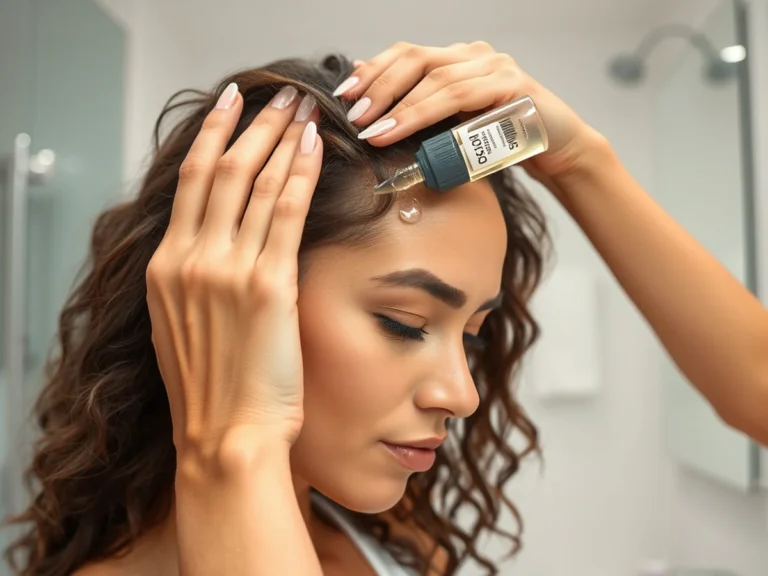
- Apply your chosen chemical exfoliant containing ingredients like salicylic acid directly to the skin while parting your hair into small sections.
- Massage the treatment gently using a scalp scrubber in small circular motions to lift stubborn buildup while applying very light pressure.
- Rinse the area thoroughly with lukewarm water, making sure no residual product or loosened debris remains trapped near the roots.
- Follow up with a gentle shampoo and a hydrating conditioner or a lightweight hyaluronic acid serum to restore proper moisture balance.
Choosing Your Exfoliation Method
Understanding fundamental skin care practices means knowing whether your scalp responds best to chemical treatments or physical tools. Chemical options often feature active ingredients like salicylic acid or soothing oils such as tea tree oil to dissolve excess sebum and flakes. Physical tools like a silicone scalp scrubber help lift debris when used carefully. Gentle handling prevents unnecessary irritation and preserves the natural protective barrier.
Application and Cleansing Technique
Mastering scalp care tips involves paying close attention to water temperature and rinsing thoroughness. Using lukewarm water opens pores gently without stripping natural oils, while a complete rinse ensures that no cleanser residue or loosened flakes remain trapped near the scalp. Incorporating these expert maintenance techniques as part of broader scalp care 101 principles keeps follicles clear and hair roots volumised.
Common Mistakes to Avoid
Using a scalp scrubber correctly prevents microtears and skin irritation. Always move the tool in gentle circles rather than scrubbing back and forth harshly, and let the bristles do the work instead of pushing down hard. Over-exfoliating can trigger excess oil production, so limit this process to once a week. Take extra time to flush the roots completely with clean water to avoid leaving behind cleanser residue that can cause dryness later.
Daily Scalp Care Habits

Maintaining a balanced daily regimen requires blending mindful cleansing and massage habits into your everyday schedule. Small moments of intention transform basic hygiene into a restorative ritual that supports long term hair wellness. When you focus on consistency, managing daily care becomes second nature and keeps the skin balanced.
Keep your approach grounded in minimalist beauty blueprints by focusing on simplicity rather than an excess of products. Streamlining your routine helps prevent product buildup and irritation, which aligns perfectly with intentional living practices. Using too many formulas at once can weigh down the hair and disrupt the natural skin barrier.
Core Practices for Foundation Maintenance
Mastering scalp care 101 means listening to what your skin needs day by day rather than sticking to a rigid formula. Simple adjustments keep your skin balanced and comfortable through every climate change. Practical steps include proper rinsing during showers, gentle daily massage to stimulate circulation, and avoiding overly hot water that strips away natural moisture. A common mistake is scrubbing too aggressively with the fingernails, which can cause micro-tears and irritation, so always use the pads of your fingers or a dedicated scalp scrubber with a gentle touch.
Targeted Ingredients and Gentle Cleansing
Incorporating helpful guidance into your daily habits involves understanding which ingredients support different skin needs. When selecting your formulas, dermatological recommendations highlight the importance of choosing gentle products that do not disrupt the moisture barrier. For individuals managing specific concerns like flaking or excess oil, incorporating ingredients such as salicylic acid, ketoconazole, or tea tree oil can help restore balance. Meanwhile, adding hydrating elements like hyaluronic acid helps maintain moisture levels in drier climates.
Seasonal Care Adjustments
Incorporate seasonal care adjustments as weather patterns shift throughout the year. Colder months often call for extra hydration to combat dry indoor heat, while warmer seasons demand lighter cleansing methods to manage excess oil and sweat from outdoor activity. Paying attention to these environmental shifts prevents sudden dryness or flaking, ensuring your everyday maintenance adapts smoothly to every change in the environment.
Choosing the Right Cleansing and Conditioning Products
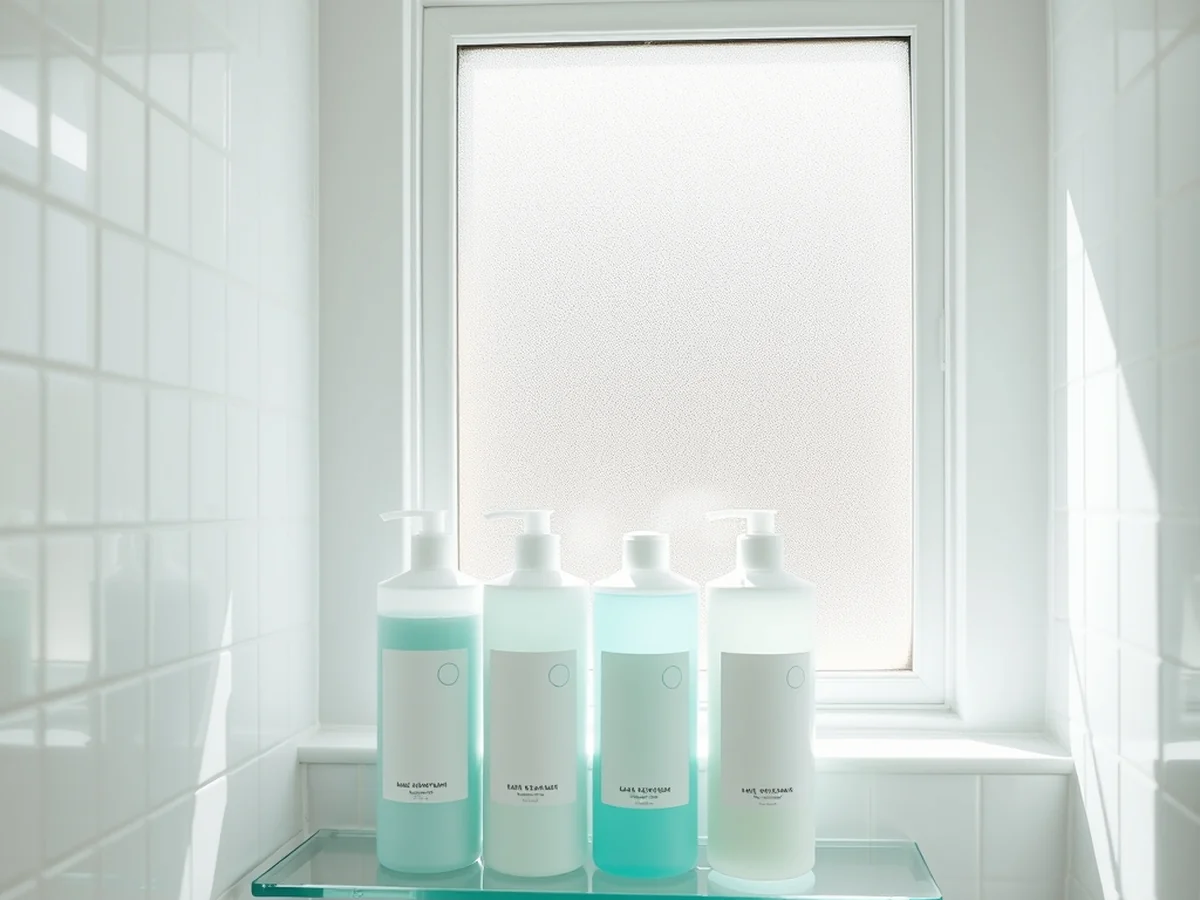
Selecting suitable hair washing formulas depends directly on your individual scalp type and daily environmental exposure. Clarifying formulas remove buildup and excess oil effectively, while hydrating washes restore essential moisture to dry skin. Understanding these differences forms a core part of mastering proper maintenance foundations, ensuring your chosen products actively support your overall maintenance goals without causing irritation or dryness.
| Product Type | Best For | Primary Function |
|---|---|---|
| Clarifying washes | Oily skin and buildup | Deep cleansing |
| Hydrating washes | Dry skin and strands | Moisture retention |
| Exfoliating formulas | Flaking and dead cells | Surface renewal |
Daily styling choices also influence product selection. Heavy styling products require stronger cleansers to prevent follicle clogging, whereas minimal styling allows for gentler daily washes. Environmental factors like high humidity, pollution, and sun exposure further dictate whether you need deep purification or extra hydration during your routine. Matching your cleanser to your environment keeps the skin balanced and comfortable.
Active ingredients play a major role in targeted treatments. Formulas featuring salicylic acid help address stubborn flakes, while hyaluronic acid focuses on drawing hydration back into dry areas. Other beneficial components include tea tree oil for soothing irritation and ketoconazole for specific balance issues, often supported by general dermatological guidance. Incorporating these specific components based on your personal needs ensures your cleansing routine supports long-term comfort.
To put these choices into practice, follow a few practical steps. Assess your skin type weekly before deciding between a deep purification wash and a moisture boosting formula. When applying your products, focus the massage directly on the roots using gentle circular motions rather than rough scrubbing, which can damage the skin barrier. A common mistake is using heavy, oil-based conditioners directly on the roots, which weighs down the hair and traps debris. Instead, apply conditioners primarily from the mid-lengths to the ends, and always rinse thoroughly to prevent residue accumulation.
Avoiding Common Scalp Care Mistakes

Preventing irritation during your everyday cleansing process requires avoiding over washing and aggressive scrubbing, which strip natural oils and damage the skin barrier. Mastering scalp care 101 means learning what habits to stop so your skin can stay balanced. Many people think harsh friction cleans better, but it actually causes microtears and inflammation. Understanding the why behind these missteps helps you adjust your daily habits for better overall results.
When you wash too frequently or use water that is overly hot, the skin responds by overproducing oil to compensate for the lost moisture. This cycle often leads to a greasy surface paired with dry, irritated patches underneath. Similarly, applying harsh physical pressure with your fingernails instead of using the pads of your fingers can break the skin surface and lead to unnecessary soreness.
Proper product rinsing is equally vital because leftover shampoo or conditioner creates residue buildup that attracts dirt and flakes. Taking an extra minute to flush out all suds protects your hair roots and keeps your skin clear. Neglecting the nape of the neck or the crown during rinsing frequently leaves behind dull, sticky residue that weighs down hair roots.
Here are the top mistakes to avoid for better foundational maintenance:
- Washing your hair too frequently strips away essential moisture and triggers extra oil production.
- Scrubbing too hard with your fingernails damages the delicate skin surface and causes soreness.
- Leaving traces of shampoo behind creates heavy product buildup that clogs hair follicles over time.
- Skipping thorough rinses around the nape of the neck leaves behind dull, sticky residue.
- Using water that is too hot dries out the skin and worsens flaking issues.
To correct these habits, focus on gentle massage techniques using warm, rather than hot, water. Incorporating helpful guidance into your regimen ensures that your cleansing steps support skin comfort rather than working against it. Small adjustments in your washing technique lead to noticeable improvements in skin balance and hair vitality over time.
Building Your Long-Term Scalp Maintenance Plan

Maintaining a balanced and comfortable skin surface over time requires consistent habits and regular observation of how your skin responds to environmental shifts. Establishing a sustainable daily upkeep routine means focusing on gentle cleansing, proper hydration, and paying attention to early signs of irritation before they become bigger issues.
Daily Habits and Environmental Adjustments
Daily habits form the foundation of long-term comfort. Rinsing thoroughly after workouts, avoiding heavy product buildup, and using lukewarm water instead of scorching heat protect the natural moisture barrier. Environmental shifts require you to adjust your regimen as the weather changes. Winter air often brings dryness and flaking, which calls for richer hydrating ingredients such as hyaluronic acid and less frequent deep cleansing. Summer brings increased humidity, sweat, and oil production, meaning you might need to wash more frequently or switch to lighter formulas to keep pores clear.
Targeted Weekly Maintenance
Weekly maintenance should adapt based on your unique skin type and lifestyle factors. If you use many styling products, incorporating a clarifying step helps clear away residue without stripping essential oils. When learning the proper methods for removing surface buildup safely, you can use physical tools like a silicone scalp scrubber or chemical exfoliants containing salicylic acid. Organizations like the American Academy of Dermatology recommend addressing specific concerns properly, and some regimens may benefit from targeted ingredients like ketoconazole or tea tree oil depending on individual needs.
Monitoring and Adapting Your Routine
Pay close attention to subtle changes in tightness, itching, or sensitivity throughout the year. Tuning into these signals lets you modify your approach dynamically rather than sticking to a rigid schedule that no longer serves your needs. Applying fundamental principles for skin balance ensures your skin stays balanced. Consistency matters more than complexity when supporting long-term skin wellness, and these practical maintenance suggestions keep your regimen effective through every season.
Frequently Asked Questions About Scalp Care
How often should I exfoliate my scalp?
Most people benefit from exfoliating once a week to remove product buildup and dead skin cells. Overdoing it can cause irritation, so you should scale back if your skin feels sensitive or dry.
What is the correct order for layering scalp products?
You should apply treatments from thinnest to thickest consistency, starting with liquid serums and finishing with heavier creams or oils. Cleanse the area thoroughly before putting any leave-on treatments on your skin.
Do I need to change my routine when the seasons change?
Cold winter air often dries out the skin, requiring richer moisturizers and gentler cleansers to maintain balance. Warmer months might call for lightweight formulas and more frequent washing to manage excess oil production.
How do I choose the right active ingredients?
Targeted ingredients like salicylic acid help clear flakes, while soothing agents like tea tree oil calm irritation. Matching the formula to your specific skin needs ensures better results without causing flare-ups.
Can I use facial skincare products on my head?
Lightweight hydration serums containing hyaluronic acid work well on both the face and the scalp. Always check product labels to ensure formulas are suitable for hair-bearing skin before applying them broadly.
Conclusion
The main decision point for maintaining lasting hair vitality comes down to consistency rather than complexity. Committing to a simple routine using the principles learned in scalp care 101 ensures that your skin remains balanced over time. Pick one or two minor adjustments to test this week and build your regimen from there.
You might also like: Epres Bond Repair Treatment Review: Is It Worth It?