Frizzy Hair Routine for Humid Weather
Introduction
An effective frizzy hair routine for humid weather focuses on managing moisture balance through targeted product selection and gentle styling techniques. Implementing a consistent frizzy hair routine for humid weather helps maintain the integrity of your hair structure and provides a smoother finish in challenging environmental conditions.
This guide explores how to identify the right ingredients for your specific hair needs while avoiding common pitfalls that exacerbate texture issues. You will learn how to adjust your washing, conditioning, and drying methods to protect your hair from environmental stressors. We cover the impact of dew points on ingredient performance, strategies for managing different porosity levels, and techniques to maintain a balanced hair cuticle throughout the day. By refining your daily habits, you can achieve more predictable results regardless of the moisture levels in the air.
Why Humidity Causes Frizz

Frizz occurs when the hair cuticle interacts with environmental moisture levels. When the air holds significant vapor, the outer layer of the hair shaft responds to these conditions, often leading to a change in texture and volume.
The hair cuticle serves as the protective outer barrier for each strand. When this layer is compromised or naturally raised, it becomes more receptive to ambient conditions. In environments with a high dew point, this interaction often results in the hair losing its smooth alignment.
Adjusting your hair care approach is essential when shifting between seasons or climates. A effective strategy for managing hair in humid weather involves:
- Monitoring local dew point levels to inform product choices.
- Prioritizing techniques that help seal the hair cuticle against humidity.
- Selecting hydration levels suited to your hair porosity.
How Humidity Affects Hair
Hair behavior shifts when the surrounding atmosphere changes because the hair cuticle interacts with water vapor in the air. When ambient moisture levels are high, the hair strands can react to the environment, which often leads to a loss of smoothness or shape.
Many people find that the dew point serves as a more useful metric for assessing environmental conditions than simple humidity percentages. This measurement reflects the actual amount of moisture in the air. By monitoring this, you gain better insight into how your strands might react throughout the day.
- High dew points signal a higher concentration of water vapor.
- Low dew points suggest drier air, which can also impact moisture retention.
Understanding these environmental shifts is a key step in preventing hair frizz at high dew points and maintaining your style.
Essential Humidity-Proof Products
Effective management of your strands starts with selecting items that create a protective barrier against environmental moisture. Choosing the right formulas helps you seal hair cuticle against humidity and prevents unwanted expansion.
Hair porosity describes how easily your strands absorb and release moisture. When your cuticle remains smooth and healthy, it holds onto hydration more effectively. However, high porosity hair often features gaps in the protective layer, making it more susceptible to environmental shifts. Tailoring your hair care routine for porous hair is key to maintaining a sleek look.
- Lightweight oils or serums to create a smoothing finish.
- Leave-in conditioners that prioritize moisture retention.
- Heat protectant sprays for use before styling.
- Styling creams designed to offer long-lasting hold.
Choosing Effective Anti Frizz Ingredients
Selecting the right components for your regimen depends on how specific substances interact with environmental moisture and your hair surface. Harsh surfactants like sulfates are frequently found in shampoos and may strip natural oils, potentially leaving strands dry and more susceptible to environmental changes. Conversely, humectants such as glycerin attract moisture from the atmosphere. While helpful in dry air, they can behave differently when the dew point is high. Meanwhile, silicones and other film-forming agents often coat the hair, creating a barrier that may help repel ambient moisture. Incorporating the best anti-frizz products for humid weather requires understanding these distinct functions.
| Ingredient Type | Primary Function | Environmental Impact |
|---|---|---|
| Surfactants | Cleansing | Removes oils |
| Humectants | Hydration | Draws moisture |
| Silicones | Smoothing | Repels moisture |
Balancing these ingredients creates a more resilient foundation for managing texture in challenging conditions.
Step by Step Humidity Routine

Managing moisture effectively through a consistent washing and styling sequence helps maintain hair smoothness when environmental moisture levels are high. Follow these steps to prepare your hair for humid conditions.
- Begin your shower with lukewarm water, as extremely hot temperatures can affect the hair cuticle during cleansing.
- Apply your preferred conditioner while hair is damp to ensure even distribution, focusing on mid-lengths to ends.
- Rinse with cooler water to help smooth the hair surface before you exit the shower.
- Use a microfiber towel to gently blot excess water from your hair instead of rubbing, which minimizes friction.
- Apply styling products using the LOC or LCO method, layering your liquid, oil, and cream in the correct sequence to lock in hydration.
- Allow your hair to air dry or use a diffuser on a low heat setting to reduce disturbance.
Common Mistakes to Avoid
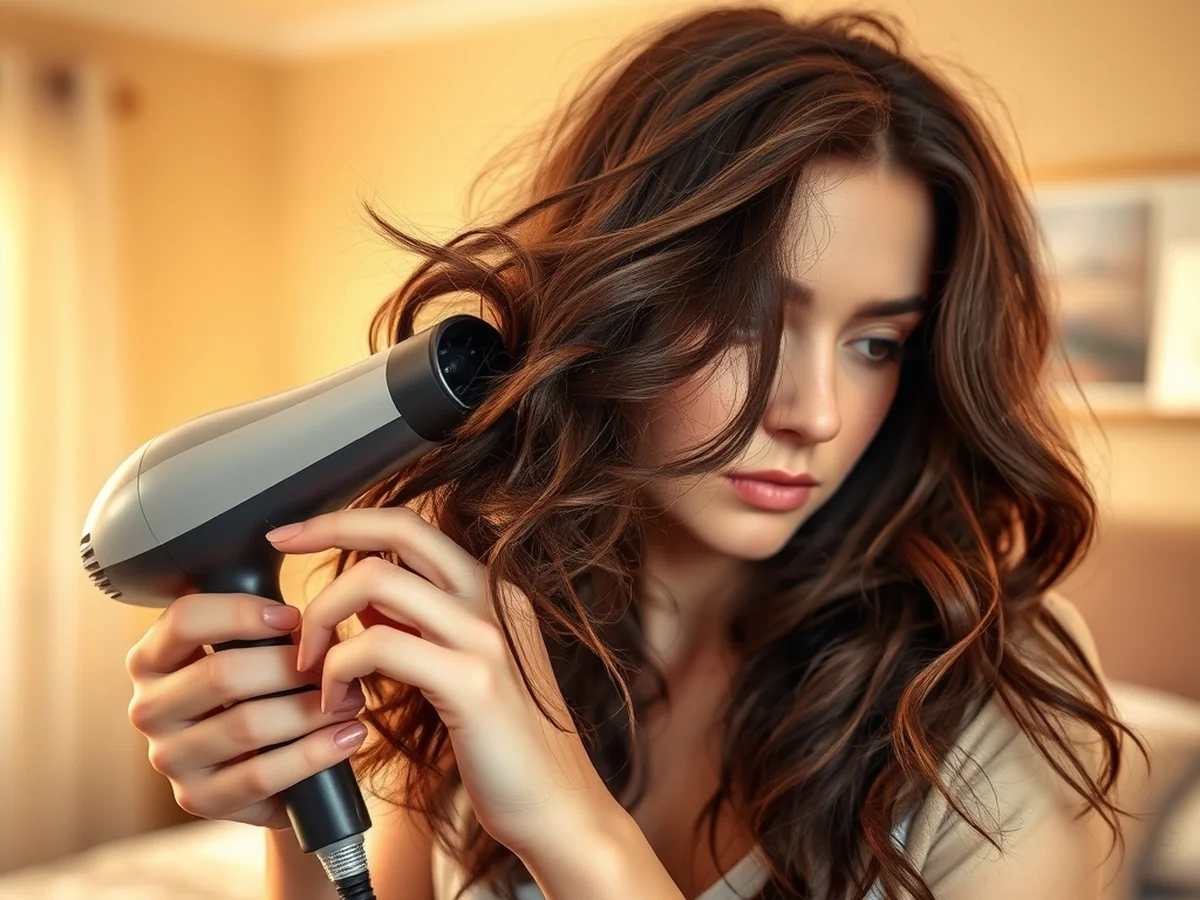
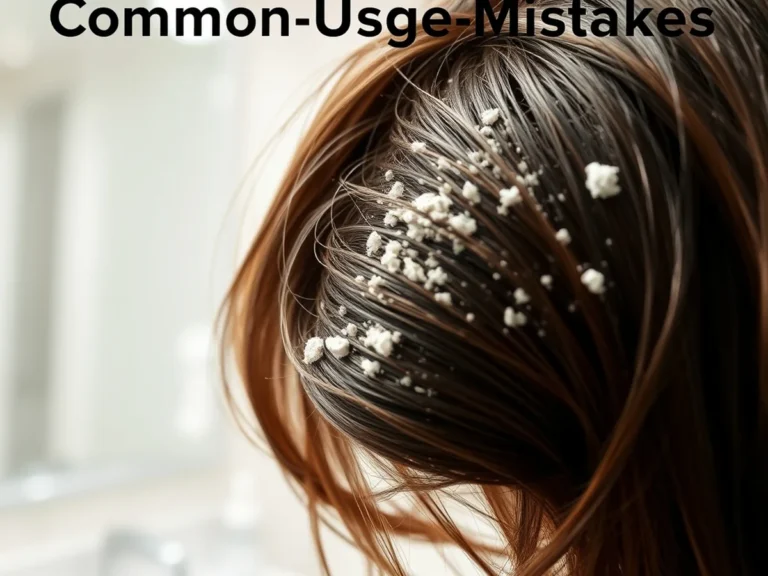
You can effectively manage your style by steering clear of habits that disrupt moisture balance and cuticle health. Focusing on gentle maintenance helps you learn how to stop hair frizz in humidity without compromising your hair’s natural texture.
- Washing your hair too frequently strips away essential natural oils, which forces your strands to seek hydration from the surrounding air.
- Using high-heat drying methods or frequent thermal styling can compromise the hair cuticle, making it more prone to absorbing moisture.
- Applying too many heavy styling creams or oils often leads to unnecessary buildup, which weighs down the hair and diminishes volume.
- Layering products without considering their specific density can create a tacky residue that attracts debris rather than protecting your strands.
- Skipping a thorough rinsing process often leaves behind surfactant residue that interferes with your hair’s natural shine.
When to Seek Professional Guidance
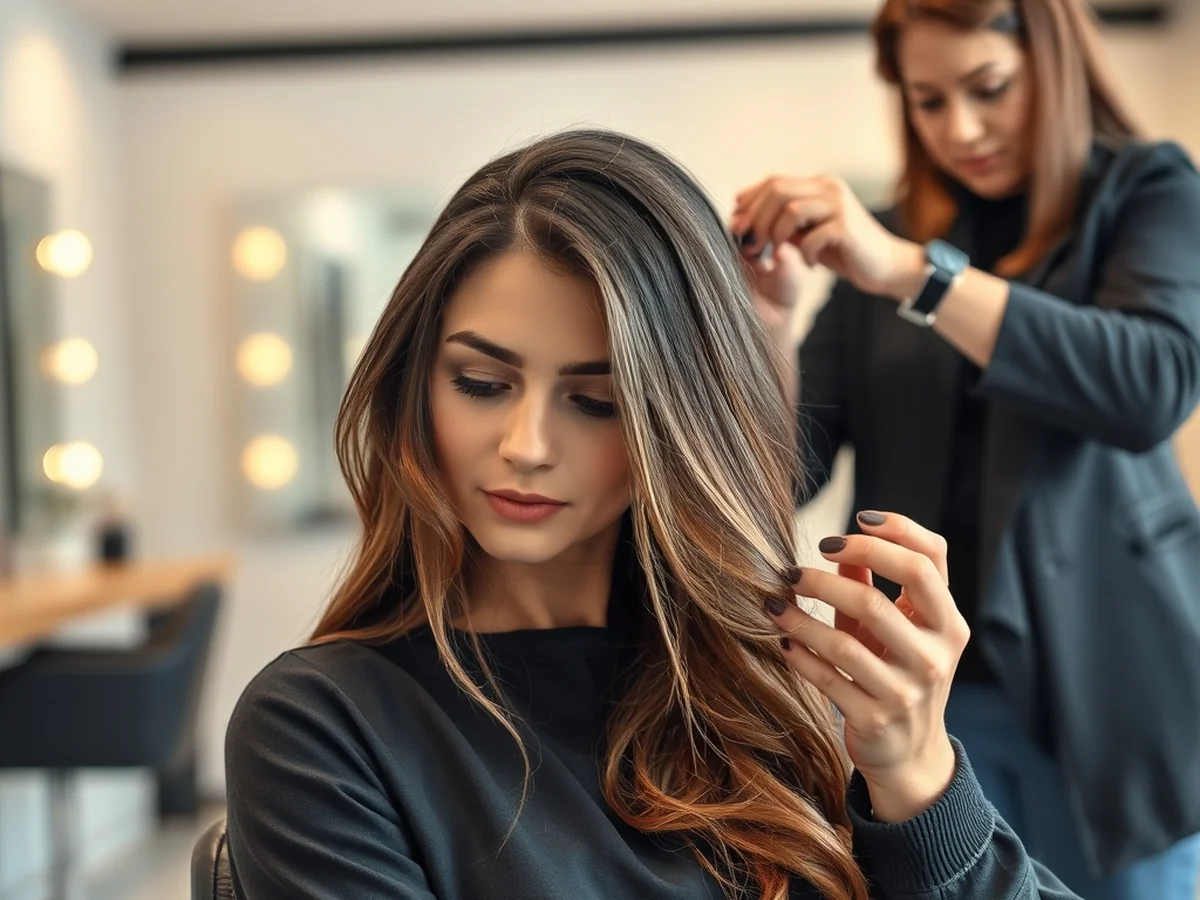
Consult a professional stylist when your hair texture remains unmanageable despite consistent care, as persistent frizz often signals deep structural damage rather than simple environmental reactions. If your hair feels brittle, snaps easily, or consistently lacks shine regardless of the weather, you may need professional intervention to assess internal integrity.
Specialized salon treatments or precision cuts become necessary when the hair cuticle is significantly compromised. A stylist can determine if you require professional bond-strengthening services or structural trimming to remove split ends that trap humidity. You should also request a personalized analysis of local water quality during your visit. Hard water often leaves mineral deposits that inhibit product performance and increase porosity, making it difficult to keep your strands smooth in humid conditions.
FAQ
Why does my hair get frizzy when it is humid?
Hair often reacts to ambient moisture by expanding, which can disrupt the smooth alignment of strands. This common reaction depends on your individual hair texture and the current atmospheric conditions.
How can I prevent frizz without weighing my hair down?
Focus on using lightweight, water-based hydrators rather than heavy butters or thick oils. Applying products to damp hair helps ensure even distribution, which prevents concentrated buildup that can make hair look flat or greasy.
What ingredients should I avoid if I live in a humid climate?
You might find it beneficial to minimize the use of certain humectants when the moisture levels in the air are very high. Checking labels for specific surfactants can also help, as some ingredients may strip away the natural oils needed to keep the hair cuticle smooth.
Is air drying better than blow drying for frizzy hair?
There is no single answer, as both methods have different effects depending on your hair type and technique. Using a microfiber towel to gently remove excess water before air drying often reduces friction, while a diffuser on a low heat setting can help set the style more quickly if speed is a priority.
How do I choose the right anti-frizz product for my hair type?
Identify your hair porosity level first, as this determines how well your hair retains moisture. Those with finer textures generally benefit from silicone-based sprays for a protective barrier, whereas thicker or coarser textures may require richer leave-in conditioners to maintain definition.
Conclusion
The next step is to observe how your hair reacts to different environmental conditions over the coming weeks. By tracking your results against local dew point levels, you can refine your product selection and identify which techniques effectively support your hair. Implementing a consistent care strategy for managing hair in moisture-heavy climates allows you to minimize daily frustration and better manage texture regardless of the conditions. Start by testing small adjustments to your current regimen and monitor the stability of your style throughout the day.
You might also like: Epres Bond Repair Treatment Review: Is It Worth It?