Best Leave-In Conditioner for Frizzy Hair
Introduction
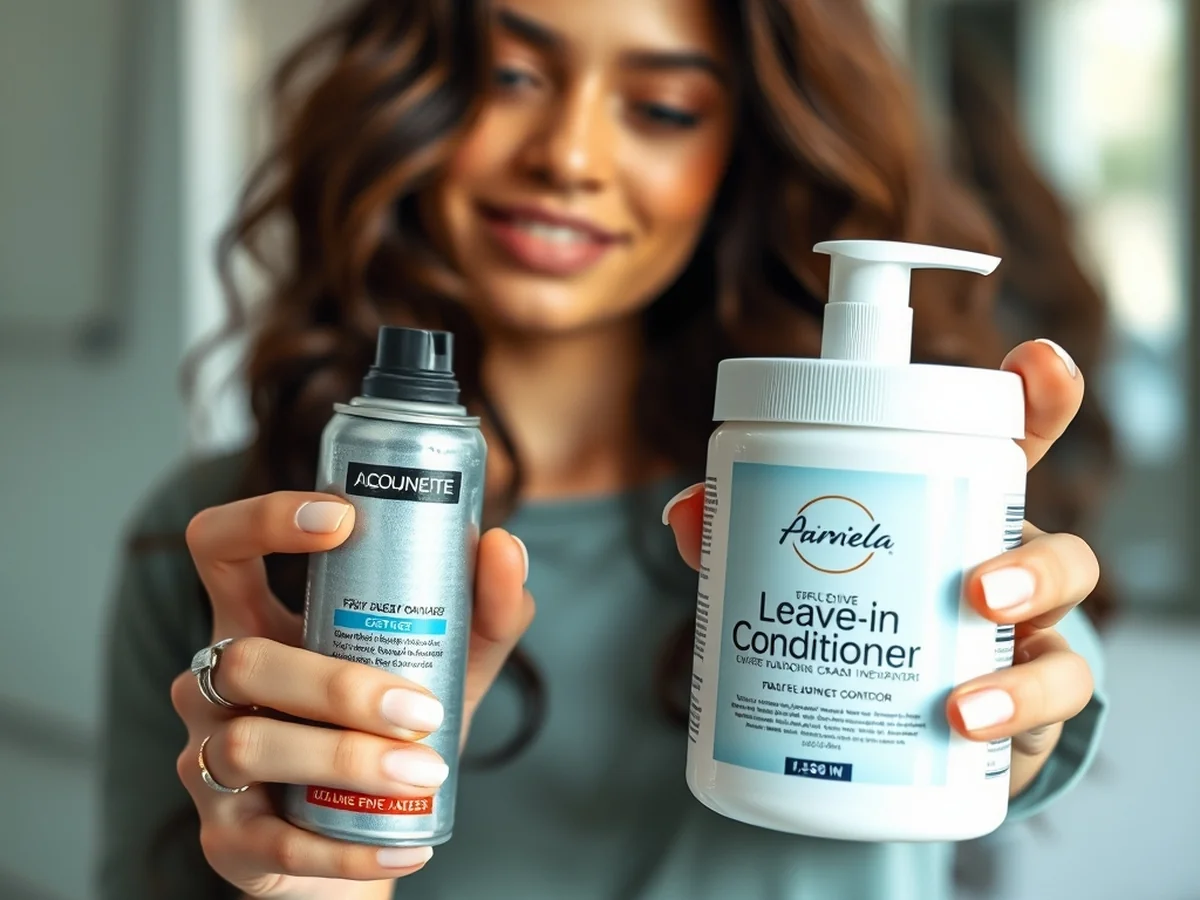
Selecting the best leave-in conditioner for frizzy hair requires identifying products that support moisture retention and smooth the hair cuticle. Finding the best leave-in conditioner for frizzy hair often involves evaluating specific ingredient formulations that align with your unique hair texture and porosity needs.
This article examines the science behind common hair care ingredients and provides a structured approach to identifying effective formulas. You will learn how to distinguish between damage-related frizz and humidity-induced frizz, along with professional guidance on product density and application techniques. We also cover how to build an effective routine by considering environmental factors like dew point and the benefits of specific ingredient categories. By understanding these technical aspects, you can move beyond marketing claims to select products that genuinely improve the health and appearance of your hair.
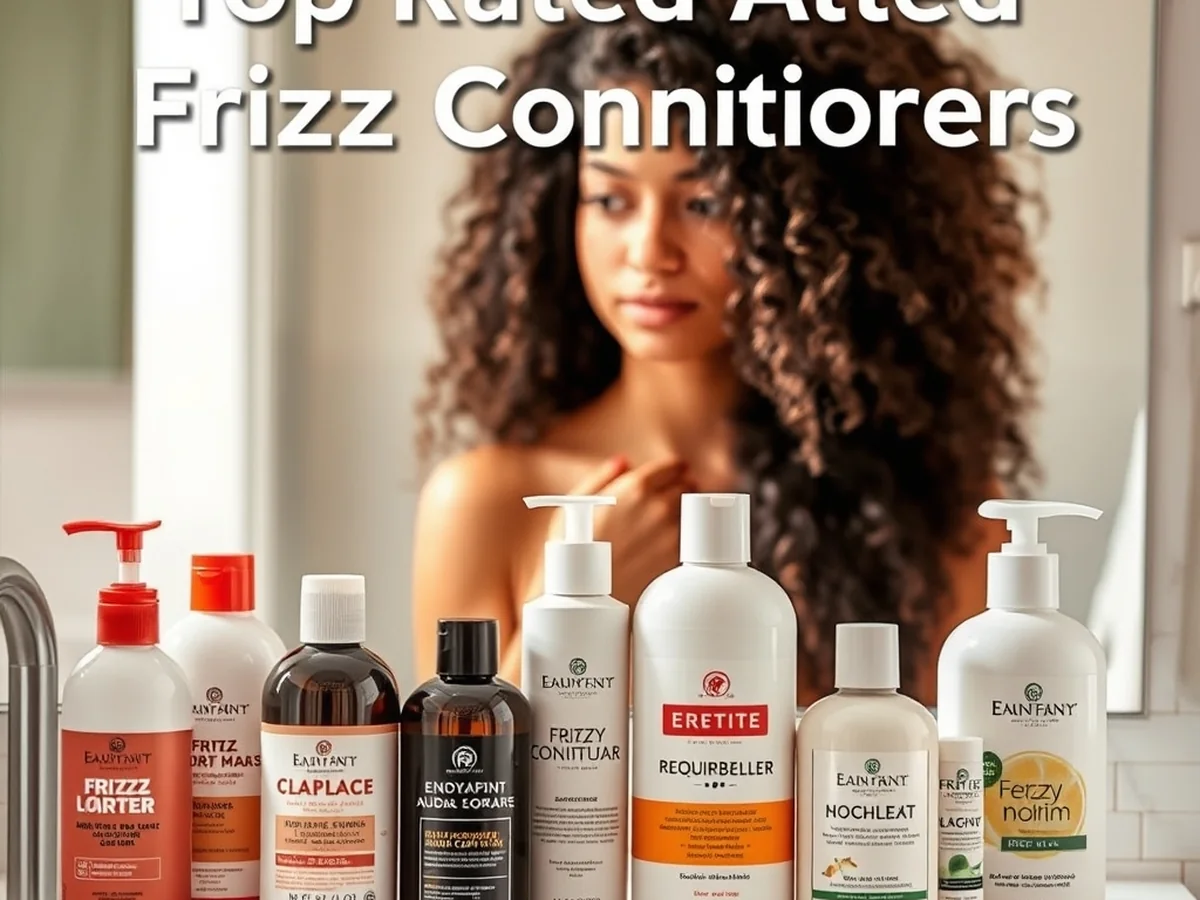
Top Rated Frizz Conditioners
Effective frizz management requires distinguishing between environmental factors and structural damage. Environmental frizz typically occurs when hair absorbs excess moisture from the air, causing the hair cuticle to swell. In contrast, damage-induced frizz results from physical or chemical distress, which lifts the cuticle and creates a rough, porous surface.
The hair cuticle functions as a protective shield for the inner cortex. When these outer scales lie flat, the hair appears smooth and reflects light. If the cuticle remains raised or damaged, moisture escapes easily and the hair texture becomes coarse.
A leave-in conditioner serves as a helpful solution when your hair requires consistent moisture to remain manageable and soft. These products are particularly useful for maintaining hydration throughout the day, smoothing the hair surface, and minimizing the static electricity that often accompanies dry, frizzy strands.
How Leave-Ins Tame Frizzy Hair
Leave-in conditioners manage unruly textures by smoothing the hair cuticle and sealing moisture into the shaft. When the outer layer of the hair is flat and aligned, it reflects light evenly and resists environmental interference.
It is important to distinguish between the two primary causes of texture issues when learning how to manage frizzy hair. Damage-induced frizz often results from chemical or heat stress that compromises the hair cuticle, causing it to lift and fray. Conversely, humidity-induced frizz occurs when dry hair absorbs excess moisture from the air, causing the strands to swell and expand.
- High dew point levels increase atmospheric moisture, which forces the cuticle to open and disrupts the hair surface.
- Low dew point levels pull moisture out of the hair, leading to brittleness and static.
Essential Ingredients for Frizz Control
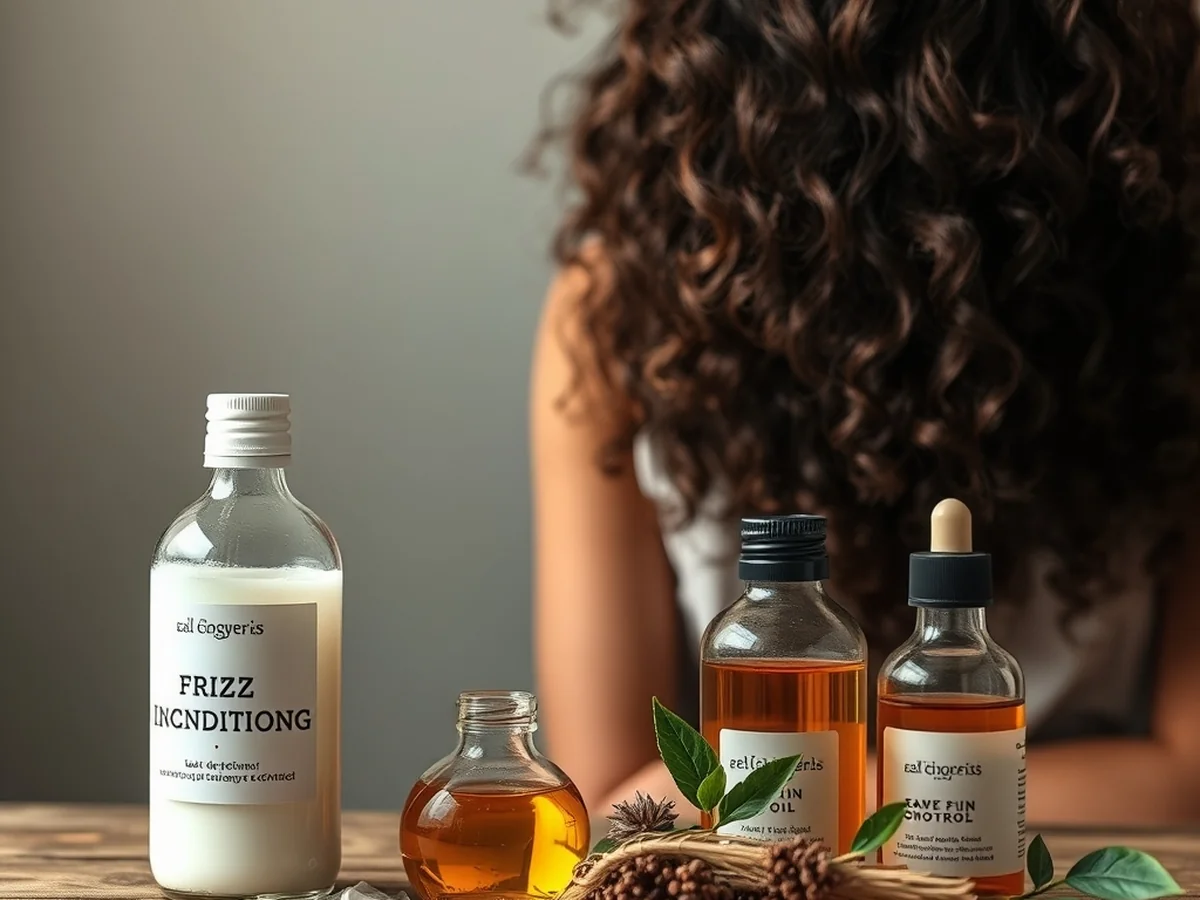
Effective formulas for managing flyaways rely on specific components that influence moisture retention and surface smoothness. These ingredients for hair frizz control work by either coating the fiber or interacting with the natural structure of the strands.
- Glycerin acts as a humectant, while dimethicone provides a protective coating that helps smooth the hair cuticle.
- Polyquaternium compounds are commonly included to minimize static electricity and improve manageability.
- Lipids and ceramides serve to reinforce the natural barrier of the hair, supporting overall moisture retention.
- Coconut oil is frequently used for its ability to penetrate the hair shaft, which helps address protein loss.
- Hydrolyzed protein is often incorporated to assist in maintaining the integrity of different hair types.
Comparing Frizz-Fighting Formulas
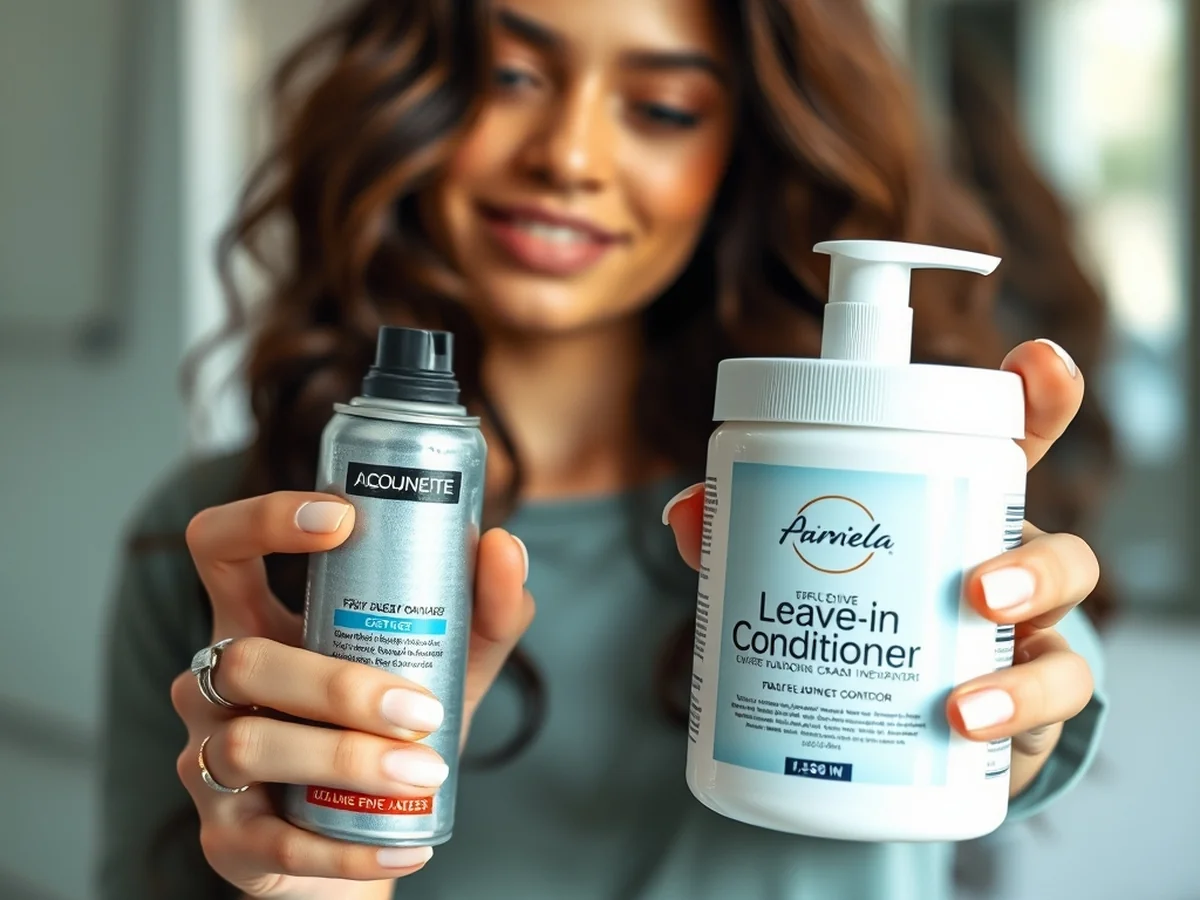
Choosing between aerosol sprays and cream-based leave-in treatments depends on your hair density and texture needs. Creams generally offer more concentrated hydration for coarse hair, while aerosols provide a lightweight, even distribution suitable for finer strands.
| Feature | Cream-Based | Aerosol Sprays |
|---|---|---|
| Consistency | Thick, rich | Fine, lightweight |
| Best For | Coarse, curly hair | Fine, wavy hair |
| Application | Manual distribution | Even, misting |
Beyond texture, consider the pH level of your products, as formulas balanced to match the scalp help maintain the integrity of the hair cuticle. You should also scan labels for alcohol denat, which is often avoided in formulas intended for frizz reduction because it can lead to moisture loss. Selecting products that support your natural hair structure helps manage daily frizz more effectively.
Applying Conditioner for Smoothness
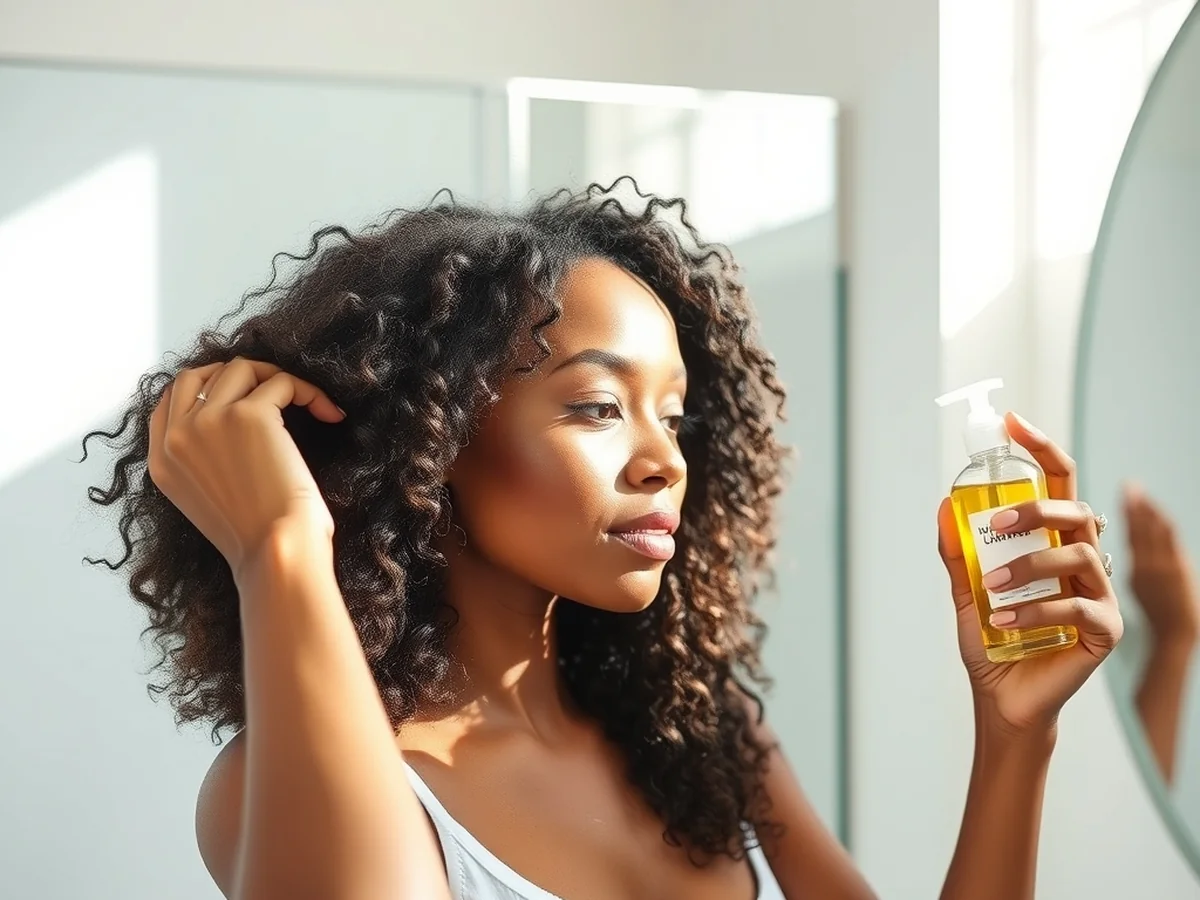
You can achieve lasting hydration by using the LCO layering method, which involves applying a water-based liquid, a leave-in cream, and a sealing oil in that specific order. When deciding how much product to use, focus on your hair density instead of your length to avoid buildup or inadequate coverage.
- Start with damp hair to ensure the product distributes evenly throughout your strands.
- Apply your liquid or spray base first, followed by a light layer of your chosen cream conditioner.
- Work the products from the mid-lengths down to the ends where dryness is most common.
- Use a small amount of oil last to seal in the moisture and create a smooth finish.
- Distribute the conditioner thoroughly using your fingers or a wide-tooth comb for consistent coverage.
Matching Porosity to Conditioner
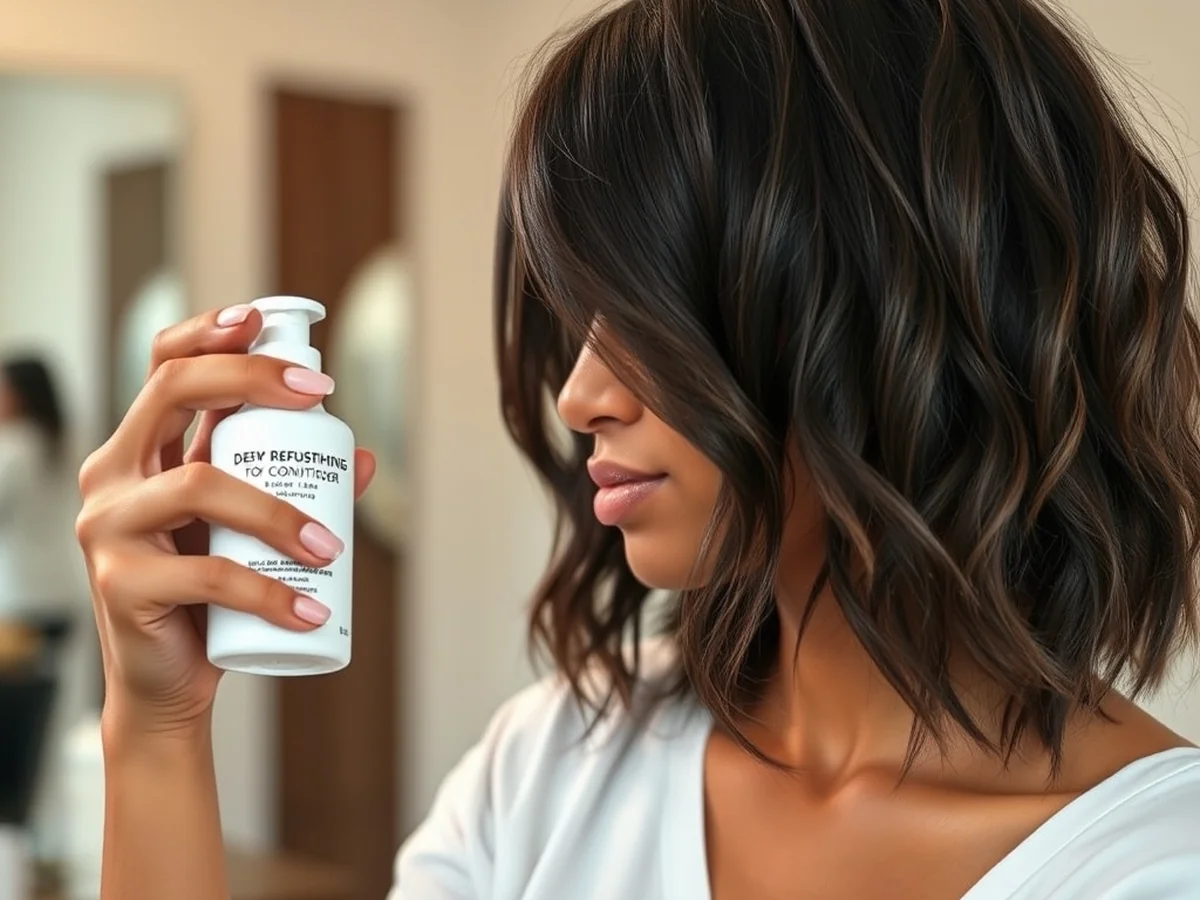
Selecting the right hydration level depends on your hair cuticle structure. High porosity strands feature raised cuticles that lose moisture quickly, requiring a leave-in conditioner for high porosity hair that provides deep, lasting replenishment.
To retain moisture, many people with textured hair prefer formulas containing heavier sealing agents. These components create a protective layer on the surface, which helps prevent hydration from escaping throughout the day.
Low porosity hair tends to resist moisture absorption, making it prone to residue. To prevent buildup on these strands, follow these practices:
- Apply product sparingly to damp hair to improve distribution.
- Focus application on the mid-lengths and ends rather than the scalp.
- Use clarifying washes periodically to remove accumulated layers.
- Opt for lightweight formulas that avoid heavy waxes or excessive silicones.
Our Top Product Picks
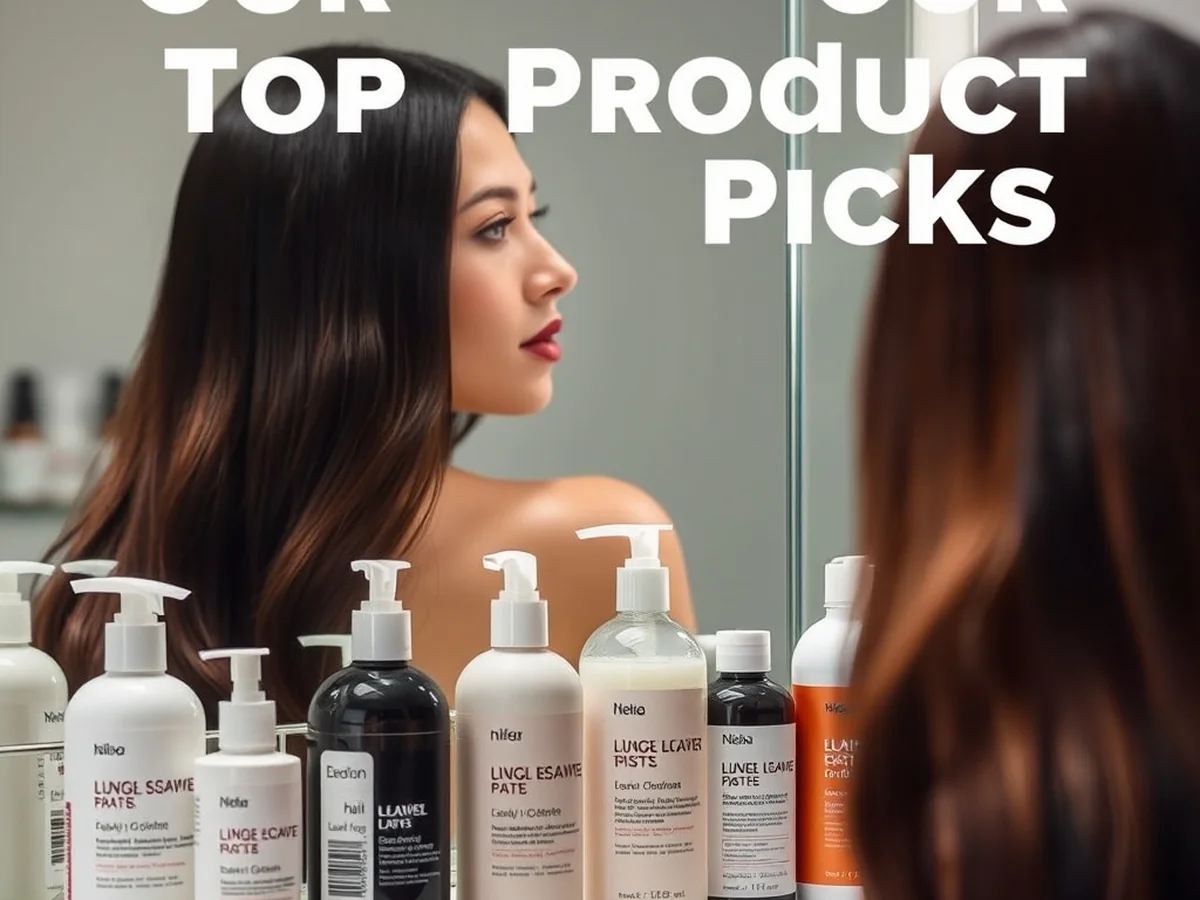
Selecting effective treatments requires identifying whether your hair needs surface moisture or professional intervention for deep structural compromise. You should prioritize formulas that respect your scalp sensitivity while addressing persistent dryness.
- Seek professional salon assessments if you notice consistent breakage, extreme brittleness, or split ends that persist despite regular conditioning routines.
- Choose fragrance-free or hypoallergenic options if you experience redness, itching, or irritation, as these signs often indicate a reaction to specific synthetic additives.
- Monitor your scalp health closely, because persistent product buildup or flakes can sometimes mimic dryness but actually require gentle clarifying steps.
- Adjust your routine if your hair remains dry after consistent use, as this may signal that your current moisture-locking strategy is not matching your hair porosity.
- Consult a dermatologist if you suspect an underlying skin condition is influencing your scalp environment.
FAQ
How do I choose the best leave-in conditioner for my hair type?
Selecting the right product requires identifying whether your hair needs lightweight moisture or more intense sealing properties. If you have fine hair, look for spray formulas to avoid weighing down your strands, while those with thick or coarse hair often benefit from rich creams.
What ingredients are beneficial for hair frizz control?
Ingredients like glycerin and polyquaternium are frequently included in formulas to help manage moisture levels and reduce static electricity. Additionally, ceramides are often used to help support the lipid barrier of the hair cuticle, which can improve overall surface smoothness.
How often should I apply leave-in conditioner?
Most individuals find success applying a leave-in conditioner immediately after every wash while the hair is still damp. You can also apply a small amount to dry ends between washes if you notice increased dryness or flyaways throughout the week.
Can leave-in conditioner cause product buildup?
Using too much product or choosing a formula that is too heavy for your hair texture can lead to visible residue and a weighed-down feeling. If you notice your hair looking dull or losing its natural movement, clarify your hair with a gentle shampoo to remove accumulated layers.
Does humidity affect which product I should use?
High humidity levels can cause hair to absorb excess moisture from the air, which often leads to swelling and frizz. In these environments, formulas that contain sealing ingredients may provide a more effective barrier against environmental moisture than those designed solely for hydration.
Conclusion
The final step in managing your hair texture is to evaluate how your scalp and strands respond to a specific formula after several washes. Since individual hair needs vary significantly based on porosity and environmental factors, test a small amount of product on a clean section of hair to observe how it layers with your current routine. Finding the right leave-in treatment to control flyaways and frizz is an iterative process of matching ingredient profiles to your unique hair health requirements. If a product fails to provide the desired smoothing effect, adjust your application technique or switch to a lighter formulation before trying a different brand.
You might also like: Epres Bond Repair Treatment Review: Is It Worth It?