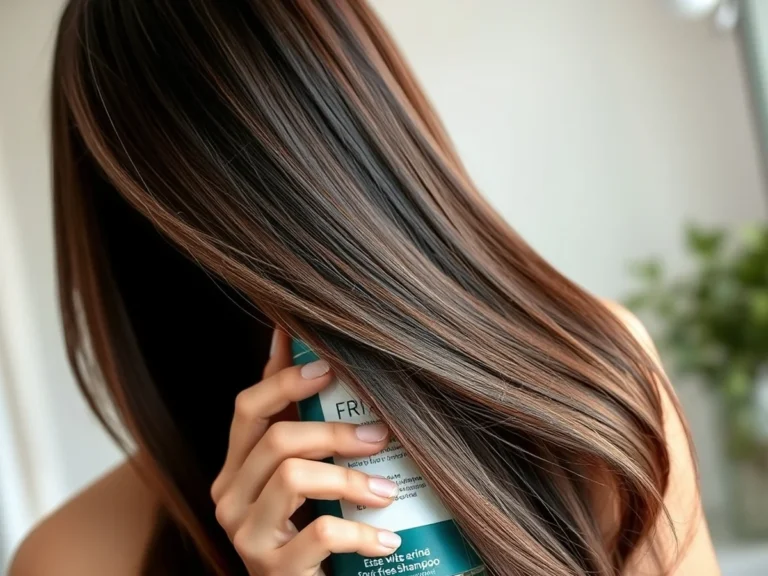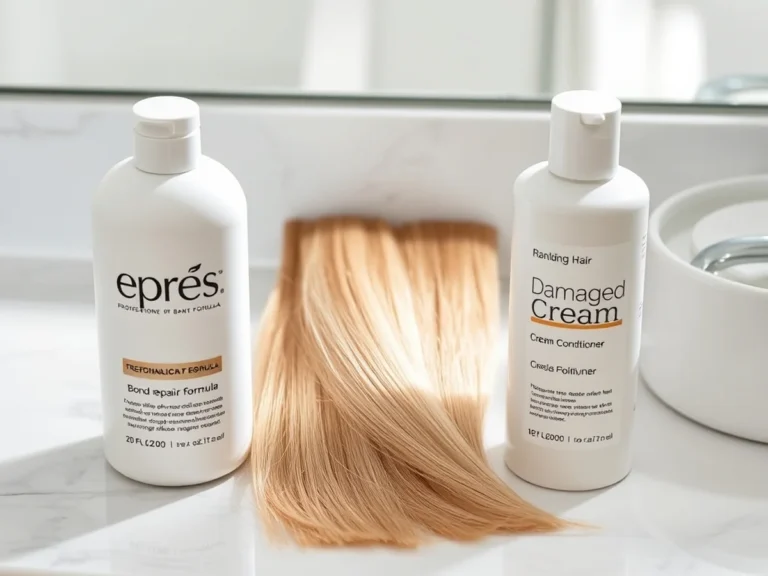

Best Hair Care for Damaged Color Treated Hair
Introduction
The best hair care for damaged color treated hair focuses on restoring structural integrity while preserving pigment longevity. Selecting the right combination of targeted treatments and gentle daily habits provides the best hair care for damaged color treated hair to address dryness and breakage.
This guide explores the scientific principles behind repairing chemically processed strands, ranging from the role of bond-building technology to the importance of managing pH balance. You will learn how to identify your hair’s specific needs, differentiate between internal cortex damage and surface cuticle issues, and adjust your routine to combat environmental stressors like hard water. By understanding these core elements, you can implement an effective strategy to improve texture, minimize color fading, and support the long-term health of your hair.
Signs of Color Damage
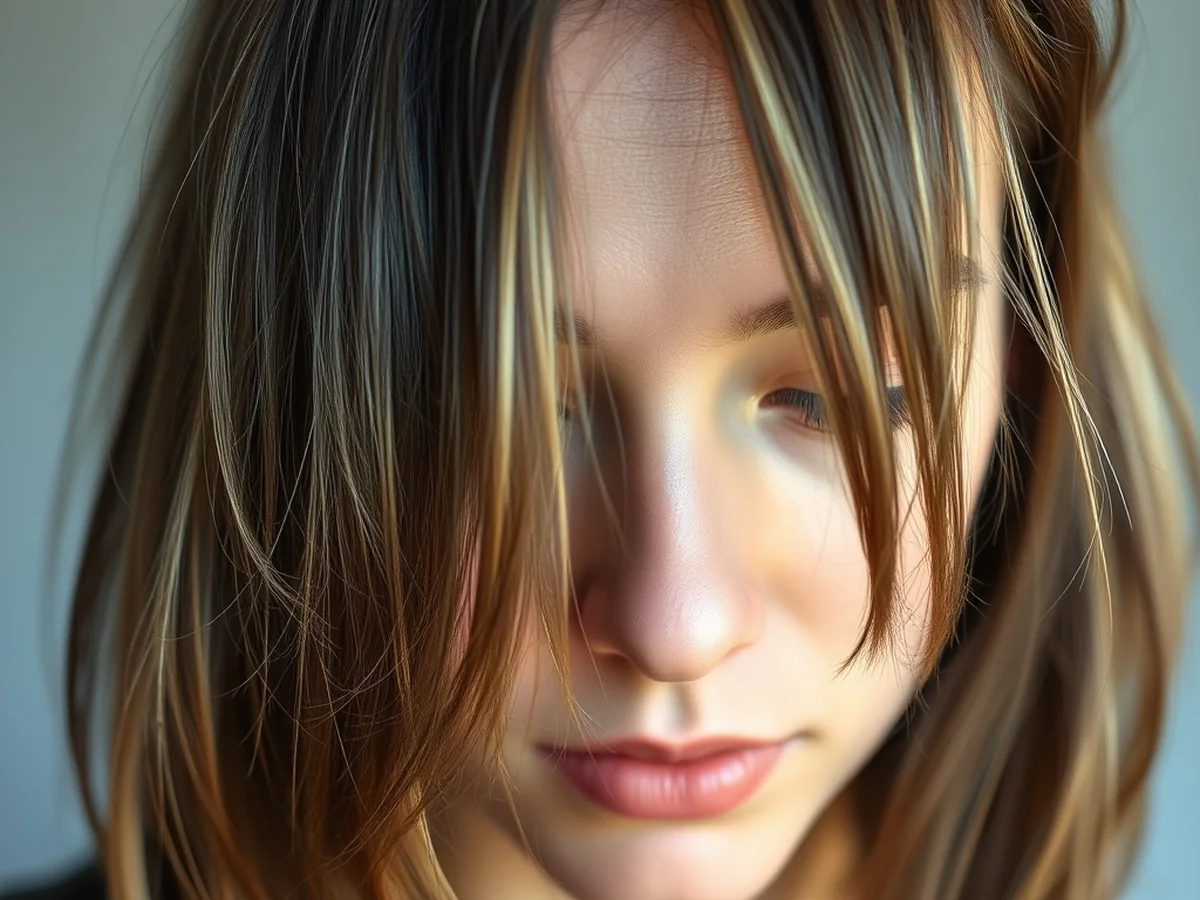
Color damage manifests as a disruption to the hair cuticle and a decline in internal structural integrity. When chemical processes affect the hair, the outer protective layer often becomes rough or lifted, while the inner cortex loses essential structural components. This combination leads to dryness, brittleness, and a compromised ability to retain color.
Addressing these concerns requires a tailored approach rather than generic advice. Because every strand reacts differently to chemical processing, your routine must account for specific needs like porosity levels and the current state of your hair fibers. Applying a one size fits all method often fails to address the underlying structural issues. Instead, identifying your specific repair requirements ensures you select the most effective products for your hair type, restoring resilience and vibrancy over time.
Understanding Chemical Color Damage
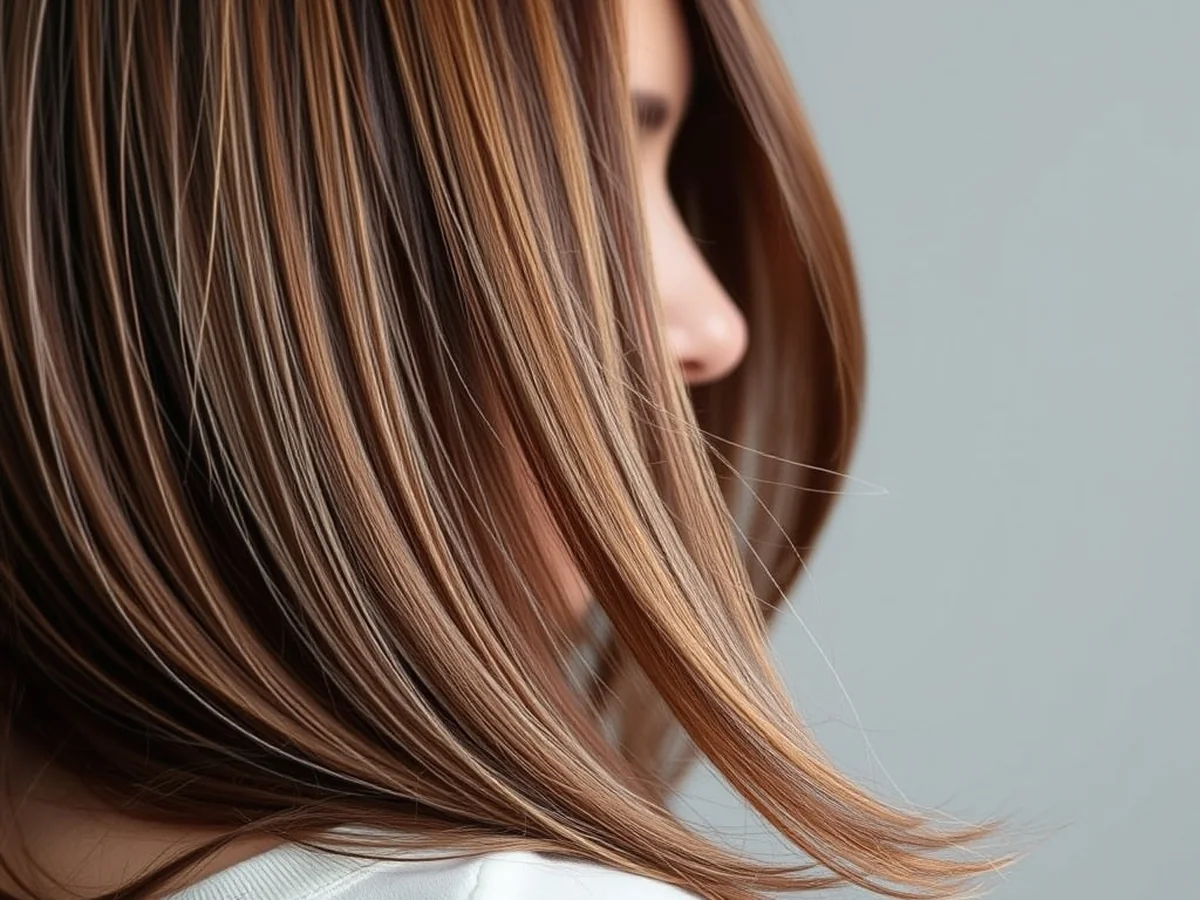
Chemical coloring processes damage hair by opening the outer protective layer to deposit or remove pigment, which fundamentally alters the internal structure of the strand. This intervention disrupts the natural composition of the hair fiber, often leading to a compromised texture.
Damage occurs at two distinct levels:
- Surface cuticle damage: When the outer scales of the hair become frayed or lifted, the hair loses its natural shine and feels rough to the touch.
- Internal cortex damage: This involves the degradation of the protein structure and bonds within the hair shaft, which directly affects its strength and elasticity.
Maintaining proper pH balance is vital for hair health because the coloring process shifts the hair toward an alkaline state. A balanced pH helps smooth the cuticle layer, ensuring the hair remains resilient against environmental stressors and potential breakage.
The Role of Hair Porosity
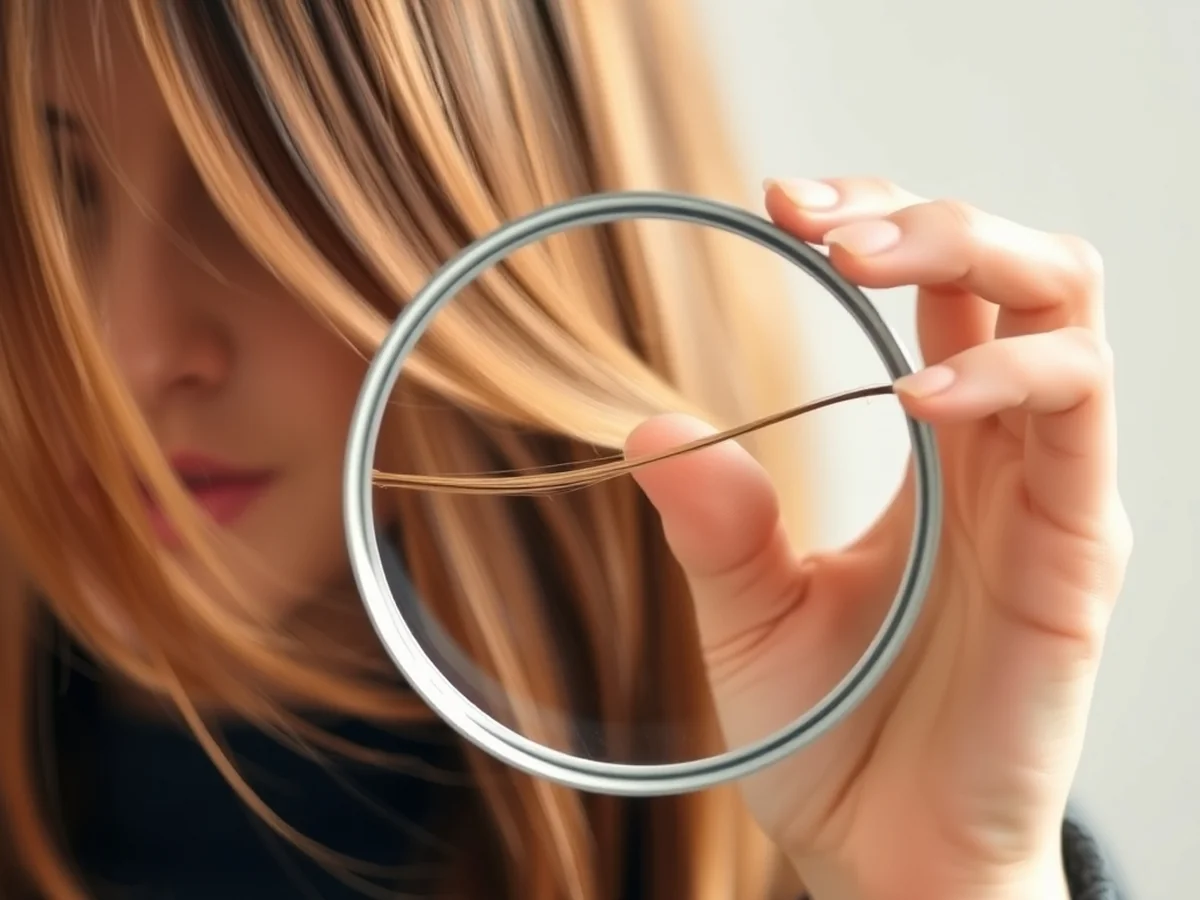
Hair porosity refers to how effectively the outer cuticle layer allows moisture and products to penetrate the hair shaft. Understanding this level is essential when selecting the right treatments to repair chemically processed strands and preserve color vibrancy.
- You can determine your porosity by observing how a single hair strand reacts when placed in a glass of room temperature water.
- Low porosity hair often features tightly bound cuticles, which may require gentle heat during conditioning to help products absorb properly.
- High porosity hair typically has gaps or damage in the cuticle, making it vital to use products that focus on sealing the surface.
- Tailoring your routine to your specific porosity helps ensure that moisture-rich formulas actually reach the cortex rather than just sitting on top.
- Consistent assessment allows you to adjust your regimen as your hair health improves over time.
Essential Ingredients for Repair
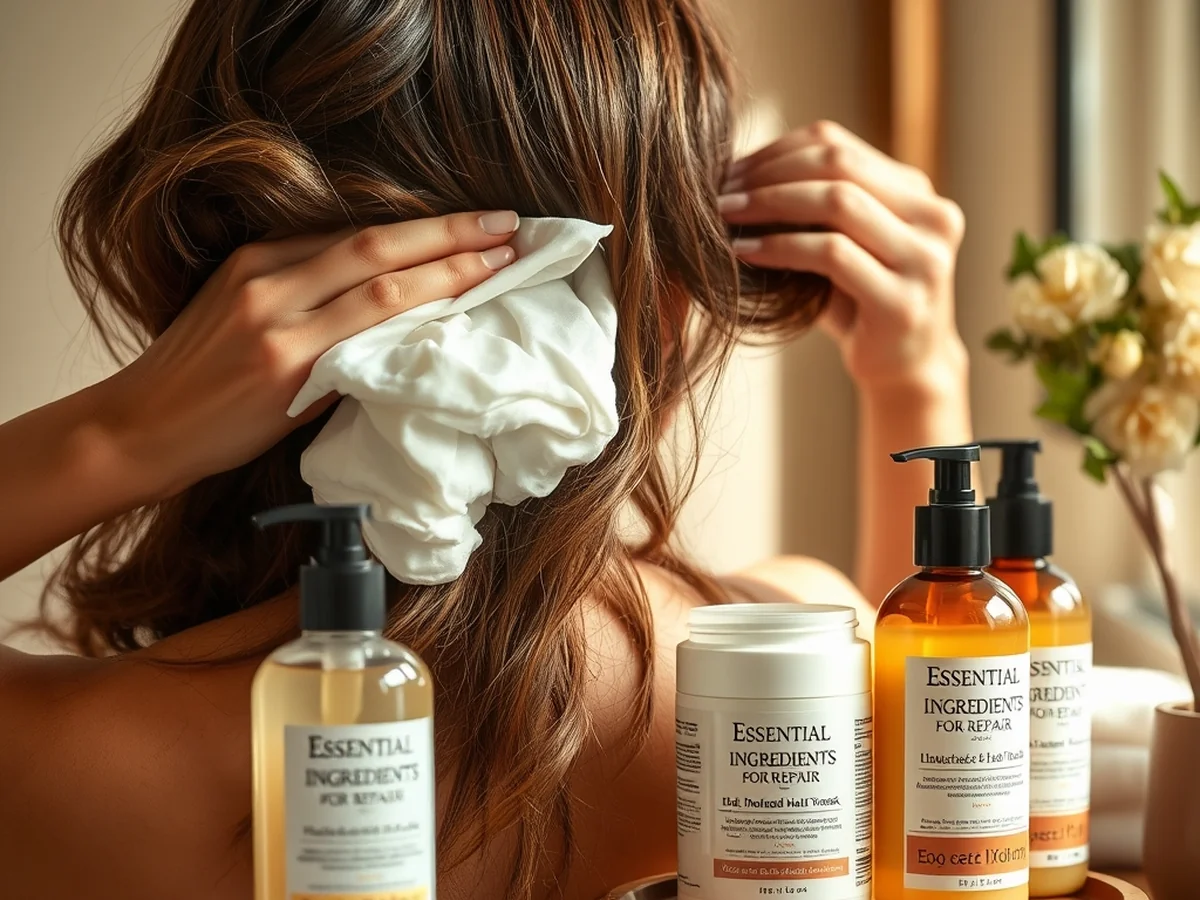
Effective recovery for chemically processed locks relies on a balance of moisture-binding humectants, protective emollients, fortifying keratin protein, and bond-building agents that target structural integrity.
| Ingredient Category | Primary Function |
|---|---|
| Humectants | Attract and retain hydration |
| Emollients | Smooth and seal the cuticle |
| Keratin Protein | Strengthens the hair strand |
| Bond Builders | Realign internal disulfide bonds |
Humectants draw water into the hair shaft, while emollients work by coating the exterior to lock that hydration in. Keratin protein acts as a building block, reinforcing weakened sections of the cortex. When combined with specialized bond-building agents, these components address both surface smoothness and the deeper structural issues common in processed hair, helping to restore overall resilience.
Protecting Hair From Heat
You can preserve your hair health by minimizing environmental stressors that accelerate wear and color loss. External elements frequently compromise the structural integrity of your strands, leading to visible dullness and persistent dryness.
Hard water is a common culprit, as it often contains mineral deposits that accumulate on the hair shaft. This buildup creates a barrier that interferes with moisture absorption and leaves color looking flat. Similarly, ultraviolet radiation affects your hair by causing oxidation, which degrades artificial pigments and leads to noticeable fading. Learning how to stop hair color fading involves addressing these invisible daily exposures.
- Install a shower filter to reduce mineral exposure from hard water.
- Wear a hat or use UV-protective hair products when spending time in direct sunlight.
- Rinse your hair with filtered water after swimming to remove chlorine and salt.
Optimizing Your Washing Routine
You can improve hair health by adjusting water temperature and selecting gentle cleansers that maintain natural oils. Lukewarm water is preferred over hot water because it encourages the cuticle to stay closed, which protects the inner structure of your hair.
- Use lukewarm water during your shower to prevent the hair cuticle from lifting and losing moisture.
- Select a sulfate free shampoo for color treated hair to gently cleanse without disrupting your hair’s delicate moisture balance.
- Reduce your washing frequency to two or three times per week to help your natural scalp oils protect the hair strands.
- Focus your shampoo application primarily on the scalp to keep the lengths of your hair from becoming excessively dry or brittle.
- Rinse your hair thoroughly with cool water to seal the cuticle and enhance shine.
Advanced Treatment Protocols
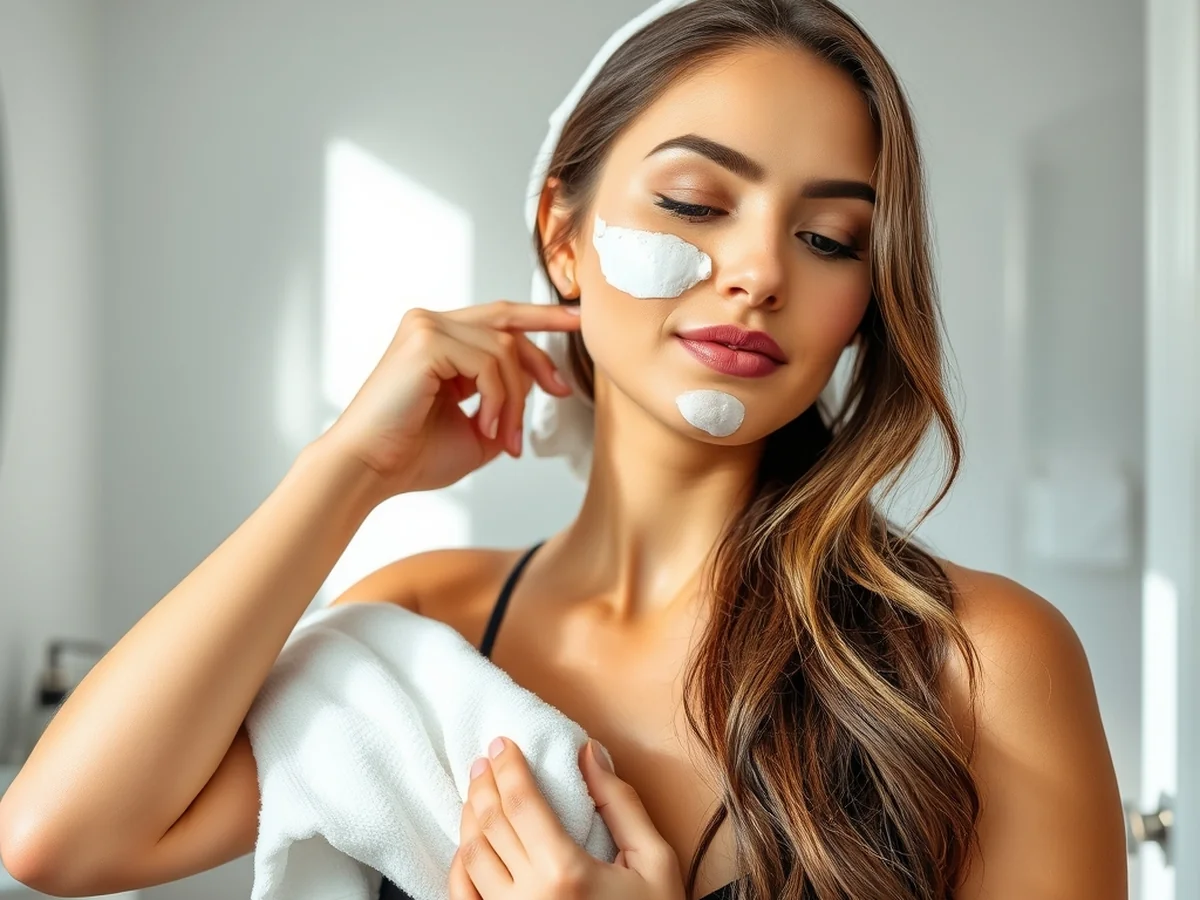
Effective recovery for chemically processed strands relies on alternating between targeted protein infusions and hydration-focused masks. Consistency with deep conditioning for dry damaged hair helps maintain elasticity, preventing the snapping that often occurs after color services.
You should choose your treatment based on current hair needs:
- Use protein-based masks when strands feel mushy or lack structural integrity.
- Apply moisture-rich treatments when hair feels brittle, straw-like, or lacks natural sheen.
Integrating professional-grade bond repair into your routine addresses internal damage at the molecular level. These formulas are designed to reconnect bonds within the hair shaft that are often broken during chemical lightening or aggressive heat styling. While these products provide essential support, always follow the specific application instructions to avoid over-treating the hair, which can lead to unwanted stiffness.
FAQ
Why does color treated hair become damaged?
Chemical processing often raises the hair cuticle, which can lead to moisture loss and a weakened structure over time. This process can leave the hair shaft more porous, making it susceptible to further environmental damage and breakage.
Is sulfate-free shampoo necessary for color treated hair?
Using a sulfate-free shampoo for color treated hair is often recommended to help minimize the stripping of natural oils and artificial pigments during cleansing. Gentler formulas help maintain the integrity of the hair fiber while preventing premature color fading.
How do I know if my hair needs protein or moisture?
Hair that feels mushy or stretches excessively before snapping typically benefits from protein treatments to provide structural support. Conversely, if your hair feels brittle, straw-like, or creates static, it likely requires deep conditioning for dry damaged hair to restore hydration and flexibility.
Does heat styling affect hair color?
Excessive heat from styling tools can accelerate the breakdown of color molecules and further damage the outer cuticle layer. Limiting high-temperature exposure and using thermal protection are effective ways to stop hair color fading and preserve the overall health of your strands.
How often should I use a hair mask?
Incorporating a deep treatment once weekly is generally sufficient to maintain hydration and manage the effects of chemical processing. Adjusting this frequency depends on your specific hair texture and the extent of the damage you are addressing.
What ingredients should I avoid in hair products?
It is generally advisable to avoid products containing harsh detergents or drying alcohols that can strip the hair of essential moisture. Focusing on quality humectants and emollients helps keep the cuticle smooth, which is vital for both appearance and long-term hair health.
Conclusion
Managing hair health requires observing how your strands respond to your specific routine over time. By tracking changes in texture and color vibrancy, you can refine your approach to better suit your individual needs. Finding the right products to support damaged, color treated hair is a continuous process of adjustment rather than a single purchase. Schedule a consultation with a professional stylist to assess your current hair condition and receive personalized recommendations for your next steps.
You might also like: Epres Bond Repair Treatment Review: Is It Worth It?