Olaplex vs Pureology for Color Treated Hair
Introduction
Choosing between olaplex vs pureology for color treated hair depends on whether your primary goal is repairing chemical damage or protecting your hue from environmental fading. Understanding the difference between olaplex vs pureology for color treated hair allows you to select the right approach for your specific hair texture and health needs.
This article provides an objective comparison of these two professional hair care brands to help you identify which technology aligns with your hair goals. We will cover the distinct roles of bond-repairing treatments, the benefits of sulfate-free formulas, and how to determine if your hair requires intensive restoration or daily color maintenance. You will learn how to distinguish between protein-focused repair and hydration-based protection, ensuring your routine effectively manages both hair integrity and color vibrancy.
Olaplex vs Pureology Overview
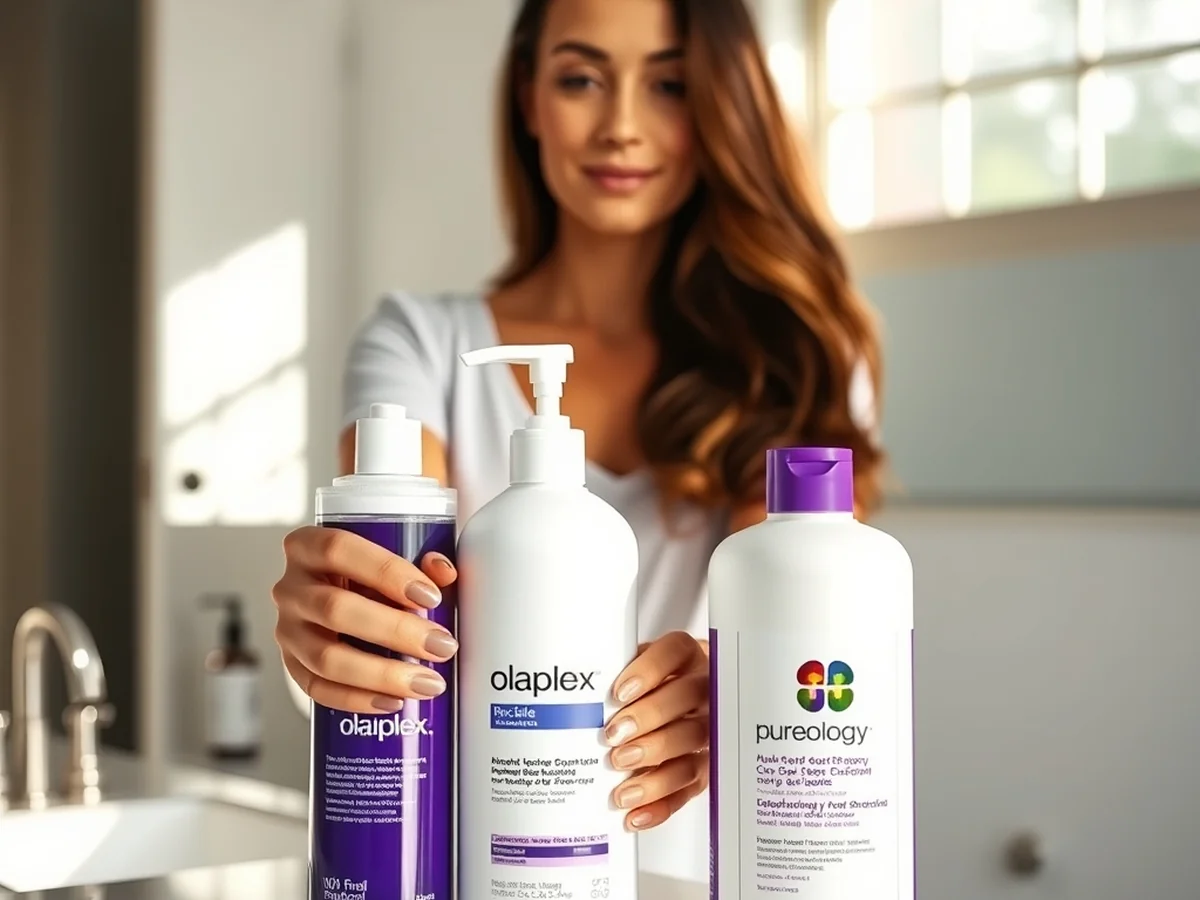
Choosing between these two brands depends on whether your primary concern is addressing structural concerns or protecting your hair color from fading. Olaplex focuses on supporting the chemical integrity of the hair, while Pureology concentrates on surface-level color preservation.
Most users seek to balance hair health with aesthetic vibrancy. Understanding the core difference helps you select the right tool for your routine:
- Bond-repairing systems target structural issues often caused by chemical processing and bleach.
- Color-preservation systems aim to maintain tone and moisture by protecting the hair surface from environmental stressors and washing.
Evaluating these two professional hair care options for your specific color treated hair routine requires looking at your current hair needs rather than just brand popularity.
Bond Building Versus Color Protection
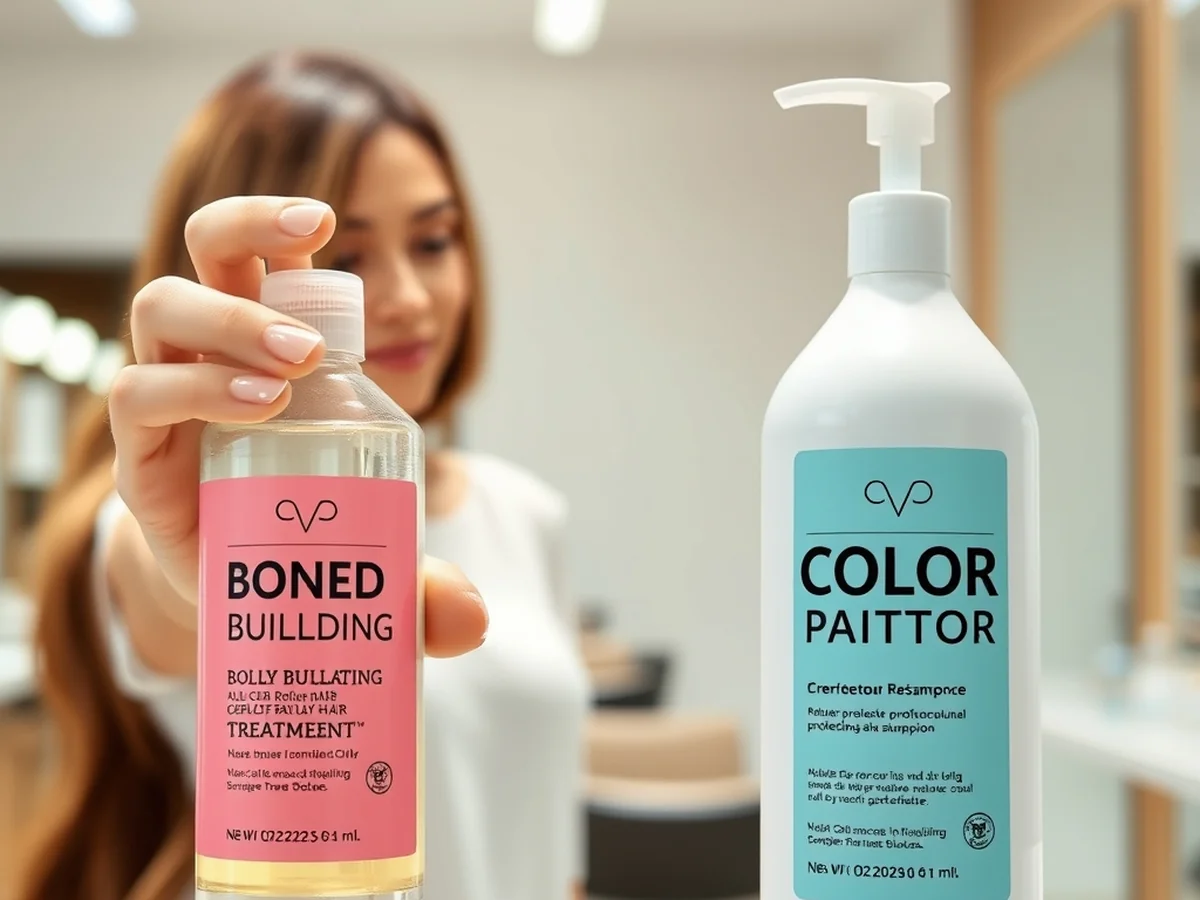
Bond building focuses on internal structural repair, while color protection emphasizes external defense against fading. These approaches represent two distinct strategies when choosing products for color treated hair.
Bond building technology targets hair at the molecular level. It aims to address internal structural integrity by repairing connections within the hair shaft that may have been compromised by chemical processing or heat damage. This process seeks to restore strength and improve overall hair health from the inside out.
Color protection prioritizes maintaining vibrancy by acting as a shield against environmental stressors. It focuses on defending the hair cuticle from factors like UV exposure, pollutants, and washing, which can strip away pigment. This approach keeps your color looking fresh for longer.
How Each Protects Color
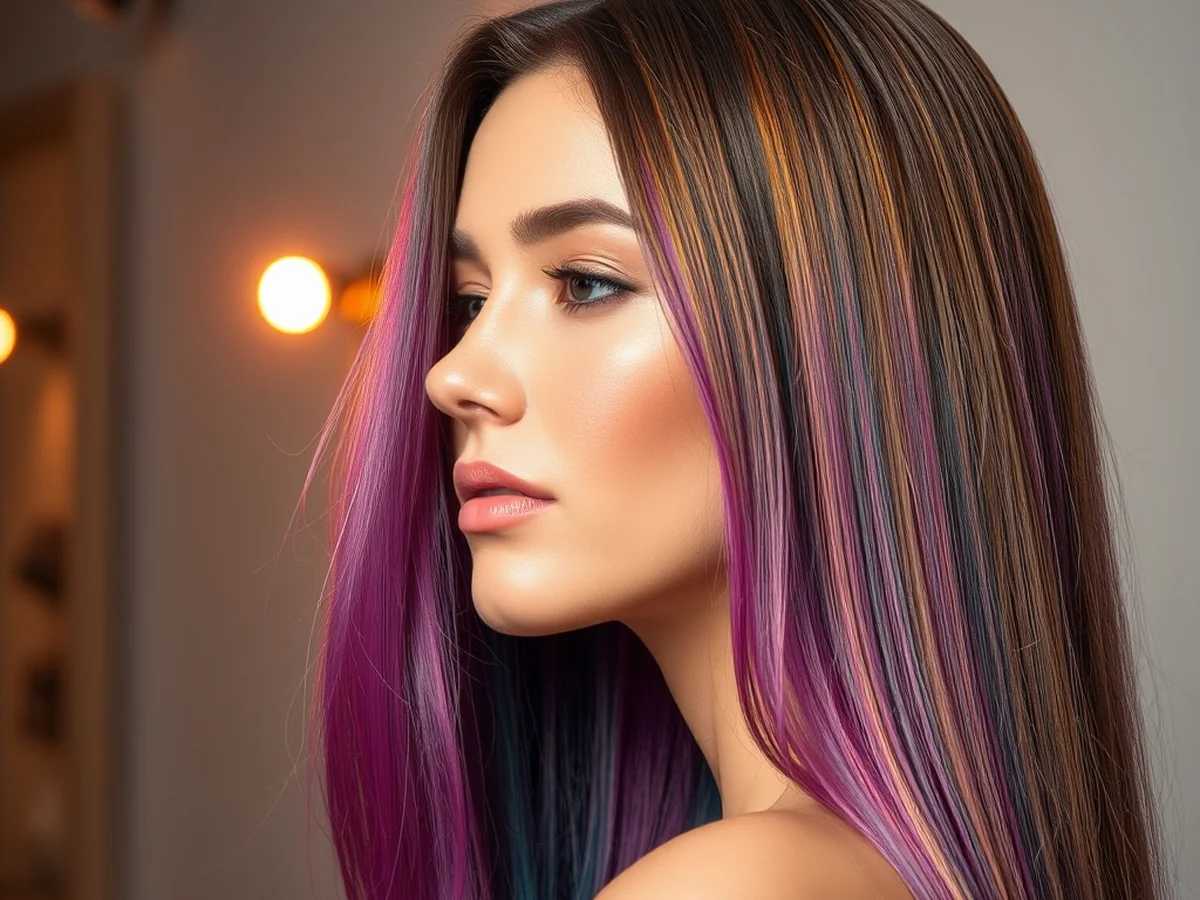
Protecting hair color requires managing the hair cuticle and selecting gentle cleansing agents. A balanced pH level keeps the cuticle layer flat and compact, which prevents color molecules from escaping during a wash. When the cuticle remains smooth, light reflects off the strands more evenly, enhancing the appearance of vibrancy and health.
Surfactants play a critical role in color preservation by removing impurities without stripping away essential moisture or pigment. Using sulfate free hair care for colored hair often relies on these milder cleaning agents to maintain the integrity of the hair shaft. By avoiding harsh ingredients that lift the cuticle, these formulas help keep color locked inside the hair fiber for a longer duration.
Product Comparison Table
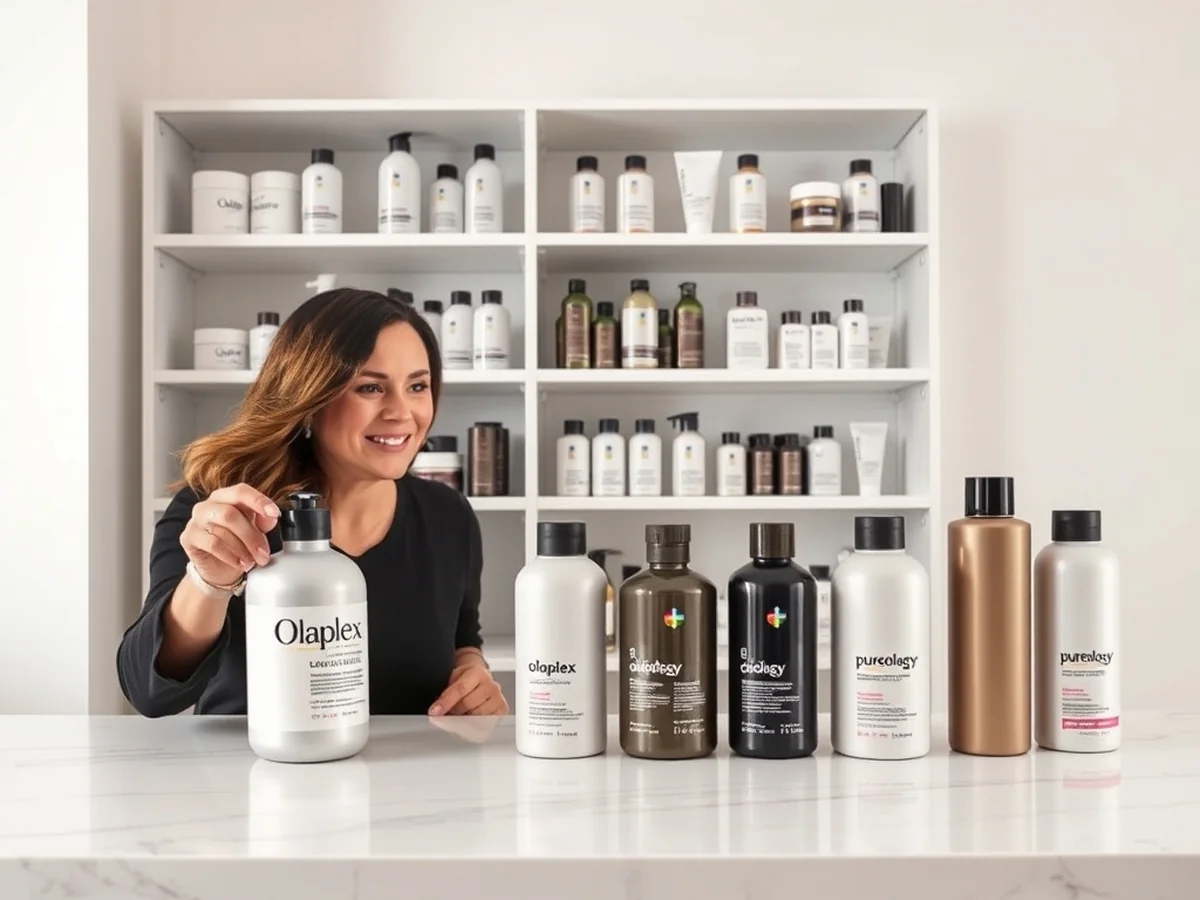
Choosing between these two professional hair care systems depends on whether your primary goal is structural repair or pigment retention. While both brands cater to processed hair, their underlying approaches to hair health differ significantly.
| Feature | Olaplex | Pureology |
|---|---|---|
| Primary Benefit | Structural strengthening | Color vibrancy and moisture |
| Intended Hair Type | Chemically damaged or bleached | Dry, color-treated hair |
| Core Focus | Bond maintenance | Color longevity and hydration |
Olaplex focuses on restoring the hair internal structure, whereas Pureology emphasizes protective ingredients to prevent environmental fading. Use this quick guide to determine which system aligns best with your current hair needs.
Assessing Damage and Hydration Needs
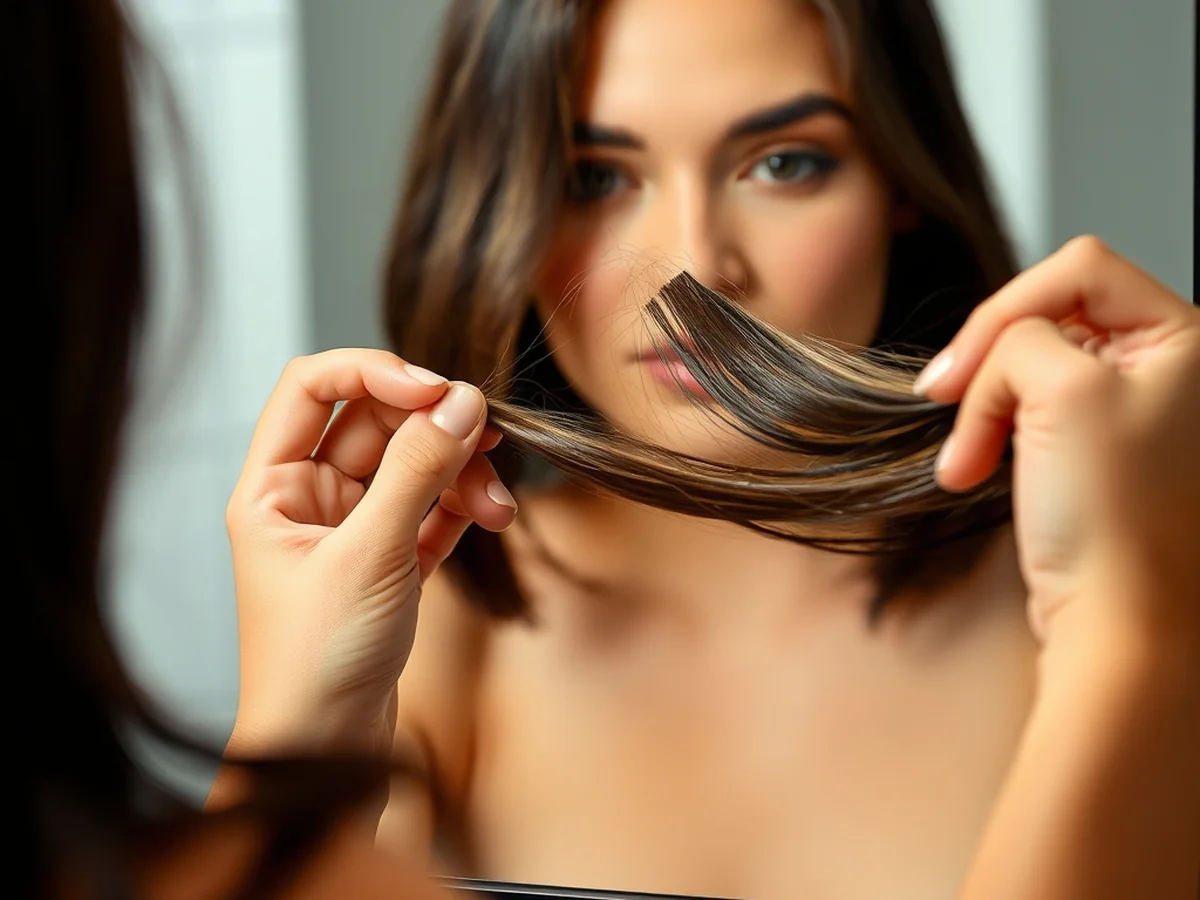
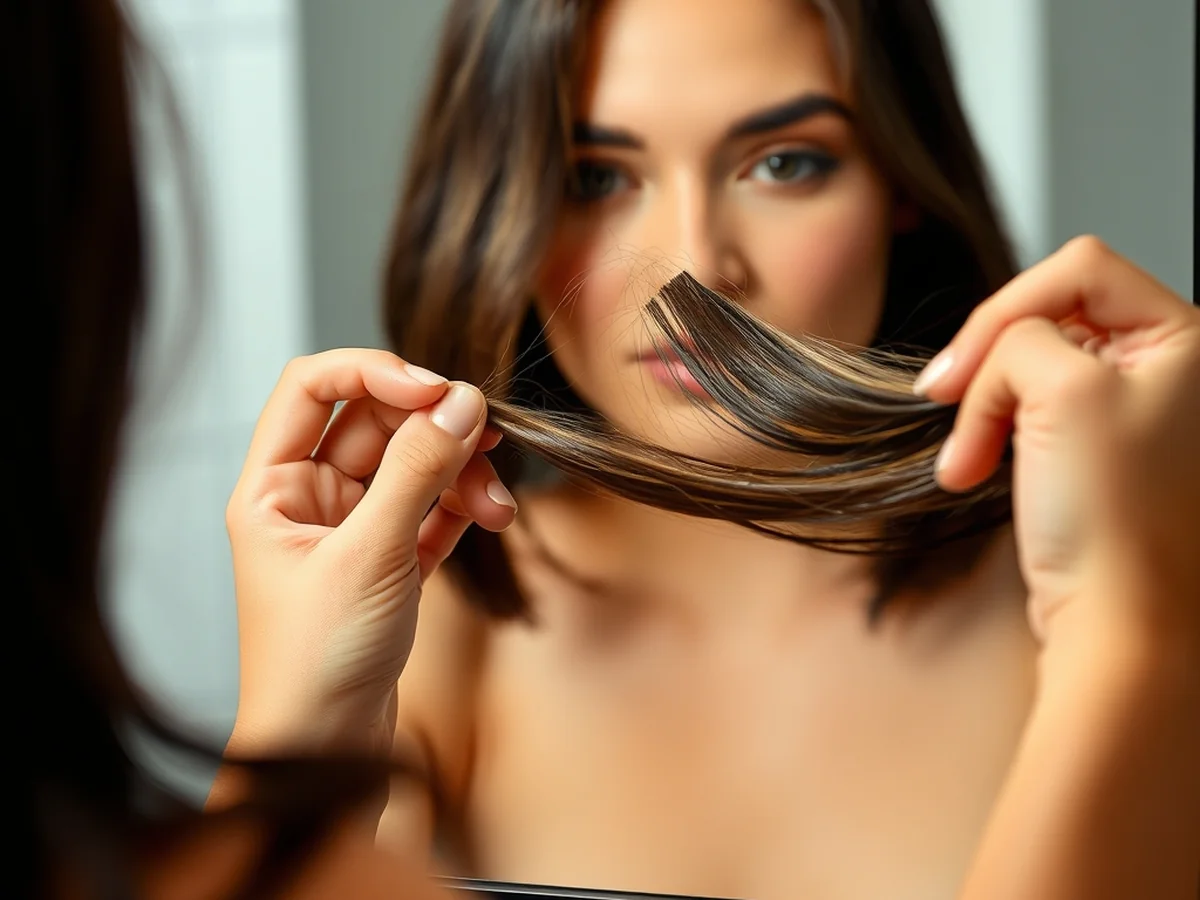
Identify your primary hair concern by testing texture and elasticity. Hair that feels brittle, snaps easily when stretched, or appears porous often requires protein-rich repair. Conversely, hair that feels dry, tangled, or lacks shine typically benefits from intense hydration.
Over-treating healthy hair can lead to protein overload, which makes strands stiff and prone to breakage. Using intensive repair treatments on hair that only needs moisture disrupts the natural balance between strength and softness.
- Repairing damaged hair from bleach requires targeted bond support.
- Consistent hydration maintains elasticity for color-treated strands.
- Balance is key: assess your hair weekly, as the needs of your hair cuticle can change based on styling, climate, and chemical processing.
Combining Olaplex and Pureology
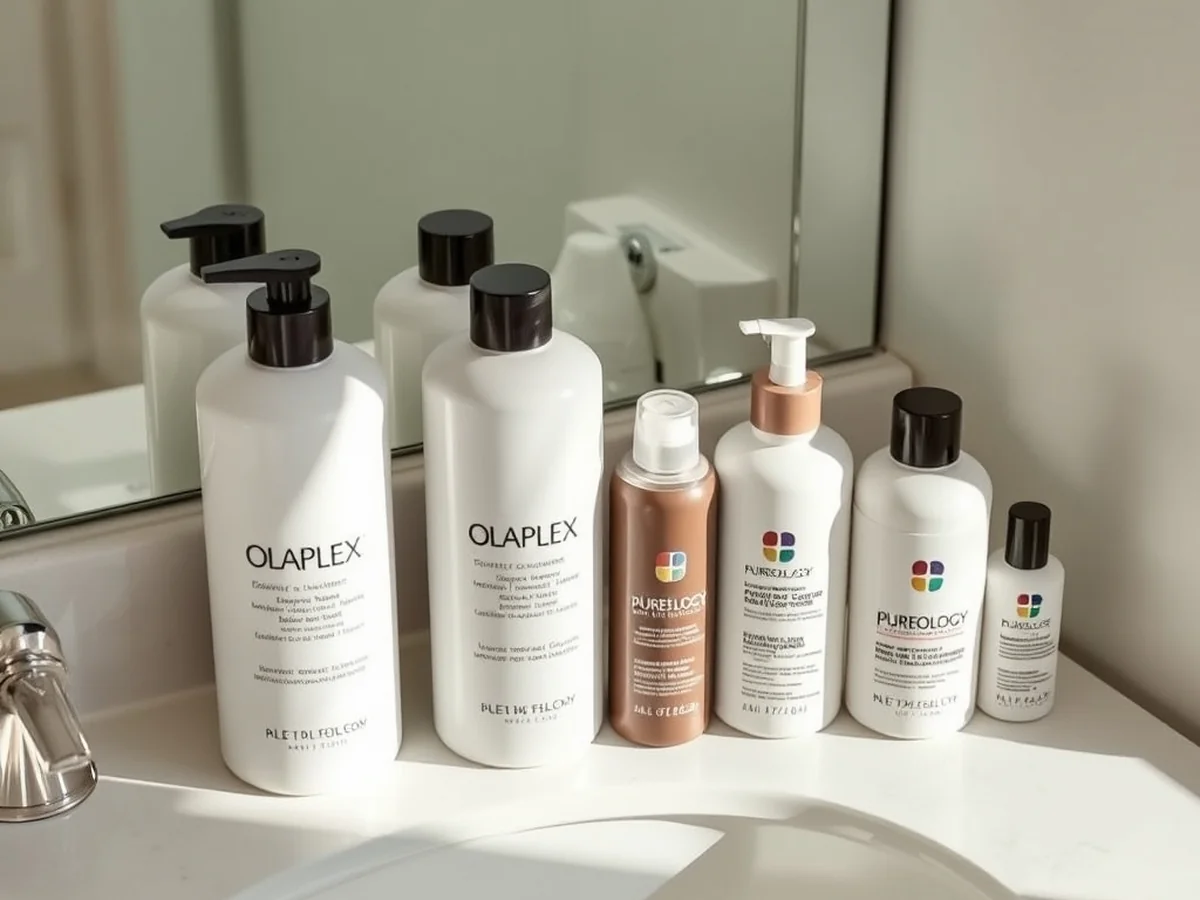
You can effectively address both structural damage and color longevity by alternating these systems in your routine. Mixing these approaches helps manage hair porosity and moisture levels without causing product buildup.
- Apply a bond-building treatment once a week to strengthen hair fibers before cleansing.
- Use your preferred color-preserving shampoo on alternate wash days to protect your shade.
- Incorporate a hydrating conditioner during every wash to maintain softness and manageability.
- Limit the use of intensive repair treatments to prevent protein overload that can lead to brittleness.
- Observe how your hair responds to these products and adjust the frequency if you notice signs of heaviness.
- Select the best shampoo for color treated hair based on your current moisture needs.
Common Usage Mistakes

Achieving healthy, vibrant locks requires more than just high-quality products, as improper application techniques often undermine the benefits of bond-repairing or color-protecting systems. Avoiding these frequent errors helps in maintaining hair color vibrancy and overall hair health.
- Using high-heat styling tools without a thermal protectant significantly increases the risk of cuticle damage and accelerated color fade.
- Applying heavy, intensive treatments to fine hair often leads to buildup, causing hair to appear flat and dull.
- Incomplete rinsing leaves residue on the scalp and strands, which can dull shine and diminish the longevity of your professional color.
- Skipping the recommended processing times for concentrated treatments prevents the active ingredients from properly interacting with the hair structure.
When to Choose Professional Treatments
Seek professional intervention when your hair shows signs of severe chemical damage that at-home routines cannot resolve. If you notice persistent breakage, extreme dryness, or a gummy texture when wet, these are indicators that your hair requires expert evaluation beyond standard maintenance products.
Salon visits serve as a diagnostic tool for your hair health. A stylist can perform personalized porosity testing to determine if your cuticle layer is compromised or if you have structural gaps needing specialized care. This professional assessment is essential for creating a targeted recovery plan.
- Excessive shedding or snapping during brushing.
- Loss of natural curl pattern or elasticity.
- Inability of the hair to hold moisture despite frequent conditioning.
FAQ
Which brand is better for repairing damaged hair?
Olaplex is primarily designed to address internal structural damage, whereas Pureology focuses on external moisture and surface protection. If your hair is brittle from chemical processing or bleach, bond-repairing technology may be your priority. Alternatively, if your hair is simply dry or dehydrated from coloring, a moisture-focused system is often more effective.
Do both brands offer sulfate-free options?
Both Olaplex and Pureology provide sulfate-free hair care for colored hair as part of their standard product lines. Removing harsh surfactants helps prevent the hair cuticle from becoming stripped or overly porous during the washing process.
How often should I use bond builders compared to color-protecting shampoo?
Bond-repairing treatments are generally intended for periodic use rather than every time you wash your hair, while color-protecting shampoos are suitable for daily or frequent maintenance. You should check the specific instructions on each bottle to ensure you are not over-processing your hair with concentrated repair ingredients.
Are these products suitable for all hair textures?
While both brands cater to a wide range of hair types, specific formulas are often better suited for certain textures. For example, some Pureology lines are specifically tailored for medium to thick hair that requires extra hydration, while other lightweight formulas are better for fine hair. Always match the specific product range to your hair density and individual porosity needs.
Can I use Olaplex and Pureology together in the same routine?
Many people successfully incorporate both brands into their regimen by using a bond-repairing treatment as a pre-wash step and a color-protecting shampoo for cleansing. This hybrid approach allows you to address structural integrity while simultaneously focusing on maintaining hair color vibrancy and surface smoothness.
Conclusion
Choosing between these two brands ultimately depends on whether your priority is structural hair repair or the preservation of color tone. If your hair is brittle or damaged from chemical processing, you may lean toward bond-oriented treatments. If your primary concern is preventing premature fading and maintaining moisture, color-focused collections are often the better fit. When navigating the differences between these two professional hair care approaches for your specific needs, assess your current hair porosity and the level of chemical stress your strands endure. Testing a sample size or consulting with a professional stylist about your specific hair texture can help you determine which approach aligns best with your long-term maintenance goals.
You might also like: Epres Bond Repair Treatment Review: Is It Worth It?